
Too few roads, too many people
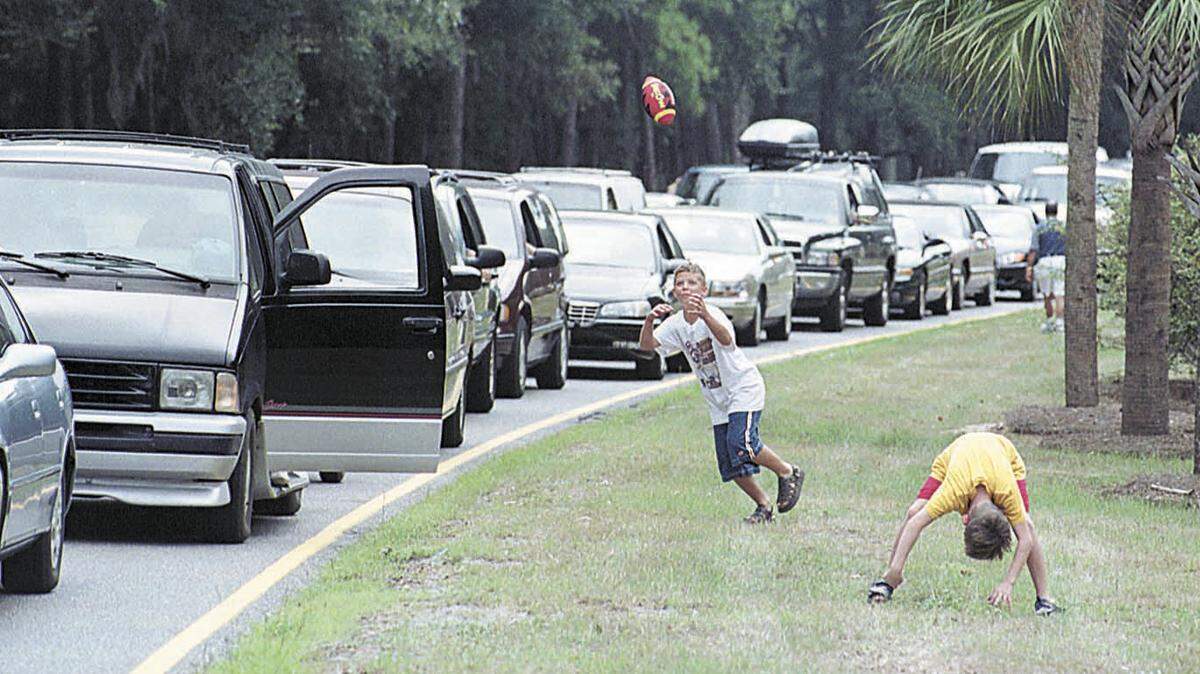
Almost three times the number of people live in Beaufort County today than in the 1970s. Yet the number of roadway miles used in an evacuation have mostly stayed the same.
That means clearing the county in a storm is more complicated than ever.
Much of that population growth has been older newcomers. About 30 percent of the county's population is now older than 60, compared with 18 percent nationally, according to 2013 census data. In Hilton Head 41 percent of the population is older than 60.
"It's one thing for someone who is 20 or 30 to throw stuff in the car and go," said Edwina Hoyle, executive director of Memory Matters, a Hilton Head non-profit that assists those with dementia. "But for seniors, especially those with medical needs, it may not be appropriate. They may need medical assistance wherever they go and can't handle 18 hours in the car. We tell people to leave at the first hint of a storm."
County leaders acknowledge that some older adults may be unable to drive or may need special health considerations that require more county resources.
While the county has identified shelters in neighboring counties that cater to special medical needs, more are likely needed, said County Emergency Management Commander Lt. Col. Neil Baxley.
For those without transportation, Palmetto Breeze Transit can assist with evacuation. But Baxley believes some of the county's most vulnerable seniors have not made plans with the bus company--or family.
"In some of the worst cases, I've seen families abandon their seniors," Baxley said. "We had one family leave their grandma at the fire station one evacuation. It should just never come to that."
Retirees aren't the only ones who present problems for emergency planners. So do the thousands of county newcomers who have never lived in coastal areas before and the deluge of more than two million tourists who descend on the area each summer during hurricane season.
"Every few years we have a whole new 6 percent of people who don't know what to do in a storm," said Baxley, who speaks to 50 to 60 groups each year about hurricane preparedness and helps conduct public outreach campaigns.
"We do all we can to work on public information, but it never ends," he said.
GROWTH OUTPACES ROAD PROJECTS
All evacuees will have to rely on a grid of roads that haven't kept pace with the population growth.
From 2000 to 2009, the number of registered motor vehicles in Beaufort County increased 46 percent, while roadway miles increased just 14 percent, rising from 771 to 884 total miles, county reports show.
The lopsided ratio persists today even though local governments have invested in major road projects to meet demand. That includes the U.S. 278 widening project that was completed in 2013, the ongoing widening of S.C. 170 and the flyover project to connect Bluffton Parkway to U.S. 278 with the bridges to Hilton Head Island.
"As the county grows, that metric of roadway miles is always going to lag," said Robert McFee, Beaufort County director of engineering and infrastructure. "There isn't enough money in the world to keep pace."
Beaufort County is doing all that it can to meet traffic demands, say emergency management officials.
"We're doing what we can in the county lines, but everything west of the county line is two-lane highways," Baxley said. "What is the point of having all these added roadways if you will have to funnel down to two lanes at the county line? There's no way around it."
Follow reporter Erin Heffernan at twitter.com/IPBG_erinh.
Related content:
- Beaufort County ranked among nation's 20 fastest-growing metros, March 26, 2015
- County Council pleads with state for more hurricane evacuation funding, , April 18, 2008.
- Evacuation plans simplified by US 278 construction, officials say, May 31, 2014

Beaufort County bridges that must be used in future hurricane evacuations are old and may not be up to the task. | READ
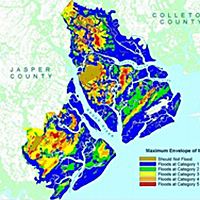
Beaufort County is so low-lying that a minor hurricane would cause major damage to property and prosperity. Flood plains make up 61 percent, or more 224,209 acres, of Beaufort County's land area. | READ

Almost three times the number of people live in Beaufort County today than in the 1970s. Yet the number of roadway miles used in an evacuation have mostly stayed the same. | READ
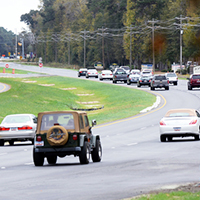
The biggest point of congestion in a Beaufort County evacuation now has planned lane reversals -- at least in some parts. | READ
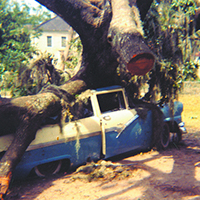
Some hurricane experts say there's a big reason for Beaufort County's quiet spell when it comes to hurricane hits: sheer luck. | READ

A Beaufort woman and her family were planning on evacuating to Augusta. Hear how they ended up in Tennessee ... 18 hours later. | READ

NOAA's interactive tool lets you find out for each category of storm. | READ
This story was originally published August 20, 2015 at 2:20 PM with the headline "Too few roads, too many people."