
Are we ready for the next BIG hurricane?: A look at Beaufort County's hurricane vulnerabilities
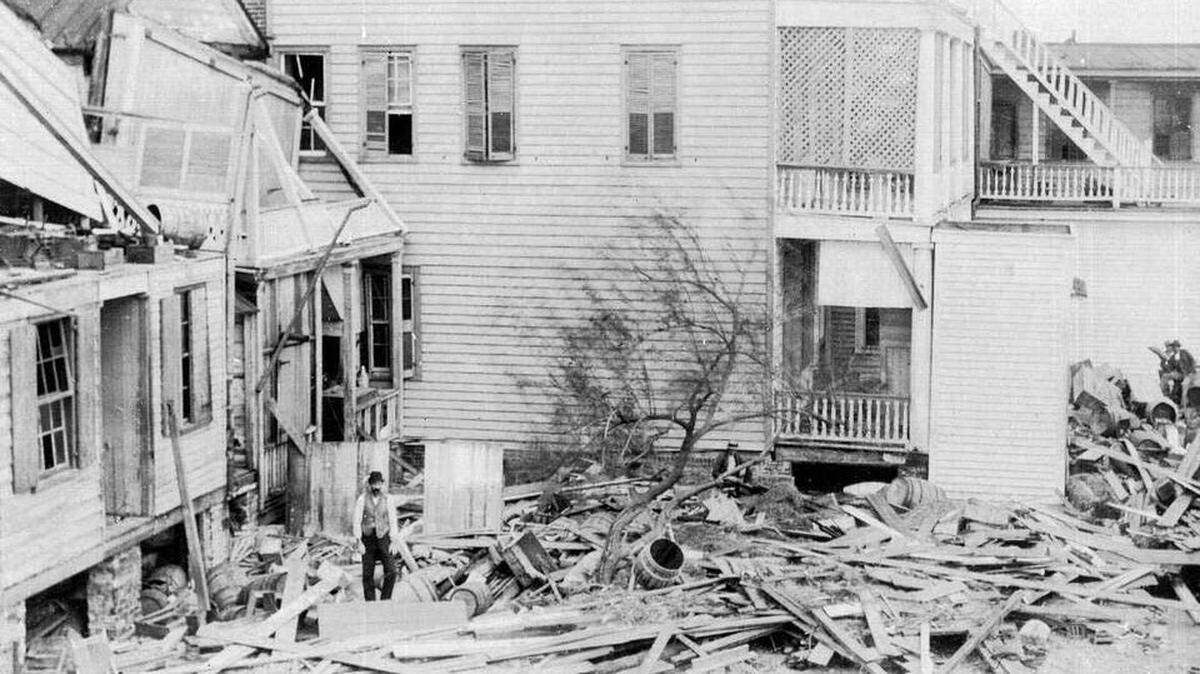
In the early evening of Aug. 27, 1893, a monster hurricane slammed into Beaufort. Its winds whipped at 130 mph as it toppled buildings while a mighty sea surge drowned locals by the hundreds.
Hardest hit were the freed slaves and their children farming St. Helena Island and the other sea islands. An exact death toll is unknown, but it is believed by historians to be between 1,500 and 2,000. Tens of thousands more were left homeless by the storm, later named the Sea Islands Hurricane.
To date, it still ranks as one of North America's deadliest storms.
"The beaches, the undergrowth, trees and shrubbery, the marshes and inlets are turning up new bodies every time an investigation is made," read an Aug. 31,1893 story in Columbia's The State newspaper. "So frequent are the discoveries that the finding of a single body attracts no attention at all."
For those left behind, crops were ruined. The area's phosphate mining industry, already struggling from increased competition, was washed away in the flooding. And a state legislature, in the throws of an economic depression, did not fund a relief effort.
Thank goodness for South Carolinians who gave thousands of dollars in private donations and Clara Barton, who headed the Red Cross' first major hurricane relief effort out of an old warehouse in Beaufort.
Barton would later recount in her autobiography that "the submerged lands were drained, 300 miles of ditches made, a million feet of lumber purchased and homes built, fields and gardens planted with the best seed in the United States, and the work all done by the people themselves."
Certainly, modern technology would prevent another tragedy on this scale.
But technology cannot negate one fact: Beaufort County will get hit again. It's not a matter of if, but when, say hurricane researchers.
Hurricane vulnerabilities still exist that will hinder evacuation and rescue efforts.
On the anniversary of the 1893 storm, here's a look at the county's biggest liabilities.
Beaufort County bridges that must be used in future hurricane evacuations are old and may not be up to the task. | READ
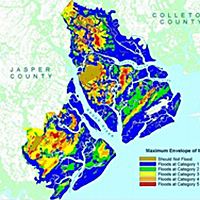
Beaufort County is so low-lying that a minor hurricane would cause major damage to property and prosperity. Flood plains make up 61 percent, or more 224,209 acres, of Beaufort County's land area. | READ

Almost three times the number of people live in Beaufort County today than in the 1970s. Yet the number of roadway miles used in an evacuation have mostly stayed the same. | READ
The biggest point of congestion in a Beaufort County evacuation now has planned lane reversals -- at least in some parts. | READ
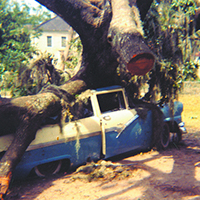
Some hurricane experts say there's a big reason for Beaufort County's quiet spell when it comes to hurricane hits: sheer luck. | READ

A Beaufort woman and her family were planning on evacuating to Augusta. Hear how they ended up in Tennessee ... 18 hours later. | READ

NOAA's interactive tool lets you find out for each category of storm. | READ
This story was originally published August 20, 2015 at 1:55 PM with the headline "Are we ready for the next BIG hurricane?: A look at Beaufort County's hurricane vulnerabilities."