The Grift List: A log of scam tactics reported in the Hilton Head area
READ MORE
The Grift List
South Carolina has the seventh-highest rate of fraud cases in the U.S., and the state’s relatively high median age leaves residents especially vulnerable to scammers’ tactics. National data shows older adults are disproportionately affected by such crimes.
Expand All
Scams are almost inescapable in the Hilton Head Island area.
South Carolina has the seventh-highest rate of fraud cases in the U.S., and the state’s relatively high median age leaves residents especially vulnerable to scammers’ tactics. National data shows older adults are disproportionately affected by such crimes.
Police in Beaufort County received 745 reports of fraud in 2023, only 11% of which resulted in an arrest or other resolution, according to data from the South Carolina Law Enforcement Division.
The scam industry is constantly evolving, and new schemes are used in the Lowcountry almost weekly. Here’s a running list of every tactic reported to law enforcement in Beaufort County.
This story will be updated often to reflect new and ongoing scams in the Hilton Head area. To suggest an addition to the list, email newsroom@islandpacket.com.
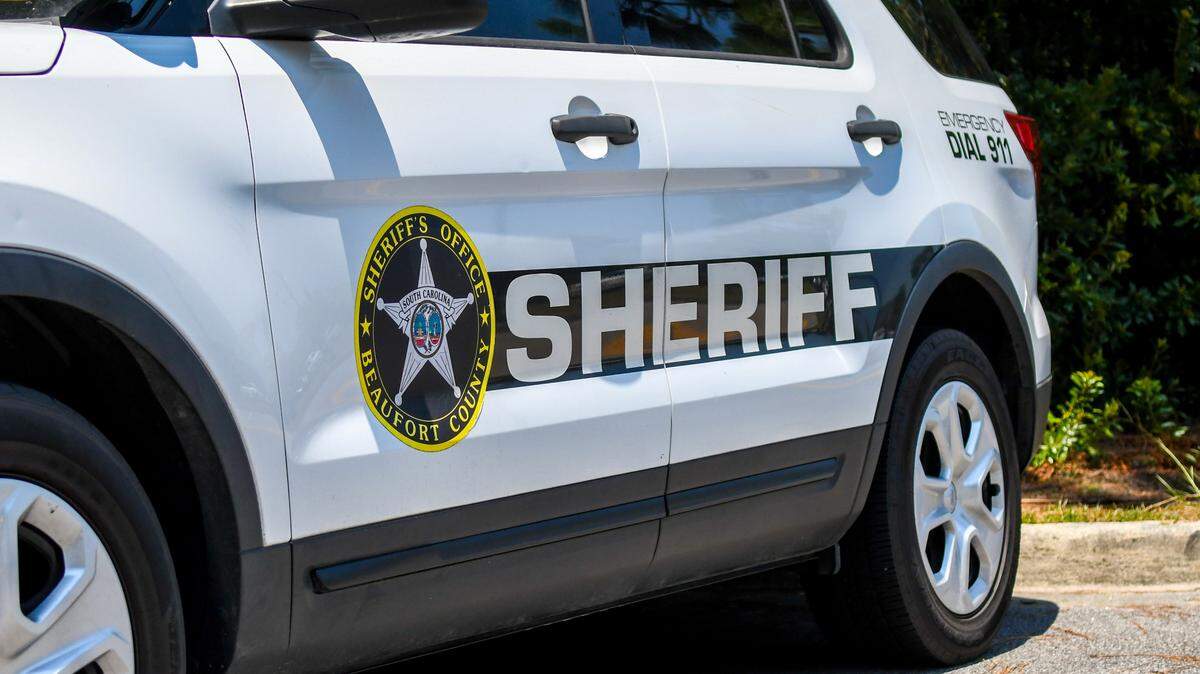
To confirm the authenticity of a potential scam, contact the Beaufort County Sheriff’s Office non-emergency line at 843-524-2777 or your local police department.
- Government grifters: The City of Beaufort warned of a locally circulating scam email asking targets to send money for an “application review and approval fee,” purportedly sent from the city’s planning commission. Police said the fake note contained a number of red flags, like the sender not including their name, not using an official government email address and only allowing responses via email.
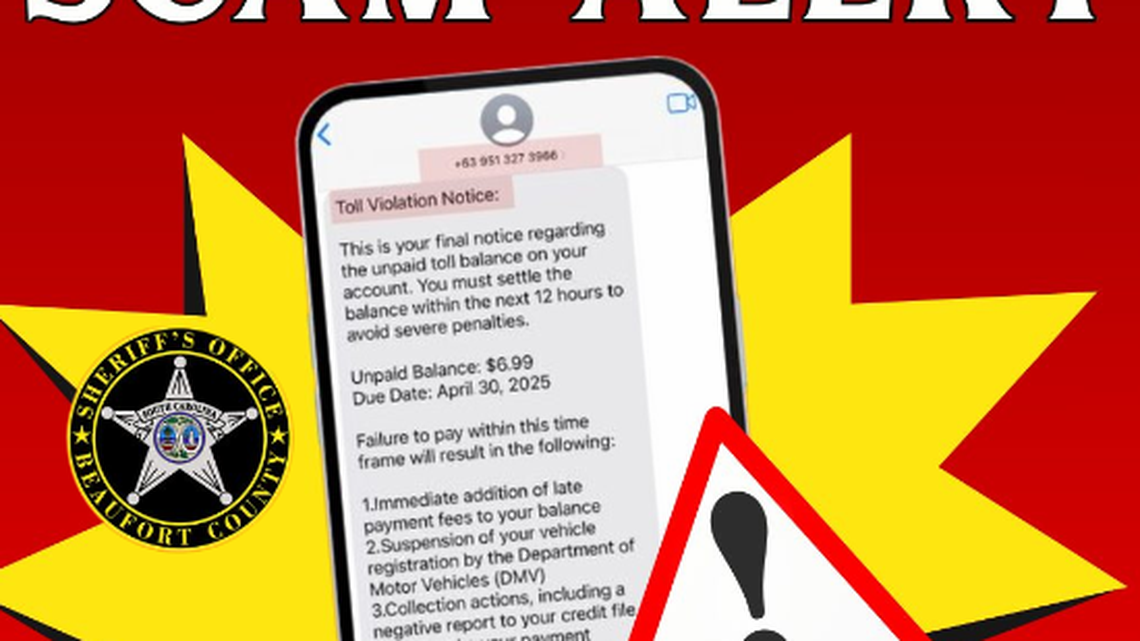
- Toll violations: A sea of scam texts labeled “toll violation notice” are once again flooding phones in Beaufort County, threatening “irreversible consequences” if targets don’t pay via a fraudulent link containing “SCDMV.”
- Not-so-free rides: In this in-person scam, a criminal arranges a ride to and from the victim’s local bank via Uber or another ride-hailing service, asking the target to withdraw a large sum of money under false pretenses. After her own Uber ride to the bank in April 2025, an 87-year-old woman from Sun City was ordered to give the cash to a nameless woman who came by her house.
- Check fraud: Over a dozen Beaufort County residents in March and April 2025 reported checks they mailed through the U.S. Postal Service had been stolen and “washed” with updated recipients. Stolen checks can also be used for identity theft.
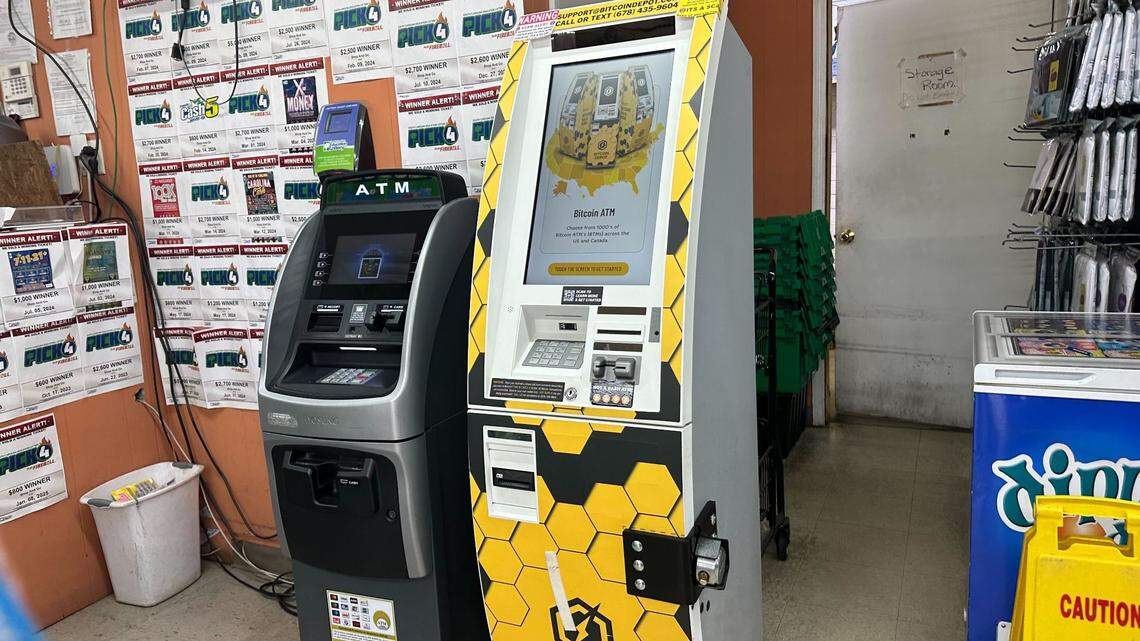
- Bitcoin or bust: Many scammers demand payments be made with cryptocurrency because the digital currency is harder to track and comes with less legal protections. Local fraudsters are known to ask victims to transfer money through in-person Bitcoin ATMs. The Federal Trade Commission says “no legitimate business” will require customers to pay in cryptocurrency.
- Gift cards: Con artists also use gift cards to make scam-related transfers harder to trace. If someone is demanding payment via Google Play or Amazon cards, it’s more than likely a scam.
- Romance scam: These con artists target elderly residents of the Hilton Head area by creating accounts on dating websites and building a relationship with the victim over a period of weeks or months. Eventually, the scammer fabricates a story and asks for a large sum of money, usually promising to pay the victim back or offering a larger return on investment. In December 2024, a 73-year-old woman from Sun City reportedly lost $200,000 to a romance scammer who said he needed the money to purchase parts for his oil rig in the Gulf of Mexico.
Overpayment: Often in response to an online advertisement, some scammers pretend they’ve accidentally overpaid the victim and ask for the excess money back. But the scammers’ initial payment — whether it’s a check or a wire transfer — is usually invalid, leaving the victim with less money than before.
- Natural disasters: Under the guise of fundraising, some scammers use natural disasters and other current events to drain money from victims’ wallets. After ostensibly donating to a fundraiser for the Los Angeles wildfires in January 2025, a Sun City woman received an email confirming a purchase of $450 in Bitcoin. The fraudsters had her complete an “additional transaction” — $500 in Apple gift cards — to cancel the first purchase.
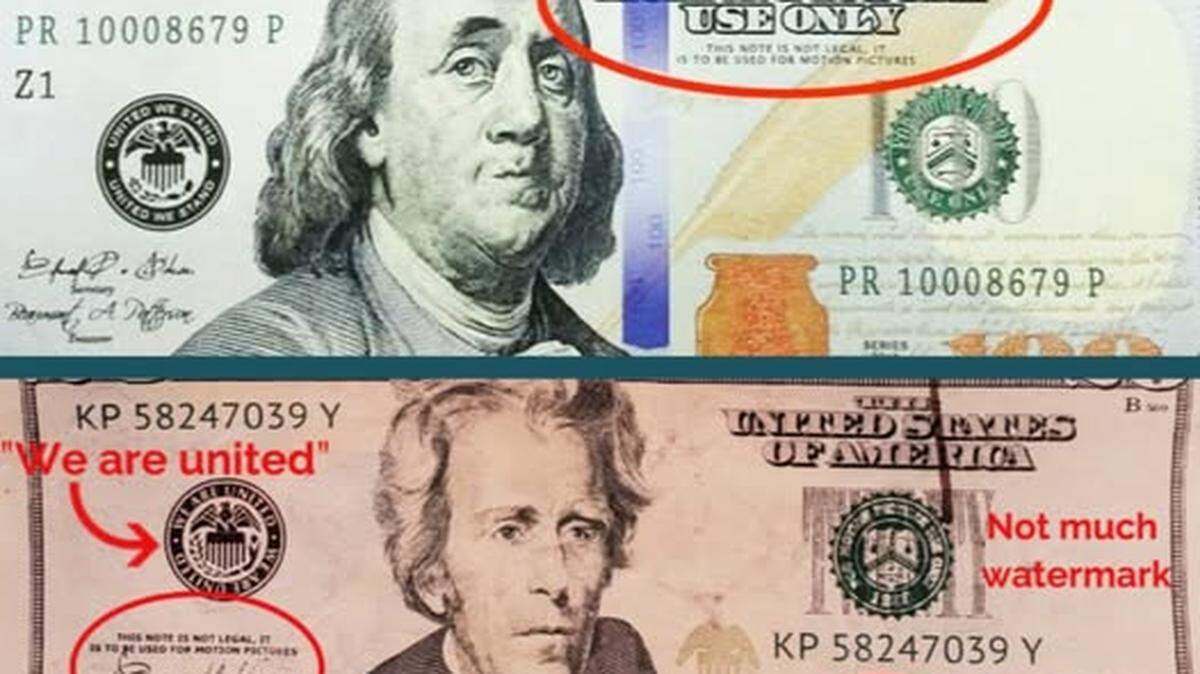
- Prop money in circulation: In early 2025, businesses across Beaufort County reported receiving movie prop money that had been passed off as real currency for purchases. To spot the faux bills, look for phrases like “Motion picture use only” or “This note is not legal tender” and the absence of security features like color-shifting ink and watermarks.
- Sexting scam: A man using a dating app got a call from a scammer pretending to be a Beaufort police officer, who alleged a user he had chatted with was underage. The fraudster demanded the man send him $3,200 to pay for the underage girl’s therapy bill.
- Public jail records: Residents with family members in jail or who had recently been released themselves reported being contacted by scammers imitating law enforcement, who asked for money or other goods in exchange for their relatives’ release or because of fabricated court conditions. Authorities say fraudsters often utilize public jail logs or mugshot pages to find vulnerable targets.
- Jury duty:This common scam involves victims receiving calls from con artists pretending to be law enforcement, alleging the person missed jury duty or another legal obligation and needs to pay a fine. Local authorities say they will never ask for money via phone or email.
This story was originally published April 1, 2025 at 5:00 AM.