Here are the types of text scams tricking SC phone users & what to do if you get one
READ MORE
The Grift List
South Carolina has the seventh-highest rate of fraud cases in the U.S., and the state’s relatively high median age leaves residents especially vulnerable to scammers’ tactics. National data shows older adults are disproportionately affected by such crimes.
Expand All
It can be difficult to ignore the infamous ‘ding’ from your phone when getting a new text, but sometimes those messages have a phony background, asking you to click a link or respond with sensitive information.
Text scams are one of the quickest and easiest ways scammers obtain your personal or financial information and access your private accounts — and they are becoming increasingly popular.
But with our cell phones constantly sitting in our pockets and purses, how do you know if the notification on your screen is real or fake?
While scams of all kinds are practically inescapable, here are a few ways to identify a text scam, according to the Federal Trade Commission and the South Carolina Department of Consumer Affairs.
How do scammers get my number?
Scammers use a tactic called “spoofing” that allows them to mask how they contact you.
Spoofing refers to how scammers mask the phone number they’re using to contact you with a different phone number with your area code to make the contact seem legitimate.
Spoofing is used for phone calls, emails and text scams.
Scammers will also mask their identity by pretending to contact you on behalf of the government or other reputable agencies to make their message appear real.
How many people fall for text scams?
According to the latest scam report from the FTC, more than half of consumers text every day, making it the most common form of communication.
When users receive a scam text, the FTC says:
98% of users open the text
45% of users respond to the text
In 2024, people reported $470 million in losses to these scams, but according to the FTC, that number may only reflect a small fraction because the vast majority of frauds are never reported.
How can I tell if it’s a scam text message?
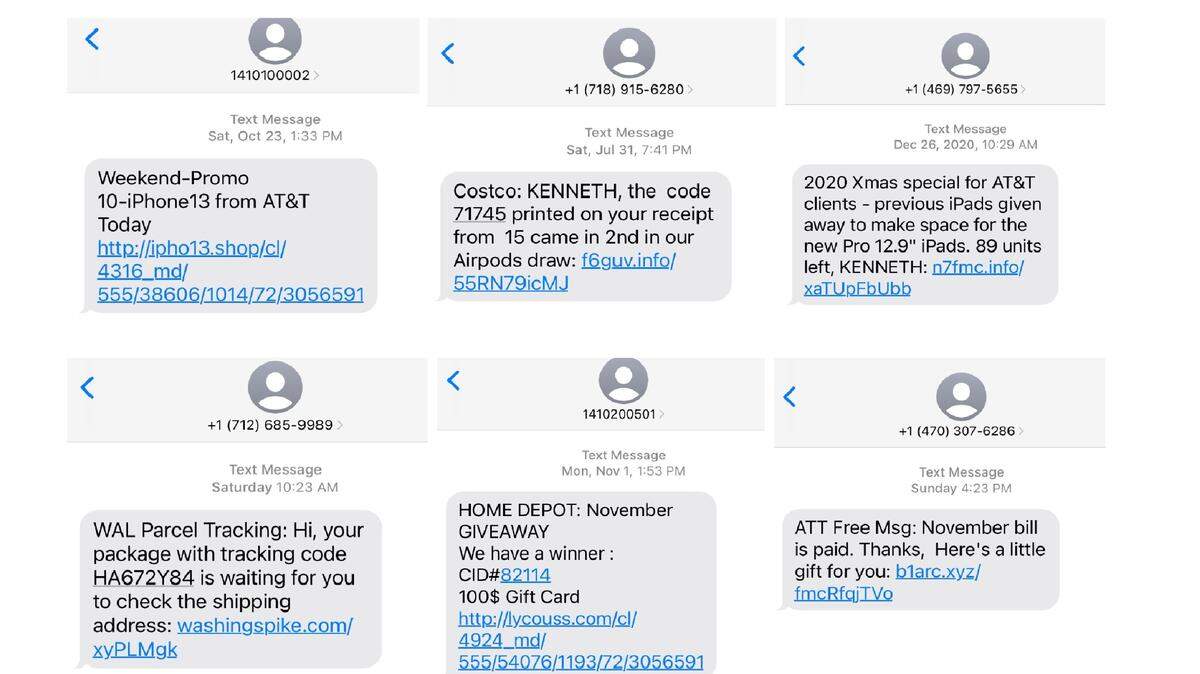
Some text scams start as fake fraud alerts, according to the FTC.
In these messages, scammers offer to help you navigate or remove charges from your account. To do so, they’ll encourage you to:
Message back with specific information
Call a certain number
Click a link
Urge you to act immediately
They state a reward, prize or resolution
Request credit card information or other sensitive information
Types of text scams
Here are all of the new text scams reported to the FTC in 2024:
Toll roads
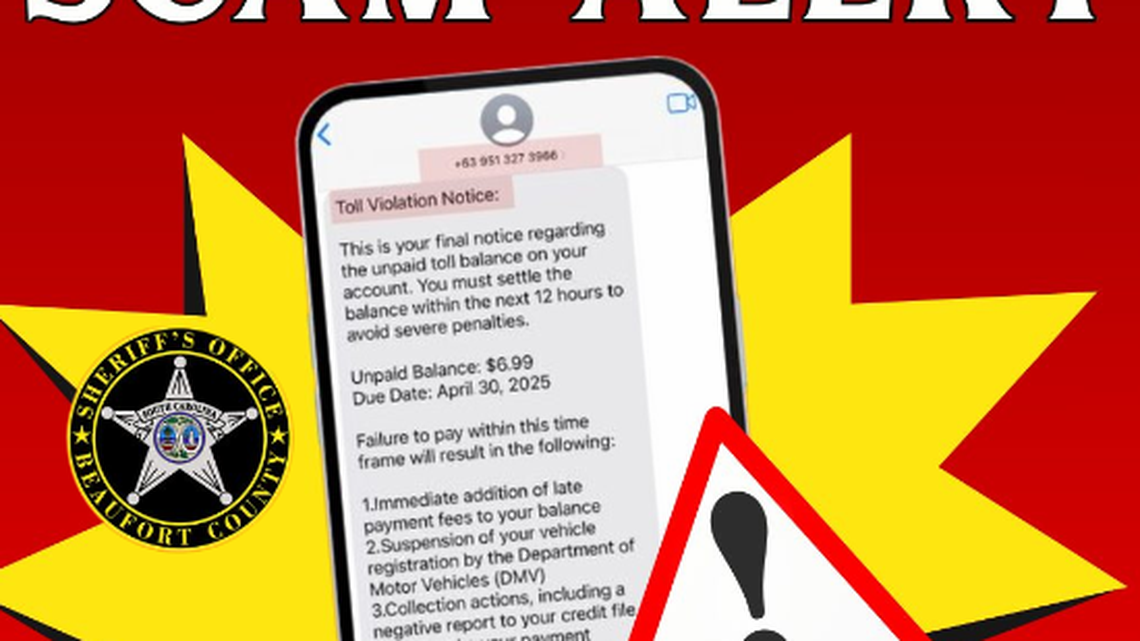
Scammers are sending texts that look like they’re from highway toll programs and instruct people to click a link to pay an unpaid balance, but neither the charges nor the message are legit. The South Carolina Department of Motor Vehicles does not collect toll violations.
Fake jobs
Scammers posing as recruiters to take people’s money isn’t a new tactic, but reports show that now these messages are offering work. The “job” is to complete simple repetitive tasks like rating products or apps, with recipients of the messages asked to send money to withdraw their supposed earnings.
Wrong number
Wrong number scams start with a message that looks innocent. They often say “hello” or “do you want to get a coffee?” But by responding to let them know they have the wrong number, scammers strike up a fake friendship, often with romantic undertones. Next, they claim to be successful investors, offering to share their tricks and directing people to invest in their bogus platforms.
Fake fraud
Texts about suspicious activity or a big purchase often look like they’re from a bank or Amazon. Recipients may be given a number to call or prompted to respond to verify the transaction. People who reply are connected to the (fake) fraud department to fix the made-up problem. These scammers quickly up the ante, telling people all their money is at risk. The scammers then pressure people into moving money out of their accounts and transferring it to the scammers.
Fake delivery
Messages about package deliveries were the most reported text scam last year, according to the FTC. These messages say there’s a problem with a delivery and link to a website that looks like the real USPS site, but isn’t. Recipients are often prompted to pay a “redelivery fee” that allows scammers to obtain a credit card or Social Security number.
What should I do if I receive a scam text message?
While it’s difficult to track every single scam out there, the SCDCA and FTC offer these tips to keep your information safe:
Don’t reply to unexpected text messages.
Never click links in unexpected messages.
Don’t assume a text from a known company or organization is legit.
Double-check if you’re not sure. Reach out to the company using a phone number or website you know is real, not the info from the text.
You can also delete and report scam texts using your phone’s “report junk” option or forward unwanted texts to 7726 (SPAM).
To forward unwanted texts on iPhone:
Open the message on your phone
Press and hold on the message to get a list of actions to pop up
Click on “more…”
Click on the forward arrow at the bottom right
Enter “7726” in the forward to field
Hit the send arrow in the lower right
Reply to the response text you receive and include the suspicious number
To forward unwanted texts on Android:
Open the message on your phone
Press and hold on the message to get a list of actions to pop up
Select the “Forward” option (Note: on some phones, you may first need to click on Select Options (three dots on the upper right of the screen) to see “Forward”)
Enter “7726” as the “To” recipient
Hit the send button
Reply to the response text you receive and include the suspicious number
To learn more about the FTC scam reports, click here.
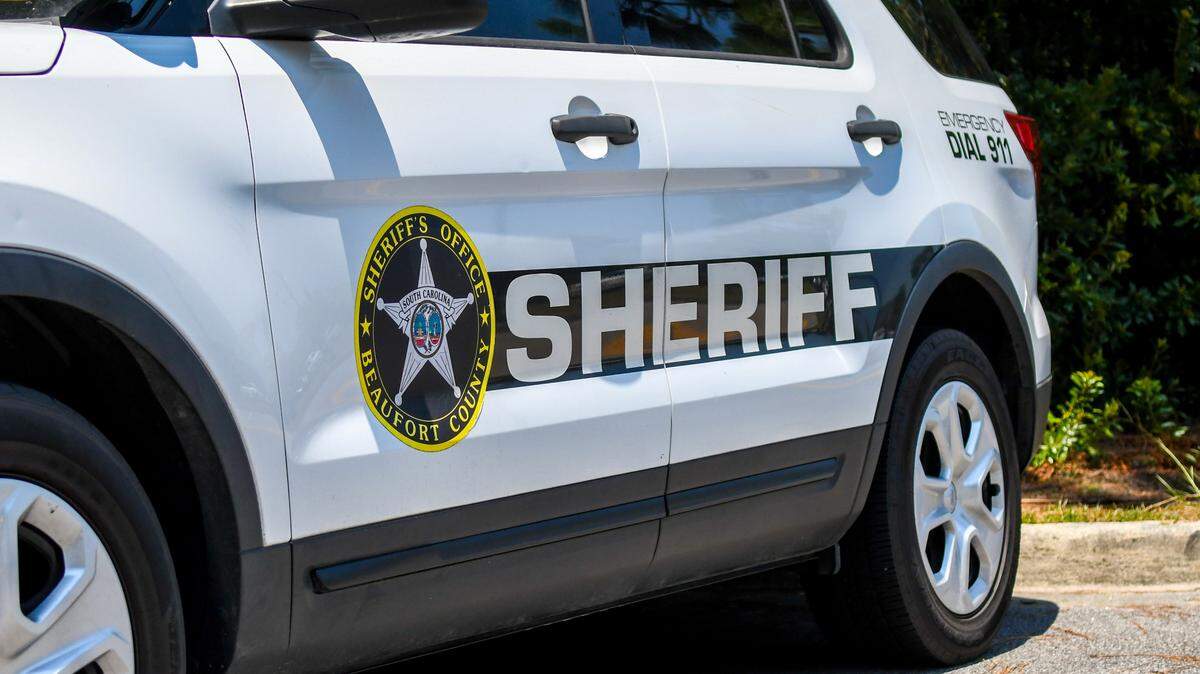
Lowcountry residents who believe they might be the target of a scam can also call the Beaufort County Sheriff’s Office non-emergency line at 843-524-2777.
This story was originally published May 29, 2025 at 8:09 AM.