Targeting the elderly, scammers nab $3M+ in Beaufort County in 2024 using new crypto ATMs
READ MORE
The Grift List
South Carolina has the seventh-highest rate of fraud cases in the U.S., and the state’s relatively high median age leaves residents especially vulnerable to scammers’ tactics. National data shows older adults are disproportionately affected by such crimes.
Expand All
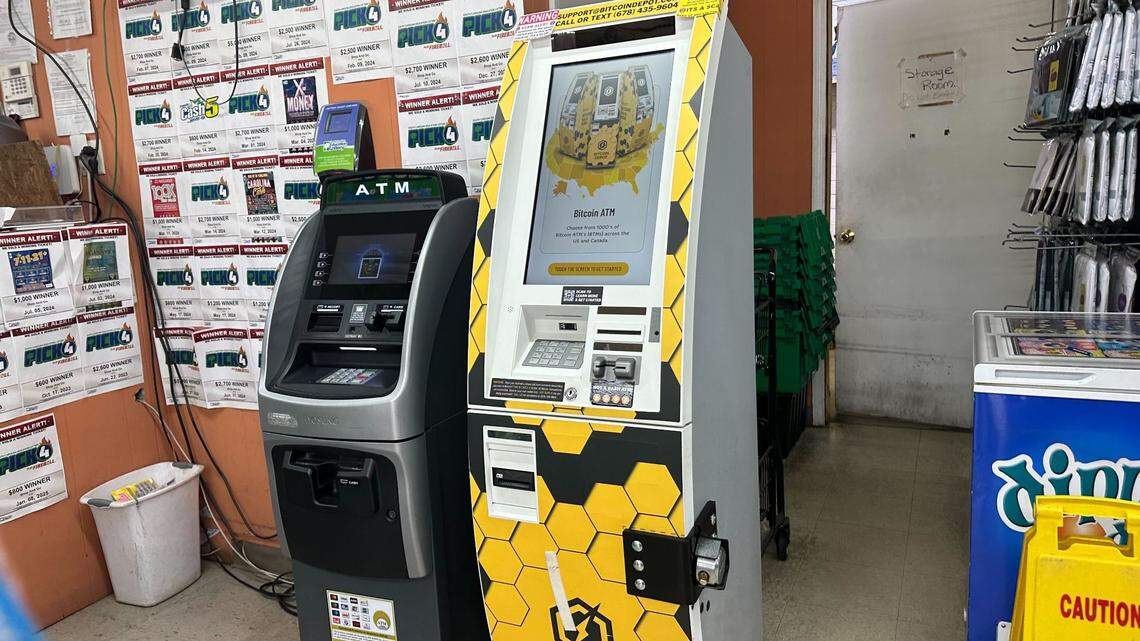
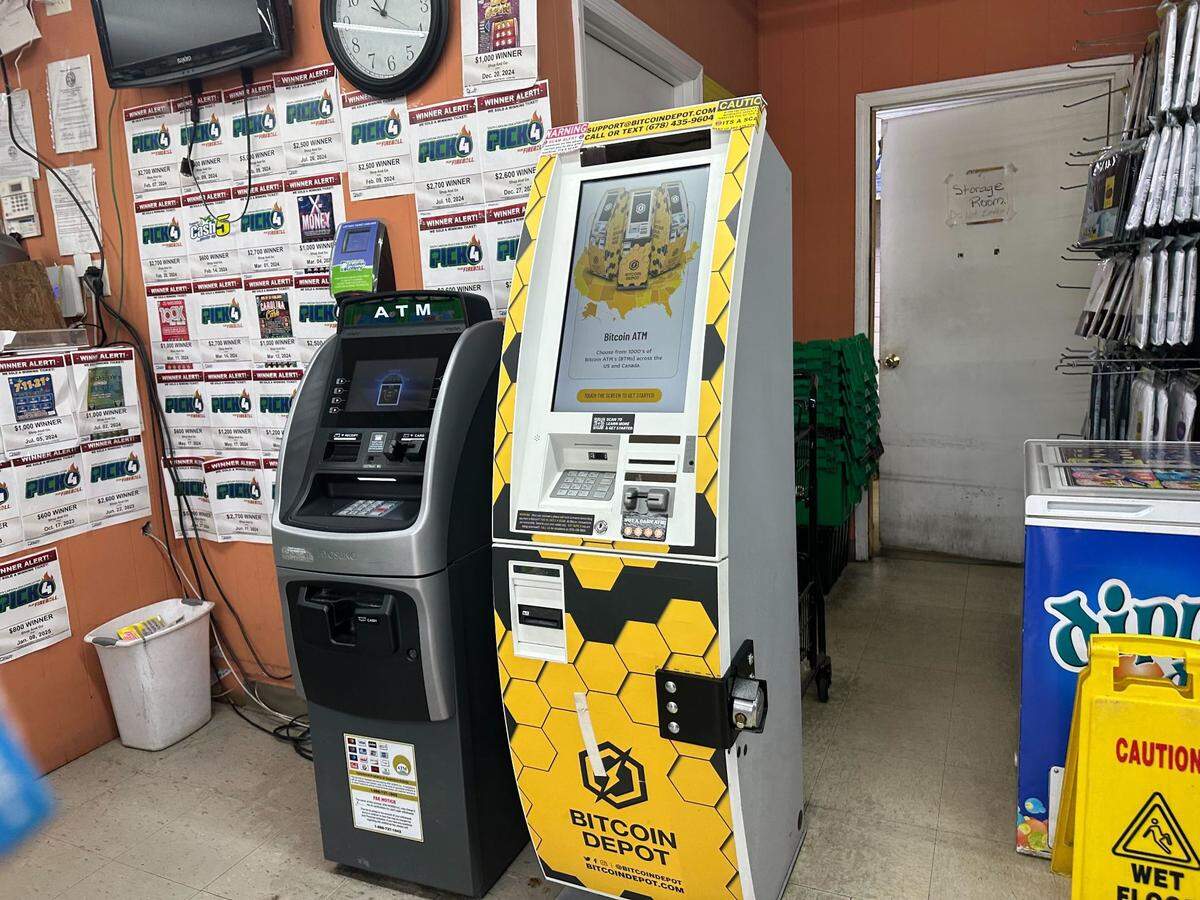
At a tall yellow ATM near the back of a seedy Beaufort-area gas station, a vacationer was on the phone with police, desperately trying to evade his impending arrest.
That’s what he thought, at least.
The man on the other line — who falsely identified himself as a sheriff’s deputy from Chester County, Pennsylvania — said a warrant was out for the vacationer’s arrest after he failed to show up for court.
Hearing his arrest was likely, the visitor was told to withdraw $16,950 in “bail money” from his bank and convert it to cryptocurrency at the Bitcoin Depot ATM in order to obtain a court date. Hanging up would be considered “evading law enforcement,” the phony policeman warned.
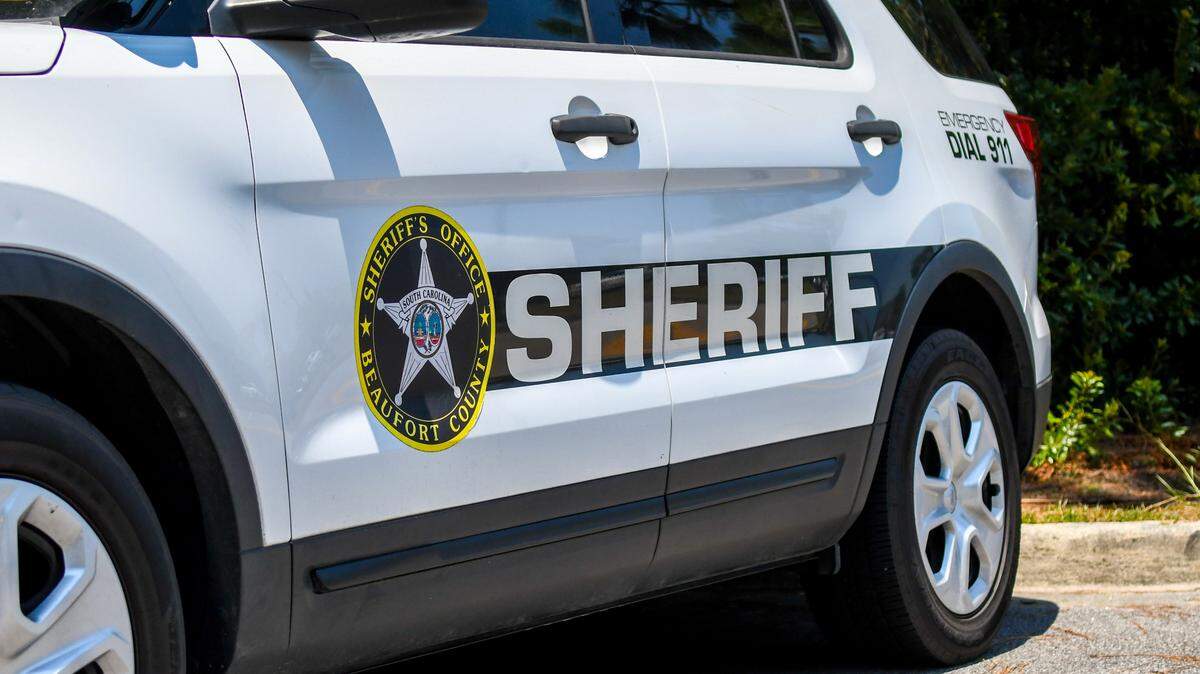
After completing the transfer and not receiving a court date, the vacationer told the caller he would turn himself in to the Beaufort County Sheriff’s Office. He ignored the caller’s plea for more money and contacted the real police, who informed him he had been scammed.
This incident in late March is part of a growing epidemic of confidence schemes where criminals demand cryptocurrency instead of hard cash.
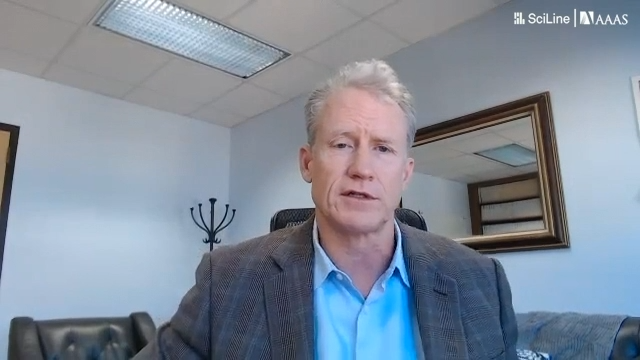
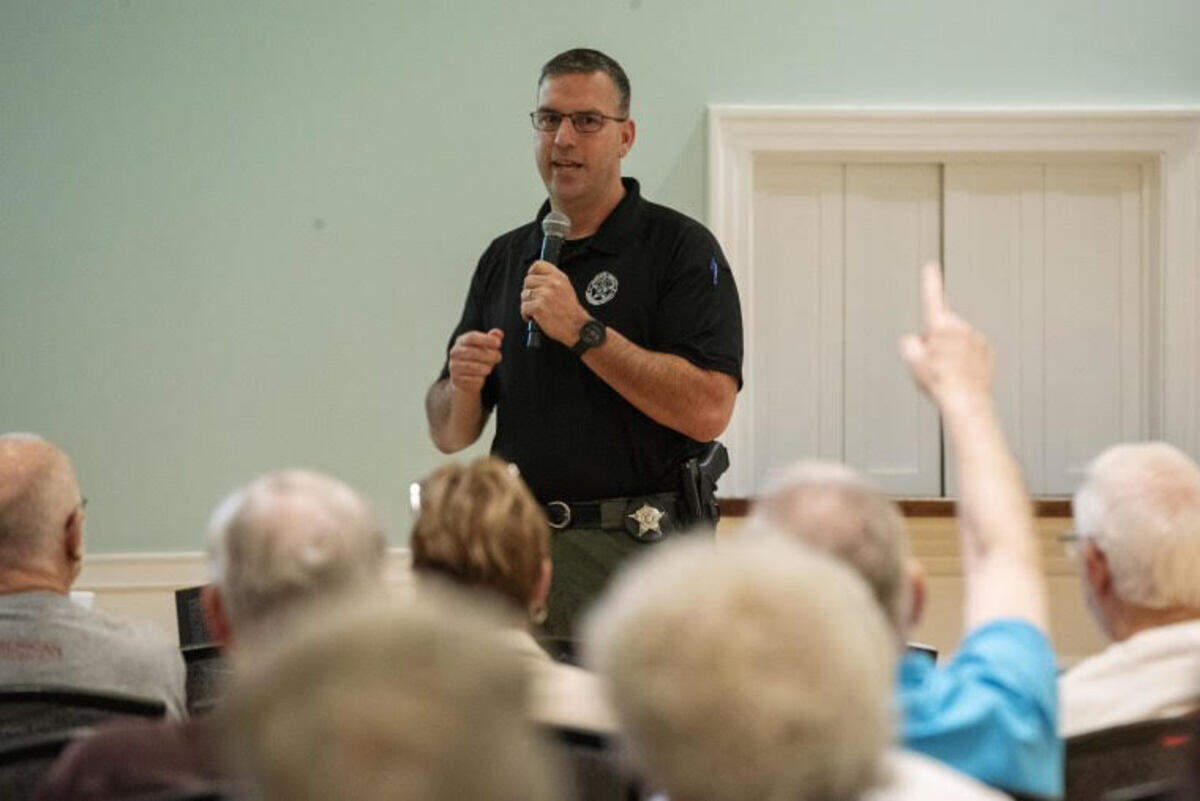
In a total of 62 cases across 2024, residents and visitors in Beaufort County reported losing $3.1 million in cash that had been converted to cryptocurrency, according to Lt. Eric Calendine of the Sheriff’s Office, who specializes in investigating and preventing financial fraud. Most of that money was fed into “predatory” cryptocurrency ATMs across the county, he said, while a smaller percentage disappeared through online transfers.
Money lost to cryptocurrency scams in the United States increased tenfold between 2020 and 2023, with losses since 2021 surpassing $1 billion, according to the Federal Trade Commission. The agency says no legitimate business or government entity will demand payment through cryptocurrency.
An online army of con artists, mostly operating in offshore havens, have set their sights on Bitcoin and other virtual currencies because transfers are often irreversible and not protected under a centralized authority like at traditional banks. Officials across South Carolina are calling for government oversight of cryptocurrency ATMs, which are increasingly becoming tools for scammers targeting aging communities like Hilton Head and Sun City.
Bitcoin ATMs and similar machines have also drawn criticism for substantial transaction fees, some reaching 20% or higher.
“(Scams) have gotten more sophisticated. They’re targeting more and more of our general population in Beaufort County who are finacially well-off,” Calendine said, adding that fraudsters are known to choose their targets using personal information from online data breaches.
Offering his top tips for avoiding crypto fraud, Calendine advised residents to “take a step back and breathe” when encountering a possible scam and to stay away from offers that seem “too good to be true.” Residents can verify a caller’s claims online or by calling their local police department.
From fake jury duty to artificial intelligence ‘grandparent scams’
Cryptocurrency scams come in dozens of forms, all relying on a fabricated sense of urgency and a lie made to justify an irreversible money transfer.
Bitcoin burglars might pose as police or government officials, threatening jail time or other consequences if the victim doesn’t immediately comply. They exploit public data, like Beaufort County jail logs, to find targets who are most vulnerable to trickery.
Some advanced schemes aim to panic their victims with highly realistic recreations of online bank dashboards. Others promise lucrative investments via Bitcoin. Romance scammers lurk on dating sites to victimize older adults in places like Hilton Head and Sun City, asking for money after building trust over a period of weeks or months.
As the lucrative scam industry adapts to new technology, many fraudsters have begun using artificial intelligence to create a video deepfake of a family member or an audio mimicry of a relative’s voice. Those are used to drain money from people who think they’re speaking with a loved one in need, like in the well-documented “grandparent scam.”
Calendine said AI scams of that type have not been as common in Beaufort County. The few attempts he’s seen were not successful.
“We’ve had some people tell us, ‘It sounded like my grandfather, but it just sounded computerized and digital,’” Calendine said. “That is going to be a huge issue moving forward with AI and deepfakes ... scaring people into thinking their loved one needs money right away.”
Law enforcement fights back
Police across South Carolina lack access to tools that can combat cryptocurrency crime, Calendine said, but solutions are in the works.
Lawmakers and police leaders across the state have advocated for legislation that could hamper the rapidly growing scams, modeled off states with existing measures like California, Washington and Vermont. Proposals include limiting daily deposits at Bitcoin ATMs, instituting “waiting periods” for new users and requiring crypto companies to issue refunds to victims of fraud.
With the right software and connections, Calendine said, local police can sometimes recover victims’ funds that were lost to cryptocurrency scammers.
“There are other agencies in the state doing very well in seizing cryptocurrency,” he said, citing the South Carolina Law Enforcement Division and sheriff’s forces in Anderson and Greenville counties. “But not everybody has the manpower or the money to buy the software programs.”
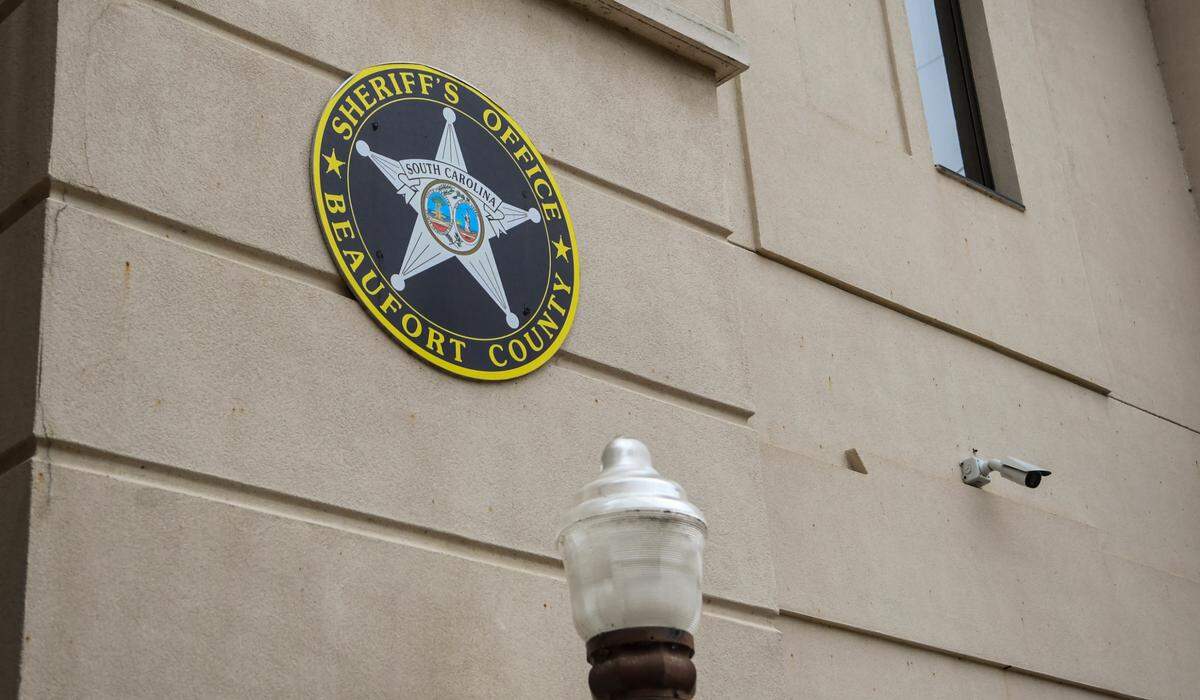
Beaufort County deputies also send data from local cryptocurrency scams to the IRS, whose experts can sometimes track the location of lost funds.
Securing refunds is a rare success, and arresting the perpetrators of cryptocurrency scams is almost unheard of, Calendine said. Still, he underscored the importance of police familiarizing themselves with the new technology.
“We’re not just sitting back; we’re trying to be proactive in our investigations,” Calendine said. “(South Carolina) is kind of behind the times when it comes to cryptocurrency investigation, but we’re getting there. It’s just the new stuff that’s unknown.”
This story was originally published April 8, 2025 at 2:48 PM.