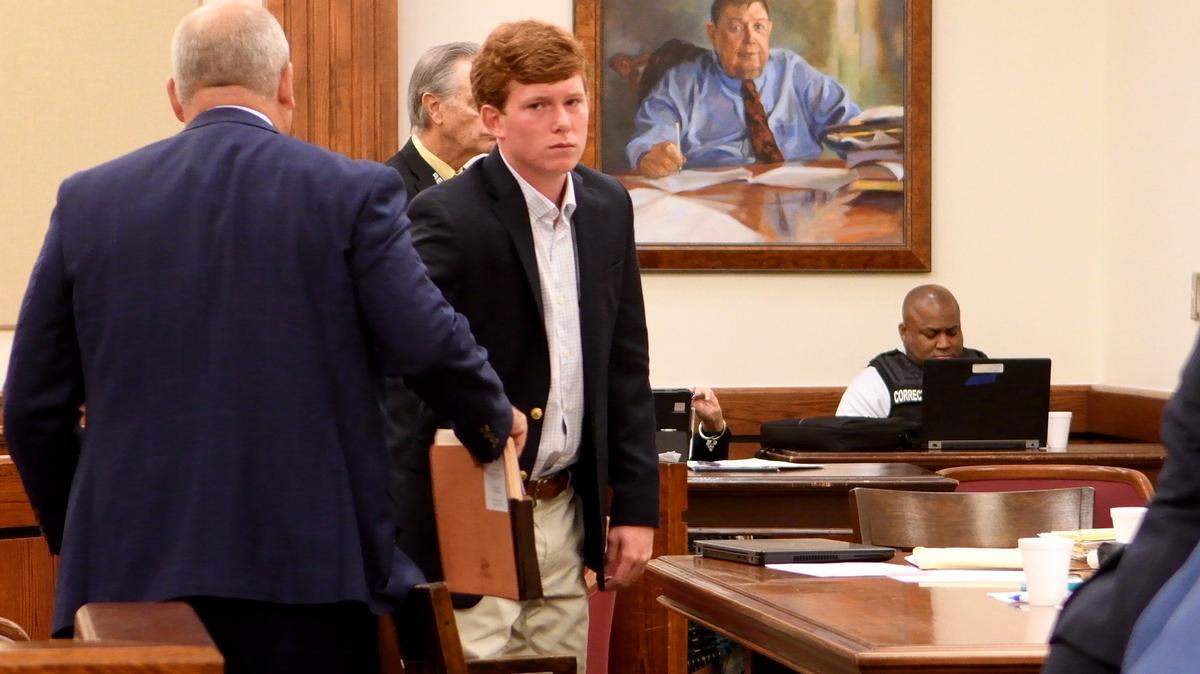
Series of irregularities apparent in 2019 boat crash investigation, new depositions show
READ MORE
2019 Boat Crash Coverage
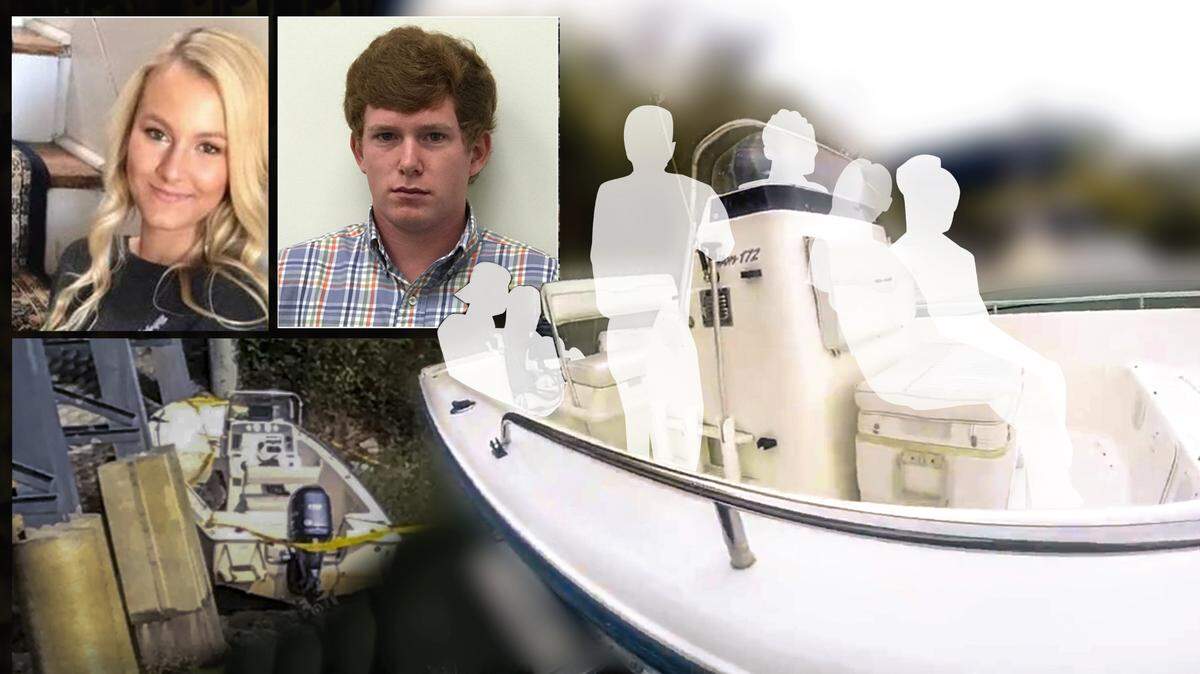
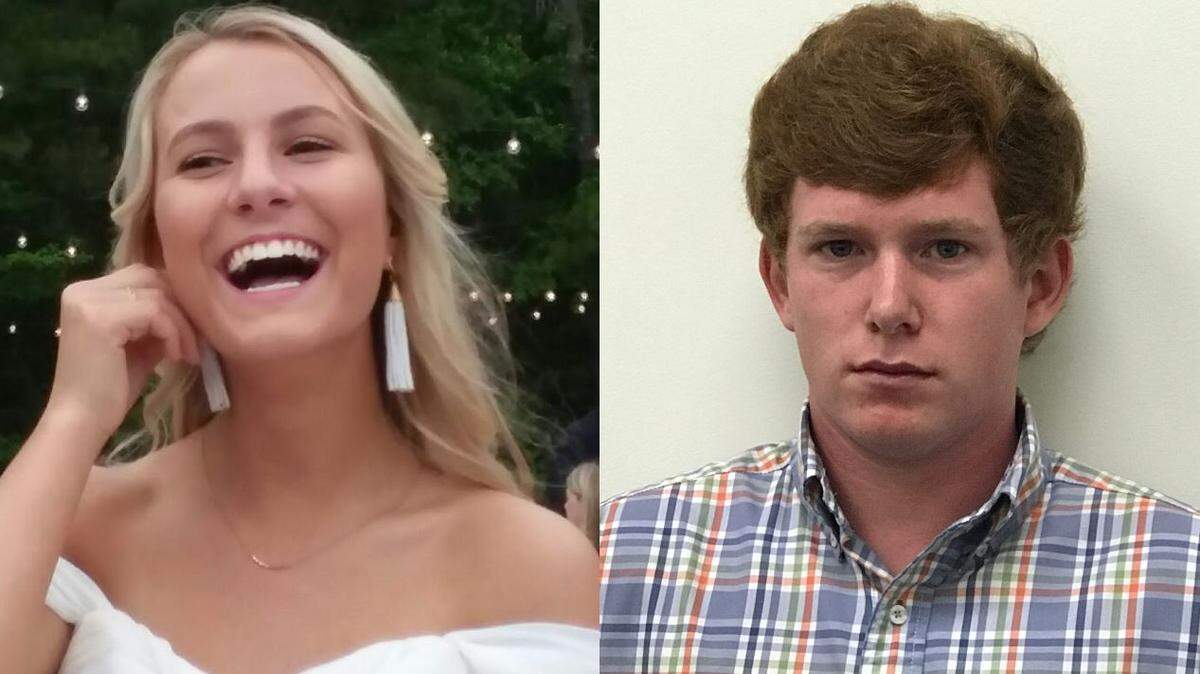
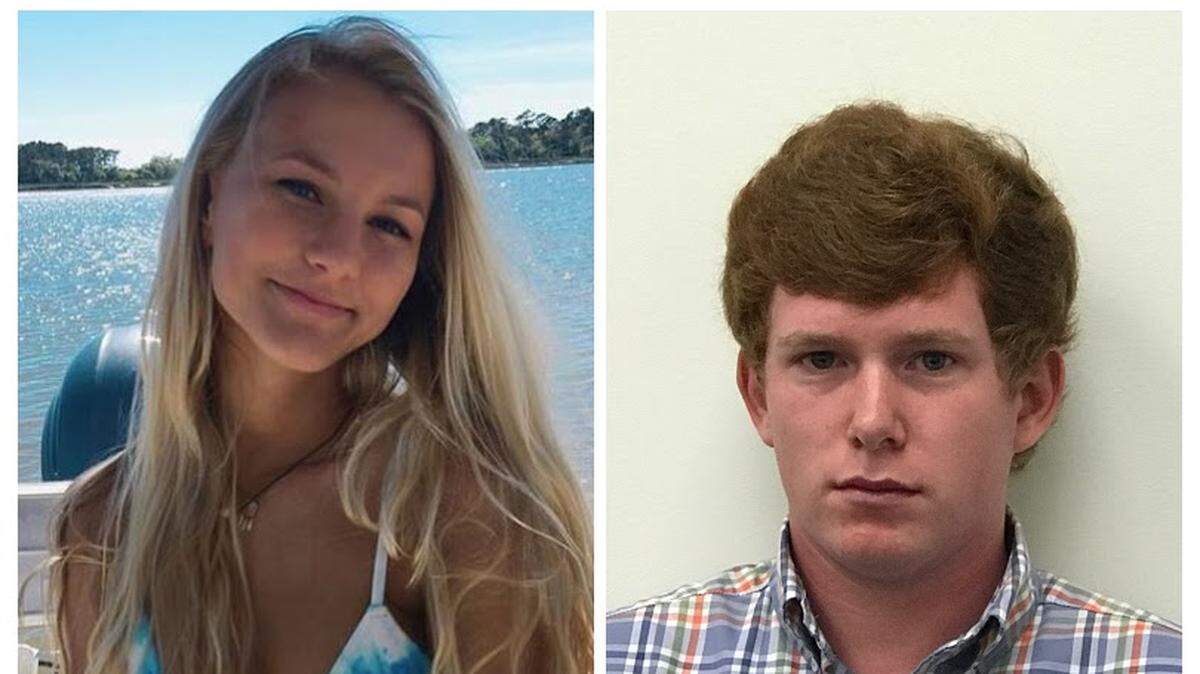
The crash of a Murdaugh family boat in 2019 killed 19-year-old Mallory Beach and started a chain of events that would remain in the news two years later. Here are the stories from that crash.
Expand All
This story first published July 8, 2021.
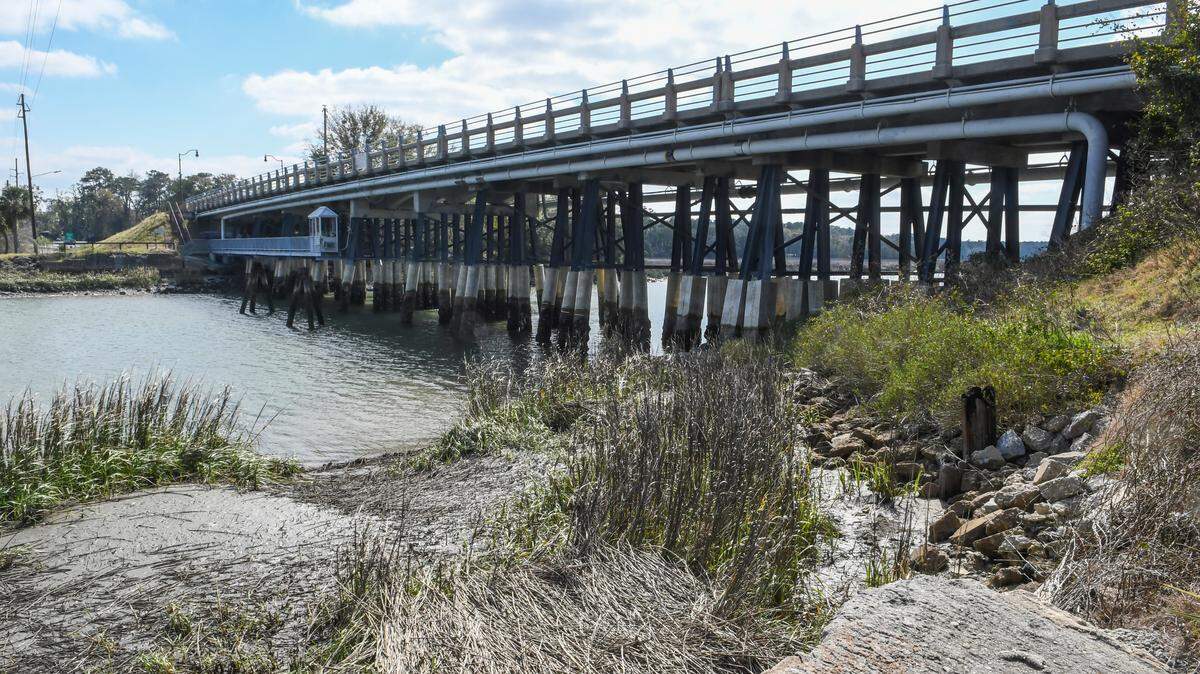
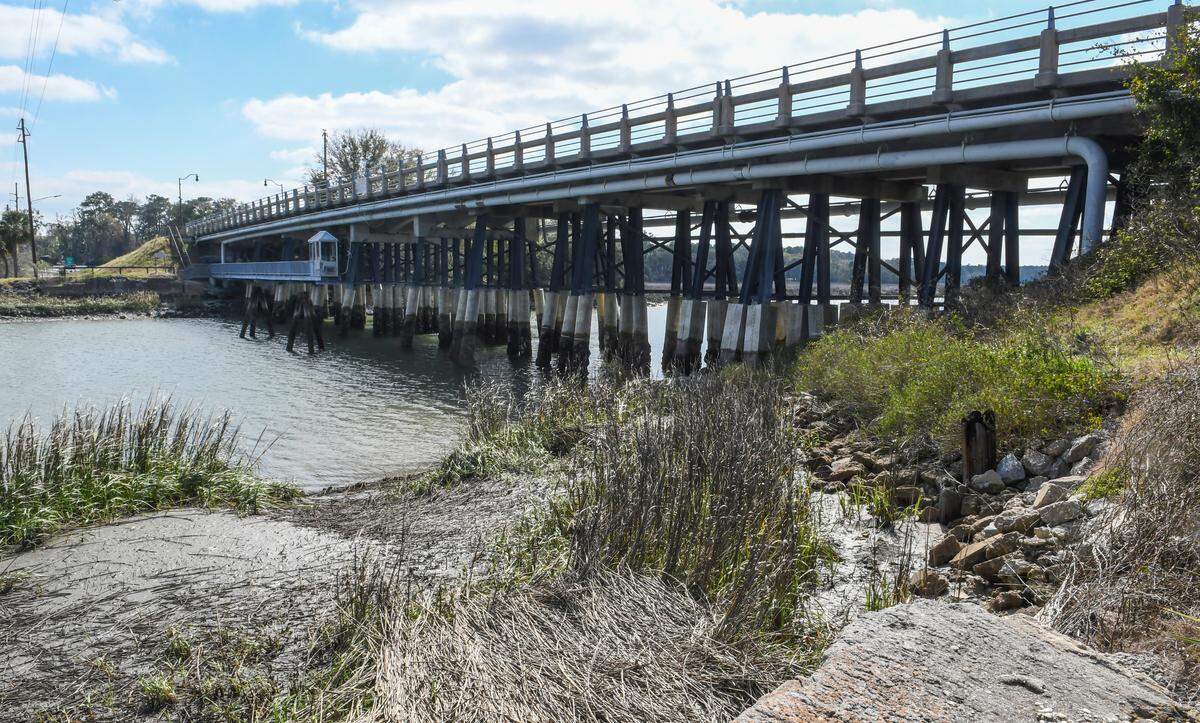
Law enforcement officers who responded to the 2019 boat crash that killed Mallory Beach described several inconsistencies and deviations from common police practices in their investigation, according to more than 400 pages of sworn testimony filed in Richland County Thursday.
The depositions — individual interviews with five law enforcement officers who responded to the boat crash scene — outlined decisions and inaction, whether intentional or by oversight, that appear contrary to investigative protocol.
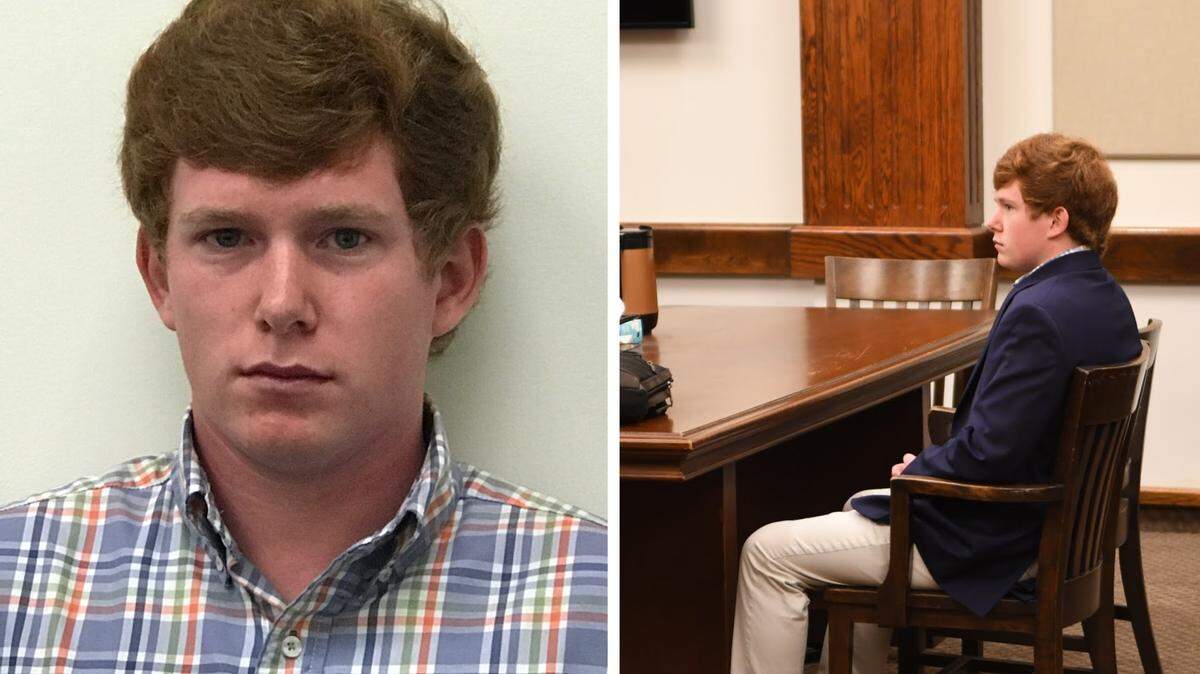
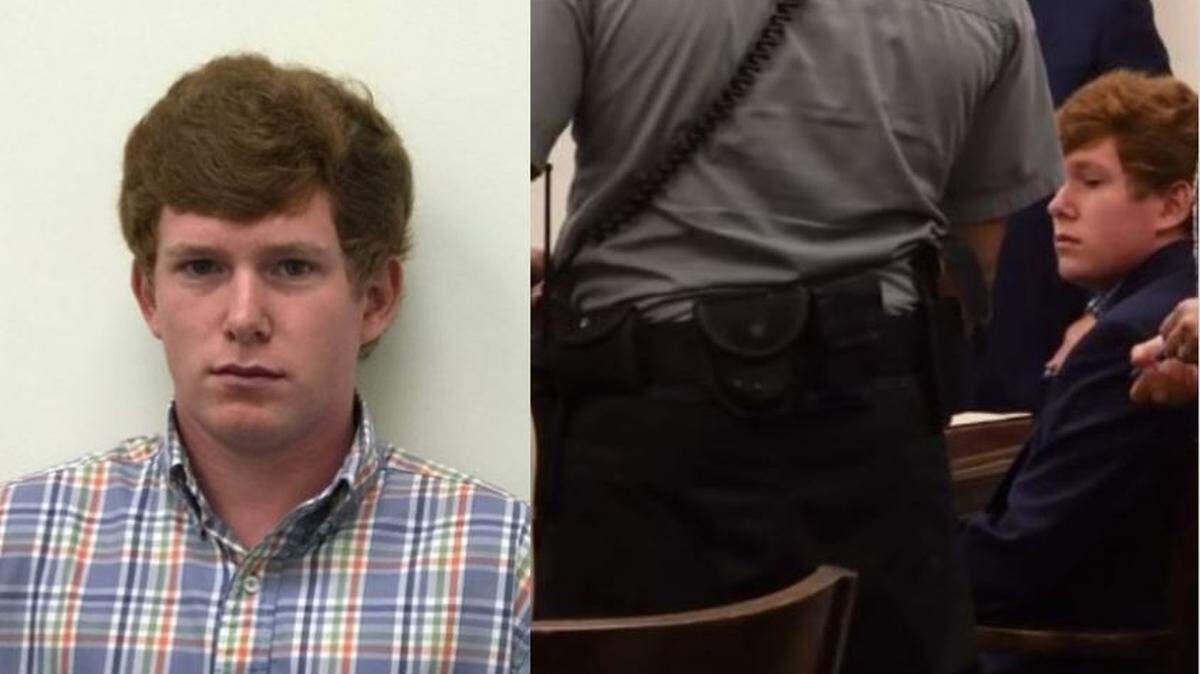
None of the five survivors of the boat crash was given a sobriety test, for example. A key interview with a witness was apparently not recorded, despite the officer initially reporting that he had recorded it. No officer took as evidence a phone dropped at the scene by the 20-year-old eventually charged as the drunk driver, Paul Murdaugh.
Together, the depositions raise more questions about inadequacies and errors in the investigation.
“They show some serious issues that need to be looked into,” said Mark Tinsley, the attorney for Mallory Beach’s mother. “Somebody in law enforcement with authority needs to look into this.”
Thursday’s court filings come as the S.C. Attorney General’s Office’s investigation into the boat crash remains open, even though Murdaugh, charged in the crash, was killed.
Inconsistencies and conflicts
A week and a half after the two Murdaughs were found shot to death, lawyers for two of the people in the boat crash said publicly that police had improperly tried to influence the original boat crash investigation in 2019.
The S.C. Attorney General’s Office opened an investigation earlier this year into how police handled that crash investigation, The Island Packet and Beaufort Gazette reported. Sources with knowledge of the situation said a state grand jury is examining whether there was obstruction of justice during the investigation.
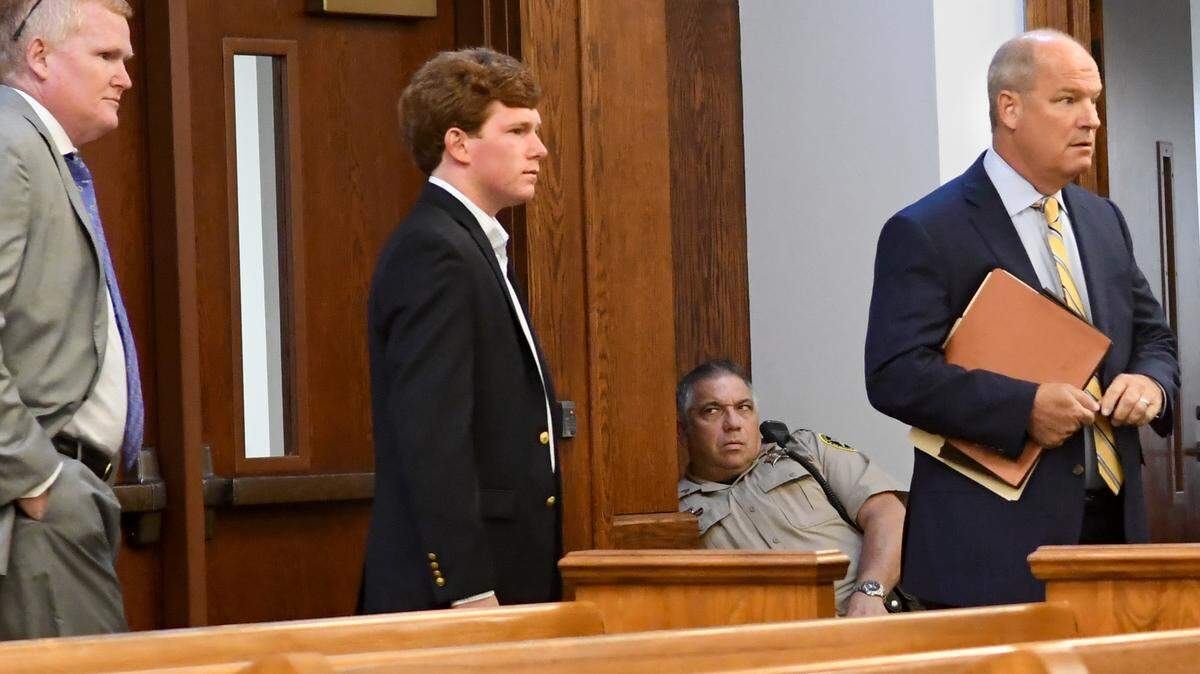
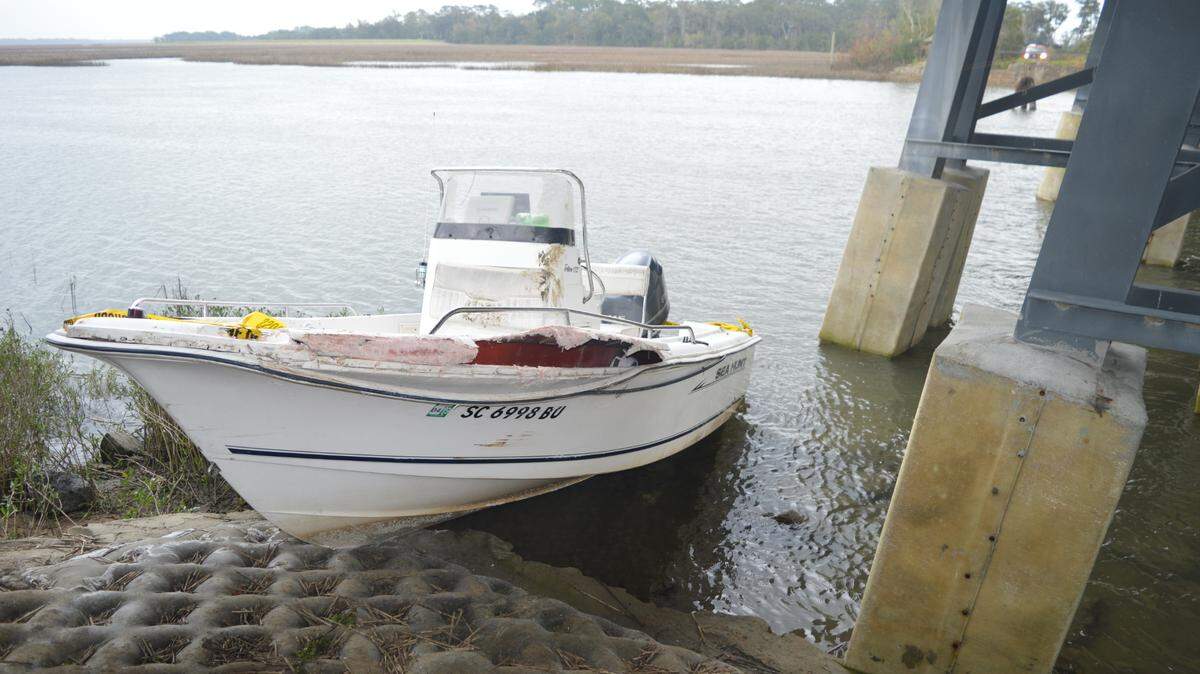
The depositions filed Thursday were exhibits attached to a civil petition filed by lawyers for Connor Cook, one of six passengers aboard the Sea Hunt boat when it crashed near Parris Island in February 2019. Cook, according to the petition, believes some law enforcement officers may know about intentions to hamper the crash investigation and shift blame away from the now-deceased Paul Murdaugh — who was ultimately charged in the crash.
Called Thursday, David Lucas, S.C. Department of Natural Resources spokesperson, declined comment on the petition, citing the legal action.
Mitchell Griffith, the attorney for Parker’s gas station in the wrongful death suit filed by Mallory Beach’s mother, on Thursday said the petition had “interesting allegations and that’s all they are at this point.”
In the depositions, conducted between March and October 2020, attorneys in the separate wrongful death suit filed by Mallory Beach’s estate questioned investigators about the decisions they made the night of the crash. Among the questions raised in the depositions:
▪ Why were none of the occupants of the boat given sobriety tests?
▪ Why weren’t certain pieces of evidence collected from the scene?
▪ Why was some information omitted from police reports?
The depositions also raise questions about potential conflicts of interest during the investigation.
In one interview, former S.C. Department of Natural Resources officer and current S.C. Law Enforcement Division agent Michael Brock, the lead investigator of the crash, admits to being moved to an assisting role because of his relationship to the Murdaugh family — a relationship he disclosed to his team. Brock, in his deposition, also claims that he didn’t remember recording an interview with Anthony Cook, one of the occupants of the boat, even though his police report from the scene indicates five separate times that he did, according to the deposition.
During an interview with Brock, Anthony Cook indicated that Paul Murdaugh had killed Cook’s girlfriend, according to the deposition. Brock said Cook could have said that, but he didn’t remember, according to the deposition.
SCDNR officer Austin Pritcher, according to his deposition, said Brock’s relationship to the Murdaugh family became an issue during the investigation. Pritcher and Brock, in their depositions, say that Brock’s wife, Sarah, used to work for the Murdaugh law firm.
“I know they didn’t want Brock too close to the investigation because of his wife’s involvement or relationship with the Murdaugh law firm,” Pritcher said.
Called Thursday, Sarah Brock declined comment on the petition.
During the deposition, Tinsley, the lawyer, asked Brock whether he understood that his answer about not having the recording, coupled with the fact that he was taken off the investigation due to a conflict, looked bad.
“Sure,” Brock responded. He said his police report indicating the interview was recorded was an error, according to the deposition.
Among other issues the depositions brought to light:
▪ SCDNR officers did not take photos while the boat was swabbed for DNA, according to Brock’s deposition.
▪ Now-retired SCNDR officer Robin Camlin said in her deposition that she requested officers to perform field sobriety tests on the two potential operators of the boat. She said Brock told her that neither person would agree to the test, the deposition said.
Brock, in his deposition, said he would have asked Pritcher to perform the sobriety tests on the potential drivers. Pritcher, in his deposition, says he offered Connor Cook a field sobriety test because he believed that Cook was the driver of the boat. Cook refused, according to the deposition.
Asked if he offered Paul Murdaugh a field sobriety test, Pritcher said no, according to the deposition. He said he didn’t remember why.
▪ Another first responder, Beaufort County Sheriff’s Office Sgt. John Leroy Keener III, said he didn’t do anything to collect evidence at the scene of the boat crash because his agency was just assisting the investigation. Keener did not collect as evidence a phone used and dropped by Murdaugh at the scene, according to the deposition. Asked by Tinsley whether he would collect the phone while investigating a similar alcohol-related fatality today, Keener said yes.
“Looking back now, hindsight is 20/20, sir,” Keener said in his deposition. “There’s a lot of things I would have done differently probably ...”
Called Thursday, Beaufort County Sheriff’s Office spokesperson Bob Bromage declined comment on the civil petition, citing the legal action.
Asked what the agency’s general protocol was for assisting an investigation, Bromage said the agency would “secure the scene for the investigating agency” and “would act in an assist capacity as requested or as needed.”
“We would secure evidence if it created a public safety threat,” he said, “or if there was an imminent risk of it being destroyed.”
This story was originally published July 8, 2021 at 10:41 AM.