Proud SC shrimpers hope tariffs curb harmful imports. But change won’t come overnight
New tariffs put in place late last week on shrimp exports from Vietnam and Indonesia to the United States could be a lifeline for local fishermen who have been devastated by farm-raised foreign shrimp in recent years — and an “economic boon” to coastal communities, industry officials say.
But one Beaufort-area shrimping business wonders if there’s enough local shrimpers remaining in the wake of the flood of imported shrimp, which has slammed the local industry, to take advantage of opportunities created by the new import taxes.
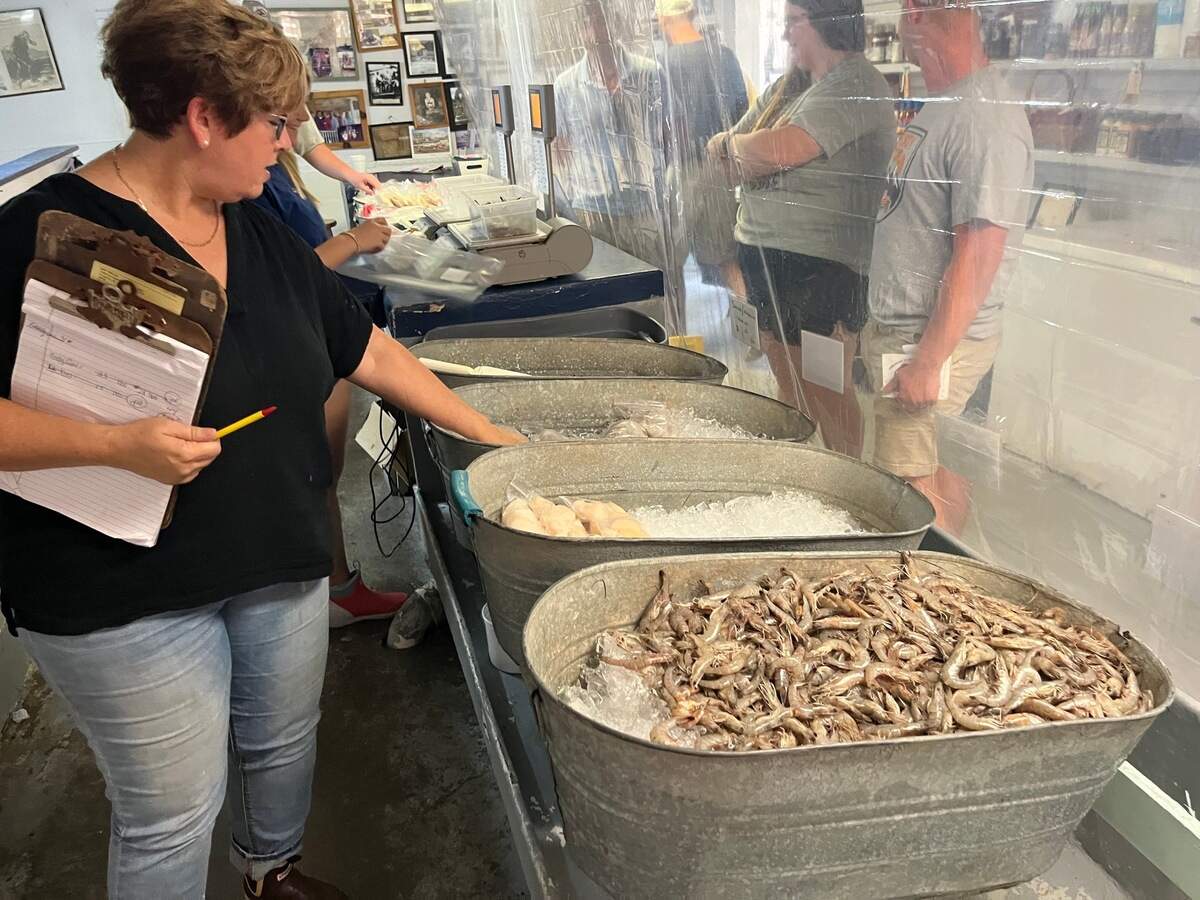
“We would have to build back up the work force,” says Cyndy Carr of Gay Fish Co. , a family-owned shrimp company on St. Helena Island.
President Donald Trump announced his latest protectionist moves Thursday: A 19% tariff on Indonesia and the 20% tariff on Vietnam. Those tariffs on imported goods include shrimp.
South Carolina shrimpers who catch wild shrimp in local waters have been been lobbying for years for rule changes to curb a glut of cheap foreign shrimp, raised in ponds, being sold in domestic markets. The competition has driven many South Carolina shrimpers out of the water or left them struggling to stay afloat, industry officials say.
“Too many American shrimpers have spent the last two seasons tied up at the dock,” John Williams, executive director of the Southern Shrimp Alliance (SSA), said in a news release about the tariffs on goods from Vietnam and Indonesia.
The organization is made up of shrimp fishermen and processors in Alabama, Florida, Georgia, Louisiana, Mississippi, North Carolina, South Carolina and Texas.
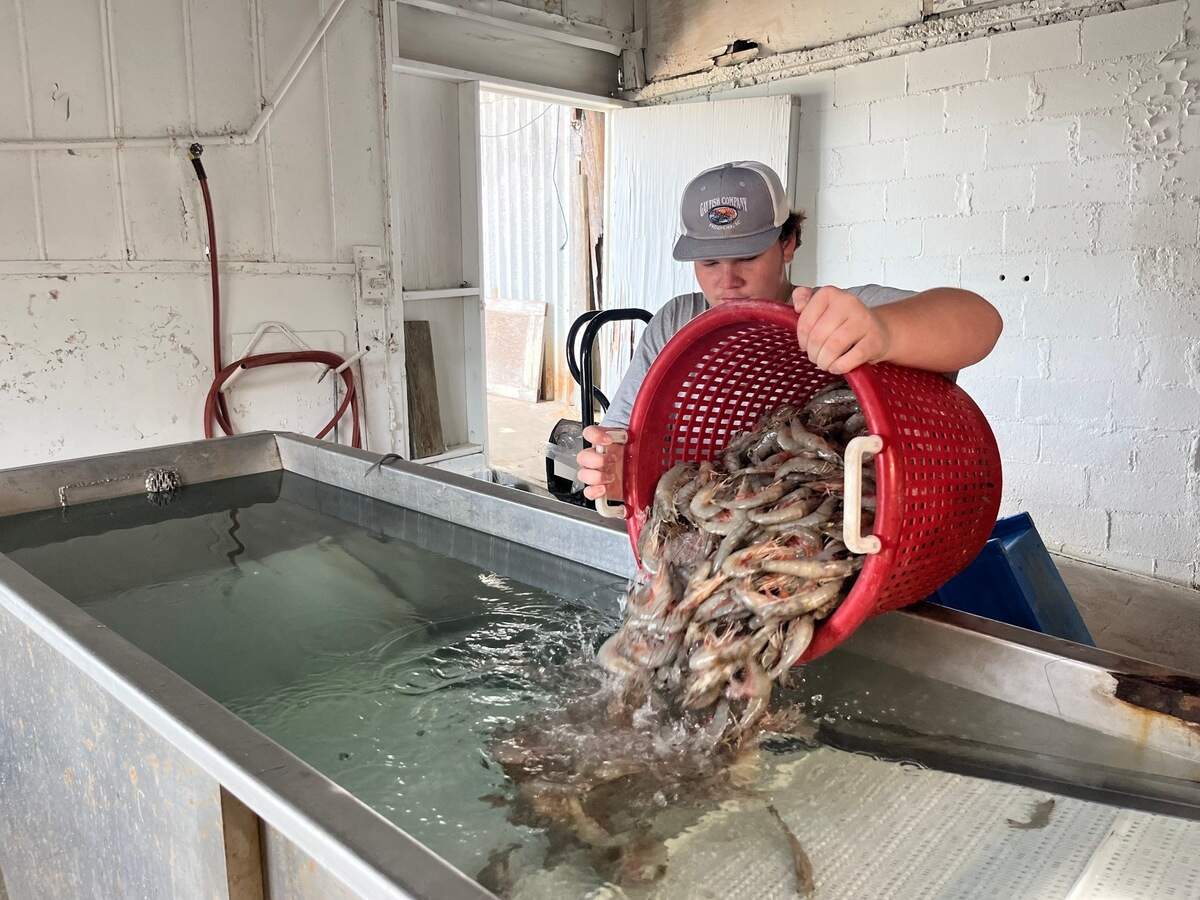
Williams welcomes the tariffs. So does Carr, whose family has been in the shrimping business for 75 years. It’s currently in the midst of a $500,000 renovation of its docks where shrimp boats that have returned from fishing are part of the scenery for passing motorists on Sea Island Parkway.
Carr hopes the tariffs will bring awareness to the problem of too much foreign shrimp and its impact on South Carolina fishermen.
But Carr is a realist too. A market correction won’t happen immediately, she notes. One reason is so much shrimp already has been imported, she says. Another is a marked drop in the number of local shrimpers. South Carolina, she says, needs “to get some guys out there shrimping again.”
Trump unveils tariffs
Trump’s latest tariffs come a little over a month following the opening day of shrimp trawling season for white shrimp in South Carolina. Higher prices and lower input costs had fishermen optimistic for the first time in years and strong numbers of shrimpers returned to area waters for the opener.
But frustration remains high. Later in June, the South Carolina Shrimpers Association sued 40 Charleston-area restaurants. Their allegation: the restaurants were serving foreign shrimp but advertising it as South Carolina shrimp, which was like rubbing salt in the wound in light of the trade issues.
When he first unveiled sweeping and steep tariffs in April, Trump claimed they would address trade deficits and unfair practices. Since then, debate continues on whether they will help or hurt the economy and which industries will benefit. But the shrimping industry, which continues to battle a surge in imported shrimp, has come down firmly on the side of the tariffs.
The tariffs against Vietnam and Indonesia will enable U.S. fishermen to increase production “and be an economic boon to coastal communities,” Williams stated.
Shrimping workforce needs to be rebuilt
Carr, of the Gay Fish Co., says a few simple menu changes by restaurants would go a long way in helping area shrimpers sell more local shrimp.
Farm-raised shrimp from other countries are often raised in ponds, a controlled environment, so the weight and size can be controlled, Carr says. That reliability can make it easier for restaurants to plan menus, Carr said. Shrimpers that catch shrimp in the wild, on the other hand, can’t control the size of what they catch, which depends on a variety of factors including the weather and season. If restaurants could learn to adjust their menus to reflect the seasonal conditions and catches, it would help local shrimpers, Carr says.
When fishing for wild shrimp, Carr notes, “You are not always going to get a standard sized product.”
Gay Fish Co. does not sell shrimp to any local restaurants at this time, Carr says. She hopes that can change.
“We welcome the tariffs,” says Carr, “and what we sell here, we’re proud of that product.”
.jpeg "shrimp gay fis_fitted (1).jpeg")
Surge of shrimp
The Trump administration’s recently announced tariff deals with Vietnam and Indonesia also include commitments from Indonesia to adopt laws prohibiting importing goods produced through forced labor, better enforcement of its labor laws and combating illegal fishing, the SSA said.
The U.S. shrimp industry is calling for similar tariffs against Ecuador and India. Shrimp imports have surged 11.4% over the first five months of 2025, SSA says, with Ecuador and India accounting for 52.8 million pounds or 70% of the increase.
In making its case for restrictions on imports, SSA cites figures from the U.S. International Trade Commission that says foreign shrimp comprises a 93% of all shrimp consumed in the United States, with four countries dominating imports in 2024:
▪ India: 656.4 million pounds or 38.4% of shrimp imports
▪ Ecuador: 433.8 million pounds, 25.4%
▪ Indonesia: 297.1 million pounds, 17.4%
▪ Vietnam: 152.1 million pounds, 8.9%
Shrimp supply chain outsourced
Trump initially announced a flurry of steep tariffs on a number of countries in April. The tariff for Indonesian goods was 32% and 46% for Vietnamese goods.
A day later he approved a 90-day pause to allow for negotiations.
Shrimpers say the threat of the steep tariffs and subsequent talks pressured the countries to combat unethical practices and open markets in order to maintain access to the U.S. market.
Other major markets, such as the European Union and Japan, take steps to prevent contaminated shrimp from reaching consumers, according to SSA. However, the group says the United States remains an open market for problematic shrimp from some countries including Ecuador and India, which undercuts better-regulated American shrimpers. Documented practices in those countries, SSA says, include forced and child labor and the use of banned antibiotics.
This story was originally published July 27, 2025 at 5:00 AM.