Seafood scandal? SC shrimpers sue 40 restaurants for shrimp fraud
The war over imported farm-raised shrimp being sold in restaurants in South Carolina — whose rich coastal waters already are teeming with wild shrimp and local shrimpers who earn a living catching them — is heating up in U.S. District Court, where a new lawsuit takes aim at dozens of Charleston restaurants for “shrimp fraud.”
The lawsuit in U.S. District Court in Charleston, brought by the South Carolina Shrimpers Association, accuses 40 Charleston-area restaurants of breaking state and federal laws for advertising South Carolina seafood but serving foreign shrimp, which some consumers might find shocking on the coast of the Atlantic Ocean.
“We want to set a precedent across the state: if you violate the law and get caught there’s consequences,” Gedney Howe IV, an attorney representing the shrimpers, told the Beaufort Gazette and Island Packet.
It may be the first time a state fraud law has been applied to seafood sales on this scale, Howe added.
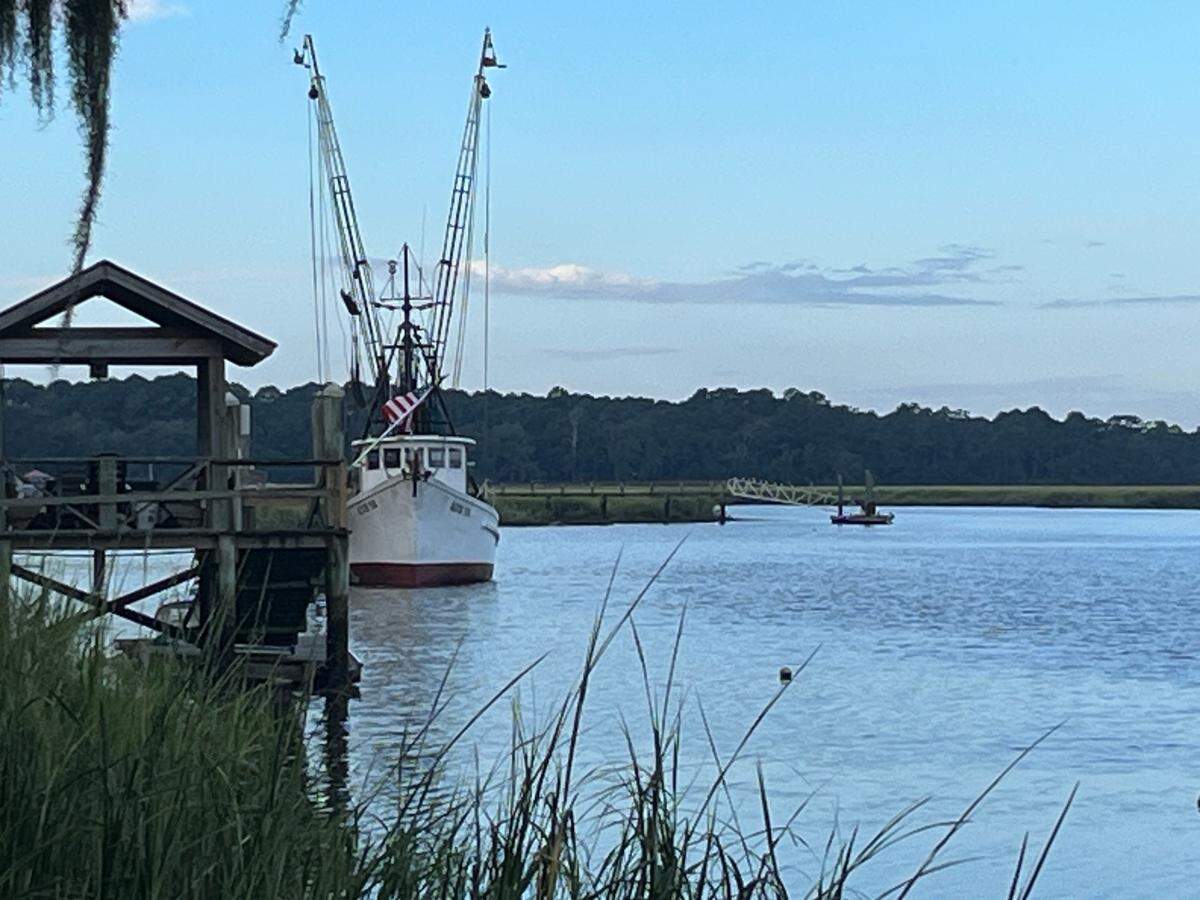
The unusual legal action is the latest salvo fired by the shrimpers in South Carolina where shrimp is the No. 1 seafood. Scenes of shrimp boats on the water or tied up to docks are iconic but shrimpers say they are struggling to compete with foreign imports and it doesn’t help when restaurants are selling the imported seafood and advertising it as “Carolina Caught.”
The industry already is backing undercover investigations of the origin of seafood being sold across eight states. Threatened tariffs by the Trump administration have also cast a spotlight on unfair trade practices shrimpers say they are facing.
Here’s five things to know about the lawsuit, which Howe says is an attempt to fix a broken system and set up enforcement mechanisms to eliminate false advertising of shrimp.
1. Who are the restaurants?
The defendants are 40 restaurants whose true names and identifies are not known.
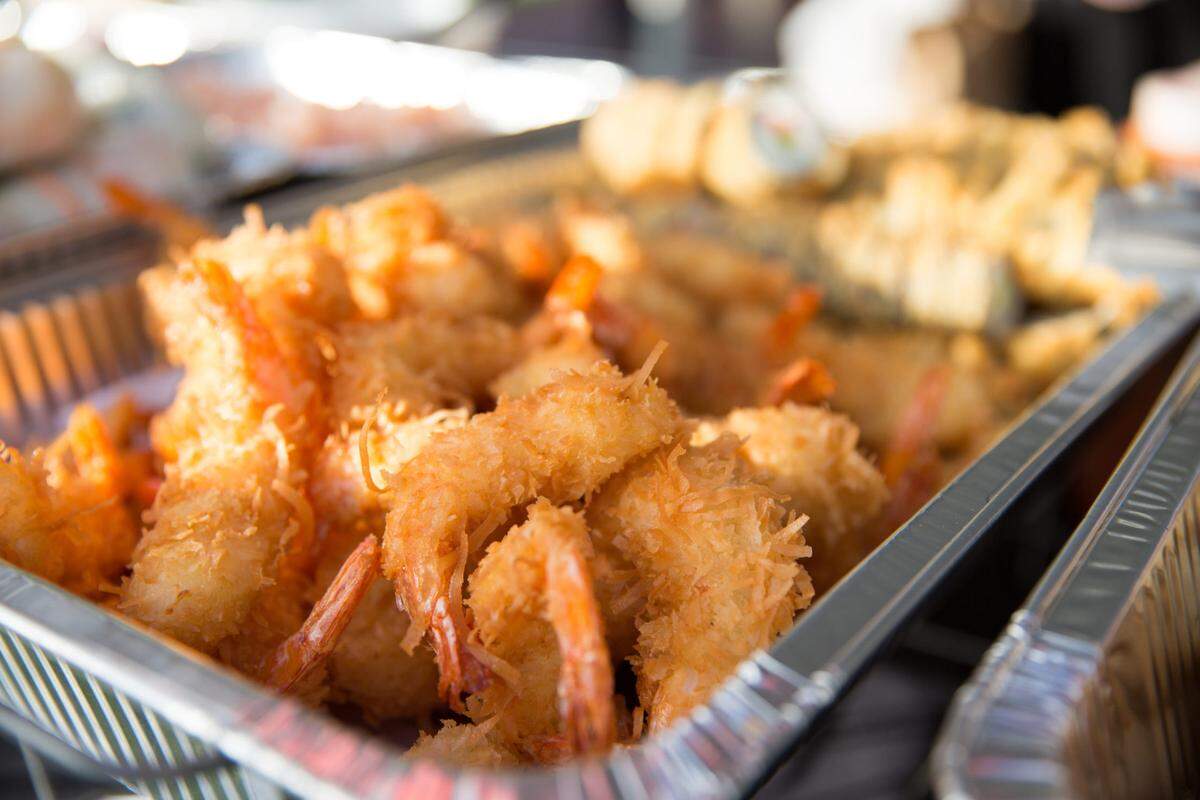
However, the legal action cites 40 Charleston-area restaurants that were identified, but not publicly named, in a recent undercover testing operation conducted by SeaD Consulting on behalf of the Southern Shrimp Alliance (SSA), an eight-state group, including South Carolina, representing shrimping interests. It’s in the midst of a sweeping campaign to raise awareness about the impact of imported shrimp on the local industry. SeaD has tested more than 300 restaurants across the eight warm-water shrimp states. Testing in Charleston, completed in May, showed 40 of the 44 restaurants, or 90%, falsely advertised where the shrimp originated, according to SSA. SeaD called the results a “food fraud scandal” in the heart of the Lowcountry.
Since the lawsuit was filed on June 13, Howe says, his office has received additional calls from up and down the coast about similar problems. If additional testing occurs, more restaurants might be added to the case, he said.
2. Why it matters
Restaurants can charge more for locally caught shrimp in South Carolina, where annual commercial shrimp landings range between 1.3 to 6.8 million pounds.
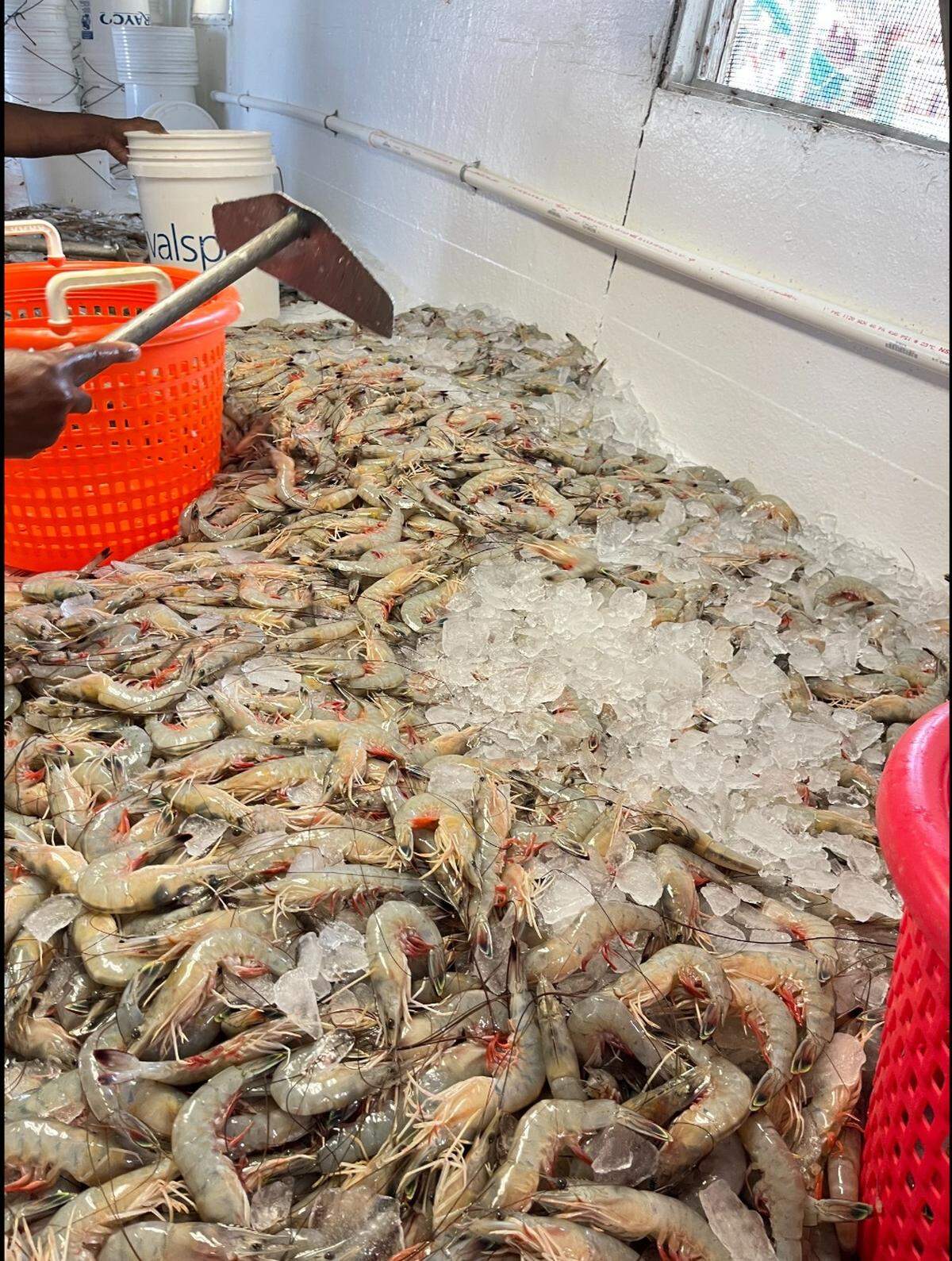
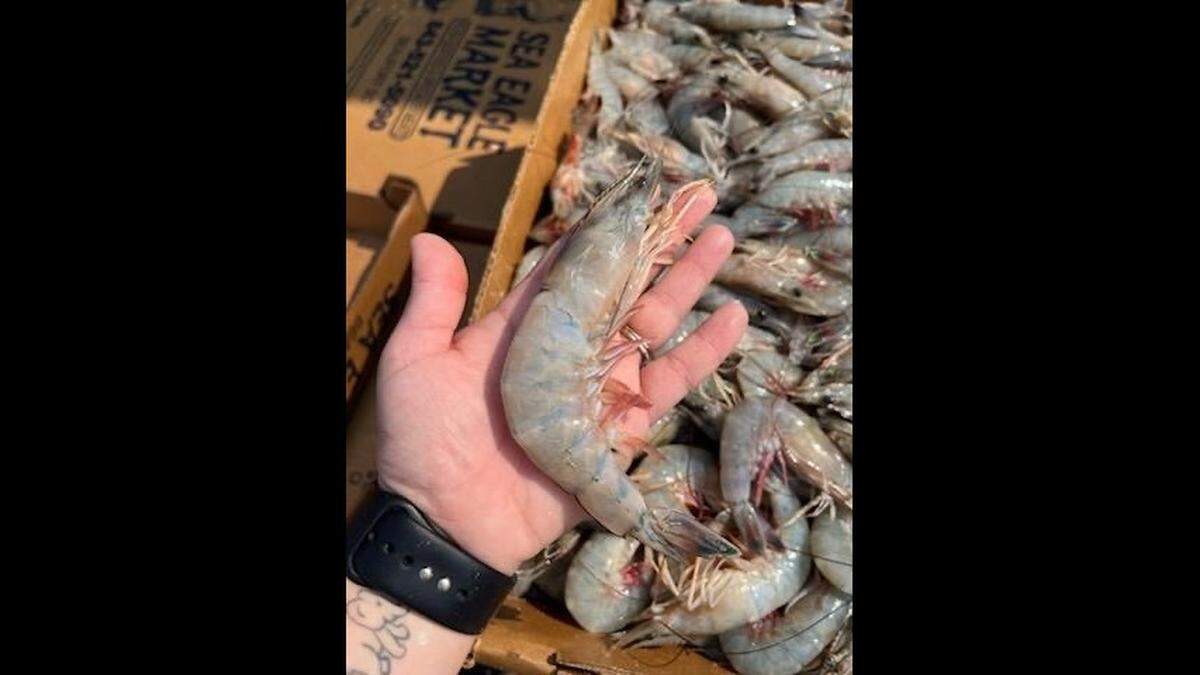
SSA also says imported shrimp doesn’t face the same health regulations as U.S. caught shrimp and is raised in ponds. Shrimpers say imported shrimp being sold by restaurants is putting them out of business.
Shrimping also is essential to the state’s history and culture, Howe adds. “It’s an industry we have seen in decline because some restaurants are choosing the easy way out and buying this imported shrimp and misrepresenting them as being local shrimp,” he says.
3. What else is being done?
SSA says its shrimp origin tests at restaurants have shocked consumers and spurred local campaigns to raise awareness and guidance for restaurants and even law changes.
Texas passed a law prohibiting the false marketing of imported shrimp in restaurants. Mississippi amended its law to require disclosure of whether seafood offered for sale at retail and in food service establishments is imported or domestic. A labeling law was defeated in Georgia.
There is no labeling law in South Carolina but the S.C. Shrimpers Association is urging lawmakers to take up a country of origin menu law during the next legislative session. In the meantime, the lawsuit seeks to have existing fraud laws that are not specific to seafood enforced in this case.
4. Here’s the legal argument
Photos of fishing boats and signs such as “eat local” and “we catch ‘em” falsely suggests to customers that the restaurants are affiliated with the local seafood industry and that the product being service was caught locally. In fact, the lawsuit says, the restaurants knowingly served cheaper shrimp that was farmed or harvested out of state or even imported from foreign markets such as Ecuador, India, Vietnam and China.
Those representations defraud consumers and divert sales away from legitimate local shrimpers, the lawsuit claims, violating both the federal Lanham Act and the the South Carolina Unfair Trade Practices Act.
The state law bans representing a food product as being from South Carolina when it’s not. Howe thinks this case may be the first time that law has been applied specifically to the sale of shrimp at restaurants. “It seems to be precisely what the statute aims to prevent,” Howe says.
The federal law prohibits false advertising.
The lawsuit asks for damages to be determined at trial including punitive damages for “disgorgement of fraudulently earned profits.” Howe says the funds, if awarded, would be used by The South Carolina Shrimpers Association for education. The shrimpers are also seeking a temporary restraining order.
5. What’s the reaction in Beaufort County?
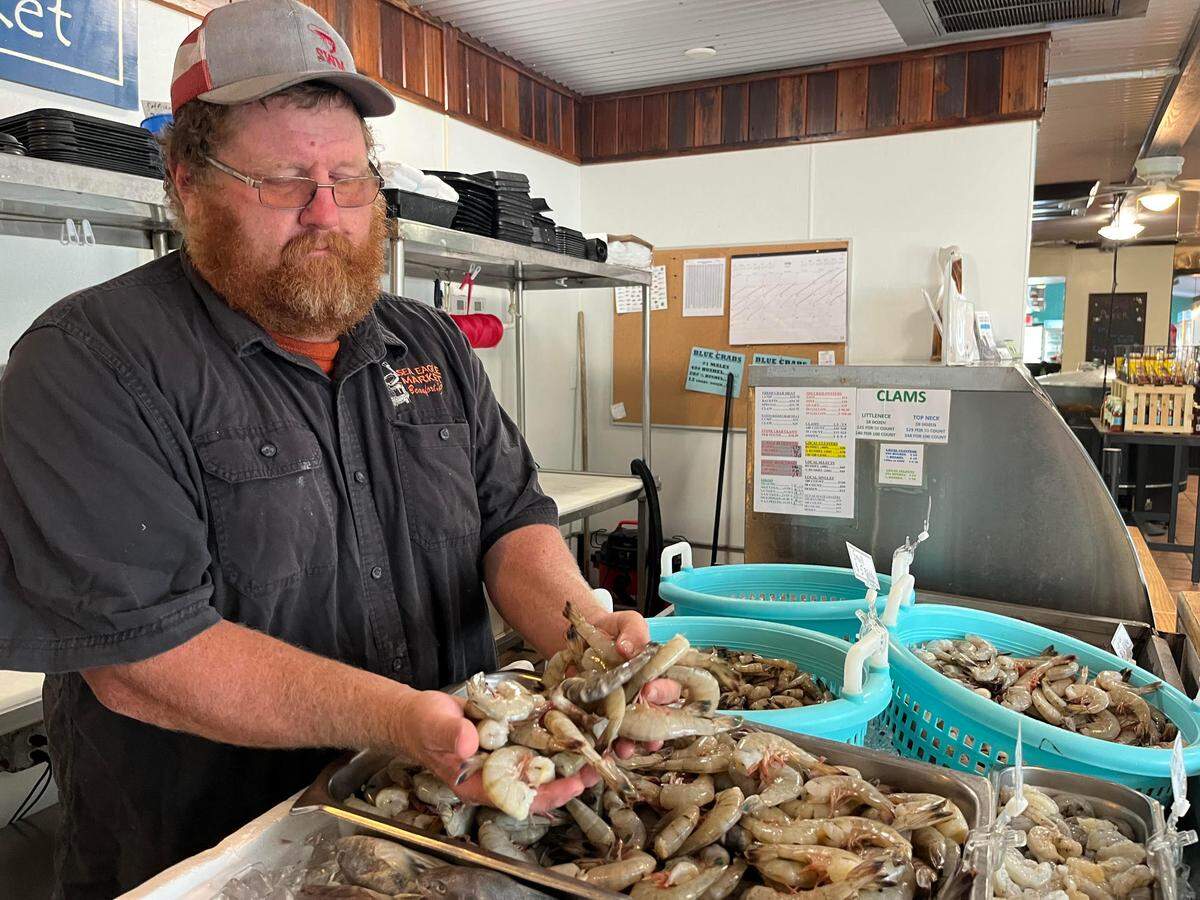
Craig Reaves, a local shrimper who owns Sea Eagle Market in Beaufort and also serves on the boards of the Southern Shrimp Alliance and the Beaufort Area Hospitality Association (BAHA), says seafood fraud is a problem all over. Ironically, he adds, “it seems the closer you are to the source the greater the fraud.”
“It’s unbelievable people would come from all over the country expecting to get local seafood and it be represented as such and then be served pond-raised garbage from India,” Reaves says.
BAHA board members are now discussing a way to verify and certify restaurants that sell seafood from local waters, beginning with shrimp, Reaves said, “so we can identify the restaurants that are supporting the local seafood industry.”
Push back might come from some restaurants who have been taking advantage of “the iconic value of the seafood for decade, “Reaves says.
But Reaves is quick to add that not all restaurants are selling imported seafood. Beaufort, he says, has incredible chefs and restaurants that buy local. The certification would be a way to promote those restaurants and encourage others to join them. The certification may involve a sticker or a logo that can be displayed at the restaurant and on the menu.
BAHA President Ashlee Houck says it’s possible seafood at restaurants in Beaufort could be tested in the future as part of SSA’s undercover inspections and “I don’t want to see what happened to Charleston come to our little town.”
The organization doesn’t just represent hotels and restaurants, she noted, but the local seafood industry is well. That’s why BAHA is taking up the certification issue. All the sectors, she adds, need to work together.
“Visitors expect to eat fresh shrimp just off the docks,” she said. “We need preserve not only our culture but the livelihood of the people in our community.”
She says 15 to 20 restaurants in northern Beaufort County already are ready to participate.
This story was originally published June 20, 2025 at 1:23 PM.