SC shrimpers supported Trump’s steep tariffs. Here’s what they think about 90-day pause
When President Donald Trump announced steep tariffs on many countries including shrimp-producing nations, the U.S. shrimping industry applauded saying the move would stem foreign competitors from dumping shrimp raised on aquaculture farms into the U.S. market hurting local shrimpers who catch and market wild shrimp.
Then on Wednesday afternoon, Trump said he was placing a 90-day pause on the steep tariffs, including those on shrimp, which were set to go into effect immediately. A 10% rate will be in effect in the meantime.
The Southern Shrimping Alliance’s (SSA) response was still positive in the wake of the president’s latest shift, saying the pause and tariff reductions will allow for negotiations on the tariffs and other issues including trade barriers, currency manipulation and non-monetary tariffs, which are rules that dictate how a product can be manufactured, handled or advertised.
“It is encouraging that the Trump Administration’s tariffs have prompted countries to show a new willingness to address trade policies disadvantaging American producers,” John Williams, SSA’s executive director, said in statement. “We want to compete in a market where competitors cannot use intolerable practices like forced labor and banned antibiotics to undercut us.”
SSA contends that U.S. investment in foreign shrimp aquaculture development projects through international financial institutions like the World Bank promotes production of low-cost shrimp in countries such as India and Ecuador that are then sold in the U.S. market in competition with U.S. shrimpers catching wild shrimp in local waters.
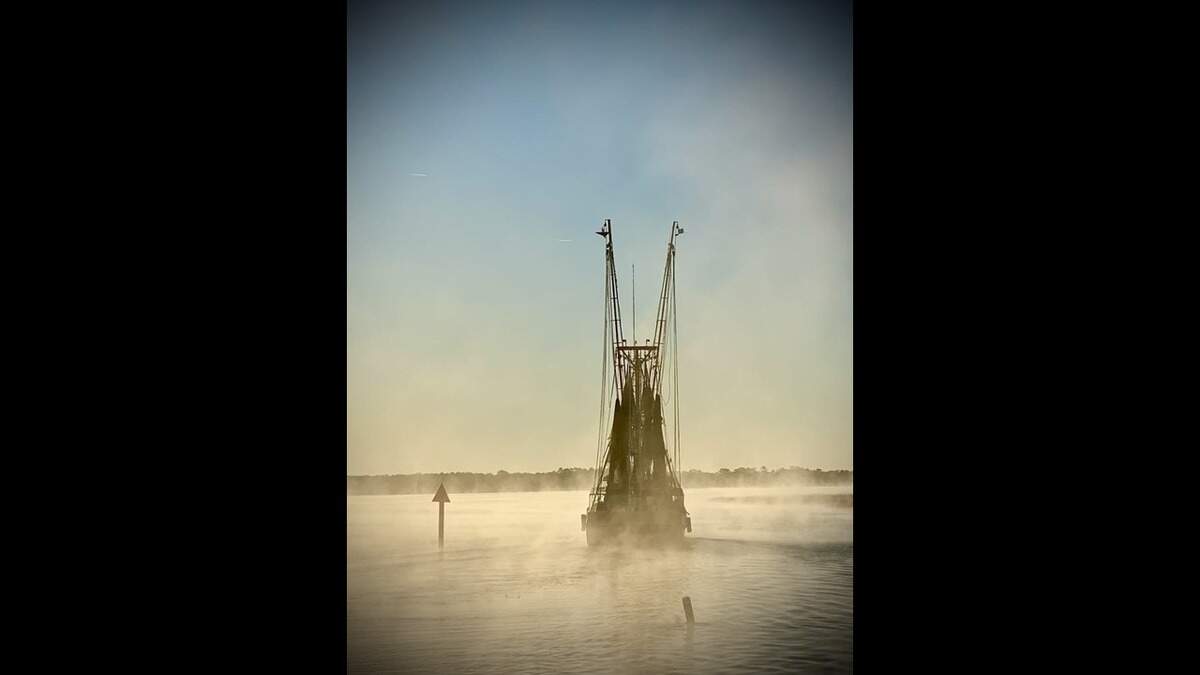
SSA also says multiple human rights groups, investigative journalists and government agencies have documented evidence of forced labor in the world’s shrimp supply chains. The Department of Labor added India, the largest supplier of shrimp to the U.S. market (42% of all imports), to its 2024 List of Goods Produced with Child or Forced Labor, SSA says.
The trade group also says the United States, European Union and Japan have found evidence that farmed shrimp from India and Vietnam present unique risks of contamination with banned antibiotics.
“Failing to act immediately risks outsourcing America’s most consumed seafood to industries that engage in horrible practices and losing our commercial domestic shrimp industry,” Williams says.
The spring harvest of whole, head-on white roe shrimp in South Carolina begins this month. The spring catch averages about 593,000 pounds, the according to the South Carolina Department of Natural Resources. The dockside value of that catch has averaged $1.9 million in recent years.