SC shrimp opener draws a crowd in Beaufort as new season dawns for ‘white boot warriors’
“White boot warriors” — commercial fishermen known for their distinctive and practical rubber boots — are returning to the sea in strong numbers this spring in search of white shrimp thanks to higher prices and lower input costs that have them cautiously optimistic for the first time in years as the general trawling season gets underway.
“It’s a crowd,” Capt. Skip Toomer of Coastline Shrimp, the captain of the Jesus Lives shrimp boat, noted as he who took a video of multiple boats fishing near Fripp and Pritchards islands in northern Beaufort County on the opening day of the shrimp trawling season Monday.
Craig Reaves, a commercial fisherman from Beaufort who owns Sea Eagle Market, said one of his crews counted 35 boats from Georgia, the Carolinas and Florida off of Fripp, which is about double the number from last year. Another 30 or so boats began the season north of Kiawah Island, up the coast from Beaufort County, he said.
At Gay Fish Co. on St. Helena Island, meanwhile, Gay Fish’s Cyndy Carr says boat crews are shaking the winter dust off of their vessels and responding to typical mechanical issues that occasionally arise early in the season.
“They don’t call them white boot warriors for nothing,” Carr says of the resilience of shrimp fishermen. “When it’s something that you love to do, you keep on doing it.”
Four boats unloaded 2,500 to 3,000 pounds of mostly white shrimp at the venerable Gay Shrimp docks on opening day. Carr is cautiously optimistic about the upcoming season.
Here’s 10 answers about the SC shrimp season:
1. What kind of shrimp are harvested?
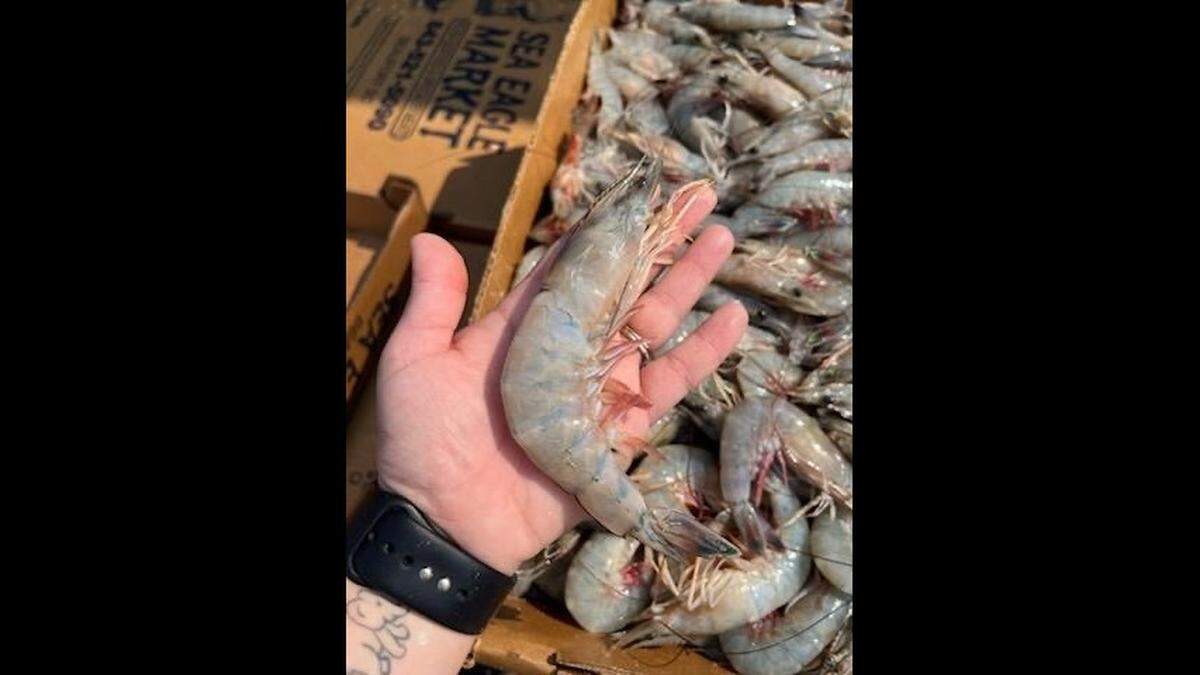
Right now, the shrimpers are capitalizing on the influx of roe white shrimp. These are large, early-season shrimp that generally fetch higher prices. The summer months are defined by a peak in brown shrimp, which are similar to white shrimp in size and taste. In the fall and into winter, shrimpers bring in a second crop of white shrimp, which are the offspring of the spring roe shrimp.
Adults may be 5 to 8 inches in length.
2. Where are they caught?
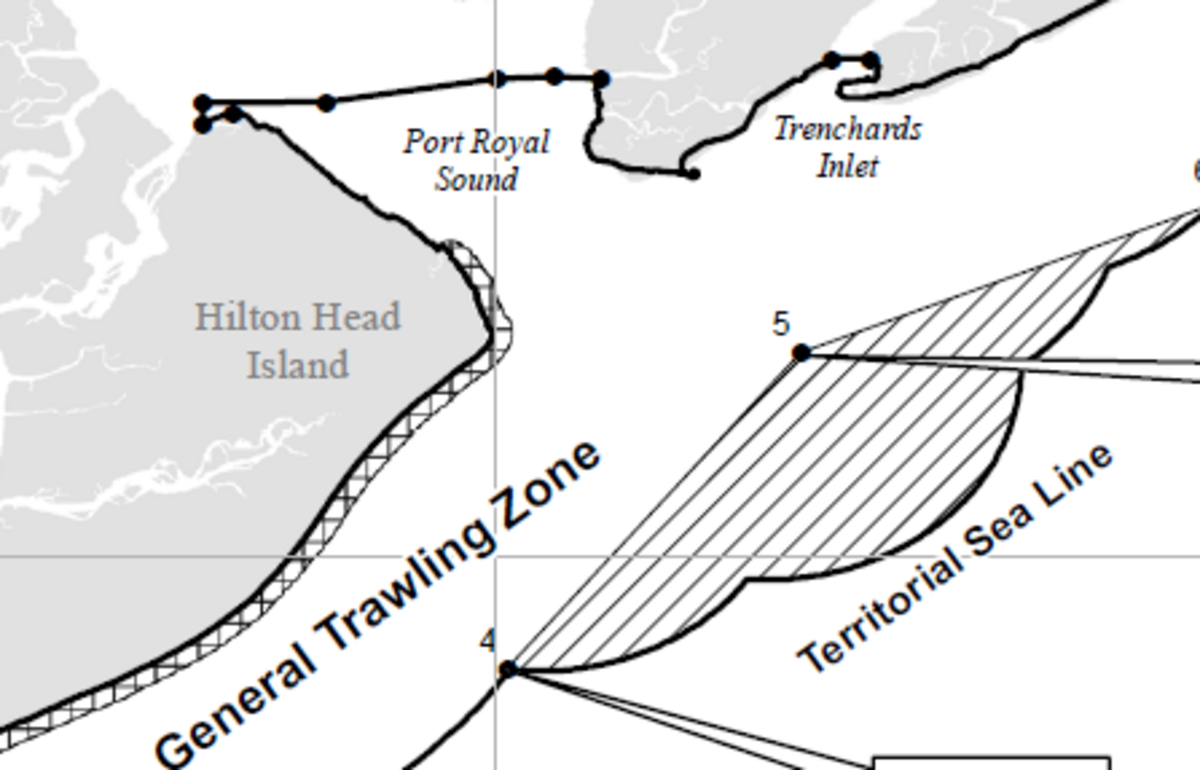
All legal state waters are now open. That means areas close to shore and as far out as five miles. In an average year, general shrimp season, for all legal waters, opens in full by late spring, according to the South Carolina Department of Natural Resources (SCDNR). The general opening typically follows the opening of eight smaller provisional areas in the state’s outer waters. The early opening of these provisional areas farther from shore allows shrimpers to begin harvesting some larger white shrimp from while protecting most of the spawning population closer to shore.
This year, those provisional areas opened on April 24. The general shrimp season in state waters — sometimes called the “beach opener” —opened at 8 a.m. Monday.
3. How the shrimp are caught?
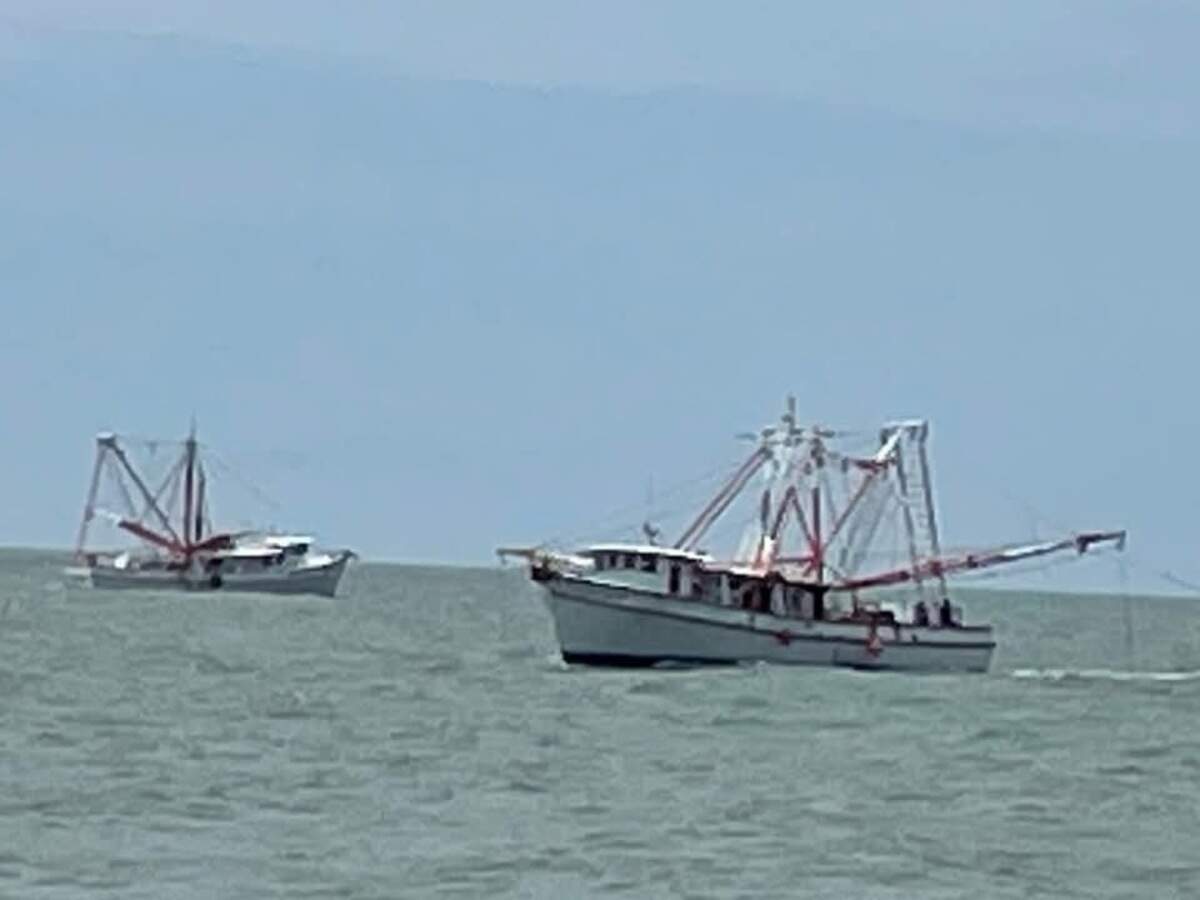
The shrimp trawlers have outriggers — the long arms that stick out from both sides of the vessels — with drag nets that sweep up shrimp from the ocean.
4. Who cares when the season opens?
Opening the season too soon — and allowing trawlers to catch too many females that have not had an opportunity to spawn — could reduce the size of the fall white shrimp crop, which are the offspring of the spring white shrimp, according to (SCDNR)
5. How is the condition of shrimp checked?
Aboard both commercial and agency vessels, biologists sample and study white shrimp frequently in late spring. One of the things they’re looking for is evidence that a majority of female white shrimp have already spawned at least once. SCDNR officials set the opening date based on the conditions of the shrimp.
Because white shrimp are a short-lived species that are sensitive to cold water temperatures and unusually wet or dry summers, their numbers can fluctuate dramatically from year to year. However, they’re also prolific spawners.
6. How did the January freeze affect the crop?
Shrimpers got a scare this winter when when a spate of freezing temperatures hit the region threatening the temperature-sensitive shrimp.
On Jan. 31, the SCDNR closed the general trawl zone, which is closer to shore, to commercial shrimp fishing to protect overwintering stock.
“Although we did have a cold snap in late January, white shrimp numbers across South Carolina’s estuaries have generally been near the long-term average this winter and spring,” biologist Jeff Brunson of the South Carolina Department of Natural Resources (SCDNR), said in a news release this week.
Gay Fish’s Carr said she’s hoping for a good season but she still has concerns. “It’s still to be determined what the cold weather we had earlier in the year may have done to the crop,” she said.
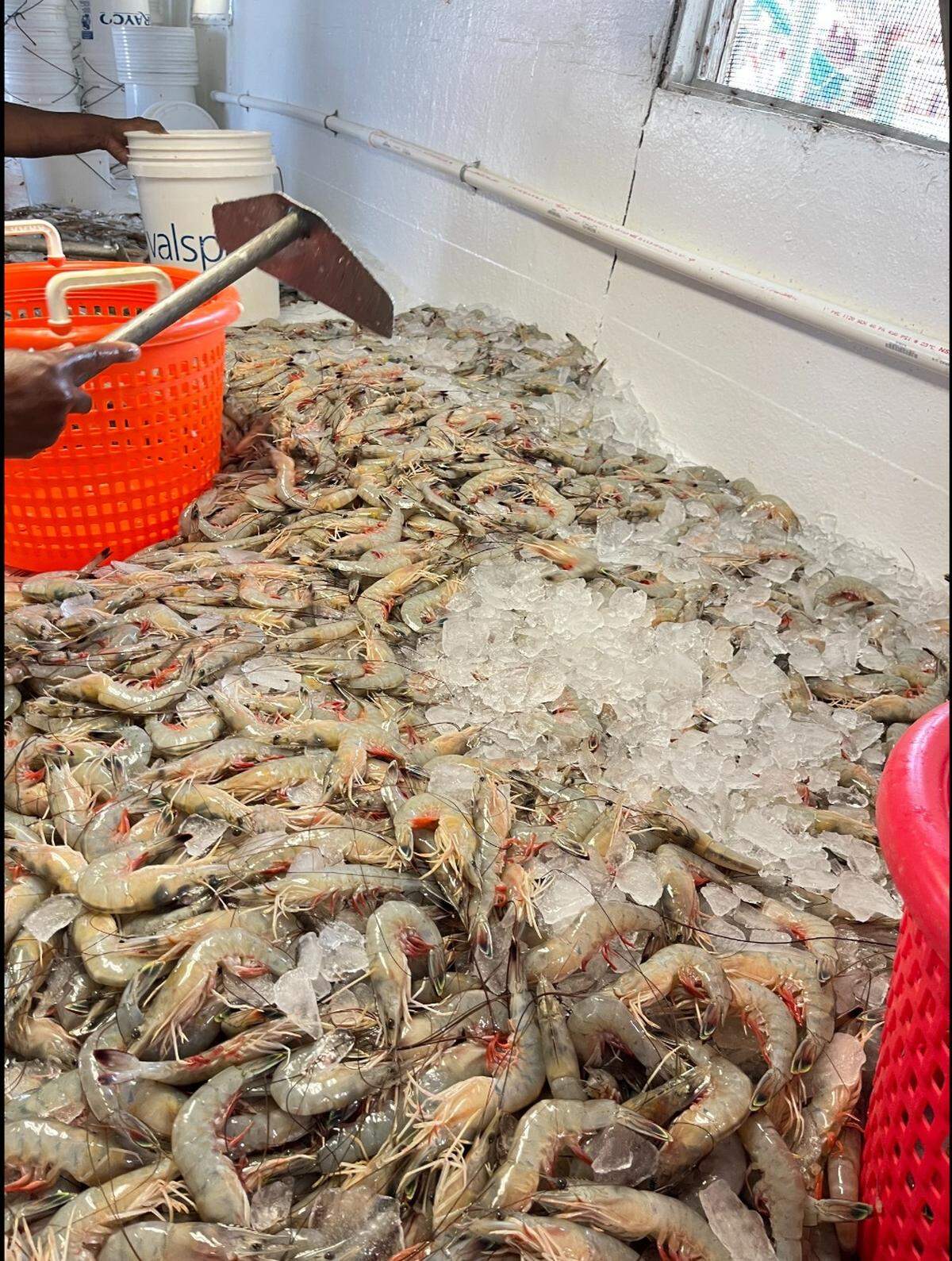
“We definitely had shrimp that didn’t make it through winter,” says Sea Eagle Market’s Reaves, “but there’s definitely enough shrimp to provide us with a nice fall crop of white shrimp.”
7. How are the prices?
The boat or dock price is up 50 cents to $1 a pound from last year, which translates to $1 to $2 at the retail setting, Reaves said. That’s in marked contrast to the last few years when prices suffered during the COVID-19 pandemic when international producers of farm-raised shrimp dumped large quantities into domestic markets. At the same time, the cost of diesel fuel is down by half. “That is definitely helping our fleet to do better than the recent handful of years,” Reaves said.
8. Why did so many shrimp boats show up for the opener?
The 35 or so boats that were seen on opening day near Fripp is an increase compared to the few years. Last year, for example, the number that of trawlers that fished near Fripp and Pritchards islands was about 18. The higher price for shrimp and lower fuel cost is driving the interest, Reaves says. But the higher number is not unusual when compared to the years prior to the recent drop in prices. “Yes it is up from the last two or three years but it’s kind of normal for opening day to have a big crowd and then within two or three days the crowd has gone back home,” Reaves said.
%20(1)_fitted%20(1).jpeg "Resized_image000001(4) (1)_fitted (1).jpeg")
9. Are Trump’s tariffs affecting shrimping?
After the Trump administration took over in January, it was initially announced that tariffs had been placed on six countries that account for 96% of U.S. shrimp imports, according to the Southern Shrimp Alliance (SSA). The tariffs were welcomed by South Carolina. In recent years, they argue, the industry has lost 50% of its market value, forcing many shrimpers on the southern coast to tie up their boats, as a result of foreign competitors dumping billions of pounds of antibiotic-filled farm-raised shrimp — some of it subsidized with U.S. tax dollars — into the domestic market.
The administration later announced it was placing a 90-day pause on the steep tariffs, including those on shrimp, which were set to go into effect immediately. A 10% rate will be in effect in the meantime.
A benefit of the tariff discussion is it provided an opportunity for the shrimping industry to educate consumers that 94% of shrimp consumed in the country is imported, Reaves said. “It’s really important to know where your seafood comes from because this imported shrimp is not a healthy option,” he says.
10. Am I eating locally-caught shrimp?
Efforts are underway now by the Beaufort Area Hospitality Association to establish a program that will publicize which restaurants are serving domestically caught seafood, Reaves said. The Southern Shrimp Alliance also continues to conduct genetic tests locally sold shrimp to determine its origin and then publishing the results.
This story was originally published June 3, 2025 at 12:51 PM.