Exclusive: Richard Petty talks life, death and NASCAR racing on eve of Daytona 500
READ MORE
Sports Legends of the Carolinas
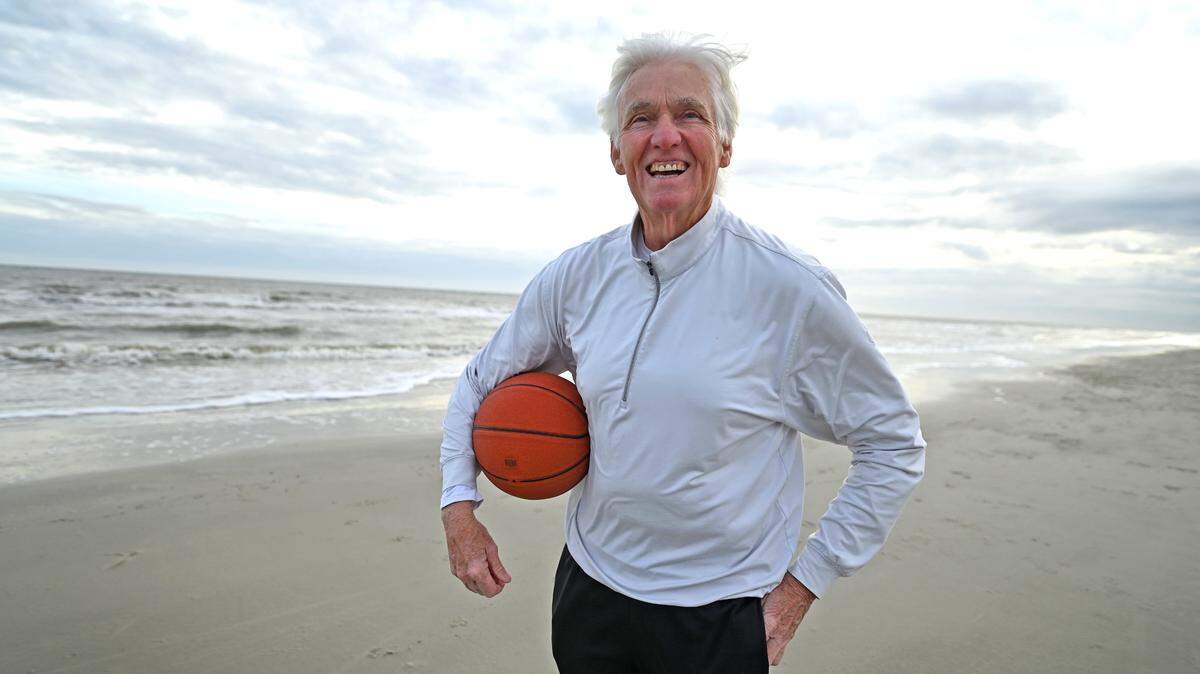
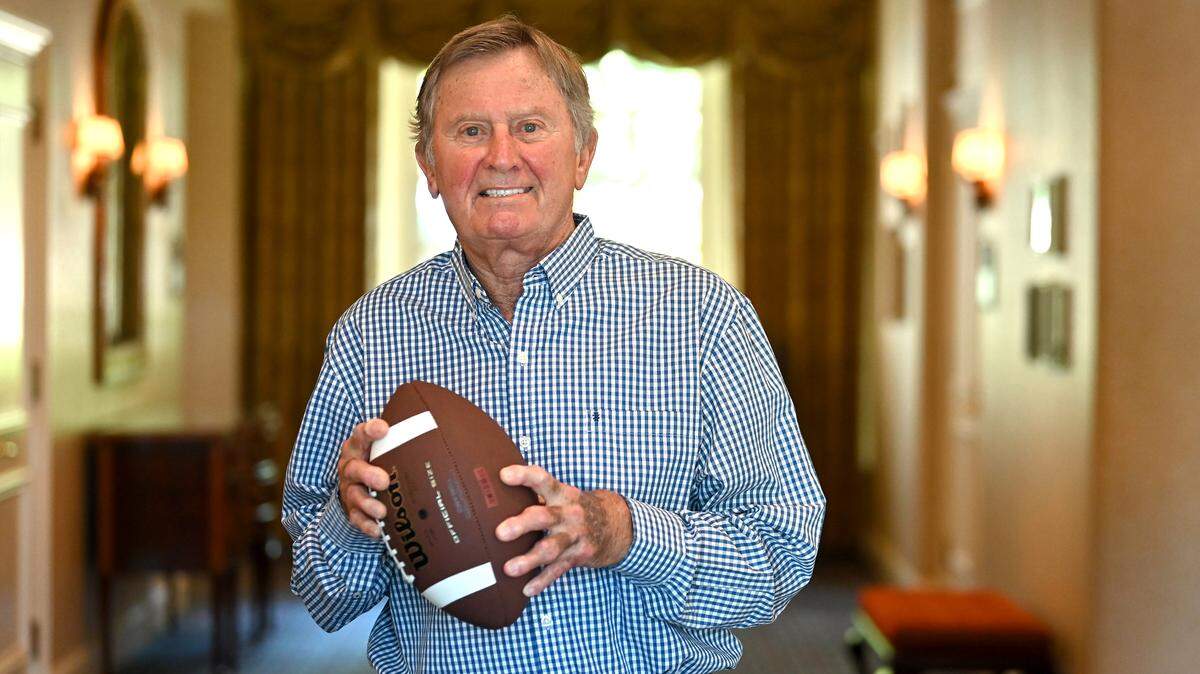
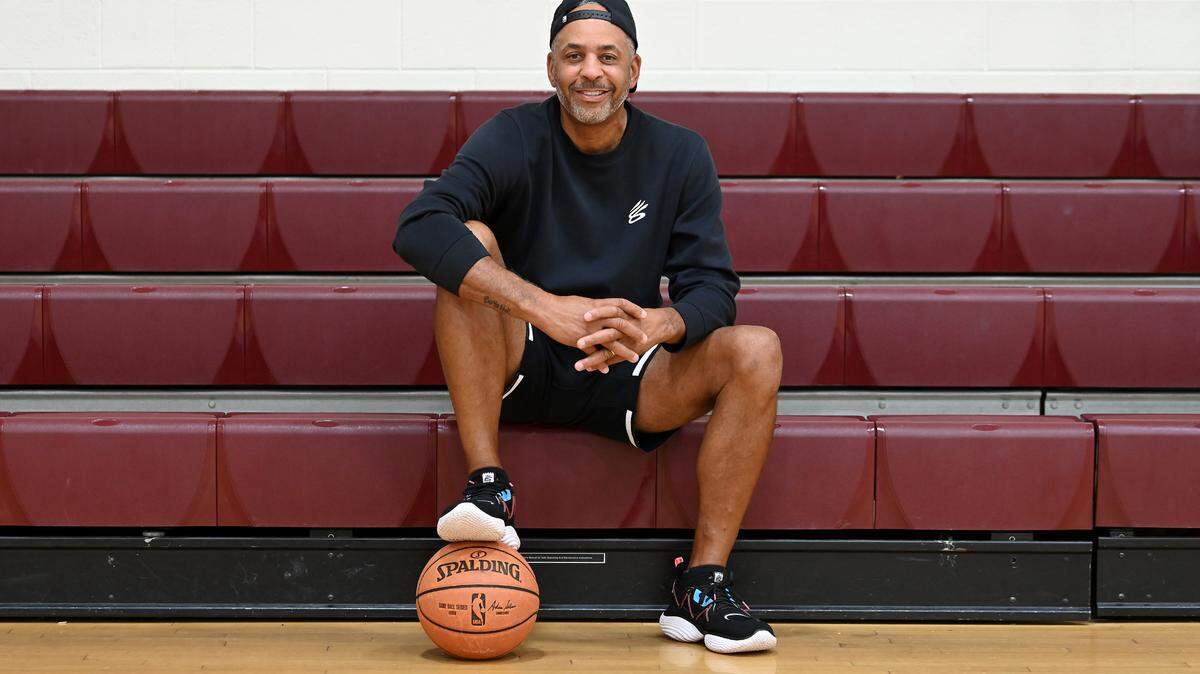
We know they’re legends. But what’s their side of the story? Conversations with the best in Carolina sports history, hosted by Scott Fowler.
Expand All
Richard Petty is 86 years old now, and his seven NASCAR Cup championships and record 200 wins at the sport’s highest level came long ago.
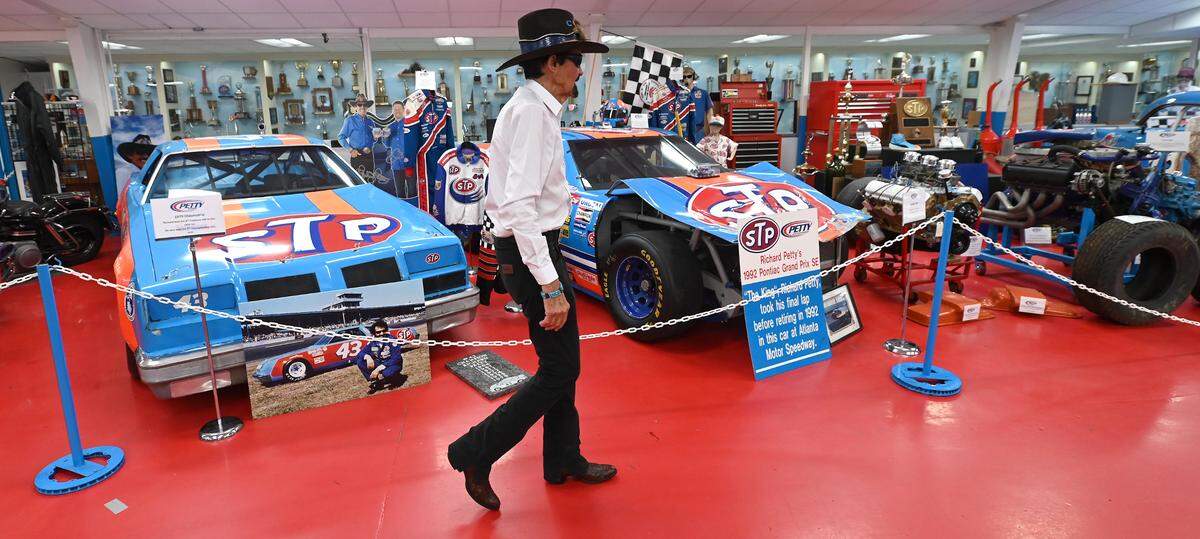
But Petty is still going strong in Level Cross (pop. 3,694), which sits right in the middle of Charlotte and Raleigh. Petty still lives a stone’s throw from the house where he was born, and that house sits right next to the Richard Petty Museum, which houses an incredible amount of his stuff.
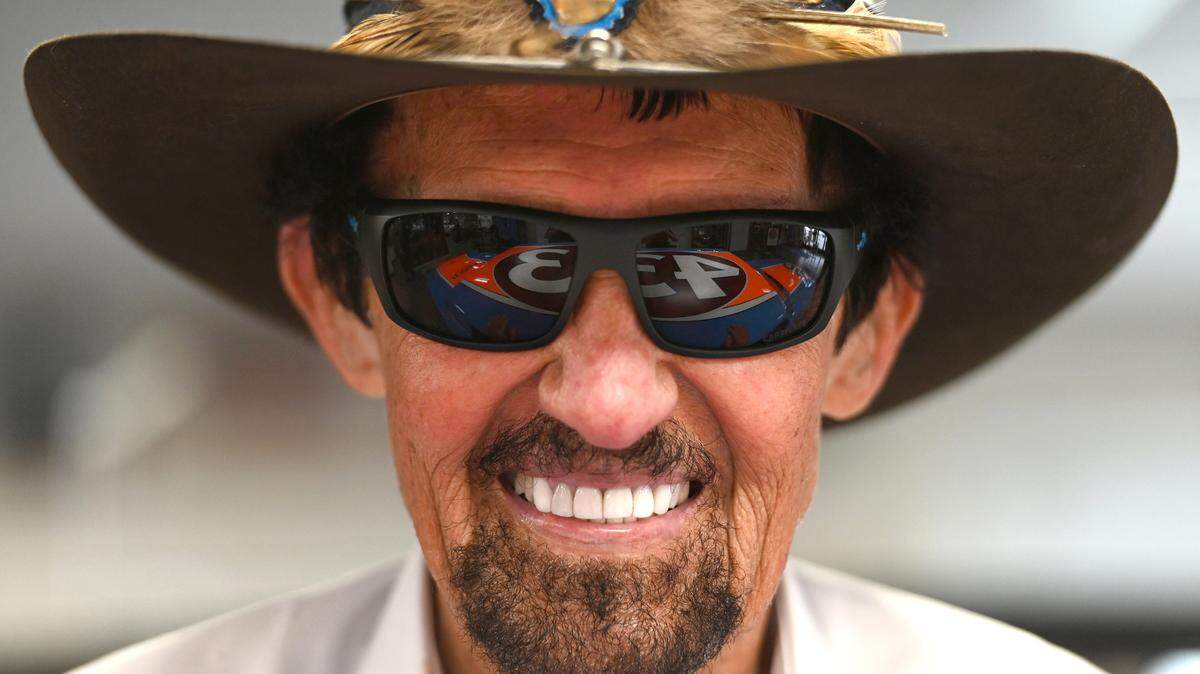
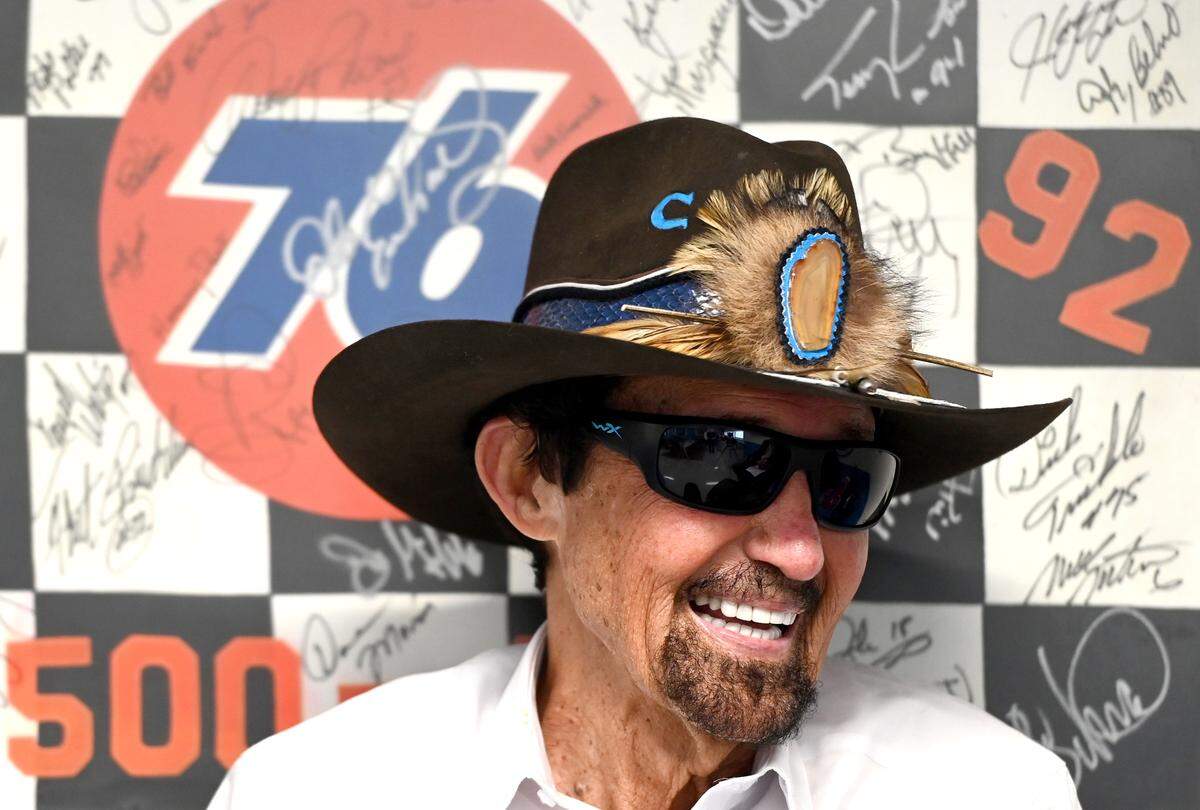
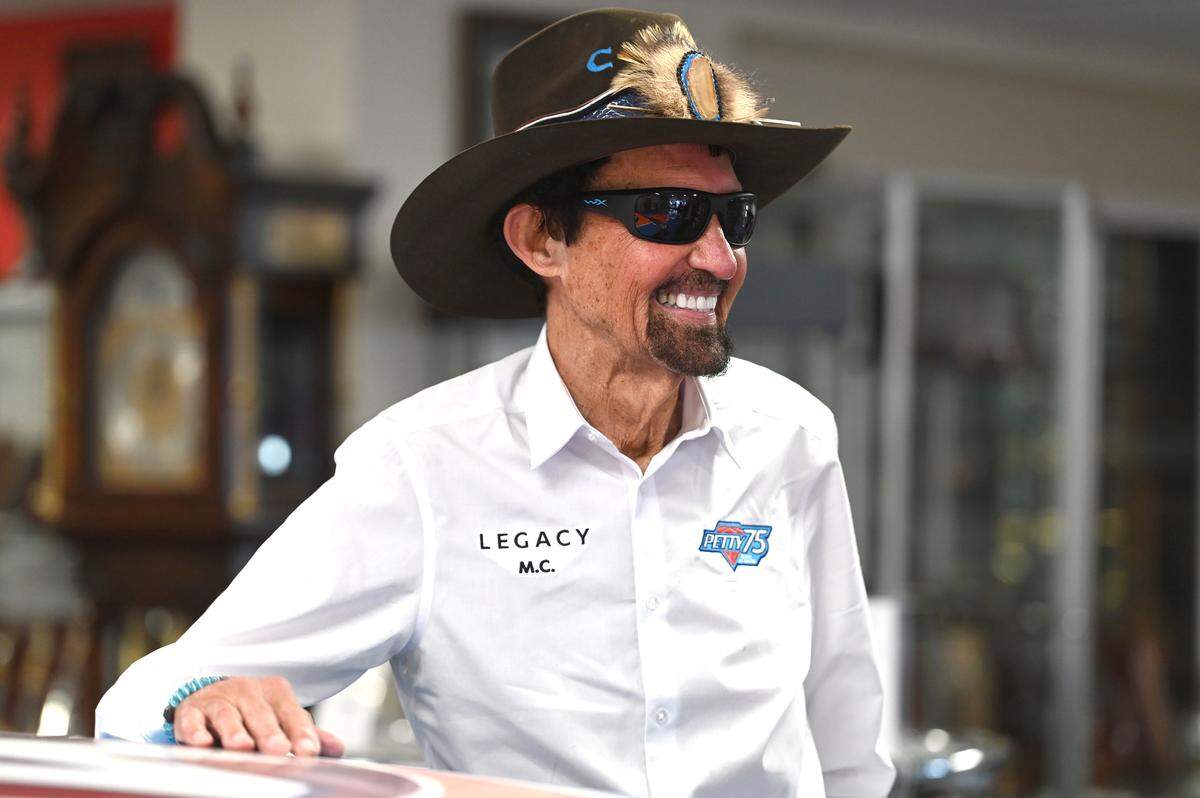
Nicknamed “The King” and a member of the inaugural class of the NASCAR Hall of Fame, Petty retired from racing in 1992. Long before that he had already developed a signature look that is all his own: cowboy hat, black sunglasses, oversized belt buckle and cowboy boots. He showed up wearing exactly that to our interview.
Honestly, I would have been a little disappointed if he hadn’t.
This interview with Petty serves as the Season 3 kickoff for the “Sports Legends of the Carolinas” multimedia project. Petty and I sat inside his museum, on two high-back chairs, and talked about life, death, racing, autographs, Daytona, family and the time his own father took away his first race win.
After we were done, a spry Petty hopped off his chair and said: “You got my whole history, didn’t ya?”
Not quite, but we did hit a lot of the highlights. On the eve of the 2024 NASCAR season and the Daytona 500, there’s no better way to rev up the racing anticipation than a visit with “The King.”
This interview has been edited for clarity and brevity. A longer version of this interview is available on the “Sports Legends of the Carolinas” podcast. The Petty podcast episode is sponsored by Charlotte Eye Ear Nose & Throat Associates.
Scott Fowler: We’re sitting in Level Cross, which is your hometown. You’ve never really left this place, right?
Richard Petty: Right. I was born in the house right beside the museum here, my brother and myself. We moved around to a few houses, but all of it right around here. My daddy started racing in 1949 — so this is the 75th anniversary of the Pettys and racing.
We took a little shed behind the house here, and that became the Pettys’ garage. That’s where all the race cars came out of, in the early years.
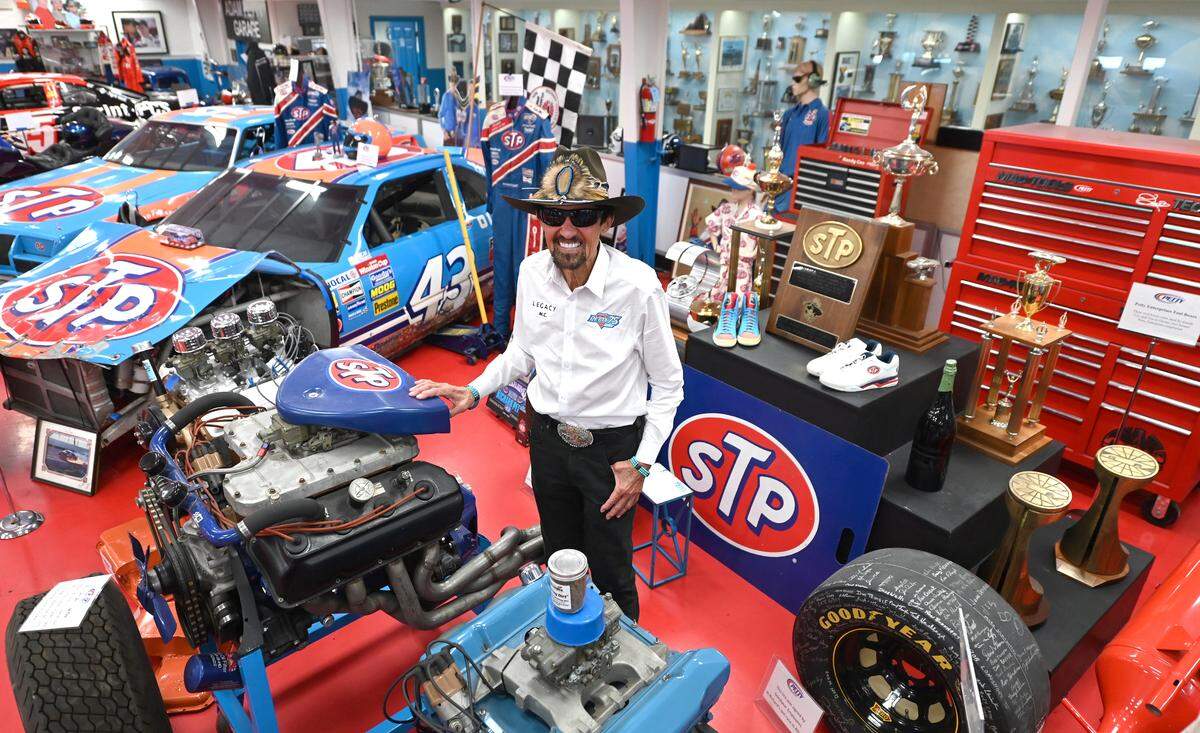
Now we do a lot of restoring of cars, old race cars or whatever. We work on a lot of new cars here. People want more horsepower. They want bigger tires, better suspension. If they want special paint jobs, we got that. So we’re still in business here.
SF: What has kept you in the Level Cross/Randleman area, when you could have lived anywhere in the world?
RP: I never thought about going anywhere else. I was born here, raised here and this is home. And when we started racing and I worked on the cars — me and my brother (Maurice Petty, later inducted into the NASCAR Hall of Fame as a master engine builder) and Dale Inman (a future NASCAR Hall of Fame crew chief) — it was a 24-hour job. Didn’t have time to go anywhere else. Had to live next door.
But even after that, I just never thought about going anywhere else, because this is home. This is where we grew up, and this is where I want to be when my toes turn up.
SF: Your dad, Lee Petty, was also a famous racer. How did he get started?
RP: My dad started in 1949 and ran the first race that NASCAR had, as far as new cars. ... He didn’t start building cars till 1946, when the war was over. My dad read in the paper that they was having a race in Charlotte, and I think they was paying $1,500 to win the thing. And he said, “Man, that looks like a good deal.”
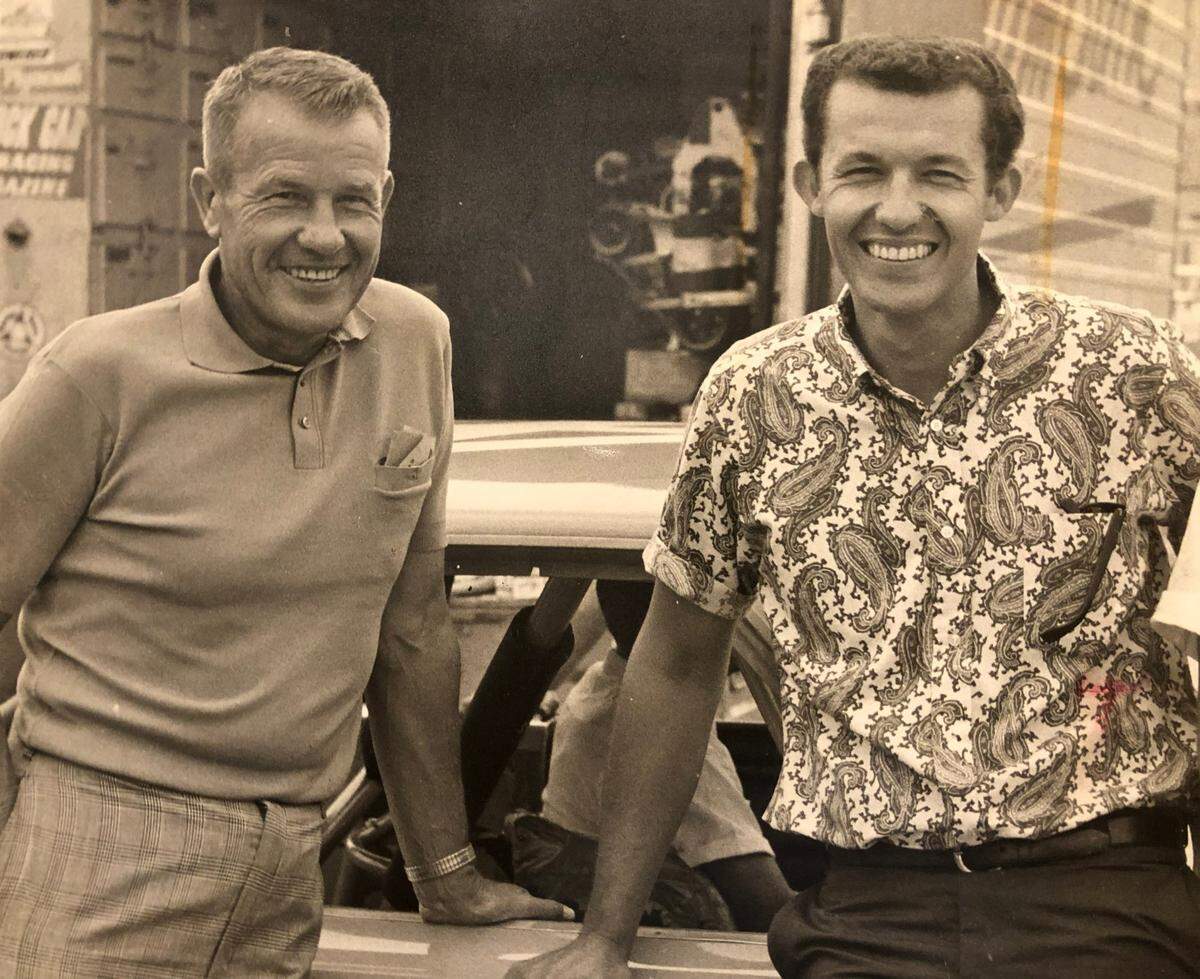
So he borrows a car from some guys and decides to go race. And then the very first race, he turns the car over about halfway through the race. Something breaks. And so we thumbed a ride home with my uncle.
But my dad looked at it and said, “Look, this is something I can do. And they pay pretty good.” So he went out and bought a 1949 Plymouth for $990. He figured if he’d win a race, he could pay for that racecar. And so basically that’s where it all started.
SF: What sort of parent was your dad?
RP: Well, he was a busy parent. He and my mother both were pretty stern people. They grew up during the Depression. Things was tough on them. So they didn’t make it tough on us, (but) they just didn’t give us any breaks. We were required to work around the house, work in the yard, work in the field.
He was also very stern on that racecar. He knew that you had to finish the race, in order to win it or to win any money. For the first few years they called him: “Mr. Consistency.” He finished like 90% of the races, because he’d done preventive maintenance.
And I think he was probably the first one that really looked at it like: “Hey, if we got trouble, let’s fix it before we get to it.” And once we broke something, we never broke that piece again.
‘Glory? He couldn’t eat that’
SF: Didn’t your dad take away your first-ever race win?
RP: Yeah. We was running a 150-mile race at Lakewood Speedway in Atlanta in 1959. A mile track. Dirt.
I was running a convertible, a ‘57 Oldsmobile. And he had a ‘59. And so when the race was over, they flagged me the winner. We stopped, and I jumped up and down. First time I’d ever even thought about winning a race. Because I’d just started. I might have been 22 years old.
We were running convertibles and my dad run hardtop (most of the time), so that we didn’t have to run in the same race for the same money. But they had a race there with convertibles and hardtops, and so we raced against each other.
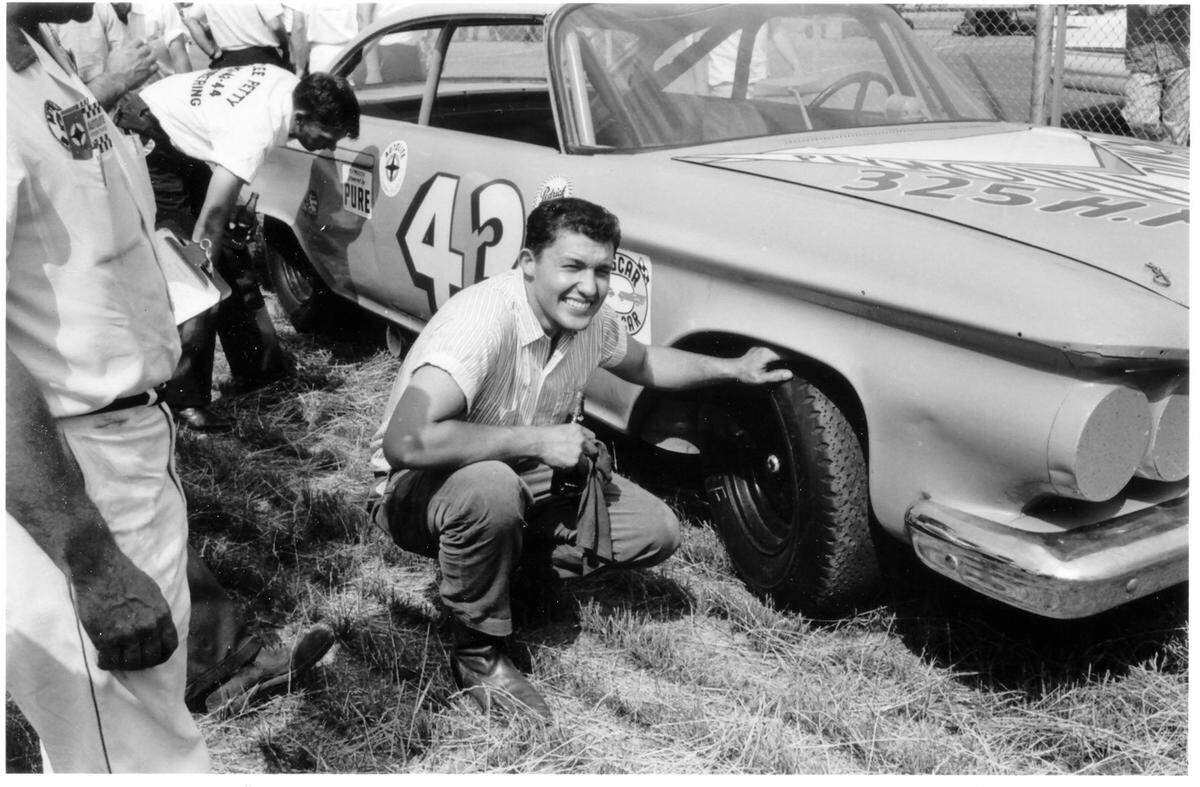
So we were jumping up and down, thought we’d won the race, and then they come and said, “Somebody protested.”
I looked around, and there stood my dad.
Somehow or another, they had put me in for an extra lap, or left him out a lap. And at that time, being there wasn’t a lot of new cars around, the organization had said, “OK, if you’ve got a new model car, like a ‘59 car, you get an extra $500 (for winning).”
So the Pettys went home with 500 extra dollars (after the protest was successful, and Lee Petty was declared the winner over Richard).
That’s the way he explained it to me, anyway.
SF: So it was all about the money?
RP: That was one thing about Daddy. He run for the money.
Glory?
He couldn’t eat that. You know what I mean?
SF: I would have been pretty mad at my own dad at age 22 if I had just gotten my first win and he took it away.
RP: Second was the best I’d ever run, so we was tickled to death with that. We was good.
Being Richard Petty
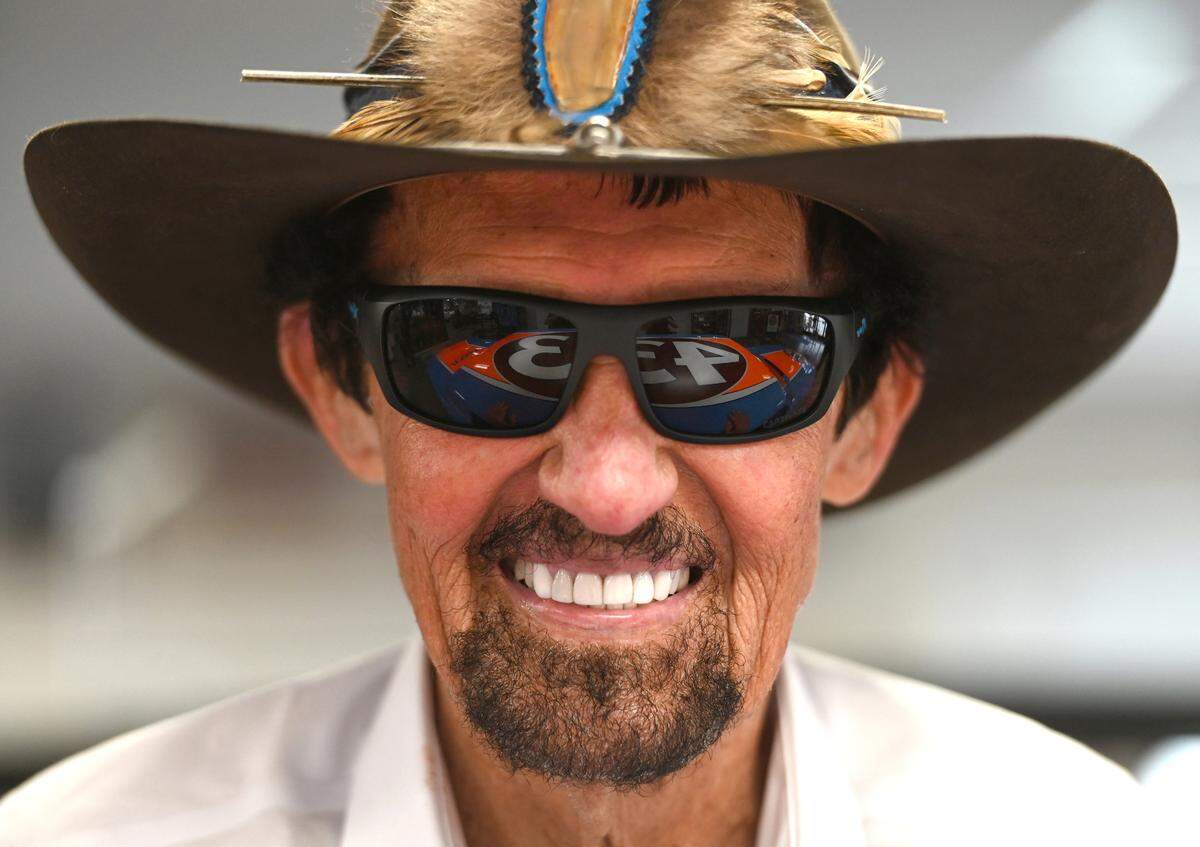
SF: Your distinctive look — sunglasses, cowboy hats, boots — people know you everywhere. Where did all that come from?
RP: It just happened. I’ve always wore sunglasses. My eyes are pretty sensitive to light. And Kyle Petty, my son, had a business called “Kyle Petty Boot Barn,” and he sold boots… Once he got that, I started wearing cowboy boots…. And (a sales rep for a hat company) came by one day to talk to him about wanting to start selling hats, too.
Kyle said, ‘I don’t know.’ And he said, ‘Why don’t I just give you one of these hats, and you can wear it or give it to your dad and let him wear it.” Well, the first time I seen it, I fell in love with it. So I started wearing the hat.
Now I wear the hats for a while and then I autograph ‘em and we give ‘em away to people who auction them off for charity. So it works pretty good.
It didn’t come along as me sitting down and saying, “This is what I want to portray.” It just all come on a little at a time. And then, after a while, it got to be Richard Petty.
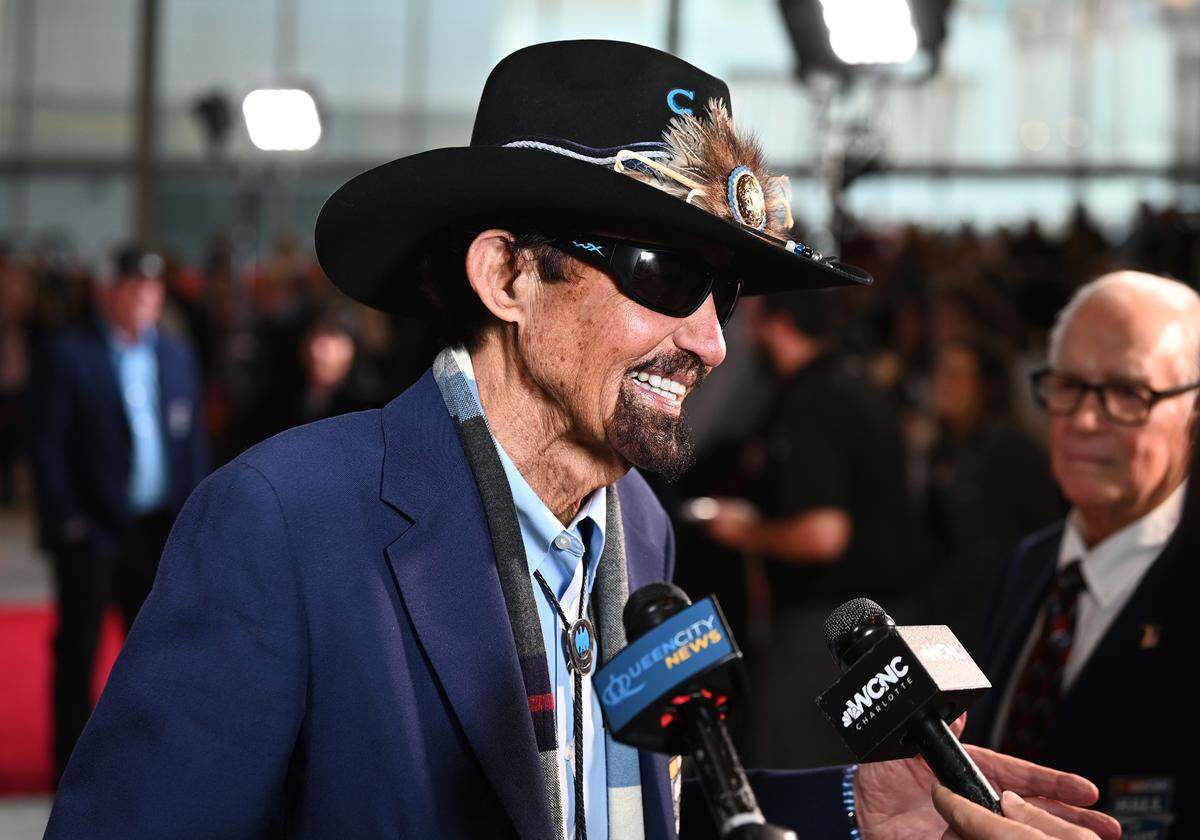
SF: Today we’d call that creating a brand.
RP: There’s very few people in sports that’s got their own brand, you know what I mean? I mean they’re there. They do their thing. But as far as just seeing a silhouette of ‘em or something like that? You don’t recognize ‘em. And we didn’t set out to do this. It just happened.
An unusual autograph
SF: Another thing distinctive to you is your autograph. It’s extremely legible and has all sorts of curlicues. Where’d that come from?
RP: When I got out of high school, I never thought about going to a four-year college. But my dad said he’d gone when he was growing up. He’d went to Kings Business College and learned bookkeeping, how to write and stuff like that.
So I went and took a six-month course at Kings Business College in Greensboro. The first thing they do is say, “OK, you gotta learn to write, so that the next guy can read what you put down in the book.” So I passed that course. And ... penmanship? I said, “Man, I like that stuff.” So I got to be doing all the fancy stuff and then doing that, then I learned not to write with my hand. but to write with my arm. So that’s the reason for all the circles and stuff. This was a modification of what I really learned.
SF: The Daytona 500 is this week, starting the 2024 NASCAR season. What’s so special about Daytona?
RP: Until 1959, we had Darlington, and Darlington was our Super Bowl. It was a big asphalt track, and they had a big 500-mile race. ... And then Daytona come along. Darlington was always second then.
Daytona was a big two-and-a-half mile track, banking of 32 or 33 degrees or something, and you could run wide open all the way around the racetrack. Nobody had ever seen anything like that.
And so we went down there in ‘59 and my dad was lucky enough to win the first race. And so after that, we always pointed toward Daytona ‘cause it was the first big race that we had (each year).
And if you win Daytona, you’re a winner all year long. In other words, they introduce you as the Daytona 500 champion. So, it has been a big, big deal in my career. By being lucky enough to win seven of ‘em (a NASCAR record), that always started the year off good.
The 1979 Daytona 500: ‘Our whole soul in one day’
SF: Tell us about your win in the 1979 Daytona 500, one of the most famous races in NASCAR history.
RP: It came down to the very last lap. Cale (Yarborough) and Donnie (Allison) were the fastest cars. Myself, Darrell Waltrip and AJ Foyt was racing for third. And coming up the backstretch on the last lap, Donnie and Cale got together. And they crashed, just as we come off of (Turn) 2, they crashed going into 3.
At that time, you raced back to the flag. We got to going in the third corner, and then all of a sudden, there’s the No. 1 and 2 car, laying in the infield. Wow — instead of running for third, we’re racing for first.
I wound up beating Darrell by a car length, I think, and AJ was right behind.
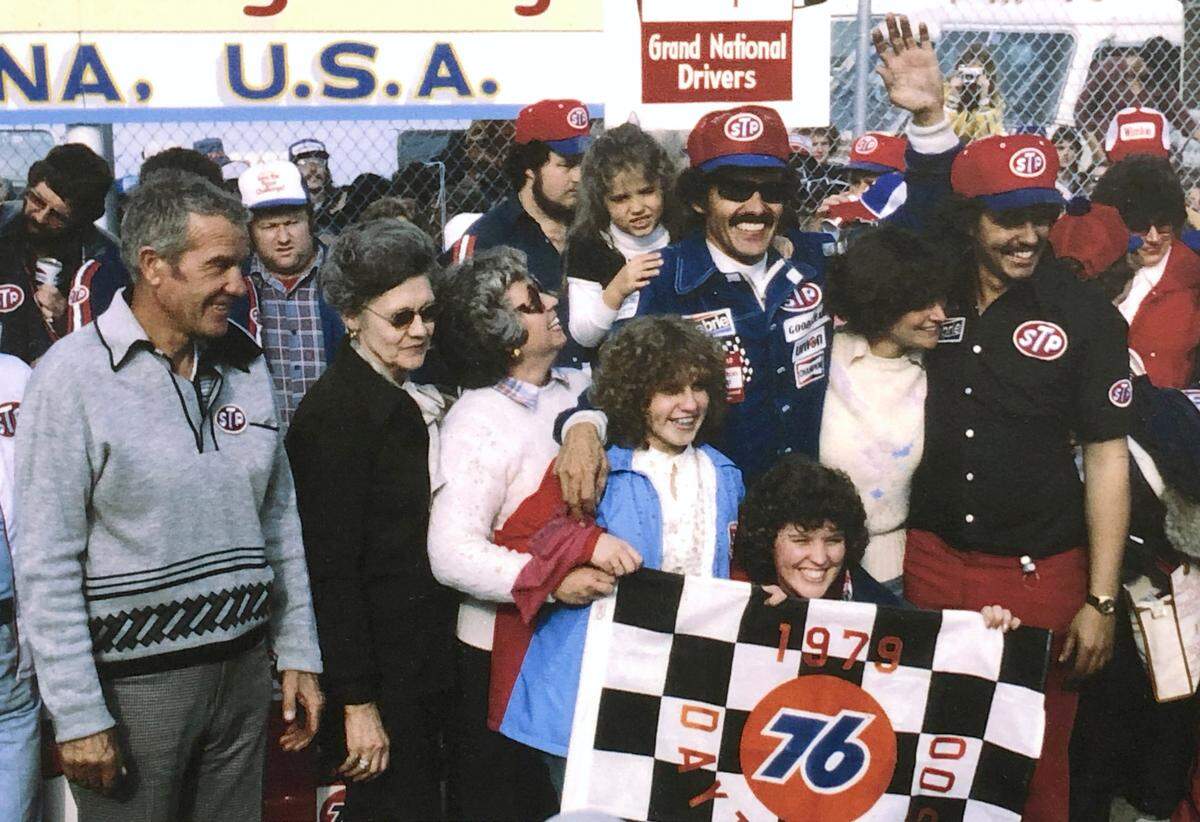
SF: There was a snowstorm blanketing the East Coast that day. And there was a fight after the race, which was being shown live. A lot of things came together for NASCAR.
RP: Right. You gotta figure, at that time, they just had ABC, NBC and CBS. They didn’t have all this satellite deal. So anybody that was at home, it was snowing, they couldn’t go anywhere. So they was watching TV. And I guess the most exciting thing on TV was the race.
So you had millions of people that had never seen a race. It wound up being a perfect storm for TV because this was the first time CBS or any (network) had it live, from flag to flag.
Cale and Donnie had a rasslin’ match when the race was over.
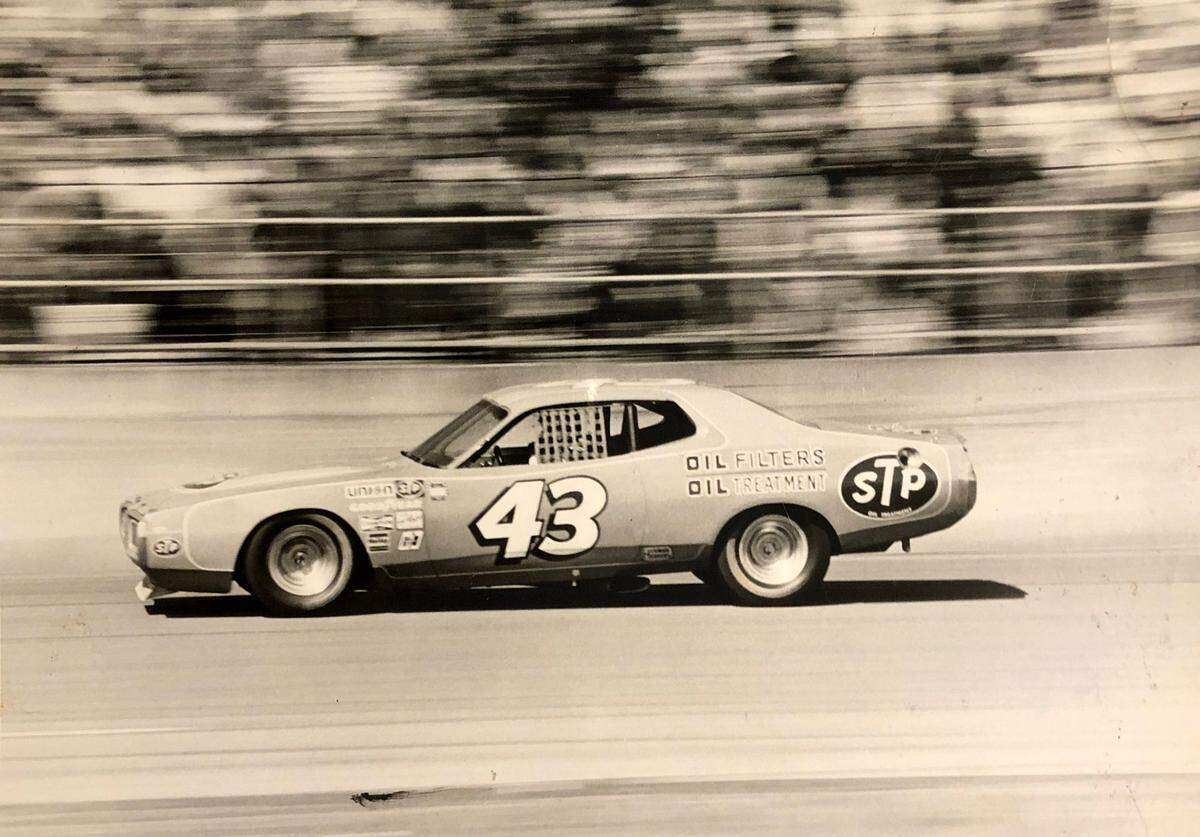
So you got to see everything that the Cup series produced. In other words, it was an interesting race that came down to the very last lap. And then you got to see the emotions of what these guys go through.
You got to see our whole soul in one one day.
The death of Adam Petty
SF: Besides many joyful moments, you’ve also experienced the dark side of racing several times, including the death of your grandson, Adam Petty, in a racing accident in 2000.
RP: Yeah. The reason we are celebrating the 75th racing year of the Pettys this year — that started with my father. Then I came along. Then Kyle (Richard’s son and a longtime Cup racer) came along. Then Adam came along.
And we here at Petty Enterprises was looking for Adam to carry on the Petty name. He was gonna be our frontman, because we done went through three others. And so it was up to him.
And then we lost him. He had just turned 19.
And the good Lord, I guess, didn’t see our legacy carrying on any further than that. (Pauses).
…. Before that, Adam had worked with Sprint, the telephone people, and they had a deal set up that Adam would go to these hospitals, children’s wards, talk to the kids and stuff.
So one day we was at Daytona and Kyle and Adam rode over to a place (that was a camp for children with serious medical conditions). And Adam looked around and said, “You know, we ain’t got nothing like this in North Carolina. Why can’t we have something like this?”
So he comes back. He goes out and starts looking for land. The idea came from him.
Then once we lost him, then we get together and said, “What can we do in his memory?”… So NASCAR got behind it. The drivers got behind it. Fans got behind it. Sponsors. And that became Victory Junction. We’re celebrating our 20th year this year. We’ve looked after 40 or 50,000 kids that normally wouldn’t get to go to a camp.

SF: It’s a remarkable place.
RP: We’ve got a hospital there. The kids come in, they check in, they bring all the medicines and stuff with them. The two hardest things we have to do are convince the parents that we will take care of their kids, because some of them have never been out of the hospital or out of sight of their parents.
And then once we convince them ... then the hardest part we have is (convincing the kids to go home after the week has ended). It just opens up a whole new world to kids that have been segregated in a certain area. So it’s done so much good.
What does Petty think of racing in 2024?
SF: Do you like racing today?
RP: Racing today is so technical, with all the computers. We’ve got more engineers looking at a computer than we’ve got people working on the racecar. And so that just went right past me because we were just used to making notes and saying, “OK, this is what we done last time. What can we do to get better?” All that stuff now comes through the computer.
SF: Why did you drive the number 43 car?
RP: Well, the 43 came after 42. My dad’s number was 42, and I think he took that off a license plate or something. I came along, I was 43. Kyle came along he took 44. Adam’s number was 45 and my grandson now (Thad Moffitt, who now drives in NASCAR Truck Series) has got number 46.
SF: You’re 86 years old. How’s your health these days?
RP: If somebody don’t tell me I’m feeling bad, I’m feeling OK.
SF: You dabbled in politics for a while. How did you like that?
RP: Well, I was a county commissioner for 16 years here in Randolph County. And my wife (Lynda Petty, who died in 2014) was on the school board for 16 years. And I got a daughter that’s been on the school board six or eight years. She’s still on the school board.
And one time they talked me into running for (North Carolina) attorney general. I’m glad I lost, OK?
SF: I thought it was secretary of state.
RP: Oh, secretary of state. (Laughs). Yeah. That’s how much interested I was in it. (Petty, running as a Republican, lost the race in 1996 to Democrat Elaine Marshall, and never ran for office again).
What Richard Petty wants his legacy to be
SF: You’ve always interacted a lot with fans, even now, when you often drop by your own museum unannounced. Why is that?
RP: When I first went to a race, in Columbia in 1958 I think, somebody asked for an autograph. That was great. Next race, maybe two or three people.
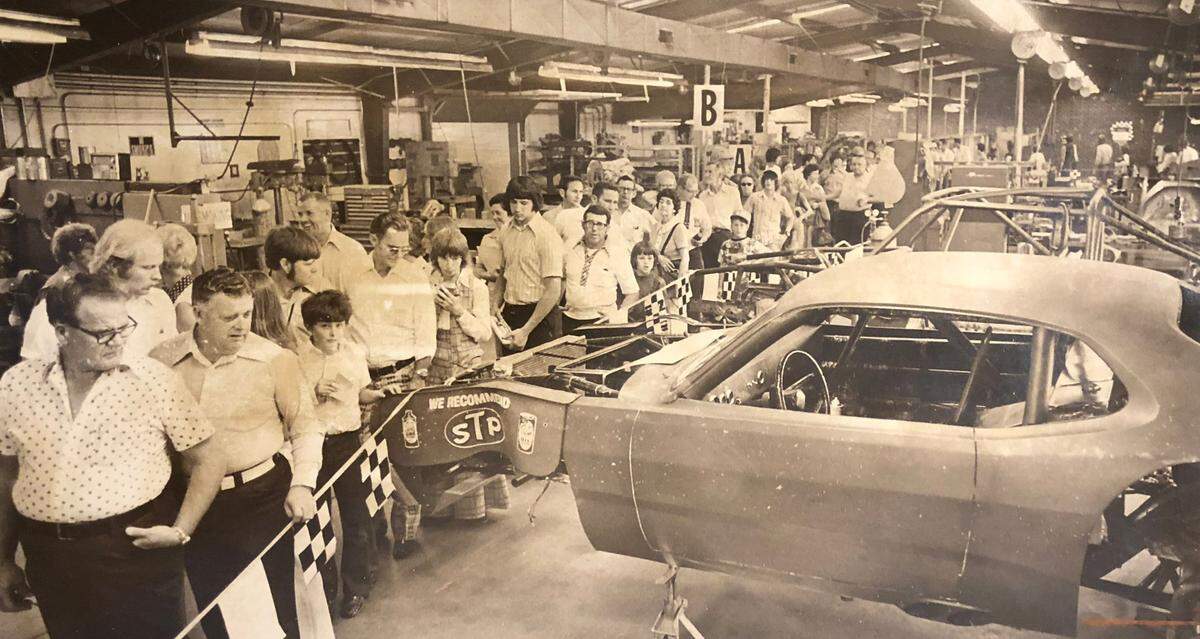
We had no sponsors. The only money we got came from the guy that was running the show — the promoter. But the promoter didn’t have any money if there wasn’t any fans. So I said, “OK, the fans pay the promoter, and then the promoter pays us. So the money comes from the fans, not the promoter.”
So every time I sign an autograph, I say, “Thank you for being a fan.” You don’t have to be a Richard Petty fan. You’re a fan because you bought a ticket. And I’m gonna get to take a penny or two home with me (out of the ticket price) to feed my kids. So basically, that’s the way it started.
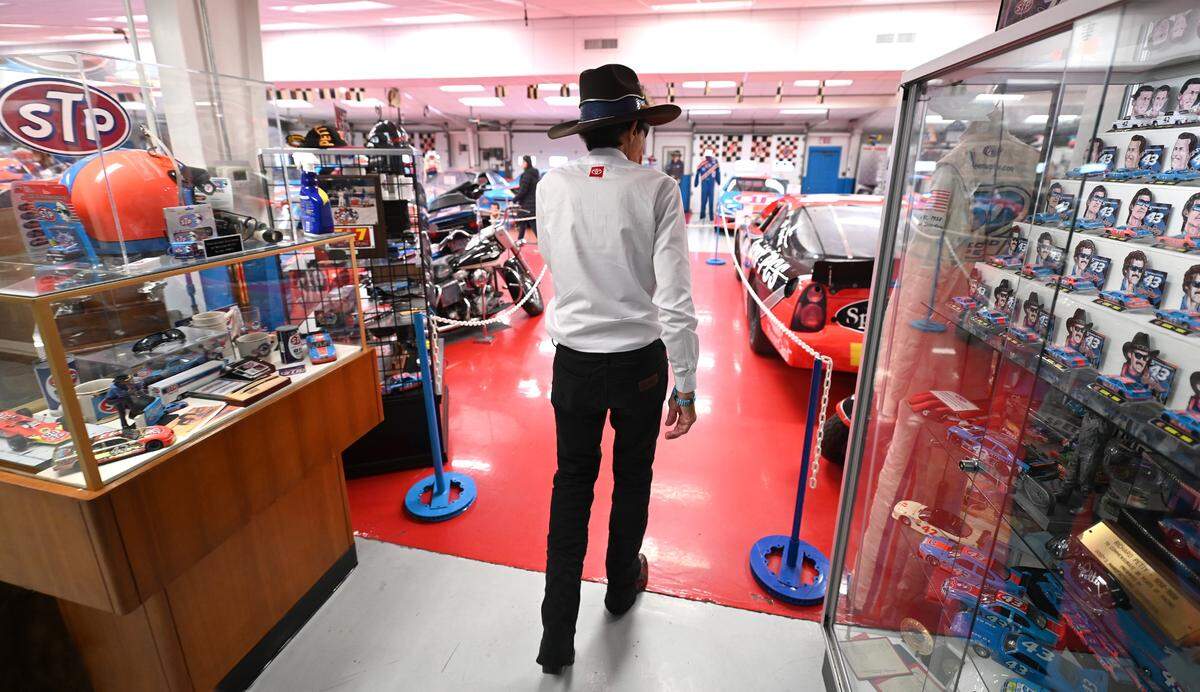
SF: You mentioned laughingly at the beginning of this interview you wanted to be buried here in Level Cross when your toes turned up. But what do you want your legacy to be?
RP: I hope the Petty legacy is Victory Junction.
But as far as my personal legacy, I just look at it like this. If people remember you, that’s enough. Some people are gonna remember me one way as maybe not a good person. Other people are gonna remember me as a fair person. Some people gonna think I was great. The big deal is if you’re remembered — good, bad or indifferent — then that’s all you can ask for.
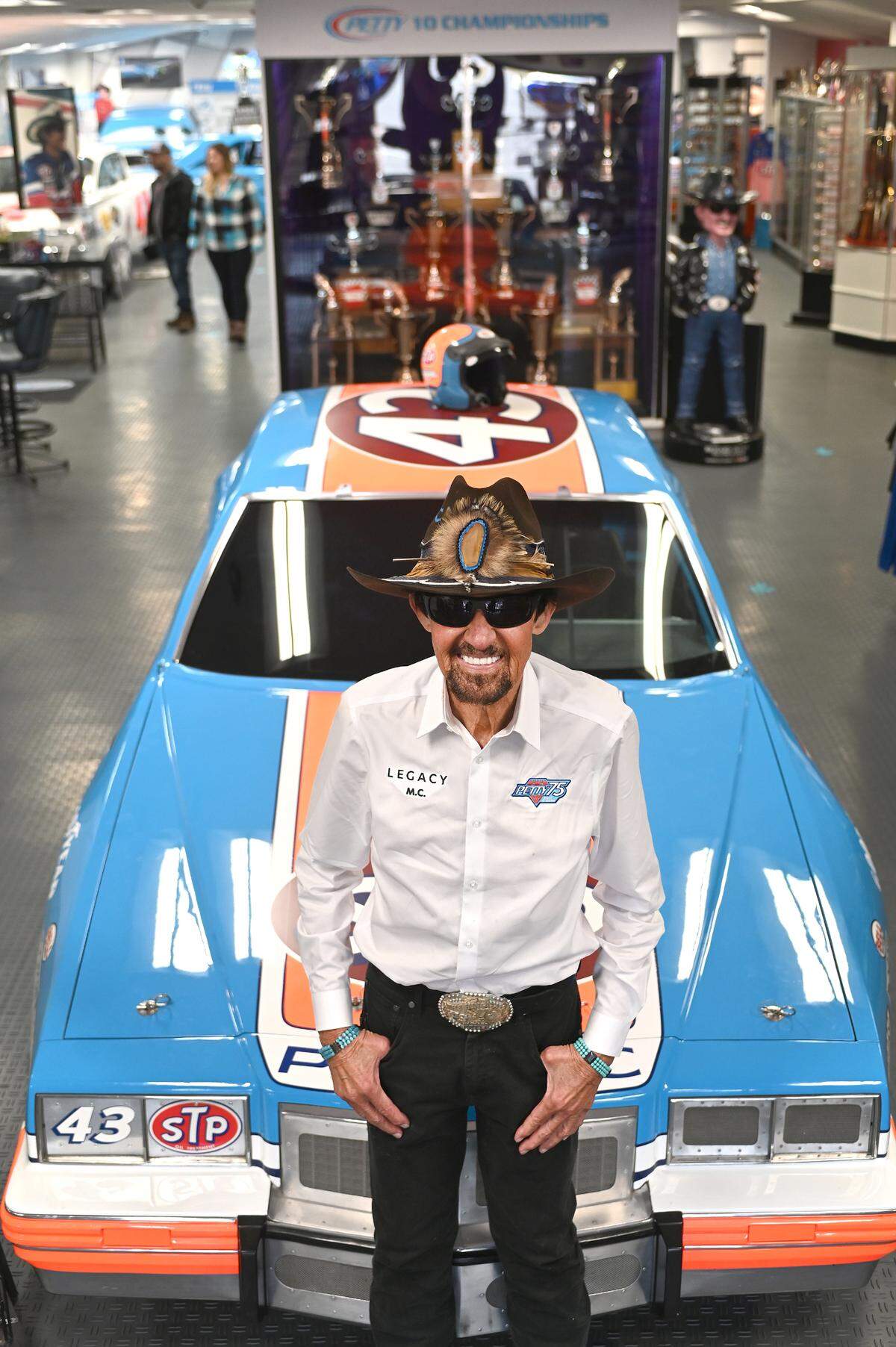
For a fuller version of this interview in podcast form, go to “Sports Legends of the Carolinas,” wherever you find your podcasts, including the Petty episode sponsored by Charlotte Eye Ear Nose & Throat Associates. There you will find the story of Petty’s 200th win before President Ronald Reagan in 1984, as well as Petty’s thoughts on who should be on NASCAR’s Mount Rushmore.
Previous “Sports Legends” interviews with guests like Steph Curry, Roy Williams, Mike Krzyzewski, Jake Delhomme, Bobby Richardson, Thomas Davis and Dawn Staley are also available on the podcast. New “Sports Legends” episodes will debut every 2-3 weeks throughout 2024.
This story was originally published February 14, 2024 at 5:30 AM with the headline "Exclusive: Richard Petty talks life, death and NASCAR racing on eve of Daytona 500."