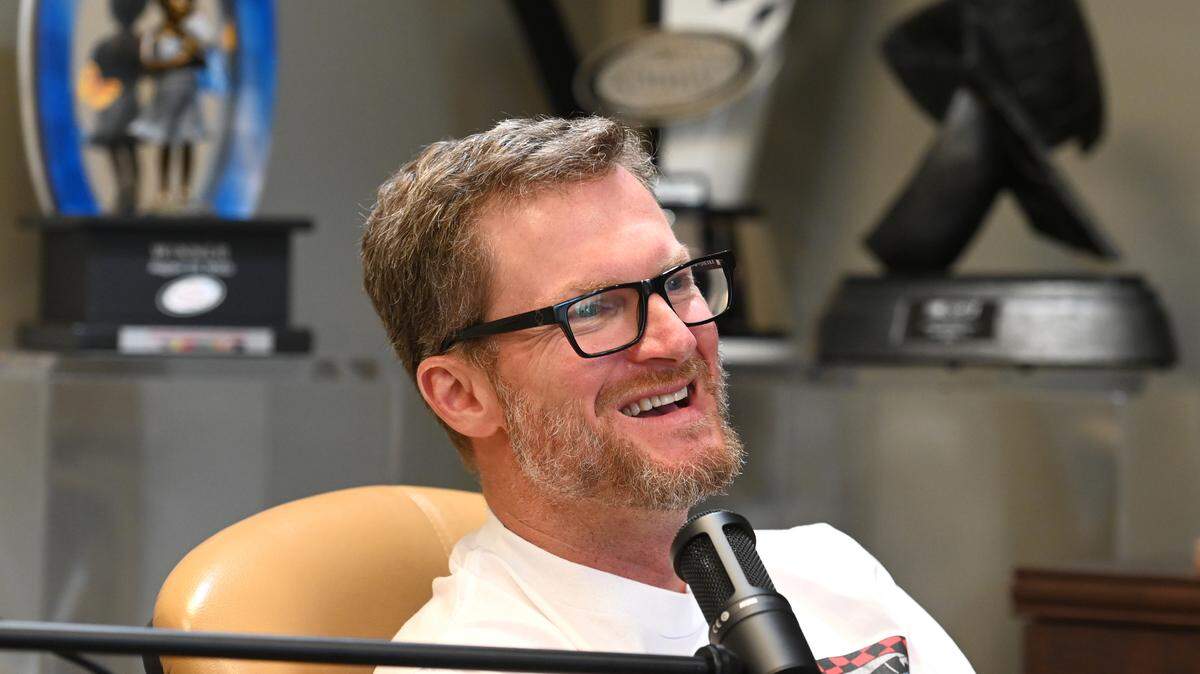
Cornbread unplugged: Charlotte’s Cedric Maxwell on Bird, Barkley and 1977 Final Four
READ MORE
Sports Legends of the Carolinas
We know they’re legends. But what’s their side of the story? Conversations with the best in Carolina sports history, hosted by Scott Fowler.
Expand All
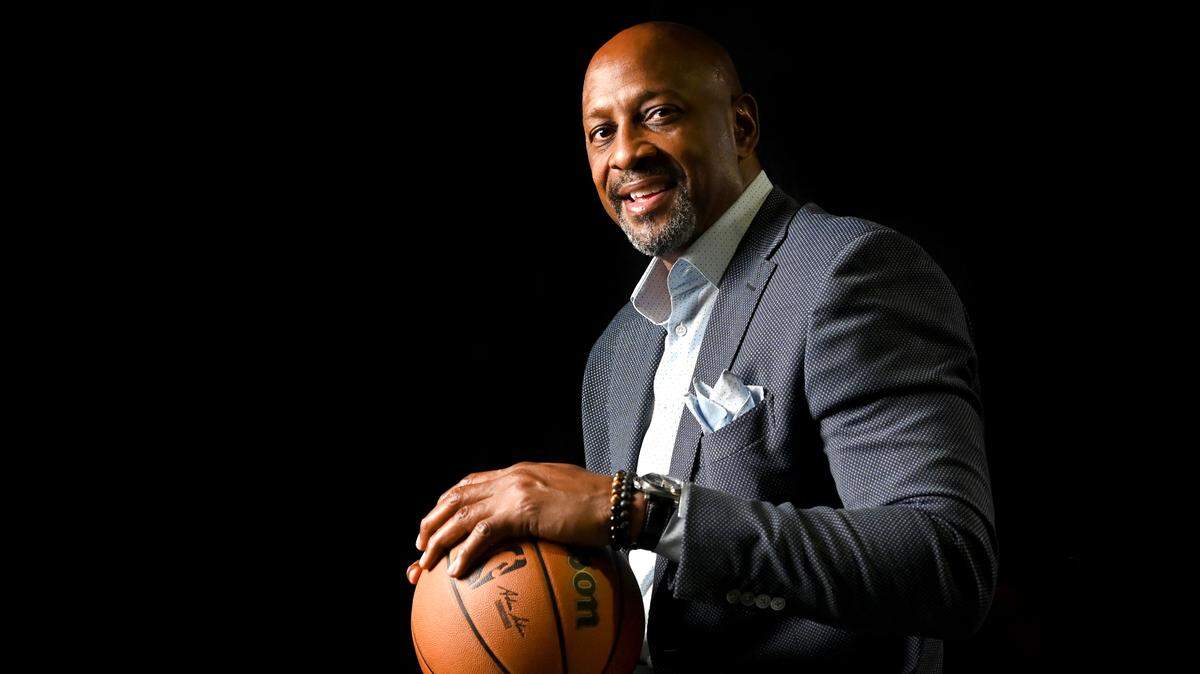
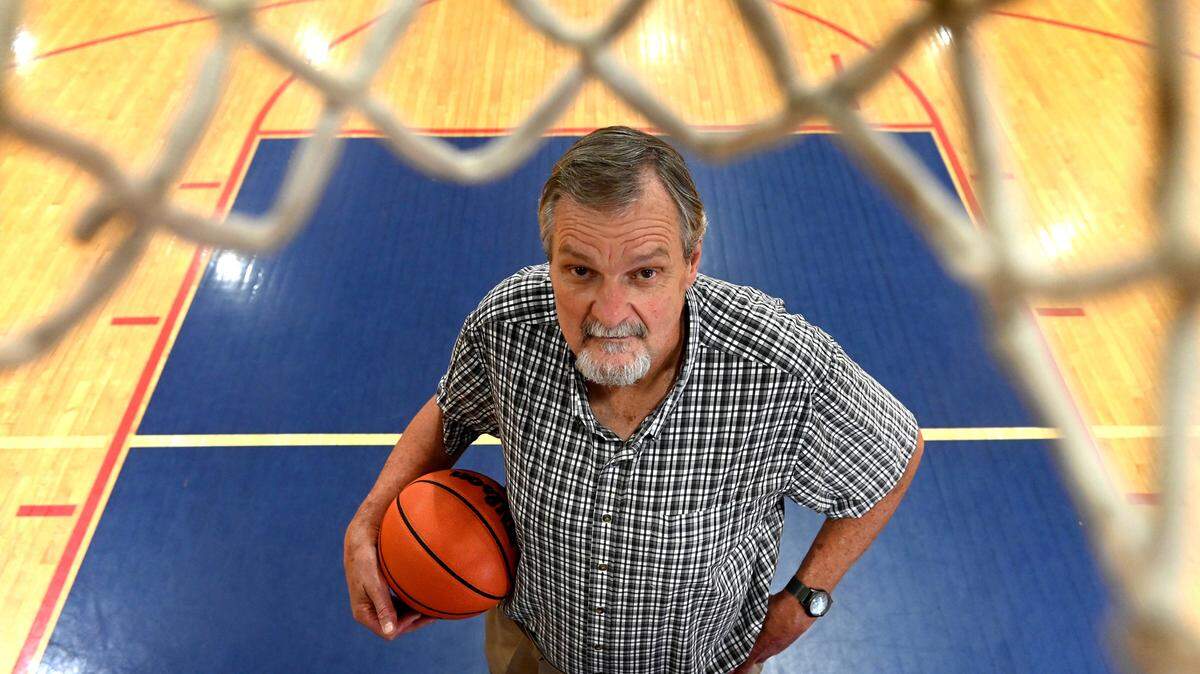
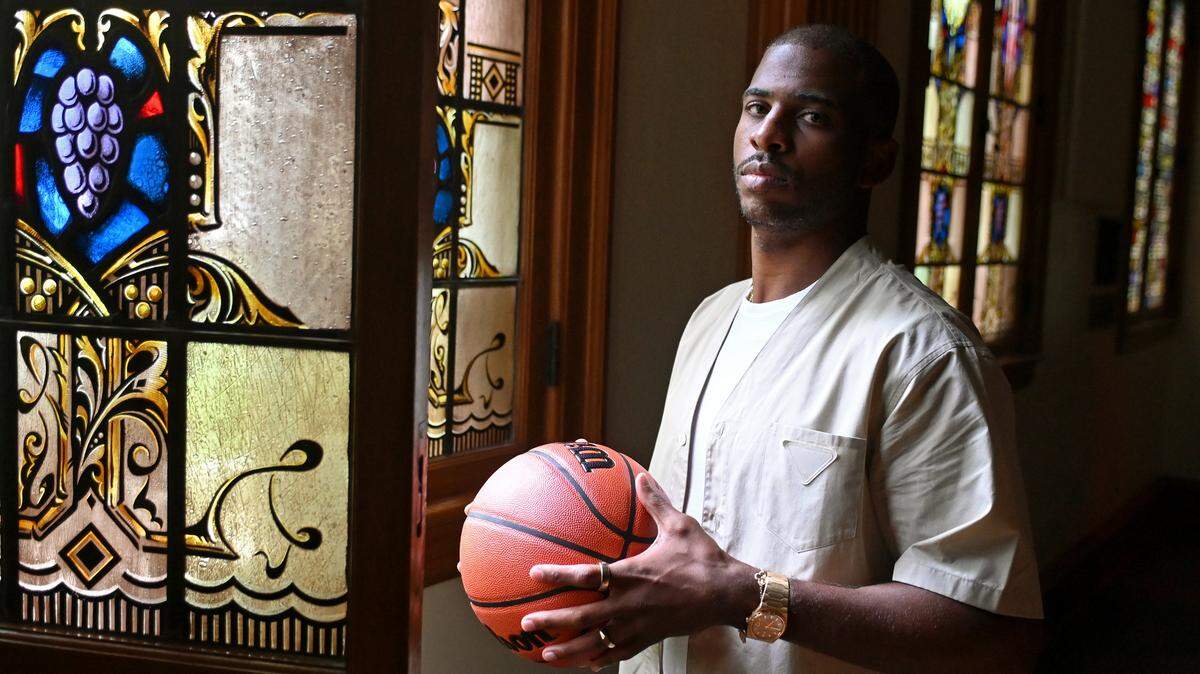
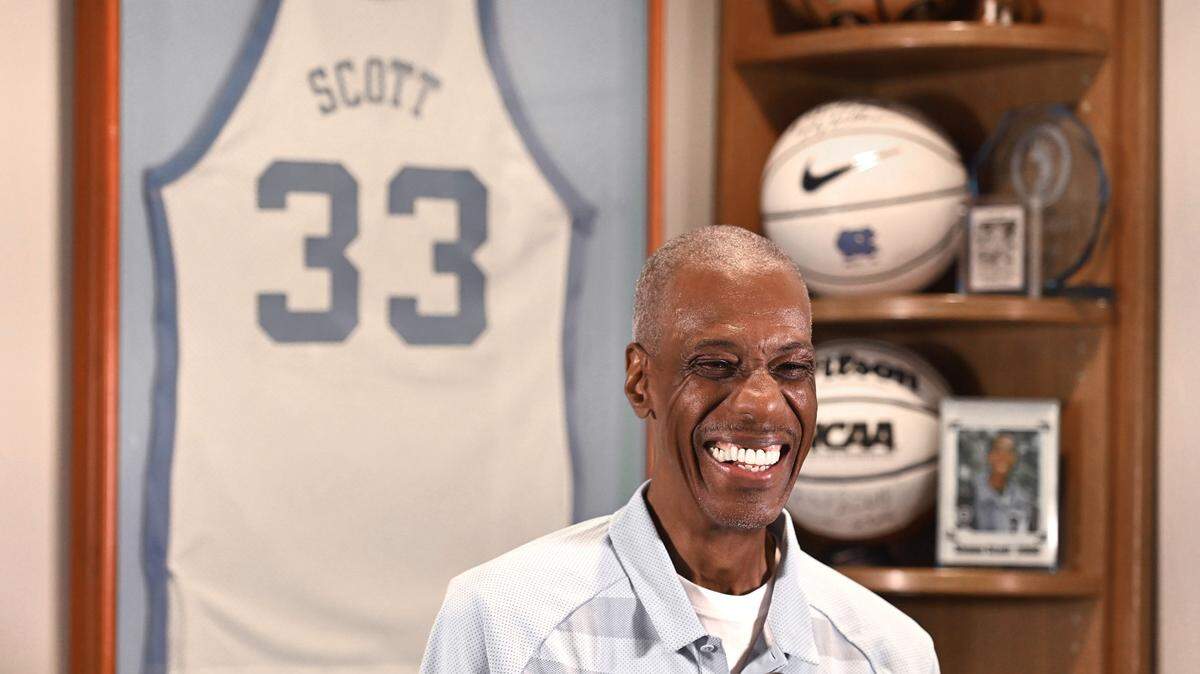
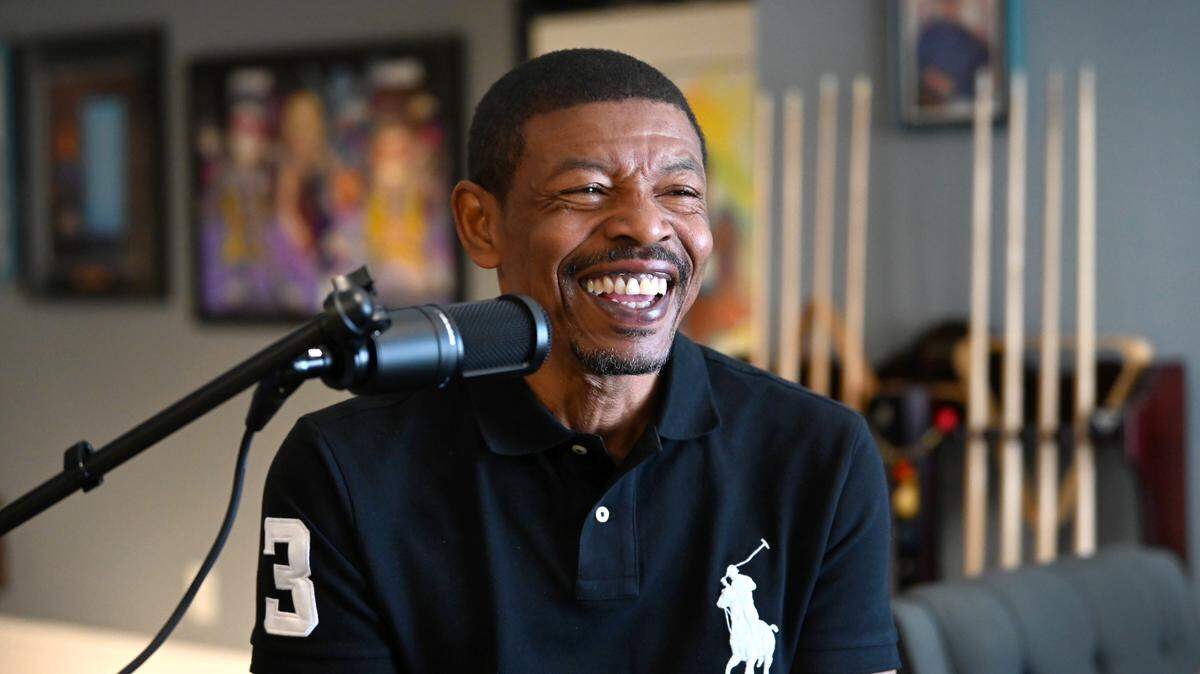
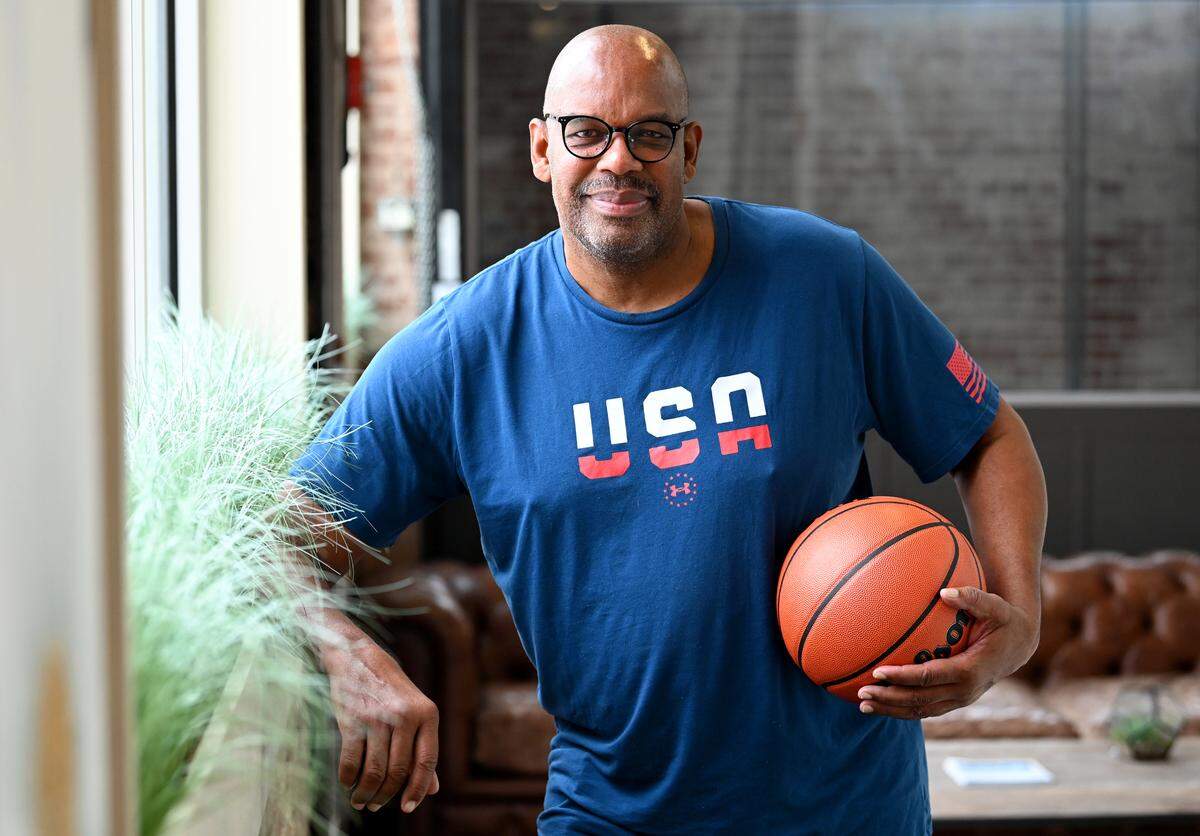
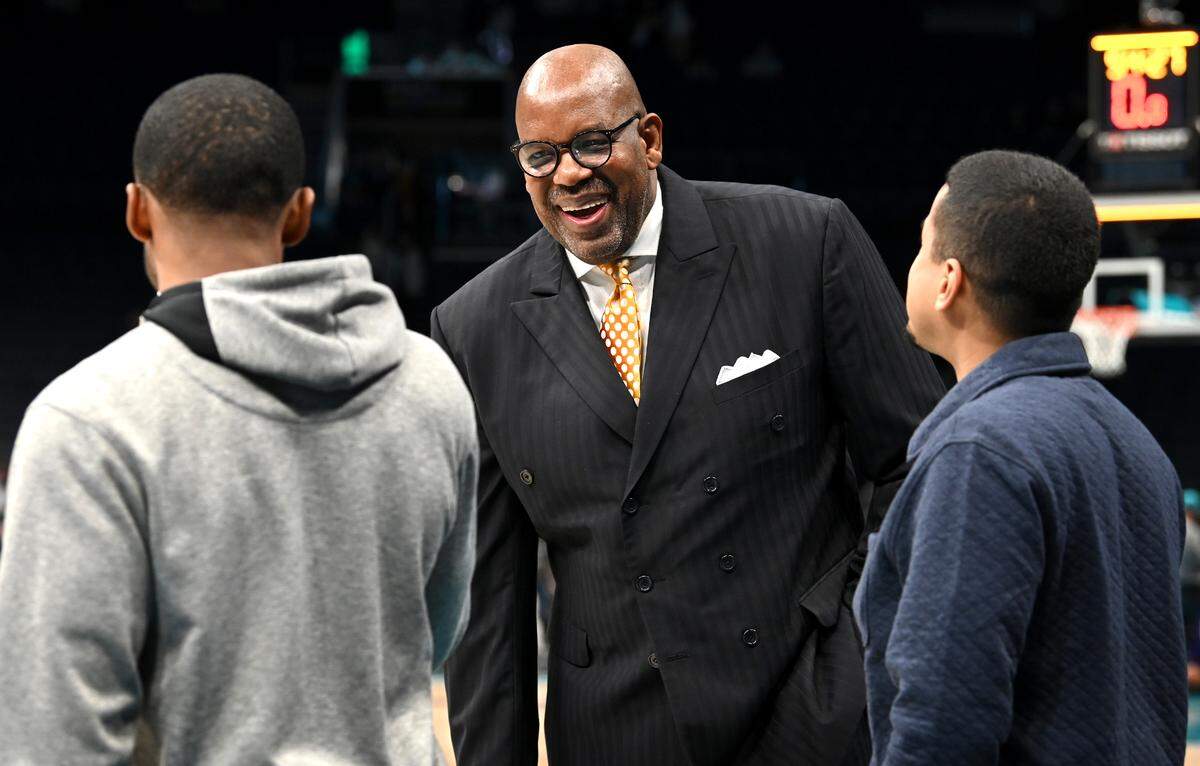
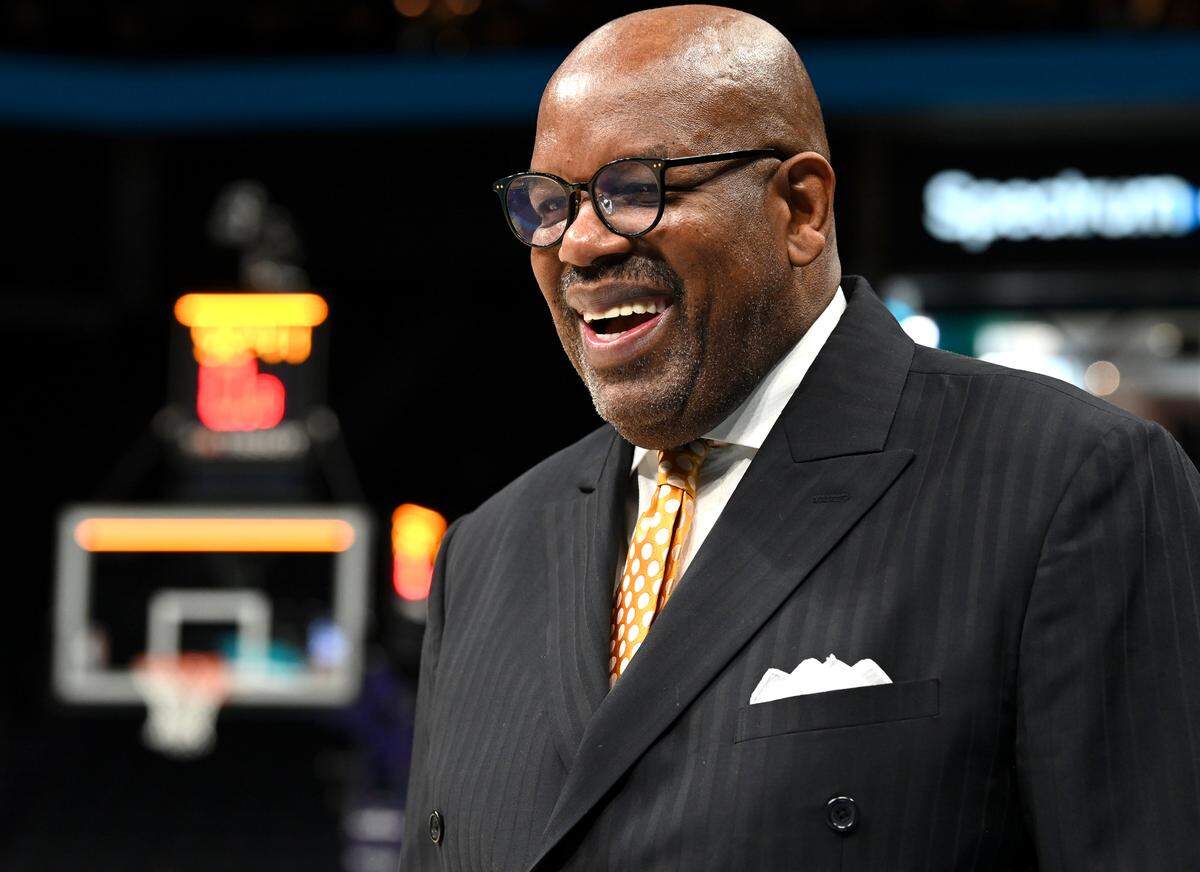
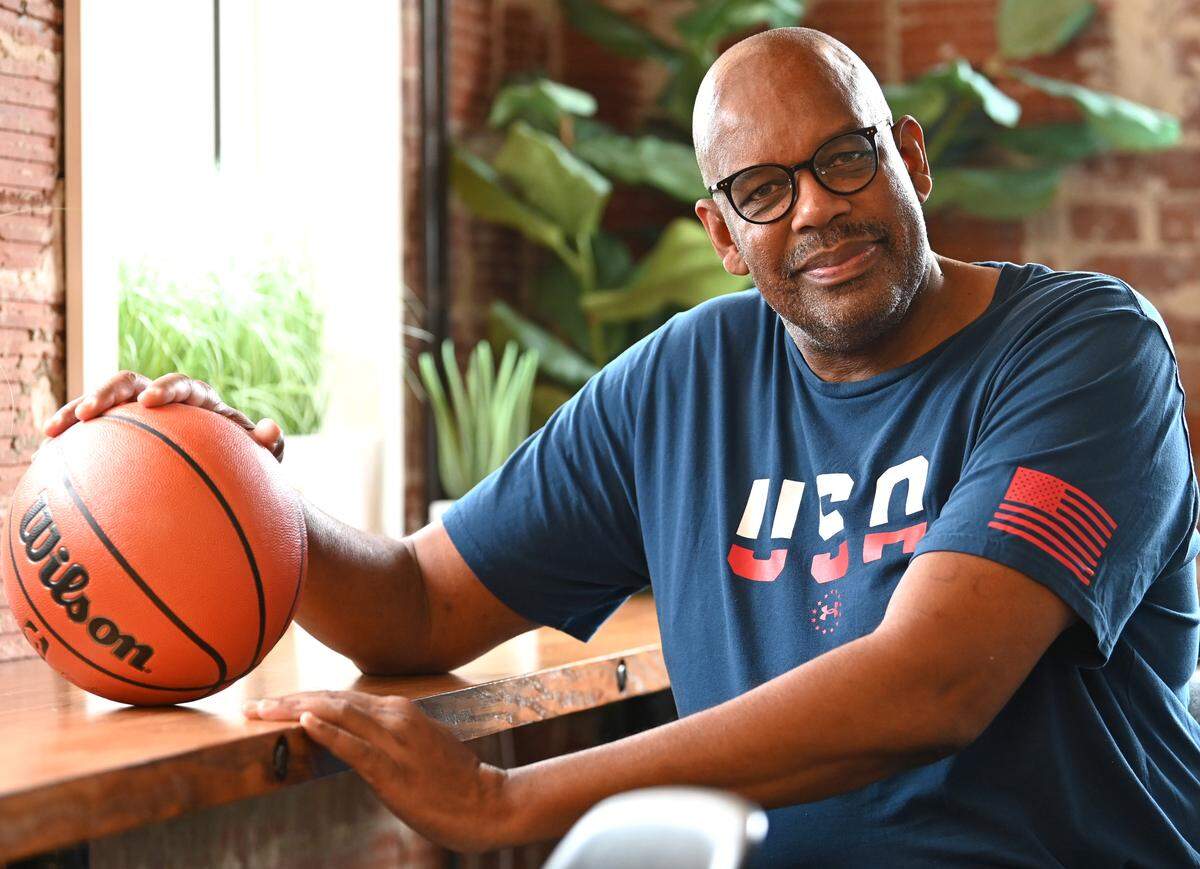
Cedric “Cornbread” Maxwell, the best basketball player in Charlotte 49ers history, still has a lot to say.
Maxwell, the second interview subject for the 2023 season of “Sports Legends of the Carolinas,” was an All-American big man who led the 49ers to the 1977 Final Four. That remains the school’s only Final Four appearance, and Charlotte might have won it all that year but for a controversial non-call at the buzzer against Marquette. In Maxwell’s four years at Charlotte, the 49ers had a remarkable 58-0 home record.
After his star turn in March Madness, Maxwell became a first-round NBA draft pick with the Boston Celtics. Teaming with players like Larry Bird and Kevin McHale, Maxwell was an essential player on Boston teams that won NBA championships in both 1981 and 1984. He was the NBA Finals MVP in 1981, and the Celtics retired his jersey number in 2003.
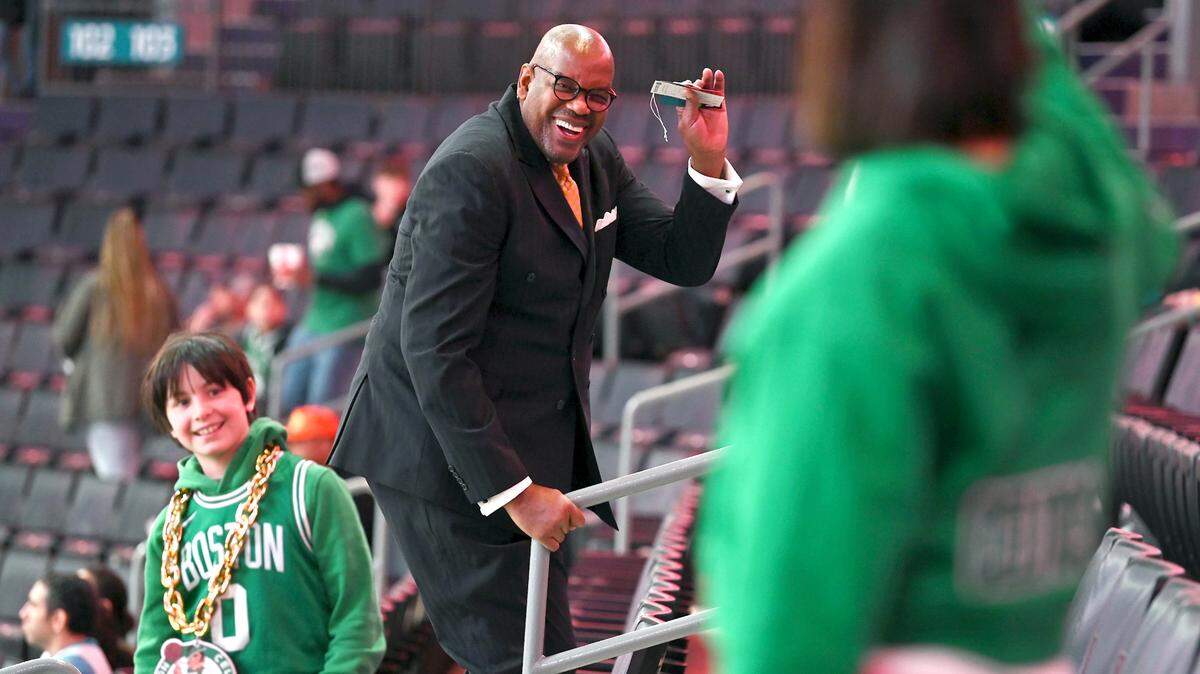
Now 67, Maxwell serves as the radio analyst for the Celtics, but maintains deep ties to the Charlotte area and lives in the Queen City during the summer.
In our “Sports Legends” interview, Maxwell discussed how he got the nickname “Cornbread,” the 49ers’ run to the Final Four, playing with Bird, the fight he got into with Charles Barkley and how he found out who his biological father was only a few years ago.
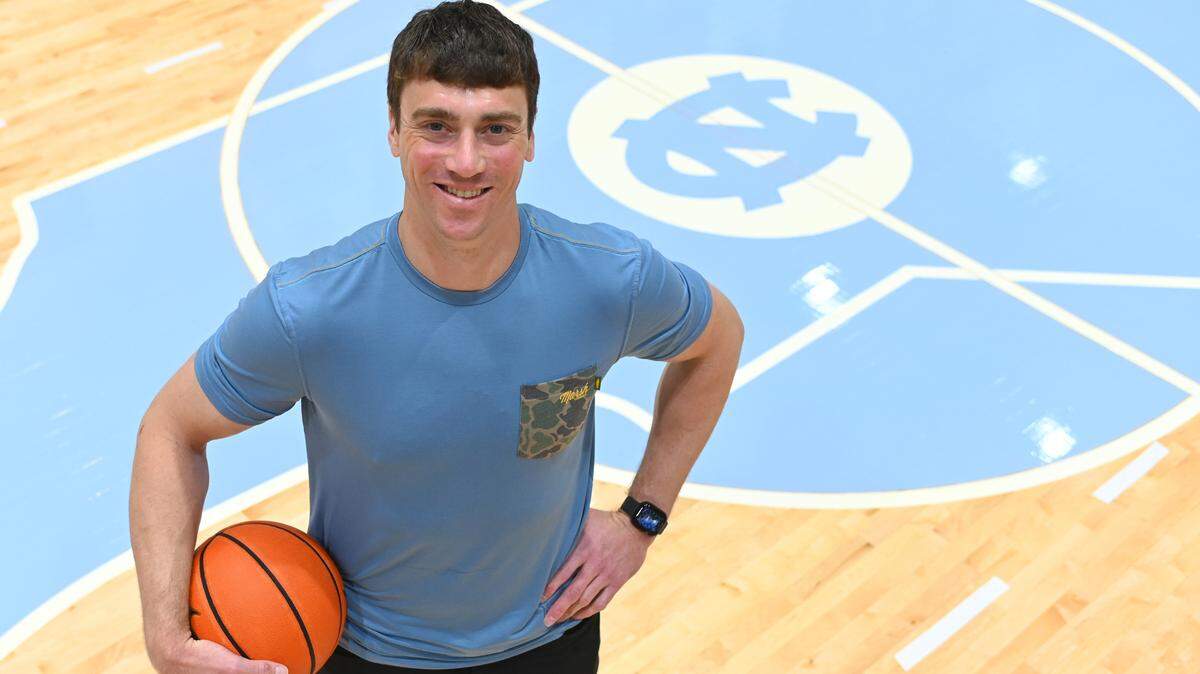
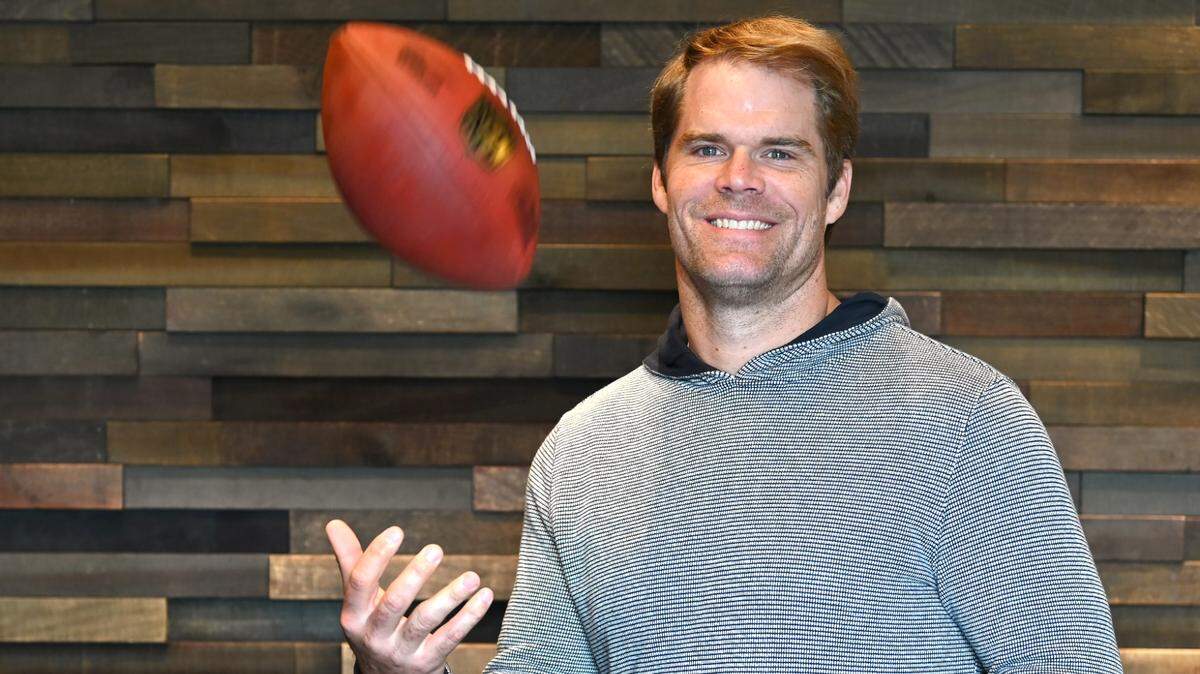
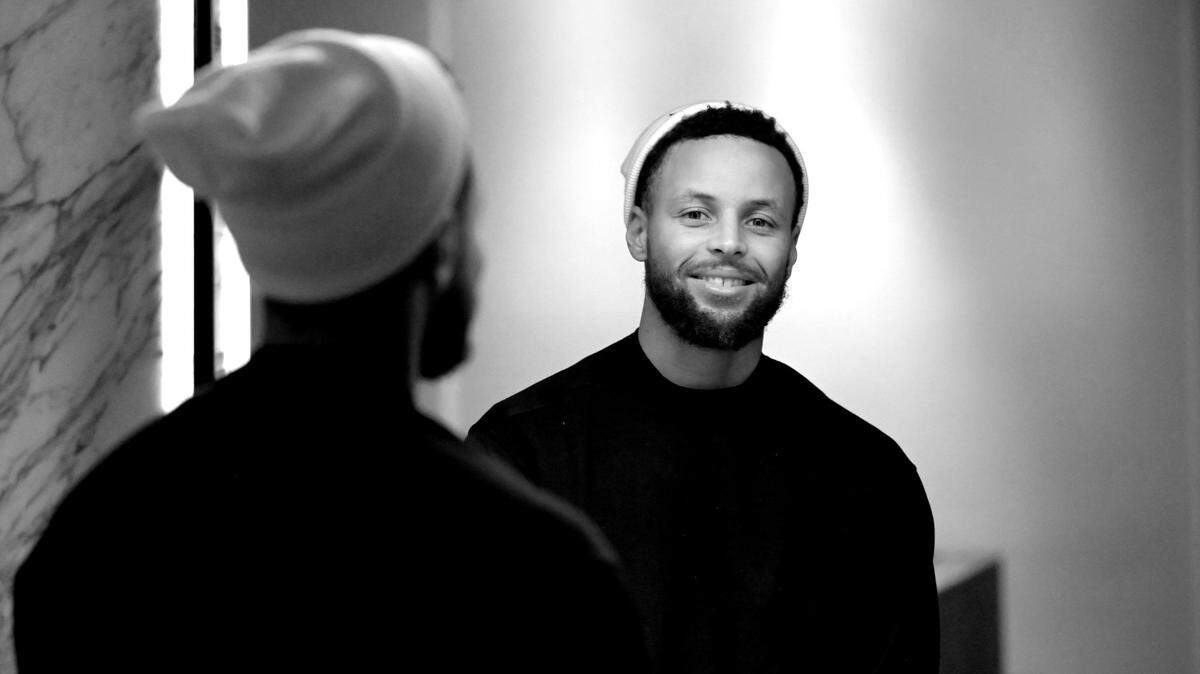
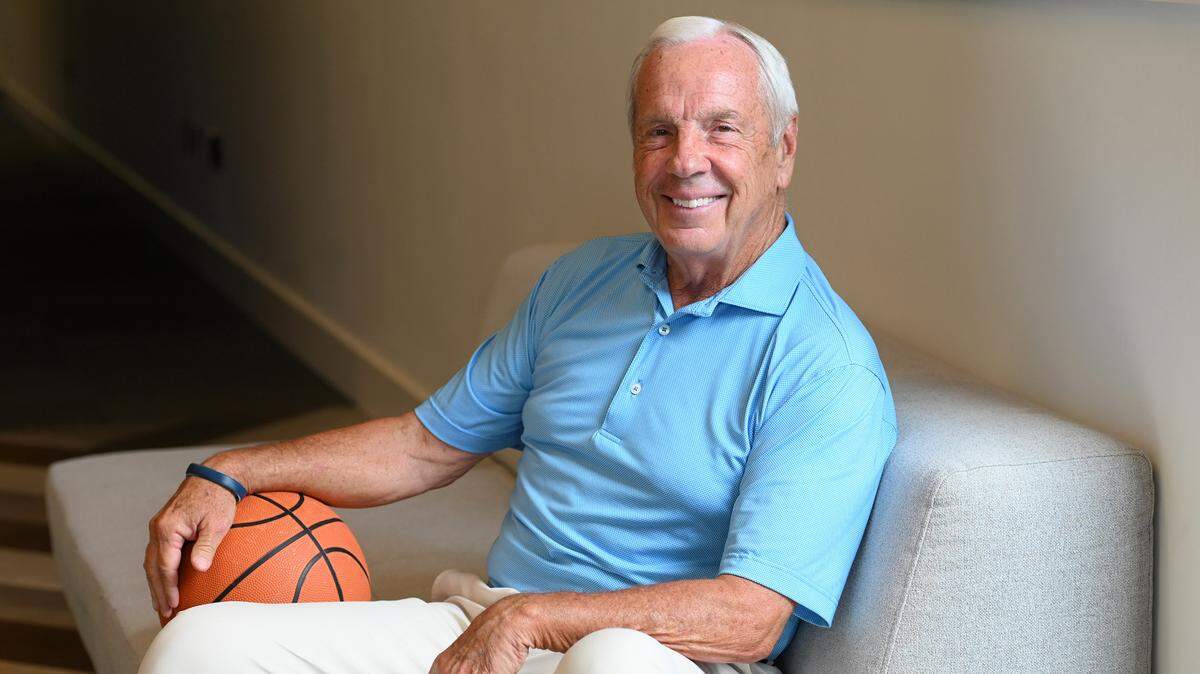
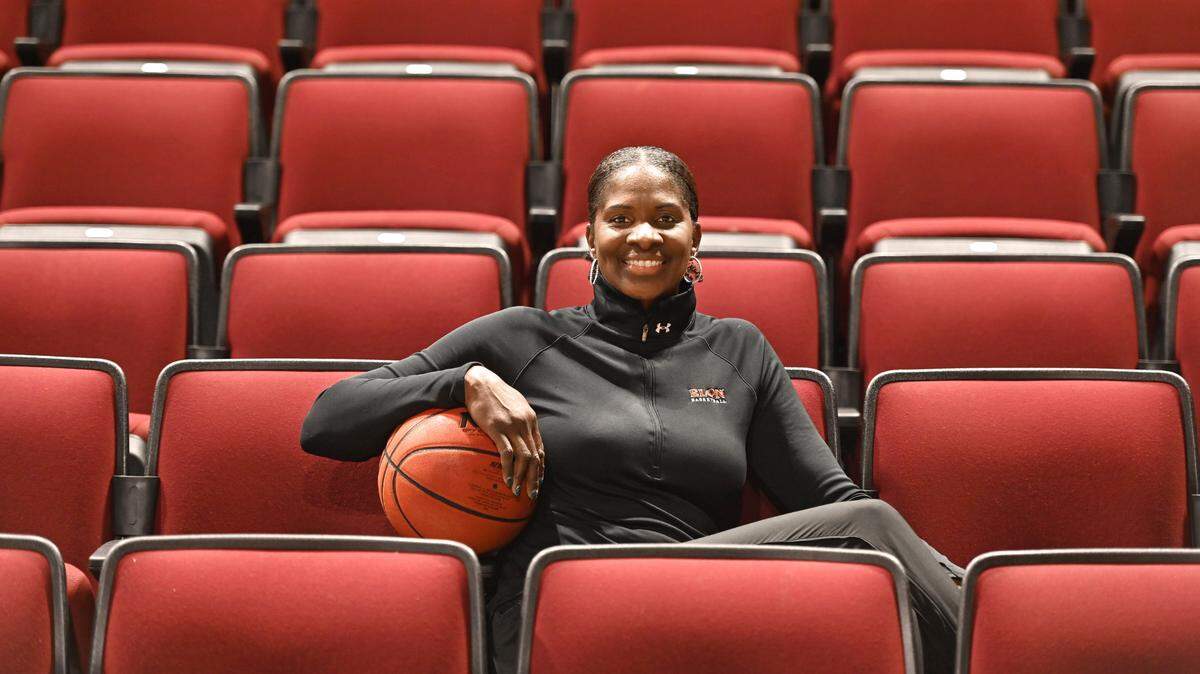
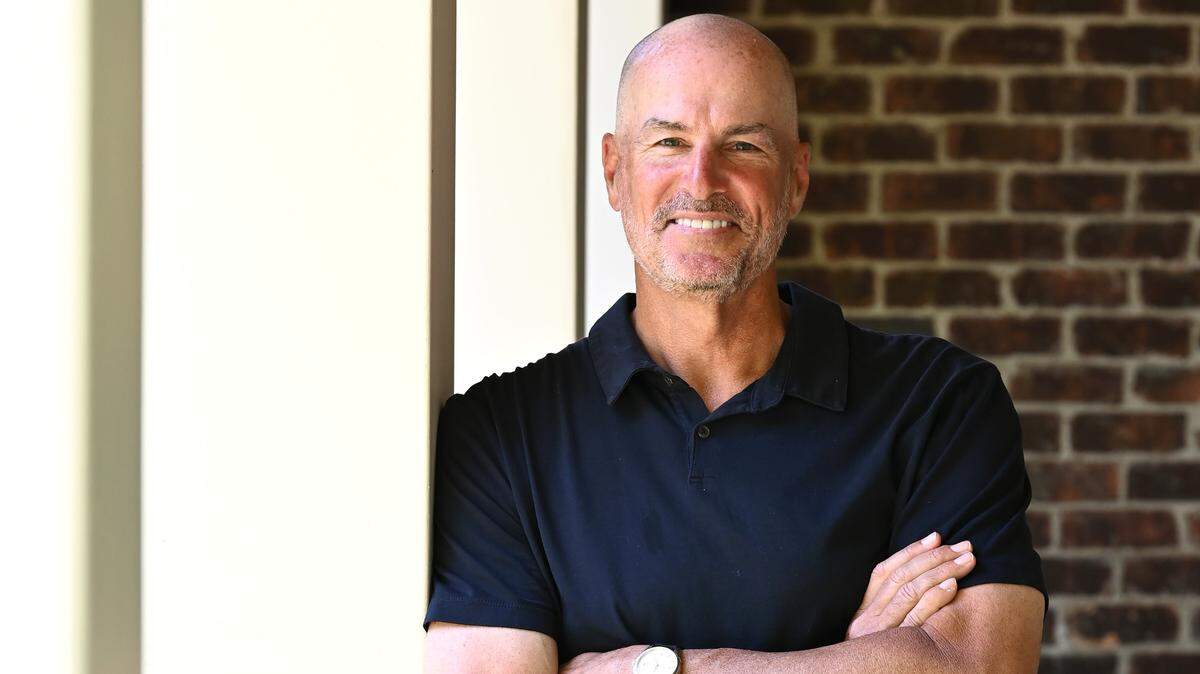
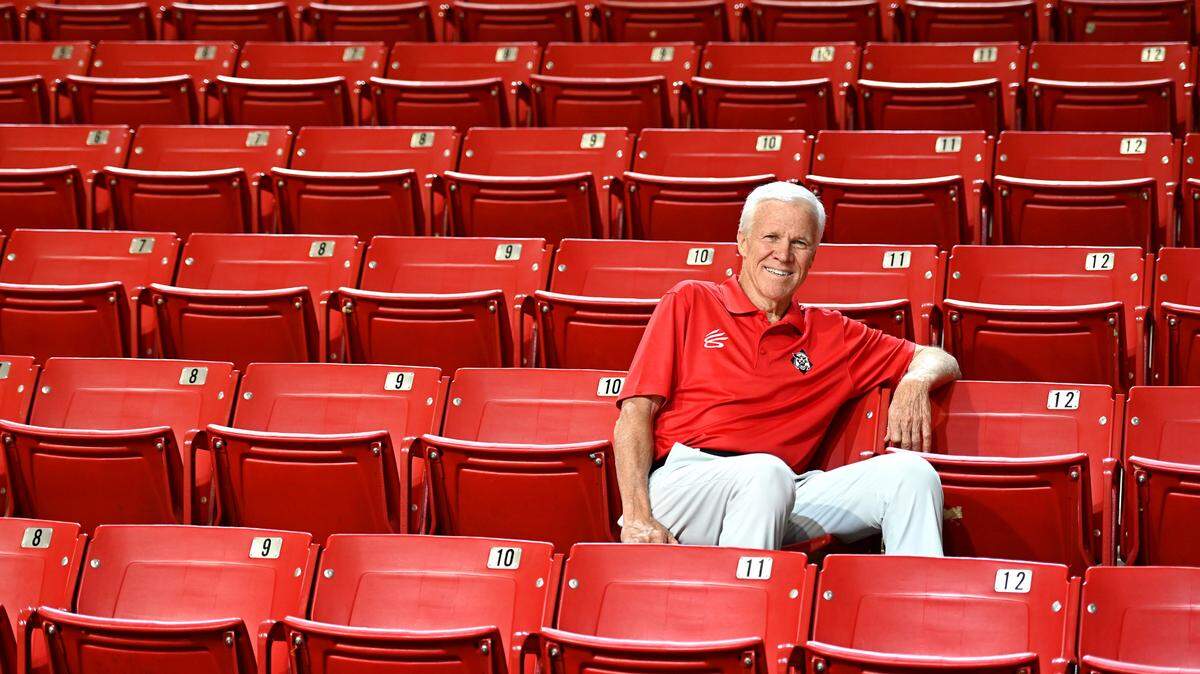
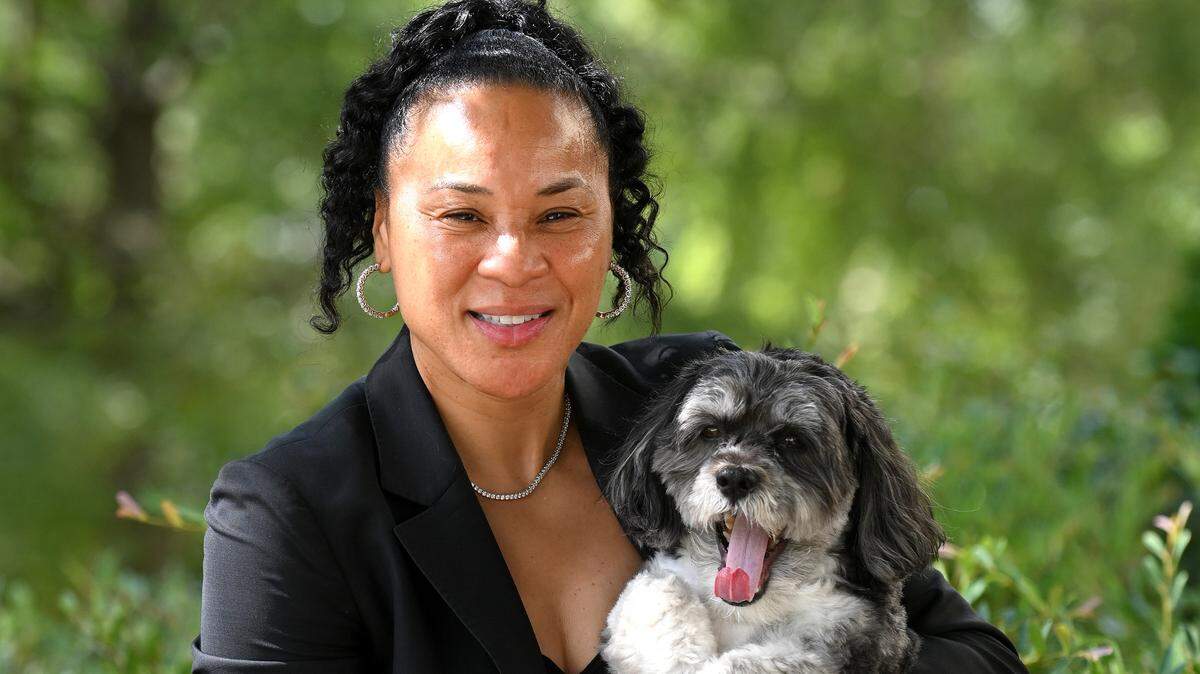
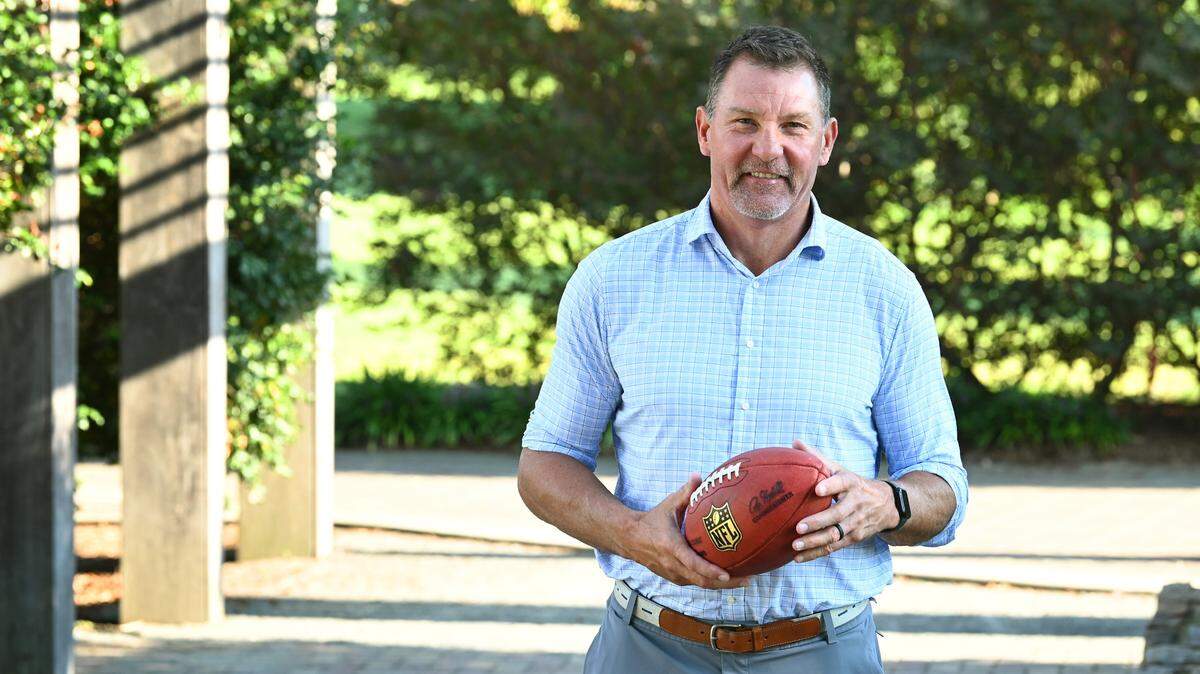
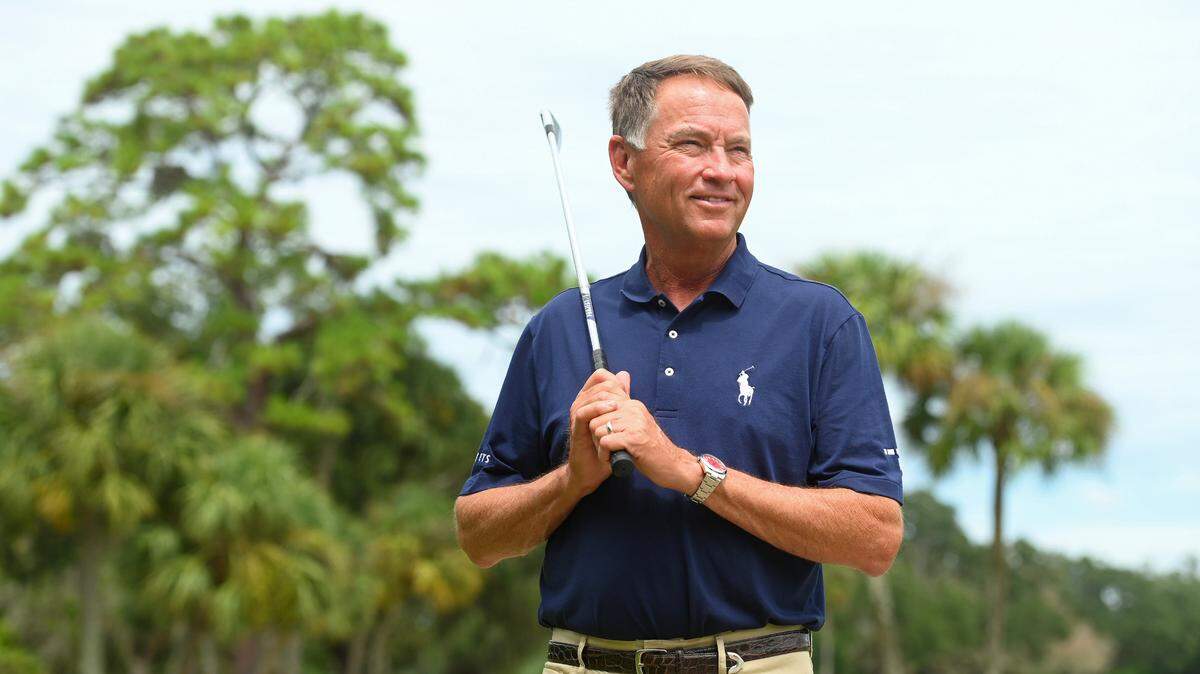
For much more from this interview as well as other “Sports Legends” guests like Steph Curry, Jay Bilas, Greg Olsen, Roy Williams and Dawn Staley, check out the “Sports Legends of the Carolinas” podcast. This interview has been edited for clarity and brevity.
Scott Fowler: In 1977, I know some of your teammates believe that Charlotte really should have won the NCAA title but got robbed in the semifinals vs. Marquette. Do you?
Cedric Maxwell: Oh, we got hosed. We really did. But as I look back on it, and the moments of just getting there, to be such a small school and get that far and almost win it and actually beat the No. 1 team in the country that year (Michigan) — it was pretty fascinating.
Q: How did you wind up coming to Charlotte to play basketball?
A: Just by chance. Like Michael Jordan, I went out for my high school basketball team in Kinston and I got cut. For me, it happened as a junior.
Q: A junior? How tall were you then?
A: About 6-3½. And the coach just didn’t feel like I was good enough. My mom used to play basketball at North Carolina Central. She asked the coach about it and he said, “Well, Mrs. Maxwell, I just don’t think so.”
But I was also in the coach’s physical education class. And he watched me play a little bit there, and asked me if I could dunk. I could.
And then between my junior and senior year, I grew about four inches (and made the team as a senior). We played against Phil Ford’s team in high school and ended up beating them. But I wasn’t heavily recruited. Not many people knew about me. I introduced myself once to Roy Williams and he said, “Cornbread, I know who you are already. Under Dean Smith, we had something called ‘The Cornbread Run.’ Coach Smith wanted to make sure we never missed out on any other players in the state, because we didn’t know who you were.”
Actually, I wanted to go to East Carolina, which was right in my backyard.
Q: They didn’t want you?
A: They offered me a partial scholarship, which they later regretted. ... There were some smaller schools that wanted me, like Lenoir-Rhyne. The coach there wanted me to come desperately. But on my visit, I always remember having breakfast and they gave me a couple of pieces of burnt toast, and an egg that was cold and I was like, “I’m not coming here.”
And then I visited UNC Charlotte and went to the cafeteria. The food was great. The coaches said, “Do you want some more? It’s all you can eat here.”
Q: So burnt toast vs. all-you-can-eat? That was the difference in your recruiting?
A: Well, also the beauty of the school. I loved UNC Charlotte. But the cafeteria definitely helped.
Q: Tell me about growing up in Kinston, N.C.
A: I grew up in a segregated town where there were those water fountains which were white (only) and areas where, if you were colored, you couldn’t go in. But I just remember being in a very loving environment. I had my parents. I had my grandparents.
The only time I saw white people was when I went with my grandmother. My grandmother cooked for a white family that was very affluent. And so when she would take me to their house, I had to dress up. I had my white shirt on and had my black pants on. That was my first introduction to white people. It was different. We literally went across the tracks to get there.
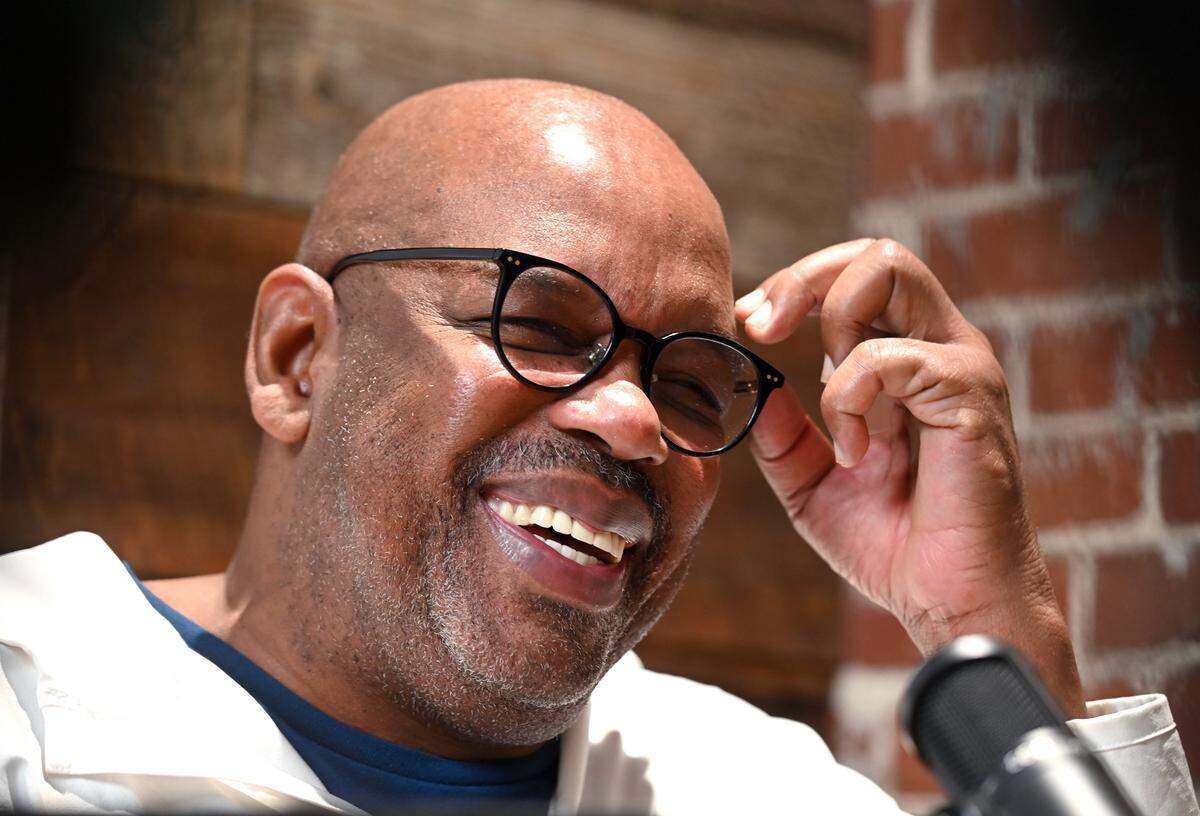
Q: How did you get the nickname “Cornbread?”
A: That came from a movie called “Cornbread, Earl and Me” which came out (in 1975). “Cornbread” was Jamaal Wilkes, who ended up playing at UCLA. He played basketball all the time. And he had two little boys in the movie who he befriended. One of them was actually Larry Fishburne.
And because I looked like Jamaal, some guys on our Charlotte team started calling me Cornbread. And at Madison Square Garden in 1976, I was playing well in the NIT, and some reporters overheard my teammates (call me) Cornbread. And that’s how it started.
Q: So it had nothing to do with you actually liking cornbread.
A: I don’t like cornbread at all.
Q: Cornbread Maxwell doesn’t like cornbread?
A: I’m a Southern boy at heart, but I don’t like cornbread and I’ve never had chitlins. I’m just not a cornbread person.
Q: Making the NIT final in 1976 was important to that Charlotte team, right?
A: Yes. We got to the final and lost to Kentucky. I was MVP, in a losing effort. But that was our introduction to the big time. It made me think I was one of the best players in the country.
Q: In 1977, Charlotte had its magical season, upsetting No.1 Michigan on the way to the Final Four. Then it’s tied 49-all against Marquette with a couple of seconds left in that Final Four. What happened next?
A: They try a long inbounds pass. I know I’m going to catch this ball if they try to throw it over my head. And he throws it, and I catch it, but (Marquette star) Jerome Whitehead hits me from behind and jars the ball loose.
He goes to dunk it, but I was able to block his dunk. The ball hung on the rim, and then he actually tapped it in while it was on the rim. It was goaltending. And that’s how we lost.
Q: You were raised by your mom, Bessie, and the man you considered to be your father, Manny Maxwell. How did you eventually find out about your biological father?
A: I got a call not too long ago from a woman I had gone to school (in college) with. She said she had had a child about 40 years ago, and that child was mine. So to make a long story short, I took a DNA test. The child wasn’t mine. But when I told my sister about taking a DNA test, she said, “Oh, so you can find out who your real father was?”
I said, “What?!” And then the rest kind of spilled out. I ended up finding out I had actually been adopted by my dad, Manny Maxwell.
But I had a different (biological) father. His name was Deford Small, and he lived in South Carolina. I ended up finding out I had other extended family there, including a brother, Reggie Small, who was about 6-foot-8 and played basketball at Furman.
I remember asking my mom about it and saying, “When were you going to tell me this story?” She said, “Oh, I was going to get around to it.”
Here she is 87 now and she was about 84 then. When was she planning on working up to it? Giving me a shout from Saint Peter’s Gate? (Laughs).
Q: Did you ever meet him?
A: Well, when I told my mother I never got to meet him, she said, “You met him about eight times. Last time you met him, you were 13. He came to the house.” I said, “But you didn’t tell me who he was! How was that going to help me?” I never really had a chance to talk to him once I found out. He was alive, but very ill, and soon passed away.
Q: You were drafted No. 12 overall in the 1977 NBA draft by the Boston Celtics. As a Southerner, what did you think about going to Boston?
A: Hated it. Absolutely hated it. ... I wanted to go to Atlanta and stay in the South. ... Then we went through a lot of things in Boston my first couple of years until we got some kid from Indiana.
Q: Yes — French Lick, Indiana, to be exact. What was it like playing with Larry Bird?
A: I always say, “What was it like for Larry Bird, playing with me?” Because I had had a great scoring year my second year in the league, averaging 19 (points) and 10 (rebounds) ... I was the big dog.
And then we get Larry and I remember just being this prejudiced Black guy who felt like this white guy couldn’t play. ... And then he starts scoring on me in practice and I remember afterward, the first Black person I could get to, I said, “You know what? That frickin’ white guy can play ...” God is a funny guy, really. He didn’t just give me one of the best white players ever. Soon we got Kevin McHale. So he gives me two!
It was kind of funny to develop a relationship with Larry. We were as different as day and night. Larry wanted to hunt, smoke cigarettes and drink beer. I didn’t drink beer. I didn’t smoke cigarettes. But we formed a great partnership on the court.
Q: I didn’t know Larry Bird smoked cigarettes.
A: Yep. ... My first year in the league, all that was a surprise to me. In my first game, a guy who I idolized was Jo Jo White. And my first game in the league I look across at halftime and Jo Jo is smoking a cigarette. And I’m like, at halftime in the locker room?! And I wanted to tell the coach. But then I looked up at the chalkboard and (Celtics coach) Tommy Heinsohn was smoking a cigarette, too.
Q: In 1981, you were the NBA Finals MVP, and then in 1984, you played a pivotal role in Game 7 of the 1984 NBA Finals in which Bird and the Los Angeles Lakers and Magic Johnson faced each other.
A: That was the birth, really, of the excitement of the NBA and people watching it from coast to coast. I played against (the Lakers’) James Worthy, and even now we have these arguments about who was better. To win that game was huge.
Q: Didn’t you tell your teammates something before that Game 7?
A: Yes. I told them, “Don’t worry about it. I want you b------ to get on my back tonight. I’m going to carry you. ...” And then I had 24 points, eight rebounds and eight assists.
Q: Tell me about your fight with Charles Barkley.
A: I had a couple of fights with him, but one was when I was playing with the Los Angeles Clippers. Barkley had a habit when he was rolling where, if you took a charge on him, he’d throw the ball at you, almost in disdain. Like you were garbage.
I told my buddy Norm Nixon, “If he throws and hits me with that ball, I’m going to (bleep) him up.”
So I take a charge. Charles does exactly what I said. He throws the ball down on me in disrespect. ... My teammates are holding me, but I break away, and now I am just whacking on him. It’s like Whack-a-Mole. I got thrown out of the game, but I didn’t get fined, because Charles was doing that to a lot of people.
Q: Who in your opinion is the best NBA player ever?
A: Hakeem Olajuwon. He dominated the game better than anybody has ever dominated the game.
Q: Who’s the best Boston Celtic ever?
A: Bill Russell.
Q: What regrets do you have in life?
A: None. I’ve lived an amazing life. Well, maybe not meeting Deford Small (his biological father).
But Manny Maxwell (the man who adopted Maxwell and gave him his last name) was my hero.
On his deathbed, I told him I was so proud of him, being my dad. Manny never let me down. I became the man I was because of him. And I’ll always remember his words to me. He said, “Cedric, I’m glad I could help.”
This story was originally published March 2, 2023 at 6:00 AM with the headline "Cornbread unplugged: Charlotte’s Cedric Maxwell on Bird, Barkley and 1977 Final Four."