Exclusive: App State QB Armanti Edwards on Michigan upset, ‘dark times’ with Panthers
READ MORE
Sports Legends of the Carolinas
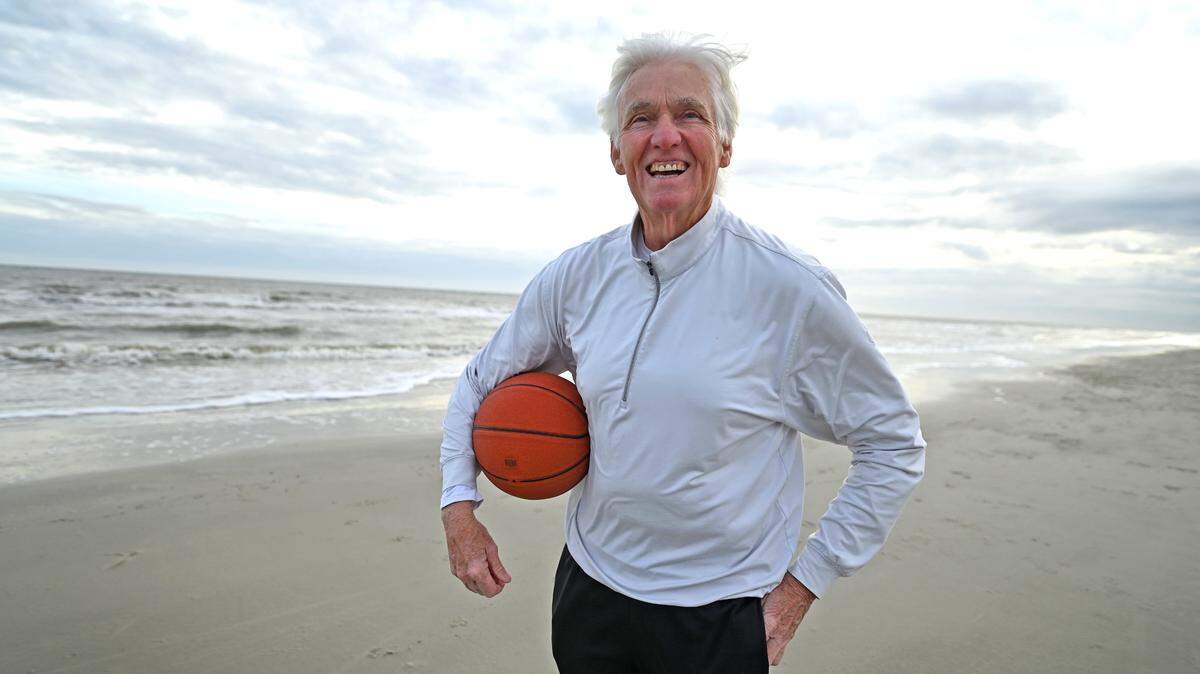
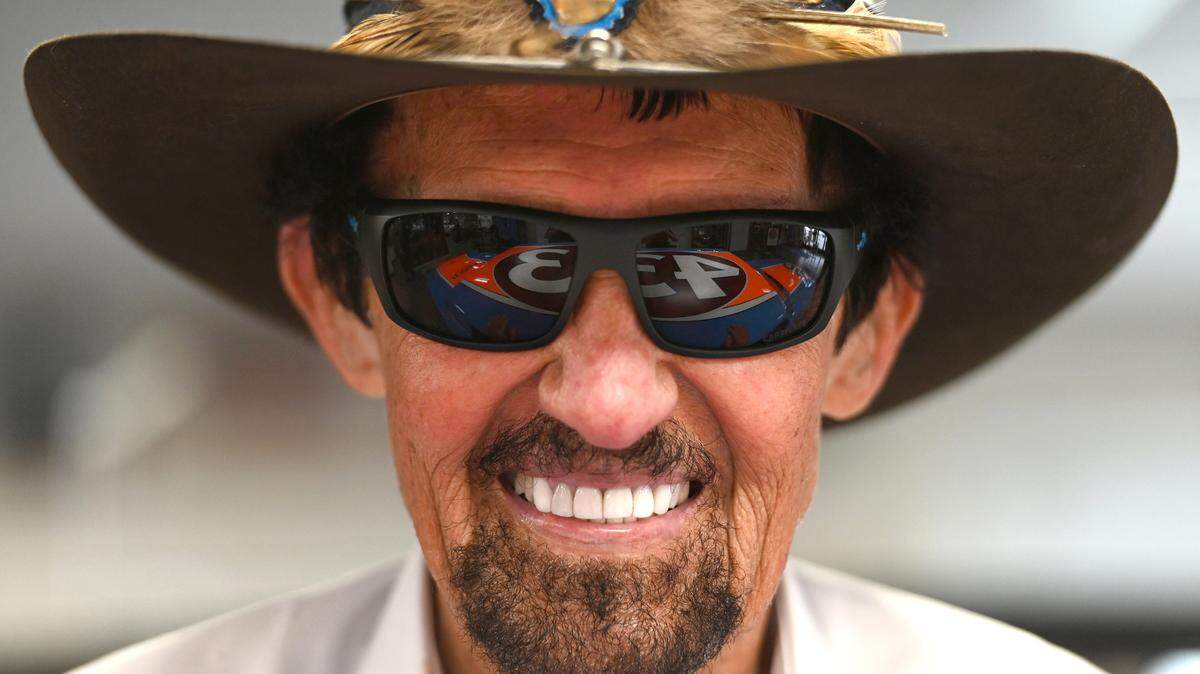
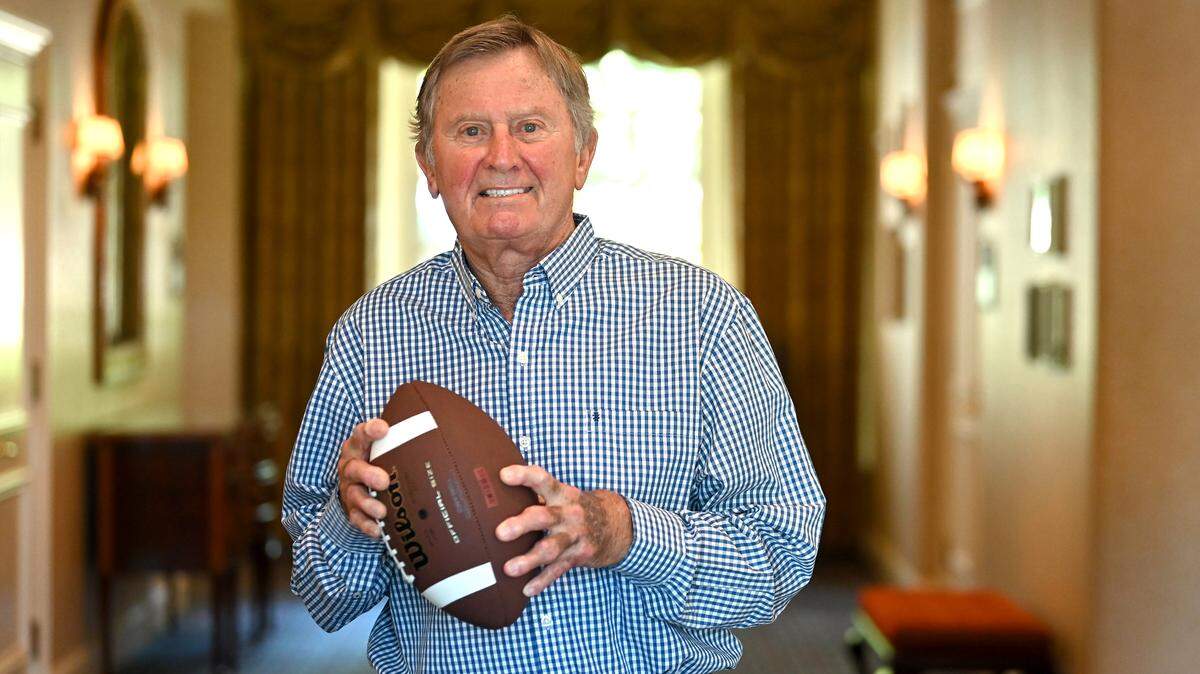
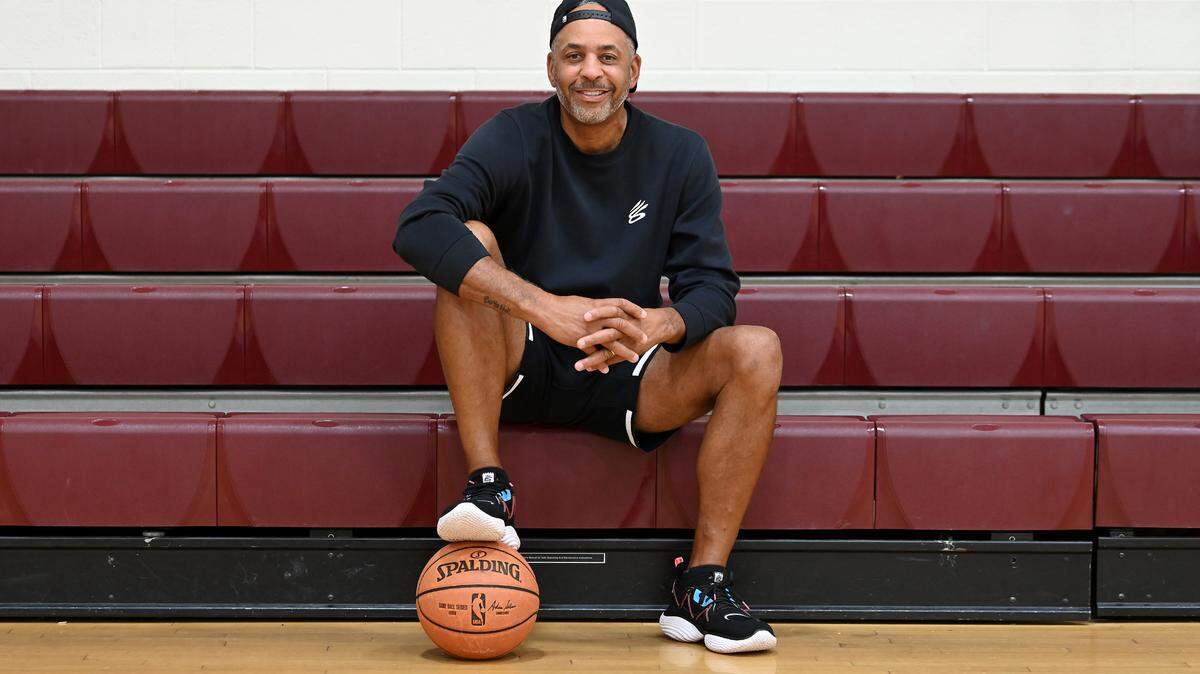
We know they’re legends. But what’s their side of the story? Conversations with the best in Carolina sports history, hosted by Scott Fowler.
Expand All
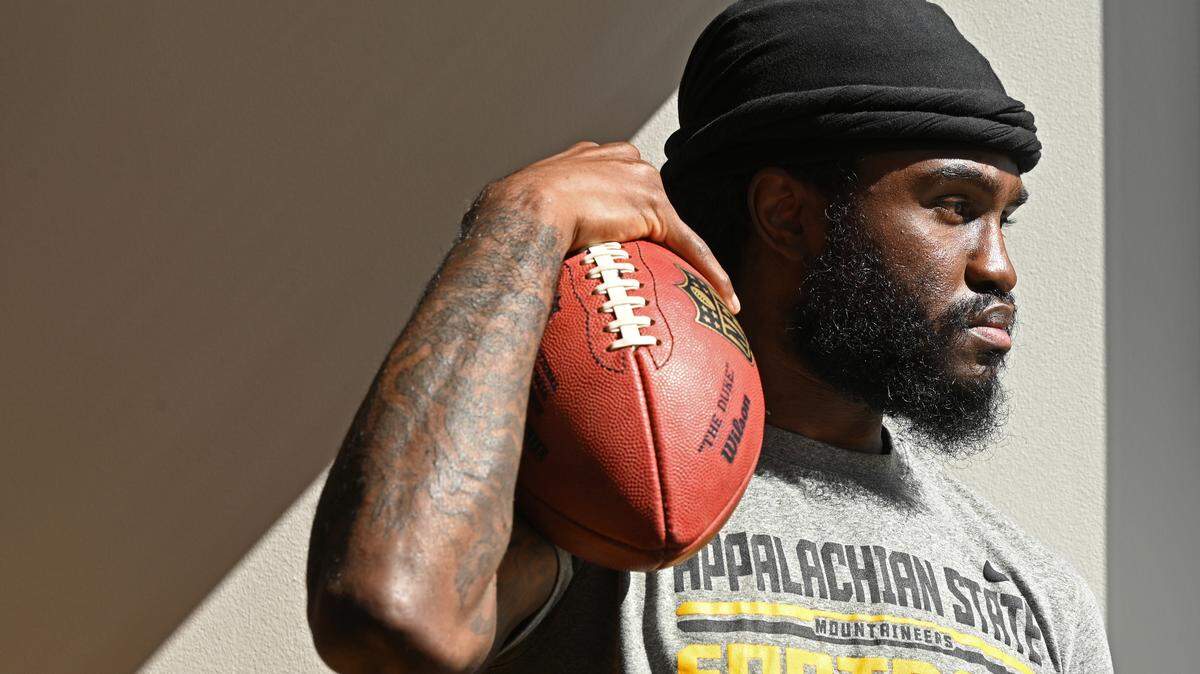
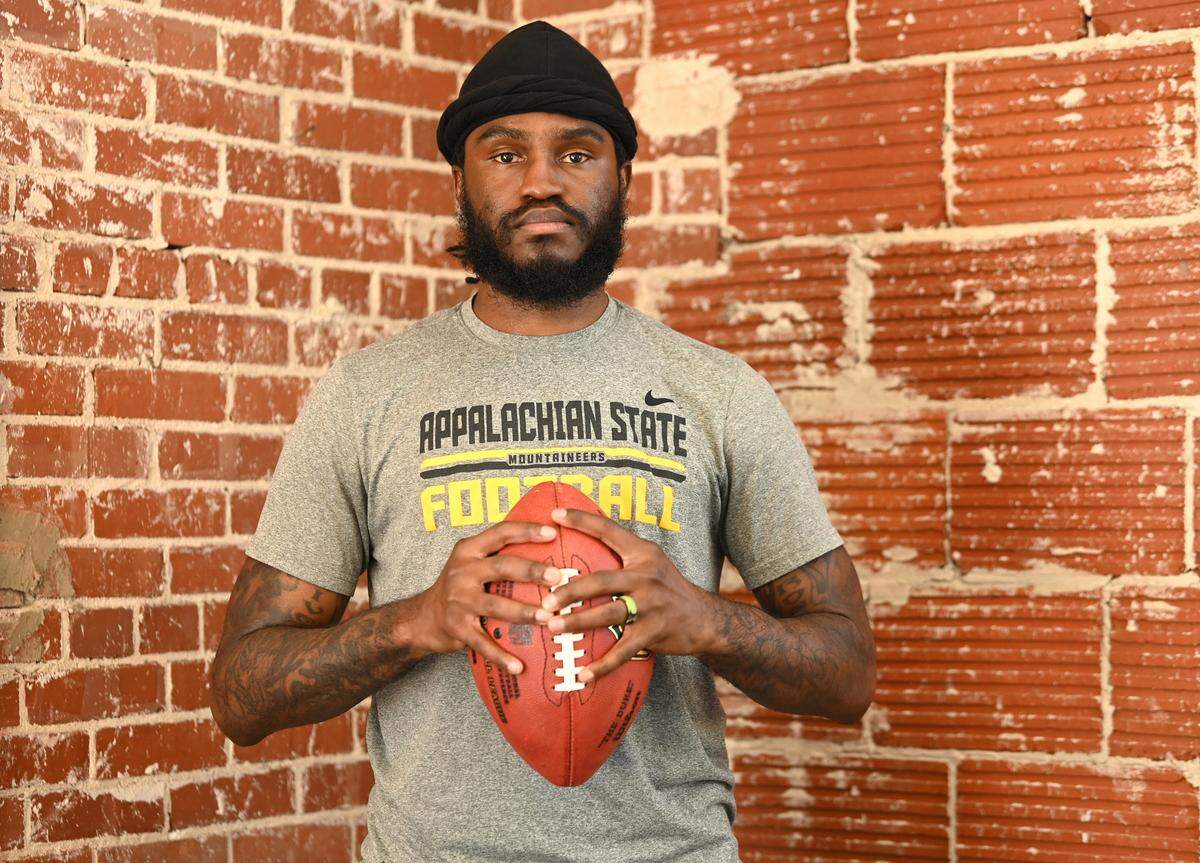
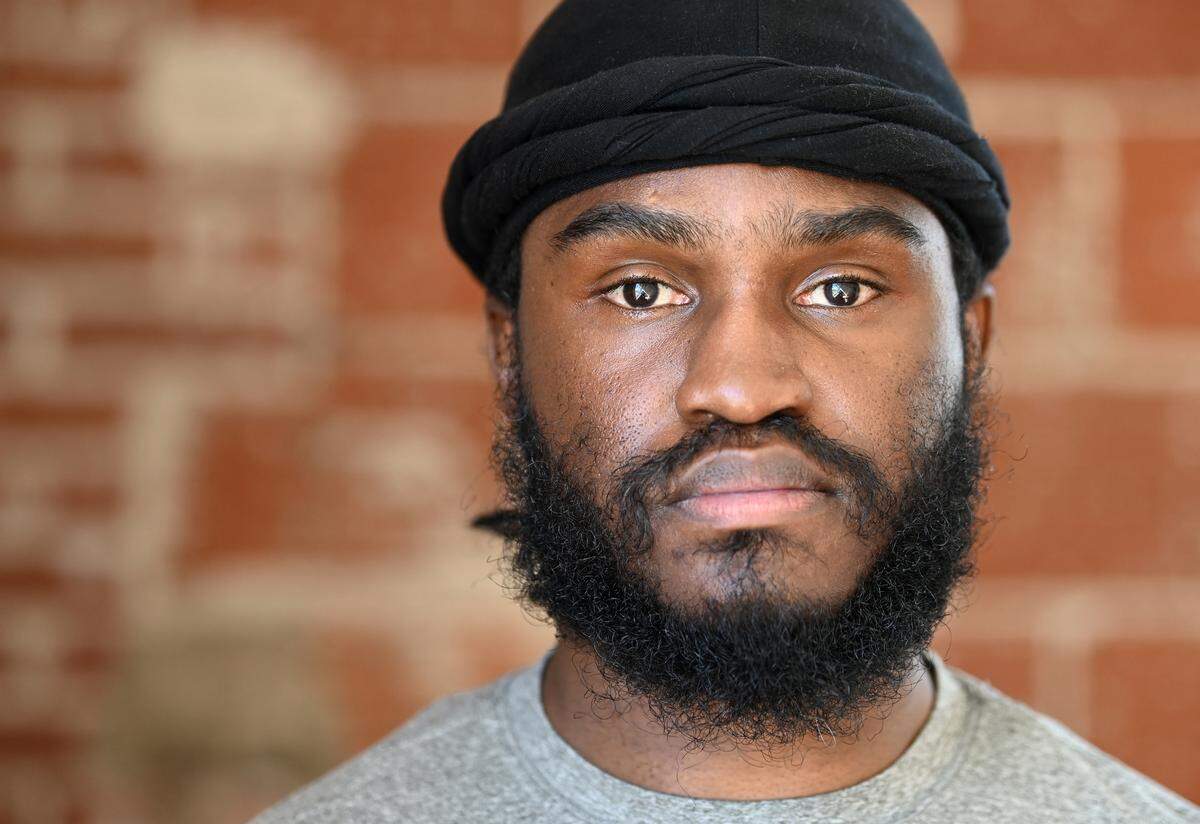
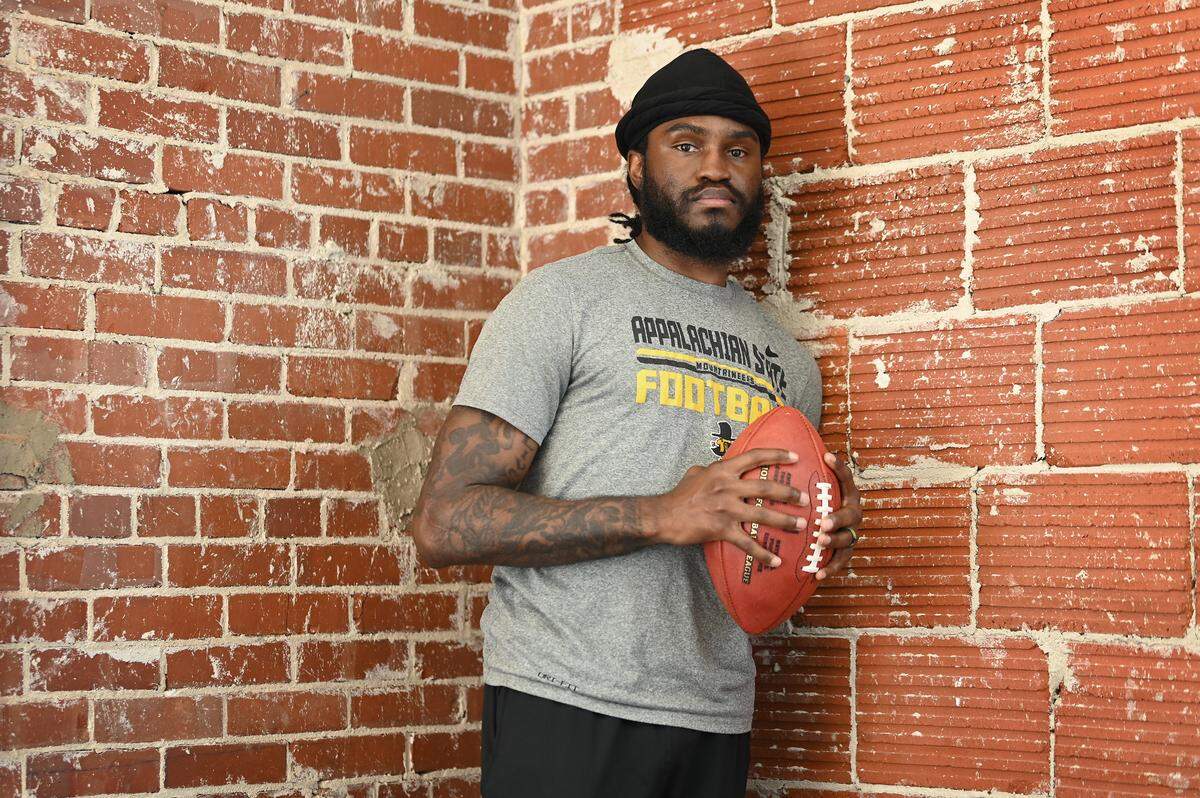
Armanti Edwards, the star of this week’s “Sports Legends of the Carolinas” multimedia project, had the sort of college football career most people can only dream about.
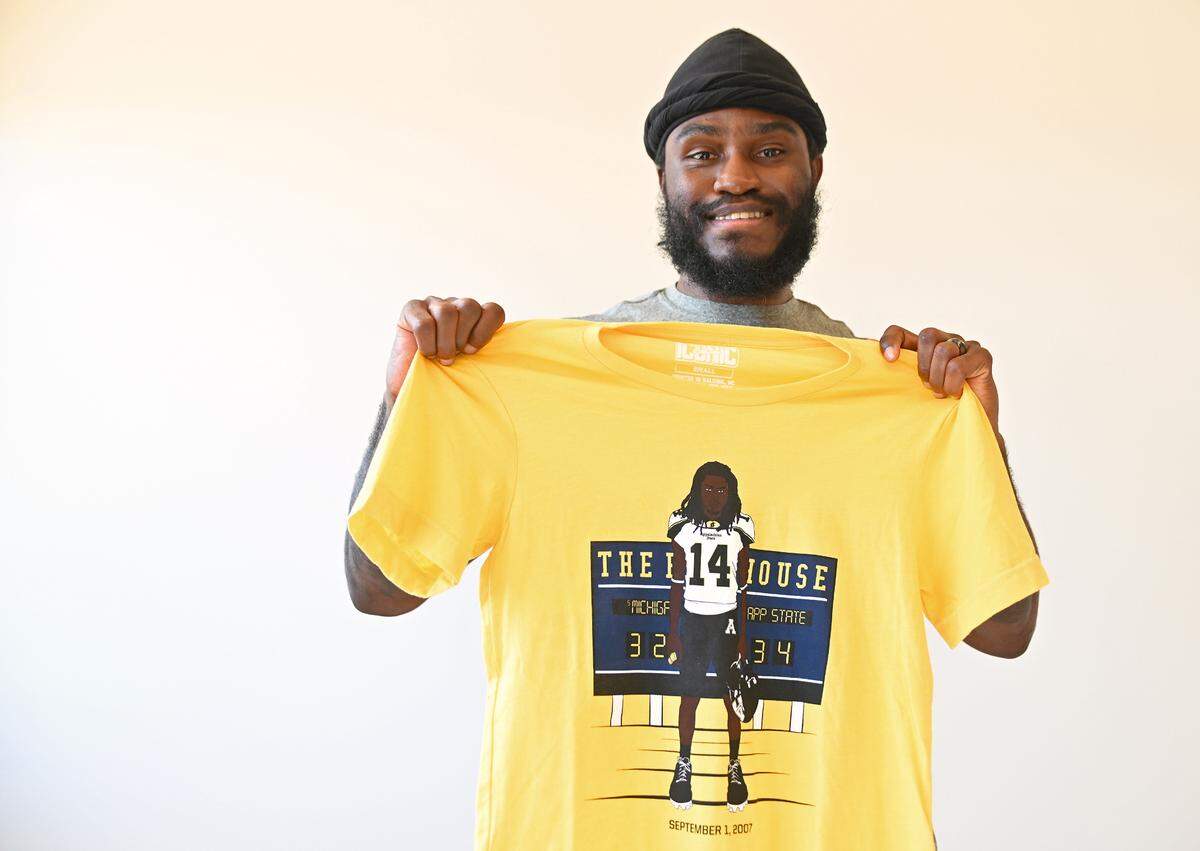
As a once-in-a-generation quarterback at Appalachian State, he led the Mountaineers to FCS national championships in 2006 and 2007 as well as an extraordinary road win against Michigan, often called the biggest upset in the sport’s history.
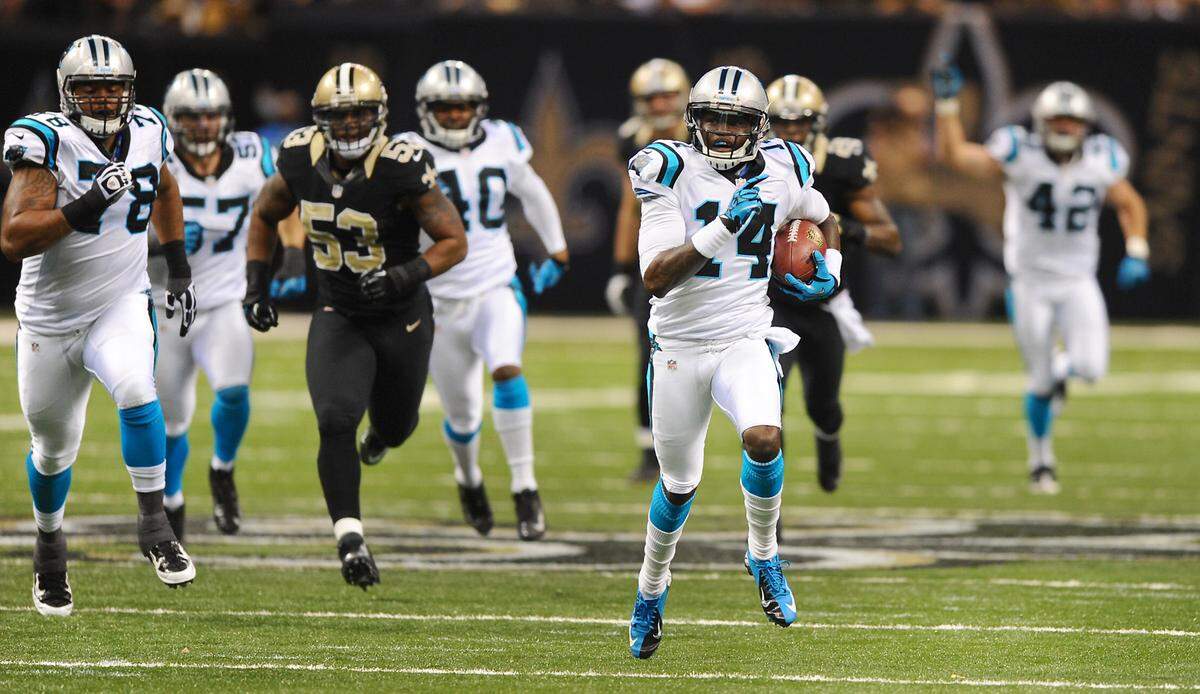
From Greenwood, S.C., and lightly recruited, Edwards would become the first two-time Walter Payton winner as the FCS National Player of the Year. He was a four-time All-American who led App State to a 42-7 record as a starter. He then became a third-round NFL draft pick by the Carolina Panthers. The Panthers employed Edwards from 2010 to 2013, trying to switch him from quarterback to wide receiver and punt returner with little success.
That was a period where Edwards experienced “the darkest time in my football career,” as he said in our interview.
Edwards would then have a solid career as a wideout in the Canadian Football League, where he once played on a team that won the CFL’s equivalent of the Super Bowl.
Now 35, Edwards lives in Charlotte with his family. This interview — which can be found in full on the “Sports Legends of the Carolinas” podcast — has been edited for clarity and brevity.
Scott Fowler: Let’s start with the Michigan game. It’s 16 years later, and everyone still remembers it. App State was coming off back-to-back national championships at the Football Championship Subdivision level, but was still a huge underdog to mighty Michigan.
What was the lead-up to the game like?
Armanti Edwards: When we came back for summer workouts, our strength coach (Jeff Dillman) put the Michigan fight song on repeat in the weight room. For the entire summer! That irritated everybody. We went from being excited to play them to getting mad.
With a week or two left before we went to Michigan, we started facing injuries. I got hurt. Our starting center got hurt and wasn’t able to play. And the week before the game I wasn’t able to practice at all because of a sprained AC joint in my throwing shoulder.
But at the same time we were watching film, and we saw they had extreme trouble with the spread offense. When a team spread them out, they had trouble covering. Michigan was huge, but its linebackers were more for stopping the run out of the I formation.
SF: Had you ever been on a plane before you went to Ann Arbor?
AE: Not at all. That was my first plane trip, so I didn’t know quite what to expect. I was a little afraid. Nervous. But once the plane took off, I went to sleep.
When we got there, before we even went to the hotel, we went to the stadium and Coach (Jerry Moore) let everybody walk around and see it. Our coaches knew a lot of guys hadn’t been in an environment like that. So they let everybody go check out the stadium and get the oohs and aahhs out.
SF: When the game started, you had some early success throwing the ball, right?
AE: Yes. Their defensive linemen were obviously bigger than our offensive linemen, so our game plan was quick throws. Spread them out. And we happened to have one of the fastest guys in the nation in Dexter Jackson. He could take a slant 80-90 yards easy, and that’s just what happened (Jackson caught a 68-yard touchdown pass in the first quarter).
But on the first drive coming out of halftime, I got sacked and was thrown directly on my hurt shoulder. I think it was a cracked bone. But adrenaline was still rushing, and I managed to finish the game.
A blocked field goal, an App State celebration
SF: At the end, App State had a drive and Julian Rauch kicked a field goal to go ahead, 34-32. But then Michigan also got in field-goal range and had a 37-yard field goal with six seconds left that would have won the game.
AE: Yes. Now what a lot of people didn’t get to see was our practices, with Jerome Touchstone and Corey Lynch blocking field goals.
They were so good at blocking them that — I’m not exaggerating — they literally would run past our kicker (skipping out on an easy block) just to let him kick the field goal and practice.
So I was thinking maybe someone would block it. But another part of me was saying: “Man, we’ve already blocked one field goal. What are the chances we block a second one?” I felt like it was 50-50.
Corey Lynch came in from the left side, and he blocked it. Luckily the ref didn’t throw a flag, because I, along with 50 other guys, was on the field while Corey was running the ball back.
SF: What was the plane ride like back home?
AE: One of the most exciting but painful experiences I’ve had, because at that time the cortisone shot (that Edwards took before the game) had worn off. The adrenaline had worn off. I’m in a sling and, as much as I want to celebrate, I can’t move my left shoulder. But I wouldn’t change that experience for the world. When we got back to Boone, there was a huge crowd waiting to greet us, rocking the bus. It was crazy.
Should Edwards have stayed at QB? ‘Of course’
SF: Marty Hurney, then the Panthers’ GM, would make you a third-round pick in the 2010 NFL draft, trading away a future second-round pick to do so. And then the team immediately switched you to wide receiver. Do you think you should have stayed a QB in the NFL?
AE: Of course. From age 6 until my NFL career, I always played quarterback. It was second nature to me. I loved it. But at the time, (the Panthers thought) prototypical quarterback size was needed.
SF: You were playing football at about 5-foot-11. Then again, Bryce Young will be a 5-10 QB for Carolina this year. It can be done.
AE: We see it being done now. But when I was drafted, Russell Wilson wasn’t in the NFL yet. Drew Brees was, but he wasn’t 190 pounds, either, like I was (Brees was listed at 6-0 and 209 pounds). So I had an understanding that it was possible I wouldn’t be able to play the position.
But at the same time I was told… I would get some opportunities to do some Wildcat (formation, where Edwards could line up at QB for a series of plays from the shotgun). Not once or twice a year; some actual packages for games.
And that never happened. So that was a hard time for me.
SF: You played for the Panthers for most of four years, from 2010-2013, never scoring a touchdown after accounting for 139 of them at App State. How do you characterize that experience overall?
AE: That was the darkest time in my football career, at Carolina…. At the beginning, a guy that I looked up to on the team who knows a lot of the ins and outs — he told me the only reason they brought me in was to sell tickets because I’m from App. And I didn’t understand it at the time. It went over my head.
But as the season goes on, I’m not even getting the opportunity to play and we’re losing. You’re starting to see it.
You start to hear that the coach (John Fox) didn’t even want to draft you…. I felt like I wasn’t getting the help I needed to be a returner, let alone learn how to play receiver….
It was a lot of hardships. A lot of dark times.
Once Coach (Ron) Rivera got there (in 2011), he felt genuine. I liked him… He tried to really look out for me…. I got my opportunity to play punt returner, but I’m not getting (enough) practice, so I’m not really getting anywhere…
No disrespect to the receiver coaches, but they didn’t help me. They really just went and coached the guys they knew were going to play… The first time I started getting help was when Ricky Proehl got here as the assistant receivers coach. He actually took his time outside of practice, and in practice, to actually help me.
Gettleman releasing Edwards leaves ‘a sour taste’
SF: What happened when you got cut from the Panthers in 2013?
AE: I really started feeling comfortable then, in my fourth year. Coach Rivera deemed me the most improved player in camp. He was excited…. Cam Newton started calling me the “Silent Assassin,” because he along with the coaches was seeing a massive improvement from my third year to my fourth year.
But then I got hurt — a hamstring problem. So I didn’t get to play in the final preseason game…
We had a new GM (Dave Gettleman) that year…. It (Edwards’ release) was 100% his decision.
I didn’t handle it well, for the simple fact I was given for the release. I was looking for the straight-up answer. If you tell me, “Hey, you’re not panning out to what we expected. We want to give other guys a try” — I can handle that.
But during this time, my aunt passed during (training) camp. She was like the head of our family. She held the pieces together…. She was the closest sister at that time to my Mom. So that was devastating for her.
So I’m not practicing, and I asked if I could go to the funeral. They let me go.
I come back. I’m still not practicing (due to the hamstring). And I’m easing myself in (to practice)…. They were literally drawing up plays for me....
The reason (for being released) that I got from Gettleman is that I was never the same after my aunt died. That’s what he told me to my face.... So that left a sour taste in my mouth.
(When asked by The Observer Saturday to comment on the circumstances of Edwards’ release, Gettleman said via text message he had no comment).
SF: Growing up in Greenwood, S.C., were you raised mainly by your Mom?
AE: Yes, I stayed with my mom. But my dad was in my life. He’s an older guy. Hard-working. He owned his own brick contracting business and so I would go work with him in the summer…. Pretty much every Sunday he’d come get me, take me out to eat, or we’d go to Anderson or Greenville, to the flea market and stuff like that.
SF: Your dad, Freddie Edwards, has been in prison, convicted of murder for many years that was related to a death at a card game. Have you seen him much since he’s been in prison?
AE: Yes. His first prison was only about 30 minutes from my hometown, so I would visit often. Once I went to Canada, I couldn’t visit as often as I wanted. But he called constantly. He’s always calling. I just talked to him maybe a week ago, but I haven’t actually seen him in 3-4 years now.
SF: After the Panthers, you then had a very successful run in the Canadian Football League as a receiver. Now you have returned to Charlotte, where you and your wife live with your two kids. Tell us about your children.
AE: Our son is 12 and we have a daughter who will be 16 in September…. Our daughter has never been really interested in sports up until now. She wants to get involved in track. Our son, of course, only likes football. I tried to get him in other sports. He just can’t find the interest. But he loves football. He recently finished up a flag football season, as a wide receiver and a defensive back.
SF: Do you have any problem with your son playing tackle football due to the risk of injury or concussion?
AE: No, not at all…. He’s not playing tackle at the moment. We’re not comfortable with that… We want to protect his brain at all costs. But yes, as he gets older, definitely once he gets to high school, he’ll be in tackle football.
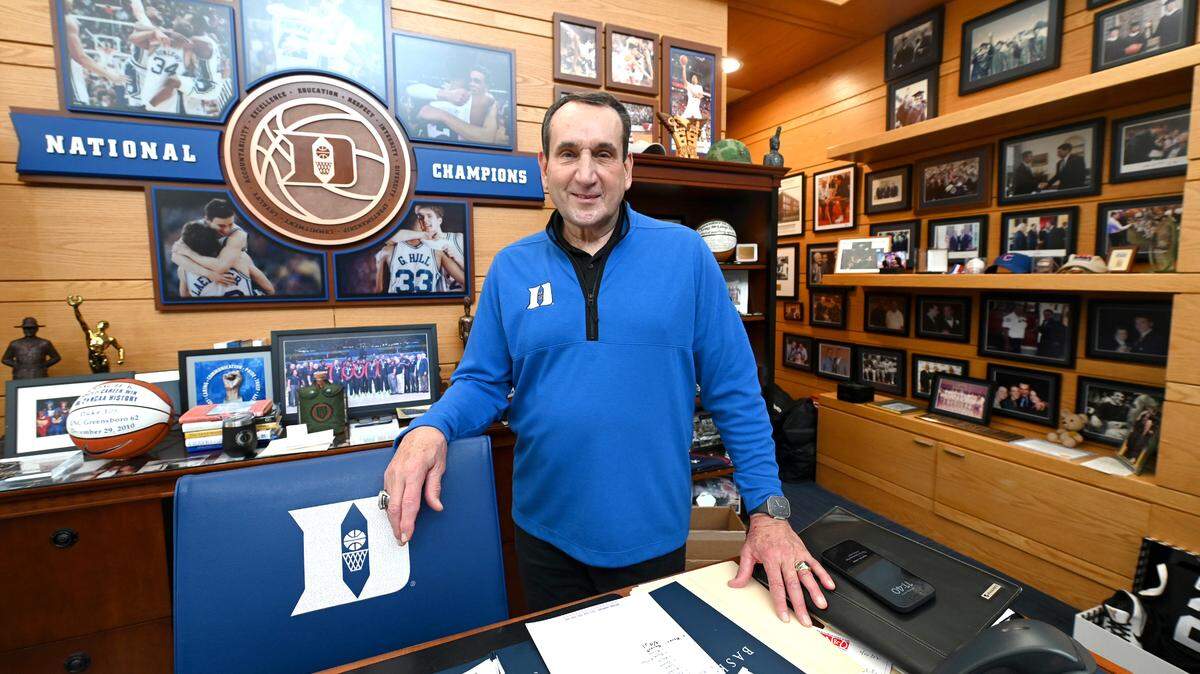
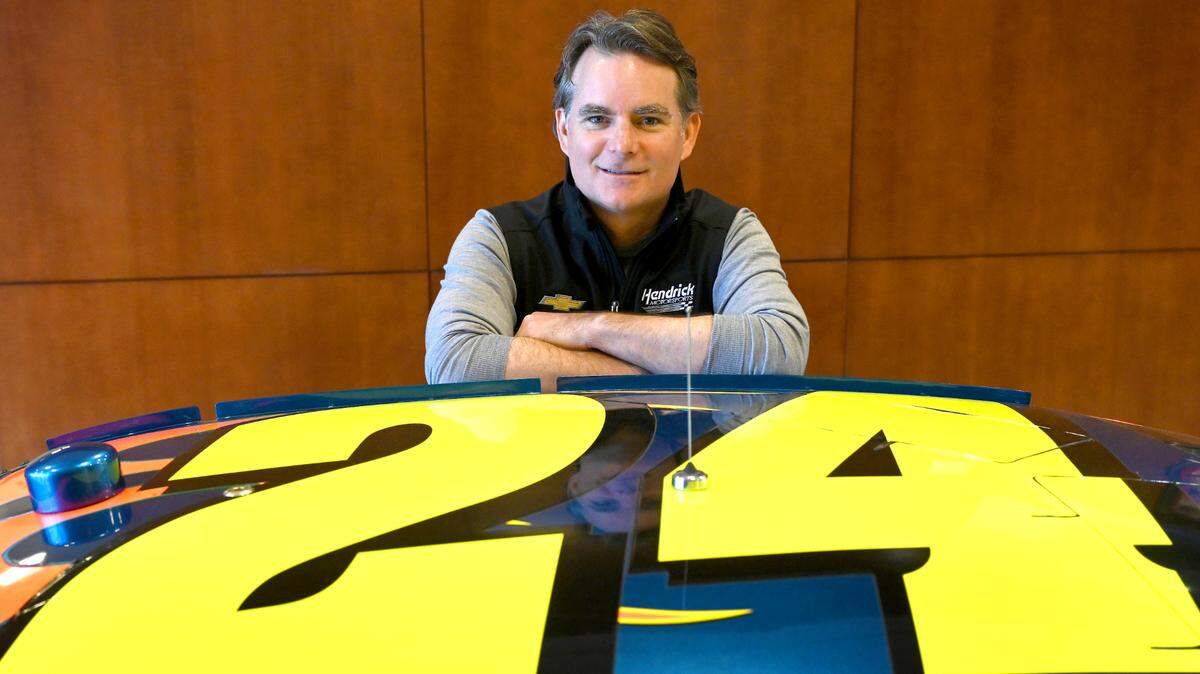
For much more from this interview as well as other “Sports Legends” guests like Steph Curry, Mike Krzyzewski, Roy Williams, Jeff Gordon and Dawn Staley, check out the “Sports Legends of the Carolinas” podcast. The “Sports Legends of the Carolinas” coffee table book debuts in November 2023 and is now available to pre-order — at a 20% discount — at SportsLegendsBook.com.
This story was originally published July 12, 2023 at 6:00 AM with the headline "Exclusive: App State QB Armanti Edwards on Michigan upset, ‘dark times’ with Panthers."