Proposed SC charter school raises unique conflict of interest questions
READ MORE
Unchartered Territory
Unchartered Territory is an ongoing series by The State Media Co. about South Carolina’s changing charter school landscape
Expand All
Shawn Ragin is a busy man.
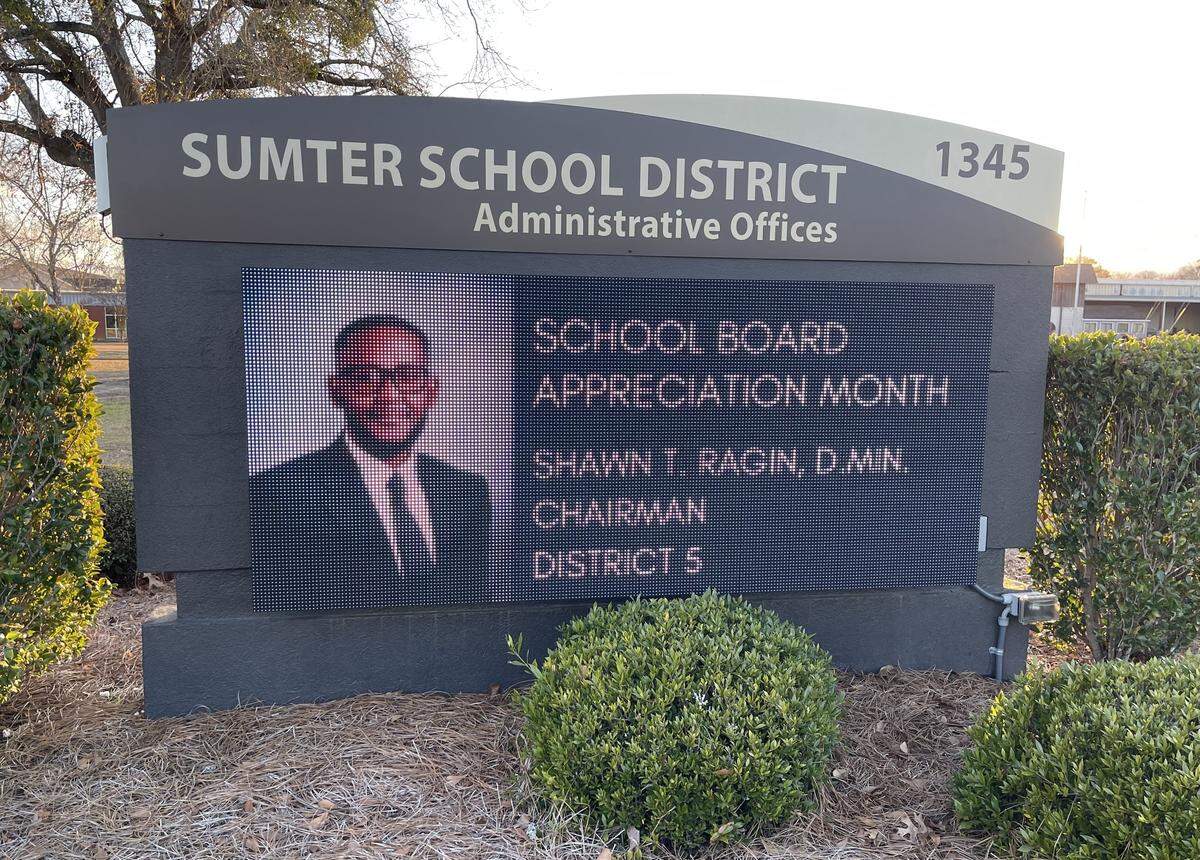
The 39-year-old founder, headmaster and namesake of Ragin Preparatory Christian Academy in Sumter chairs the board of the local public school district and has been approved to open Sumter’s second charter school.
If his RISE Entrepreneurial Leadership Institute opens in August, as planned, Ragin will simultaneously have his hands in public, private and charter schools in the same 43,000-person city.
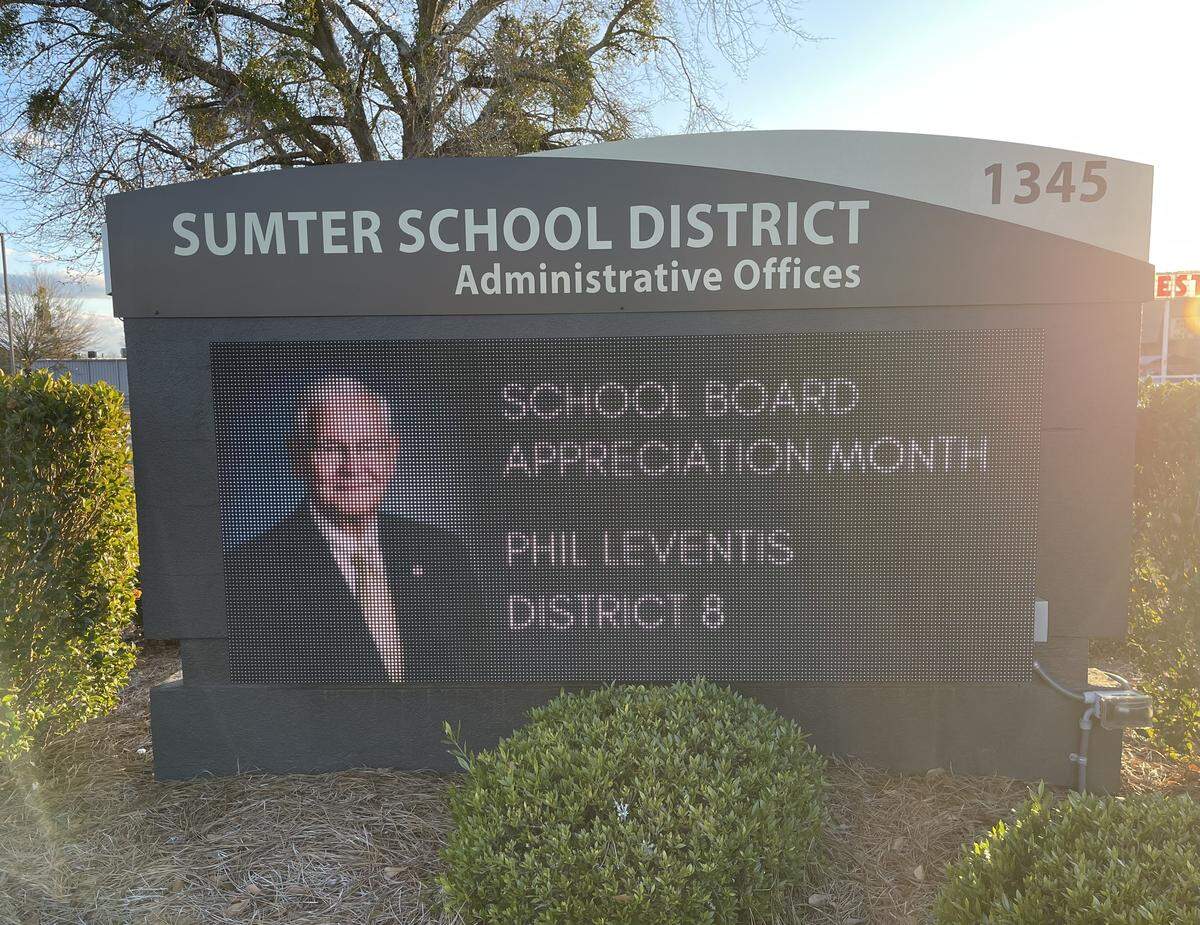
Where some see a public servant dedicated to expanding educational opportunities in his hometown, Phil Leventis sees a “very significant” conflict of interest.
Leventis, a retired state senator who serves with Ragin on the Sumter County school board, has repeatedly asked the chairman to resign or recuse himself from votes due to his role with the charter school.
Ragin has vowed not to seek re-election in November, but has refused to step down and remains active in school board matters.
Since word of his involvement with the charter school leaked last April, Ragin has run off the district’s superintendent, resisted calls for the creation of a new master plan and supported a controversial rezoning of school attendance lines, Leventis said.
Last month, when Leventis attempted to initiate a board vote seeking legal opinions on the chairman’s situation, Ragin ruled him out of order and moved on with the meeting.
The former state senator said he suspects his motion would have failed had it come up for a vote, but questioned why Ragin wouldn’t permit one.
“Why couldn’t we just let the board determine what the board wants to know?” he said.
In a statement provided to The State Media Co., Ragin defended his actions as necessary to maintain order and procedural compliance.
“The board member was informed in advance that the proposed item would not be placed on the agenda for action at that meeting,” he explained. “Despite that clarification, the motion was again raised.”
Ragin did not respond to The State’s requests for comment about his charter school.
In emails to his colleagues and the local Sumter newspaper, however, the chairman has denied that his role at the proposed charter conflicts with his service on the school board.
“Any future educational endeavors I may pursue are entirely separate and do not influence my responsibilities or decisions as a current board member,” he told The Item last spring. “I have upheld my duty with full integrity, and I remain focused on ensuring that all students in Sumter County have access to high-quality educational opportunities.”
While Leventis said he doesn’t think Ragin is trying to sabotage the school district, he fears the chairman is using inside information about teachers and administrators to poach its most productive educators.
“His long-term goal and his long-term economic interest lie with the charter school,” Leventis said.
Can a sitting school board chair open a charter?
Ragin’s dual roles do not in and of themselves constitute a violation of South Carolina’s ethics law. In order to run afoul of the Ethics Reform Act, he would need to use his position on the school board to obtain an economic benefit for himself or his charter school, and there’s no indication he’s done that.
Nor does it appear that Ragin’s situation violates the state’s constitutional prohibition against dual officeholders, as Leventis has suggested.
South Carolina courts have found that an “office,” in the constitutional sense, is created by the Legislature. Charter schools, which are independently-operated public schools, are created by private citizens or organizations.
A dual officeholder determination is further complicated by the fact that Ragin has not disclosed what his role will be when the charter school opens. He is the founder and current head of RISE’s planning committee, but could take on any number of roles — from board chair to principal to nothing at all — come August. For that reason, it’s likely a stretch to characterize him as an “officeholder” at this point, legal experts said.
Still, Ragin’s role with the charter school presents a challenge to his continued service on the Sumter school board, University of South Carolina law professor Derek Black said.
Because his charter and the public school district are in competition for students — and the tax dollars attached to them — Ragin must prioritize one role over the other, said Black, an expert in education law who has written extensively about charter schools.
“If the charter school is going to negatively impact the public school, I just don’t see how you can do the job that you’re obligated to do for the public school at the same time that you’re part of the potential problem for the public school,” he said.
The Public Charter School Alliance of South Carolina, a trade association that advocates for charters and advises their leaders on best practices, recommends against board members serving simultaneously in another public capacity.
“There’s just that risk that dual service could create inherent conflicts,” said Kevin Mason, the alliance’s director. “Even if it’s not explicitly named in statute or regulation or policy, that combination may create vulnerability under ethics or standards, and it may just be the best practice to separate those services and not serve in multiple roles at the same time.”
The alliance has on rare occasions dealt with situations where charter school board members served simultaneously on city or county councils, Mason said, but never, to his knowledge, on local school boards.
While the alliance has in the past reached out to board members who are serving in dual roles and advised them against it, Mason said he had not been in touch with Ragin and believed it would be premature to engage him before his ultimate role at RISE had been established.
There’s a possibility, however, the S.C. General Assembly passes legislation clarifying the legality of Ragin’s situation before that happens.
The Senate on Tuesday approved a charter school reform bill that, among other things, would foreclose the approval of charter school applications submitted by local school board members.
The bill did not initially include such a provision, but was amended on the floor at the suggestion of one of Ragin’s former school board colleagues.
State Sen. Jeff Zell, a Sumter Republican who served with Ragin on the county school board from 2022 to 2024, proposed the amendment specifically to address the Sumter school board chairman’s situation.
“We can’t necessarily determine people’s intentions,” said Zell, after airing his concerns about Ragin’s proposed charter school, “but I will tell you this thing stinks to high heaven.”
The freshman senator, who has closely followed the RISE saga from afar, told The State he was deeply concerned that Ragin’s actions are causing irreparable harm to the district’s already damaged reputation.
“My personal view is that even the appearance of a conflict of interest can undermine confidence in public institutions, especially school boards, which are entrusted with stewardship of taxpayer resources and the education of our children,” he said in an emailed statement.
It remains to be seen whether the House retains Zell’s amendment, which the Senate approved without discussion.
Mason, the charter schools advocate, said he had real concerns that the hastily-drafted provision could create barriers for people who want to serve on charter school boards.
“I understand we certainly should have regulations and don’t want to create conflicts of interest,” he said. “But we also don’t want to overregulate.”
Ragin’s journey from educator to school operator
Ragin, a Pinewood native and Lakewood High School graduate, was first elected to the Sumter County school board in 2018, and has served as chair since November 2024.
He worked for five years as a science teacher in Sumter and Lee counties before founding Ragin Preparatory Christian Academy in 2014, when he was just 27.
Located in a former commercial space just off of U.S. 76/378, Ragin Prep, as the school is commonly known, has about 200 students and serves grades PreK-12.
The non-denominational Christian school, which requires students to sign a lifestyle statement and commit to following biblical standards, was one of the largest private school recipients of state voucher money last school year, taking in nearly $26,000, according to S.C. Department of Education data.
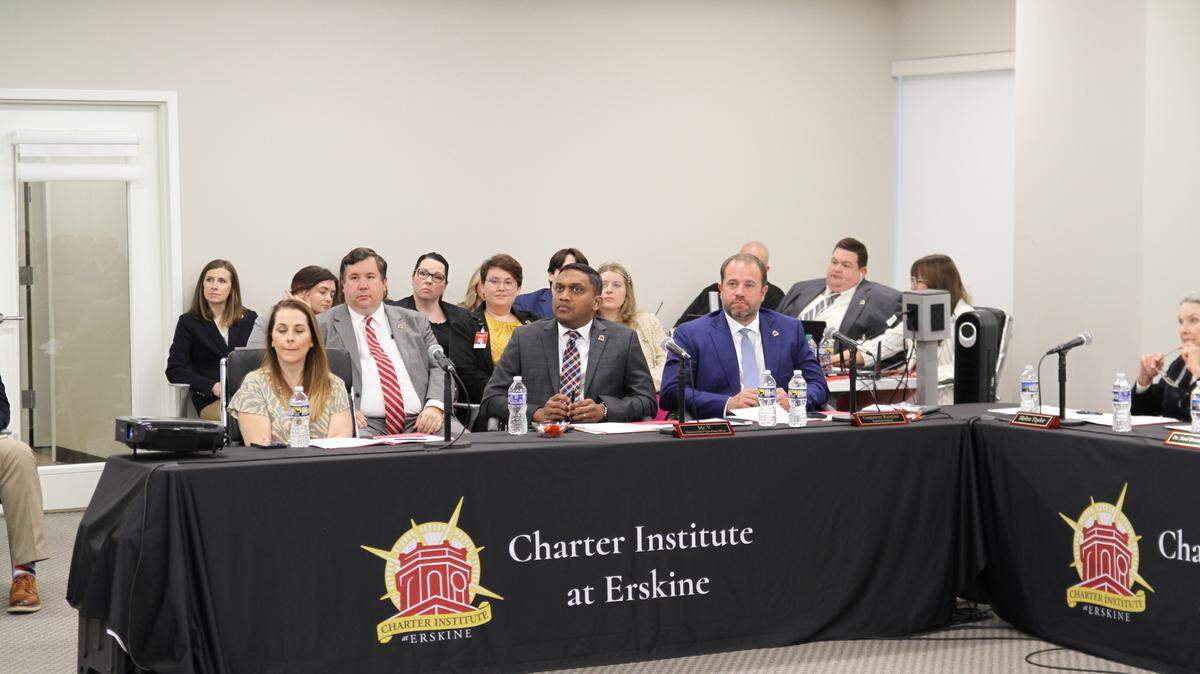
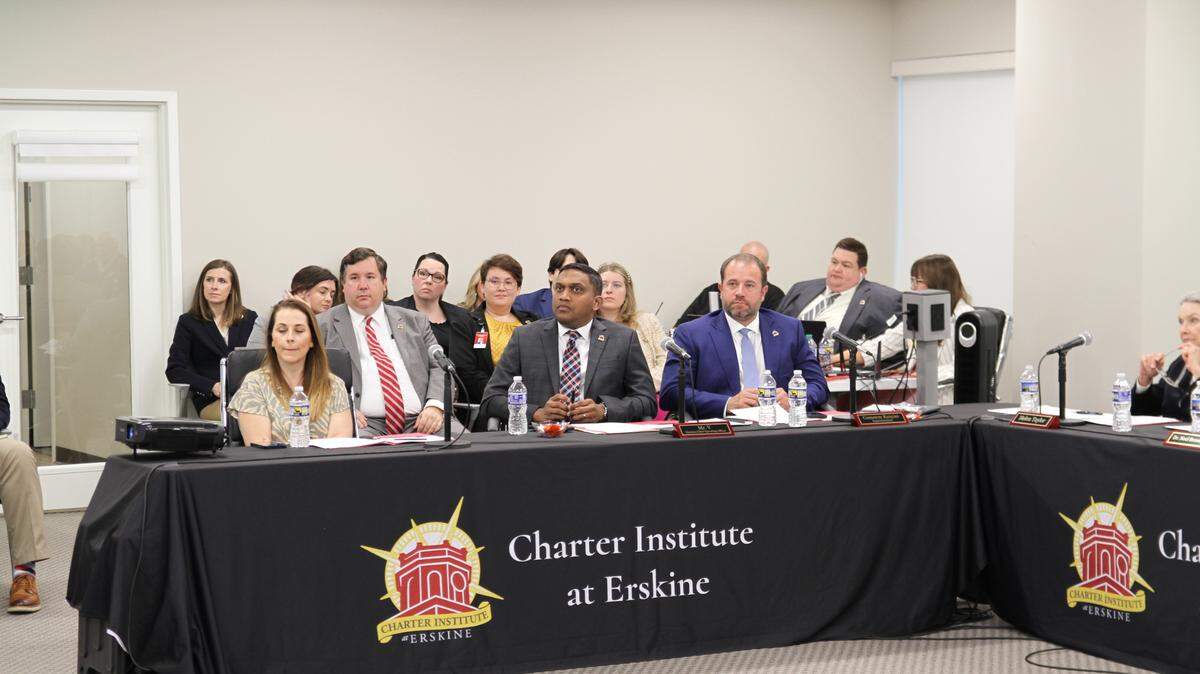
Last February, a Ragin-led planning committee consisting mostly of Ragin Prep employees applied to open a charter school in Sumter through the state’s largest charter school authorizer, the Charter Institute at Erskine.
It’s not clear how much Sumter County school board members knew about Ragin’s plans ahead of time. A January 2025 letter RISE sent district officials about the proposed school did not mention the board chairman’s involvement with it or include his name, signature or personal contact information, according to a copy obtained by The State.
The notice letter, which charter school applicants are required to provide local school officials, is signed “RISE Entrepreneurial Leadership Institute Planning Committee Chairperson” and directs questions to a RISE email address.
Leventis, who joined the Sumter school board last March, said he only learned about Ragin’s role at RISE in late April after the Charter Institute at Erskine issued a press release announcing it had approved the school.
RISE Entrepreneurial Leadership Institute, which projects to serve 525 students in grades 6 through 12 at full capacity, will stress entrepreneurship, leadership and social responsibility, according to its application.
The charter appears primed to absorb middle and high school students who currently attend Ragin Prep, which, according to the application, will be transformed into an elementary-only operation.
RISE made clear in its application that it intended to compete academically with the local school district, proposing to surpass Sumter County schools in the percentage of students meeting or exceeding grade-level standards by its fifth year in business.
The charter, which is slated to open in six months, has yet to announce an administrative team, school leader or location. It began accepting applications from students and teachers in January, according to its Facebook page.
This story was originally published February 11, 2026 at 8:54 AM with the headline "Proposed SC charter school raises unique conflict of interest questions."