SC charter schools risk losing federal grant funding over state’s lax oversight, feds say
READ MORE
Unchartered Territory
Unchartered Territory is an ongoing series by The State Media Co. about South Carolina’s changing charter school landscape
Expand All
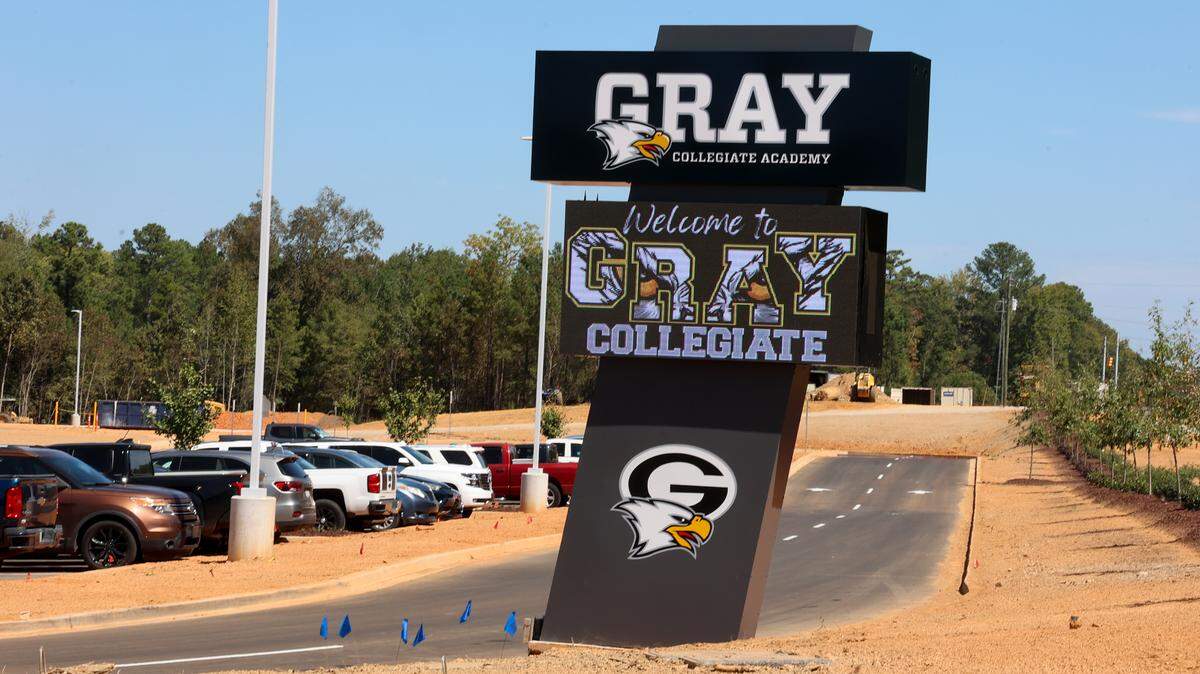
South Carolina charter schools could lose access to crucial federal startup grants if the state doesn’t step up its regulation of charter school sponsors, the U.S. Department of Education has warned.
Federal officials notified the S.C. Department of Education in November that its monitoring of the groups that sponsor charter schools was inadequate. The federal agency pressed state officials to develop new written oversight policies within 90 days, according to emails obtained by The State Media Co.
The U.S. Department of Education tied the state agency’s compliance to a $31.5 million federal grant the state agency has used to support more than two-dozen new South Carolina charter schools since 2022.
It’s not clear what prompted the federal government’s demand or whether the U.S. Department of Education will continue to press the issue under President-elect Donald Trump’s administration. The federal agency directed all questions about the matter to the state Department of Education.
The state agency filed a formal appeal requesting reconsideration of the order shortly before Christmas and is awaiting a response, spokesman Jason Raven said.
Raven, who characterized the U.S. government’s demand as “federal overreach,” said the state department also plans to alert “key” members of South Carolina’s Congressional delegation about the matter.
“This situation represents one more example of why the SCDE looks forward to working with the incoming Administration to cut federal red tape and return education dollars and decisions to the states,” he said in a statement.
Charter school sponsors, also called authorizers, can be either local school districts, the Public Charter School District or institutions of higher education.
They receive taxpayer dollars to vet new charter applications, regulate schools they approve and hold accountable schools that fail to live up to their commitments.
When the state’s charter schools law passed in 1996, only local districts could serve as charter school sponsors. A decade later, with the sector’s growth stalled, lawmakers opened up the authorization process by establishing a statewide charter district, and in 2012, giving colleges and universities authority to sponsor schools.
The State reported last year, as part of a series of investigative stories about South Carolina charter schools, that lawmakers did not fully comprehend the potential implications of permitting institutions of higher education, in particular, to oversee charter schools. For that reason, the law does not explicitly address the review and enforcement of college and university authorizers, leaving them to operate in a legal gray area that critics assert can lead to unchecked financial waste and abuse.
A bill filed in 2023 by Senate Education Committee Chair Greg Hembree, R-Horry, would have given the state Education Department authority to monitor, evaluate and potentially sanction or even terminate charter school authorizers, but the bill stalled and never received a floor vote.
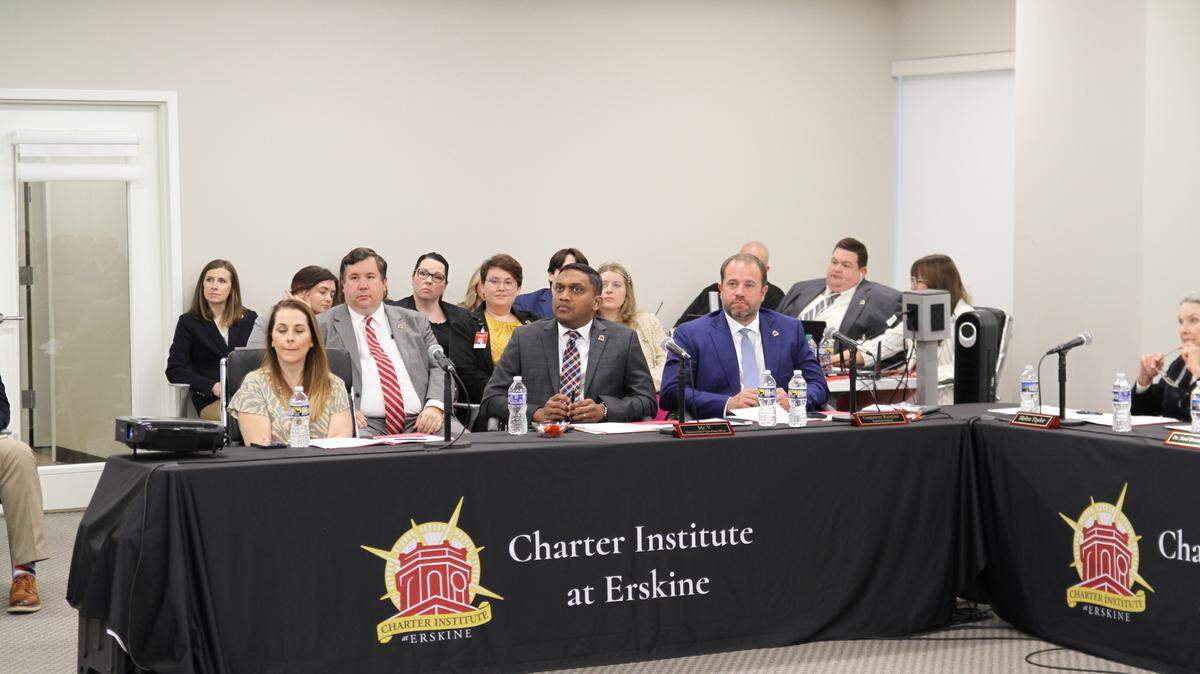
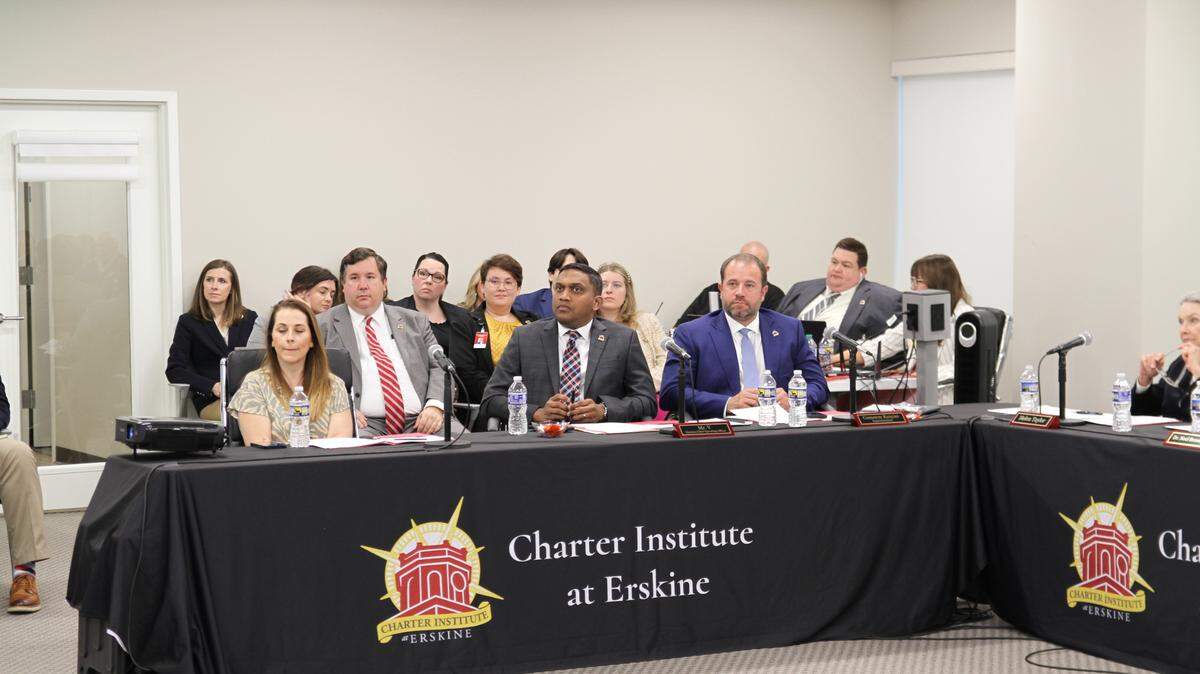
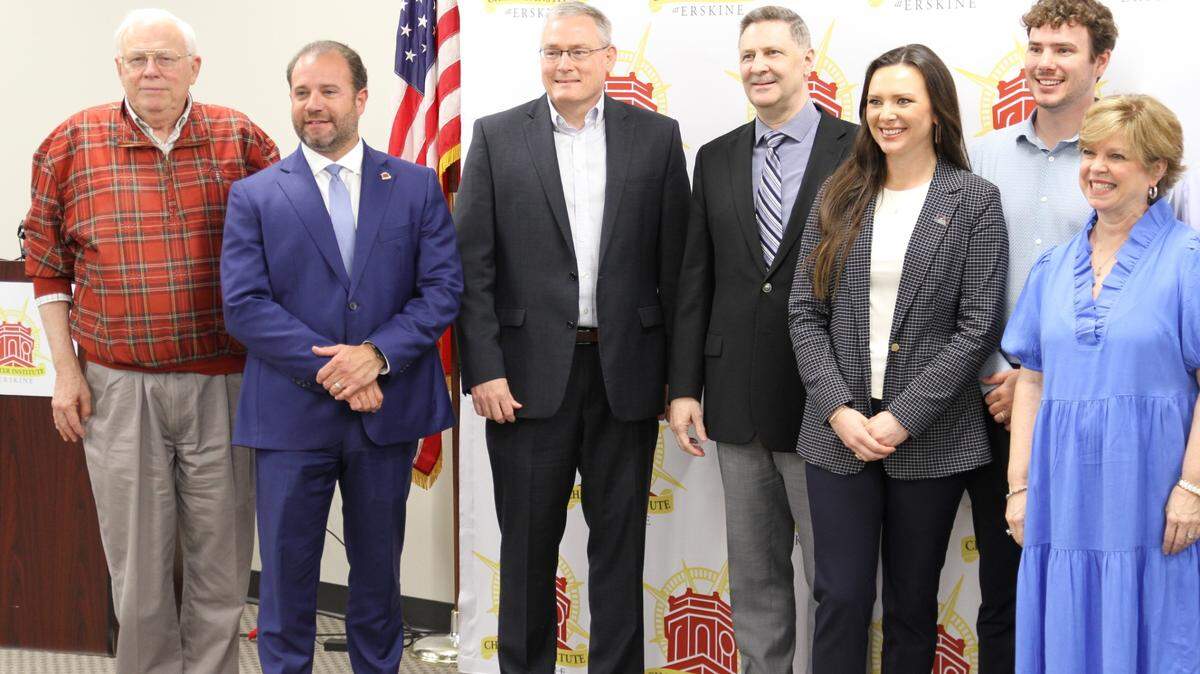
In the meantime, the Charter Institute at Erskine, an authorizer affiliated with Erskine College, has taken heat from lawmakers over several of its enterprising recent projects that critics say push the boundaries of the law.
While not illegal, the Charter Institute’s entrepreneurial ventures have raised conflict-of-interest questions that last year provoked discussions about authorizer reform and spurred an investigation into the organization’s financial relationship with charter school vendors.
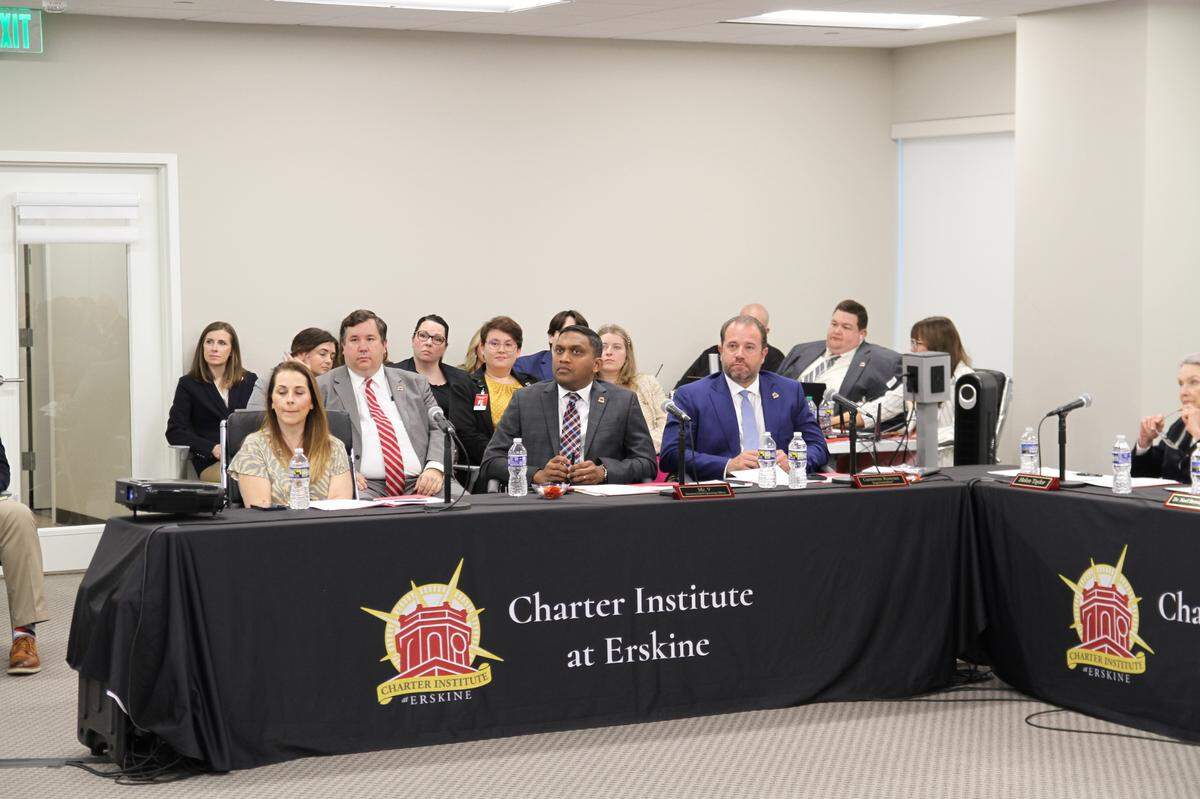
The investigation, which Charter Institute leaders have welcomed and believe will vindicate their actions, remains pending.
“Let the results come,” Charter Institute Chief Operating Officer Vamshi Rudrapati told The State in an interview late last year. An investigation, he said, is the only way “for us to get salvation.”
Ongoing federal concern
The U.S. Department of Education’s outreach to the state began in August 2023, when it sought information about the authorizers of schools that had received money under the $31.5 million Charter Schools Program grant awarded in 2020.
Over the next 15 months, state education officials communicated with the U.S. Department of Education via email and virtual meetings to clarify the role charter school authorizers play in South Carolina and demonstrate the state’s oversight of them, Raven said.
The department’s oversight, he said, includes supplying authorizers with “documented procedures in accountability, finance, auditing functions, governance, and other administrative acts.”
While Raven said the discussions initially focused on the S.C. Department of Education’s administrative oversight of authorizers, the conversation recently shifted to the agency’s oversight of authorizing practices.
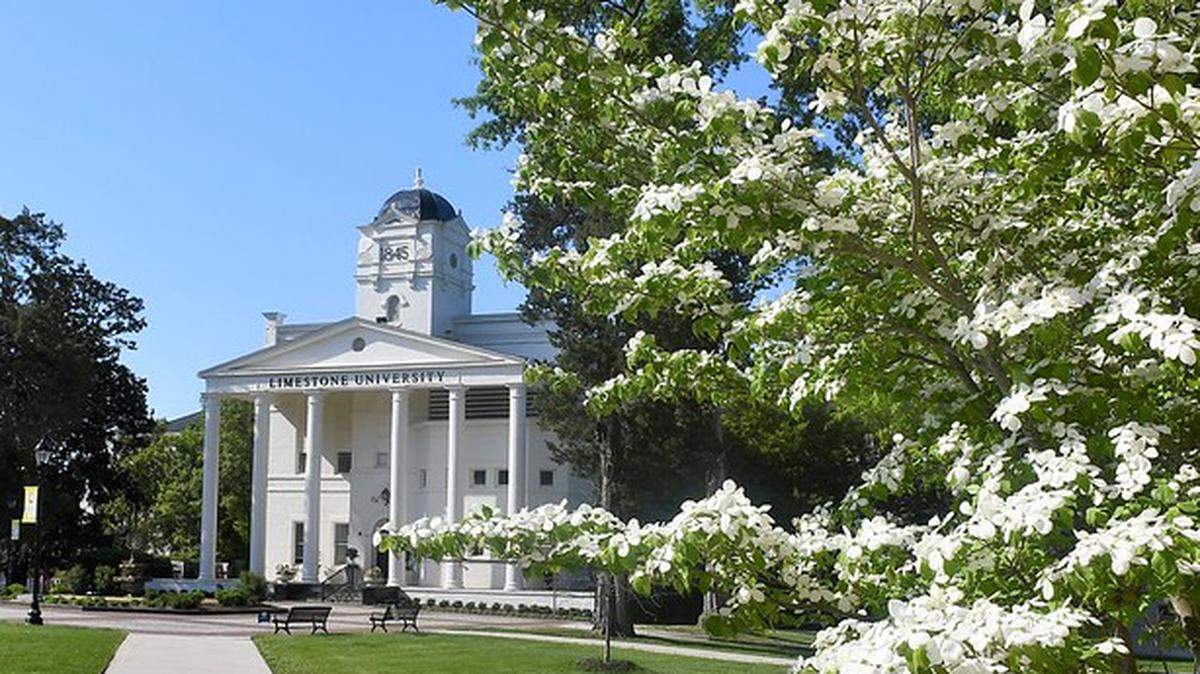
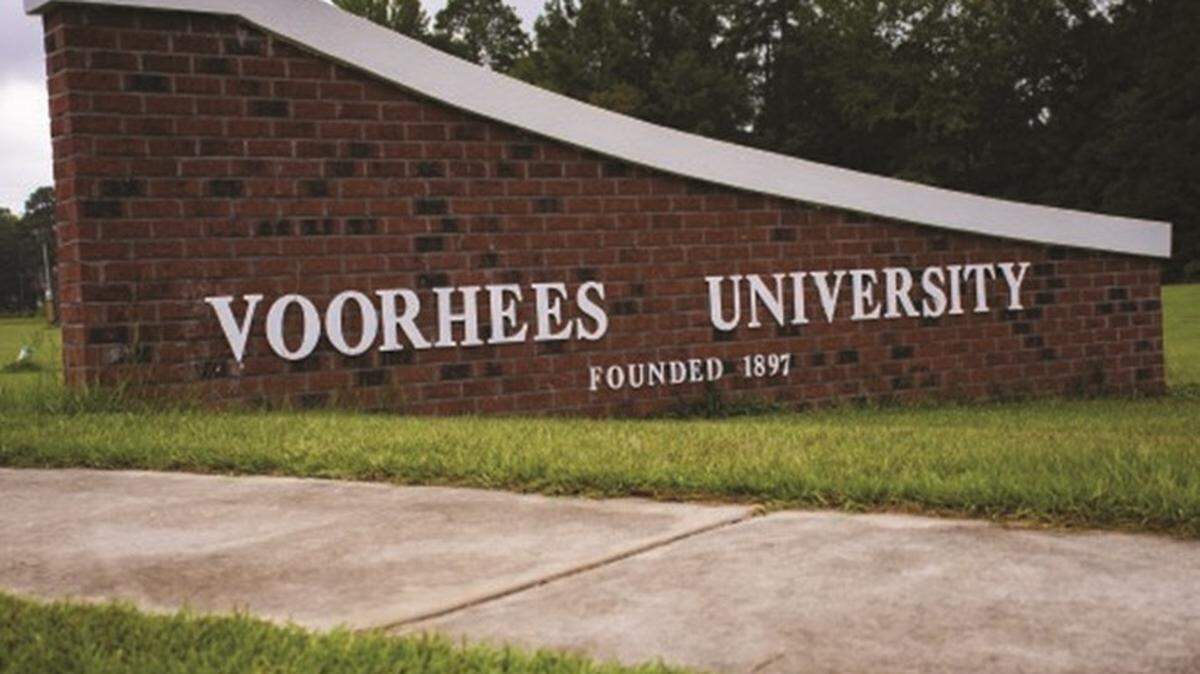
On that front, the feds asked state education officials to provide documentation demonstrating it provided monitoring and oversight of authorizing activities, particularly those undertaken by South Carolina’s two higher education authorizers, Charter Institute at Erskine and Limestone Charter Association, an affiliate of Limestone College. (The state has since added a third higher education authorizer, the Voorhees Charter Institute of Learning, associated with Voorhees University in Bamberg County).
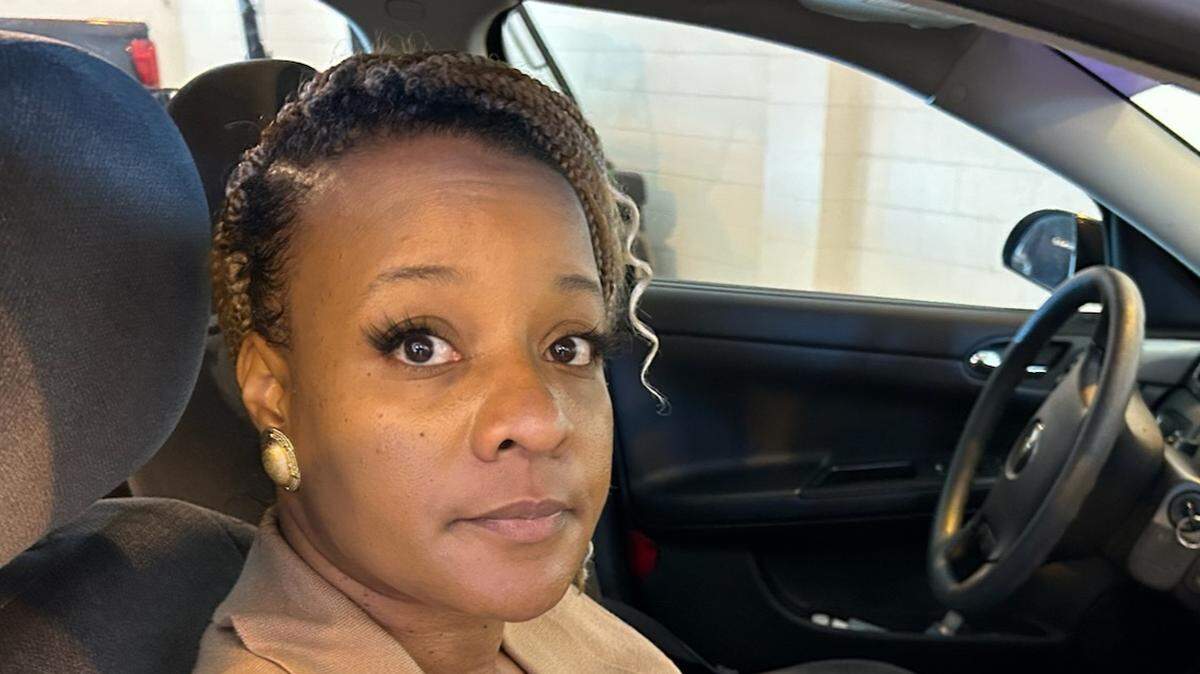
In a Nov. 21, 2024, letter obtained by The State, U.S. Deputy Assistant Secretary of Education Bernadine Futrell informed state education officials that “the information and documentation submitted do not demonstrate that SCDE (or another State agency) is conducting the requisite monitoring and oversight of the authorizing activities of charter school sponsors to ensure that they are complying with statutory and regulatory requirements.”
Futrell wrote that the U.S Department of Education would be imposing a “specific condition” on South Carolina’s federal grant award, making its approval “contingent” on state education officials developing and implementing written procedures for overseeing charter school sponsors’ “authorizing activities.”
Those procedures, the federal condition specifies, “must include demonstrating how the SCDE will conduct reviews of sponsors’ performance and the appropriate enforcement actions SCDE will take against sponsors that fail to comply with statutory or regulatory requirements governing such authorizing activities.”
Raven said the U.S. Department of Education has not identified what federal officials consider to be the authorizing practices of concern and questioned why the feds had not raised the issue during an April 2024 monitoring visit.
“(The South Carolina Department of Education) believes this revised line of inquiry goes well beyond the role and authority of the (U.S. Education Department) under the terms of the grant and instead delves into questions reserved to state law,” he said in a statement.
A decision by the U.S. Department of Education to cease federal grant funding for charter schools sponsored by some or all of the state’s authorizers could significantly harm the viability of those schools.
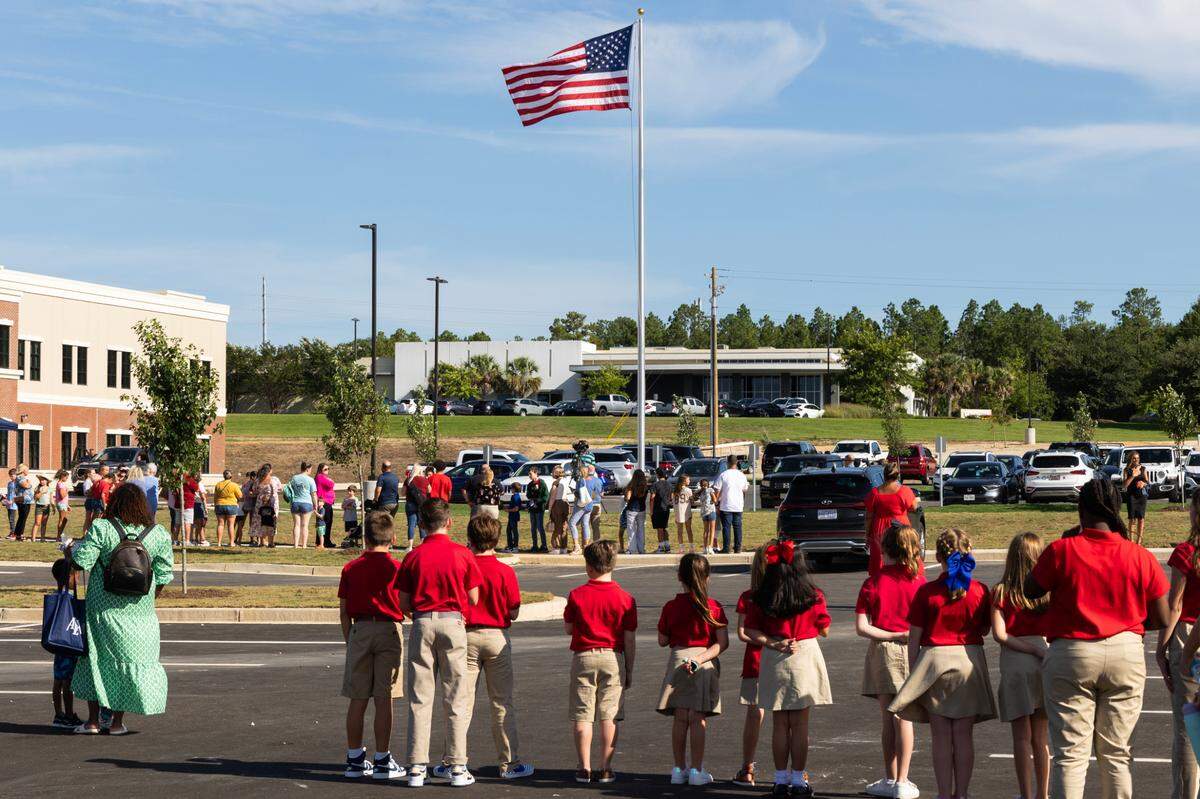
The funding, which the state distributes annually as Charter School Planning & Implementation grants, provides up to $1 million in support over three years for schools in the process of opening or that have recently opened.
Charter school experts have said the grants are critical to the success of new charter schools because they reduce the need for private startup money, which can be tough to raise.
Even with P&I grants, charter schools sometimes struggle to survive.
A study released last year by the Network for Public Education found more than a quarter of charter schools close within five years and only about half make it to 15 years.
In South Carolina, which has one of the poorer success rates for charter schools in the nation, about a third of charter schools that have ever opened are now closed, the study found.
This story was originally published January 9, 2025 at 5:00 AM with the headline "SC charter schools risk losing federal grant funding over state’s lax oversight, feds say."