SC lawmakers are prioritizing charter school reform. What are they planning?
READ MORE
Unchartered Territory
Unchartered Territory is an ongoing series by The State Media Co. about South Carolina’s changing charter school landscape
Expand All
The South Carolina Senate is expected this week to take up a bill that aims to enhance charter school accountability amid growing concerns about conflicts of interest and a lack of oversight in the sector.
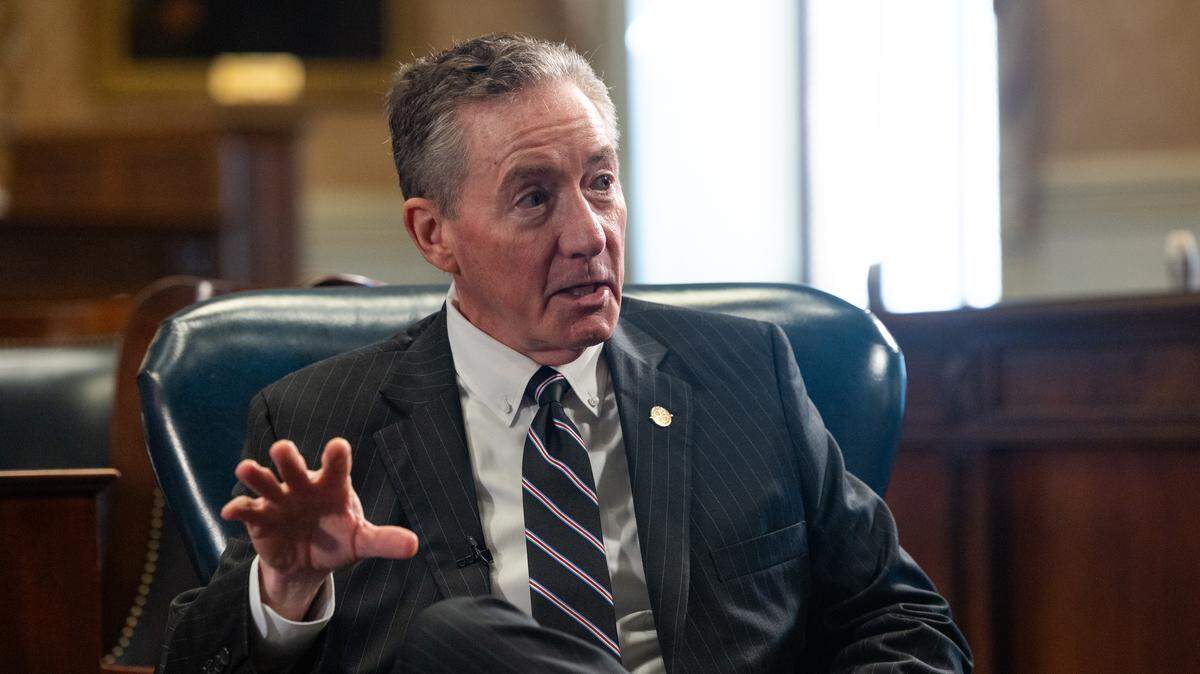
“We’ve been reading way too much about charter school issues,” Senate Majority Leader Shane Massey, R-Edgefield, told reporters last month during a press conference introducing the upper chamber’s legislative priorities. “Charter schools are our first line of school choice, and we want to make sure that it’s robust and that they’re strong and that they’re serving the students and the parents well.”
Charter schools, which serve more than 66,000 students across the state, are privately-operated public schools that are afforded additional flexibility in their financial, personnel and curriculum choices to encourage innovation.
Unlike traditional public schools, charters must be approved by and contract with a state-sanctioned authorizing agent, or authorizer, before they can open. Authorizers, which can be either local school districts, the legislatively-created Public Charter School District or institutions of higher education, provide support and oversight to the schools they sponsor in exchange for a portion of their state funding.
The charter school industry has changed dramatically since 1997, when the state’s first charter opened, but the law governing South Carolina charter schools and their authorizers hasn’t kept pace with that evolution.
While the General Assembly has long recognized the need to amend the state’s decades-old law to address issues that have emerged since its passage, it has not prioritized that reform.
In light of continued media attention and the release of a legislative audit that recommended numerous changes to the law, however, this may finally be the year that reform gets serious consideration.
“I think the caucus recognizes it’s a problem,” Senate Education Committee Chair Greg Hembree, R-Horry, told reporters last month. “This is now an issue that has sort of bubbled to the top.”
The Senate, which has failed to pass charter school reform legislation sponsored by Hembree in each of the past three years, will get another crack at it in 2026.
The Horry County senator’s latest bill, which passed out of committee last year and received two readings on the Senate floor, would enhance oversight of authorizers, clarify the charter school transfer process and institute additional transparency requirements for both schools and authorizers.
Hembree said he plans to introduce several minor amendments to the bill inspired by recommendations in the recent Legislative Audit Council report, but believes those changes can be made on the floor, where he’s anticipating a “lively” multiday debate.
“It’s in a good position to move this year,” he said of the bill. “I’m hopeful that it will.”
SC charter school law hasn’t kept pace with sector’s changes
South Carolina’s early charter schools, which could only be sponsored by local districts, were predominantly small mom-and-pop operations launched by parents or educators who felt their communities, or certain populations within their communities, had been underserved by traditional public schools.
Over time, however, as grassroots charter schools struggled to find their financial footing, the character of the state’s schools and authorizers have shifted in ways that legislators did not anticipate and the Charter Schools Act does not address.
In recent years, out-of-state management companies that run their schools like businesses have come to dominate the sector and the state’s largest charter school authorizer is the subsidiary of a tiny Christian college with fewer students than some of the charter schools in its portfolio.
While some South Carolina charter schools remain under the umbrella of local districts, most are now regulated by statewide charter school authorizers.
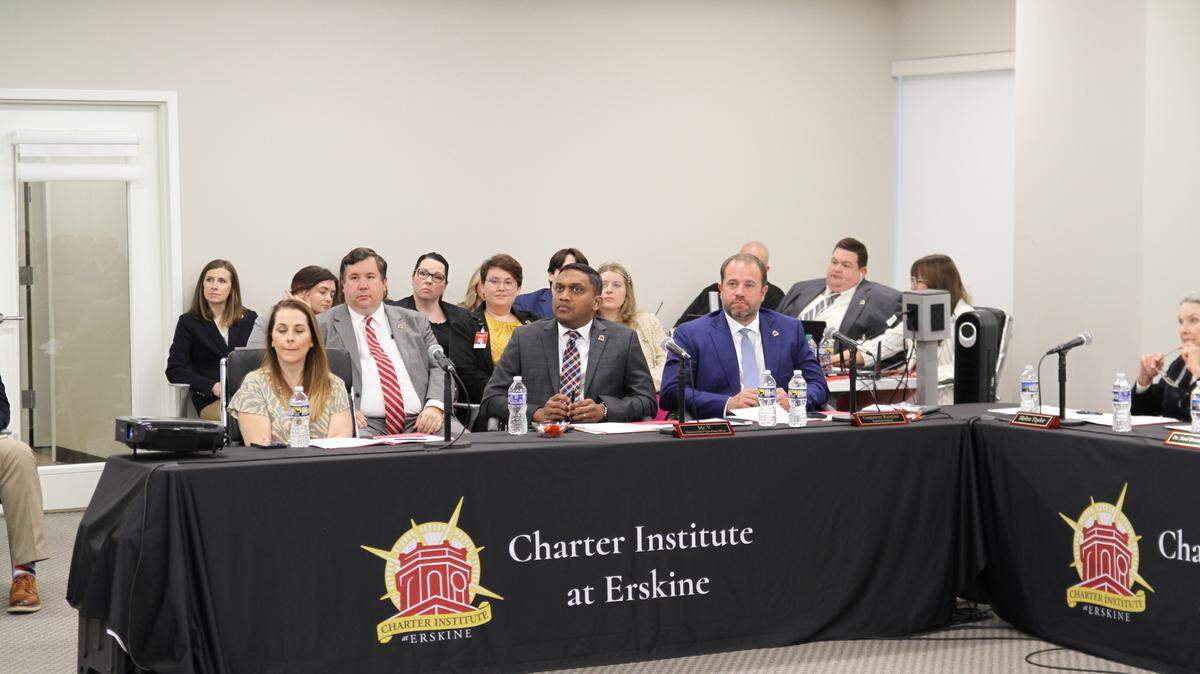
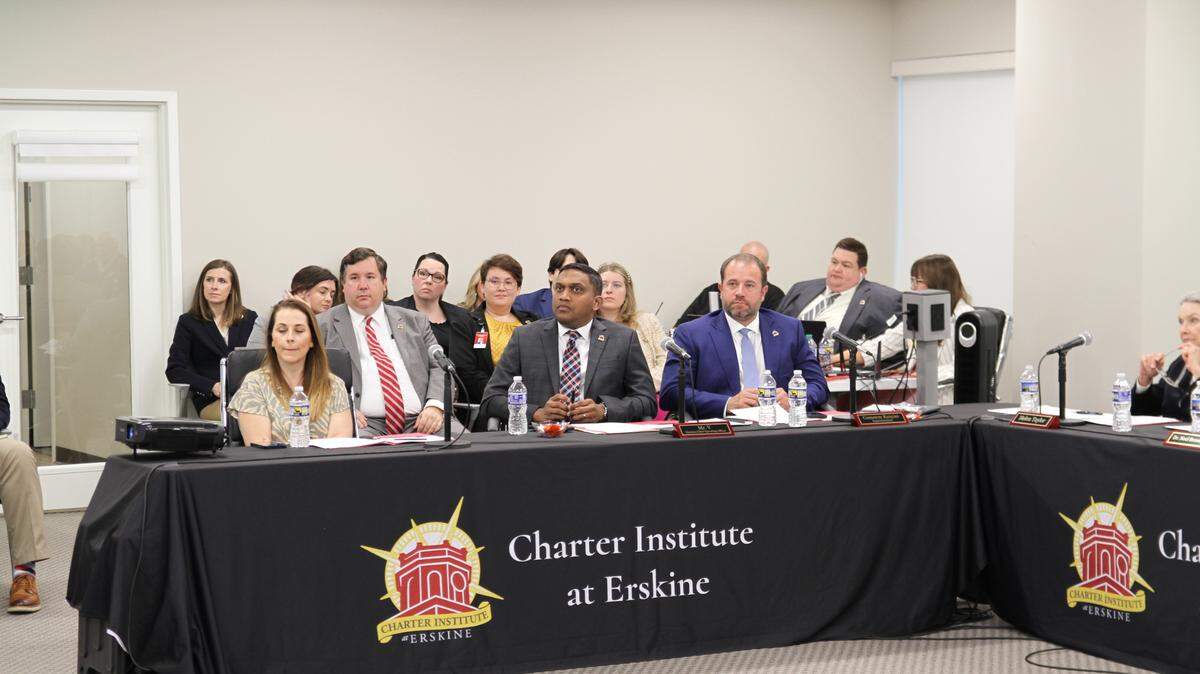
The Public Charter School District, established in 2006 as an alternative to local authorization, and subsidiaries formed by two private colleges — Erskine College in Due West and the now-defunct Limestone College in Gaffney — currently sponsor a combined 90 of the state’s 111 charters.
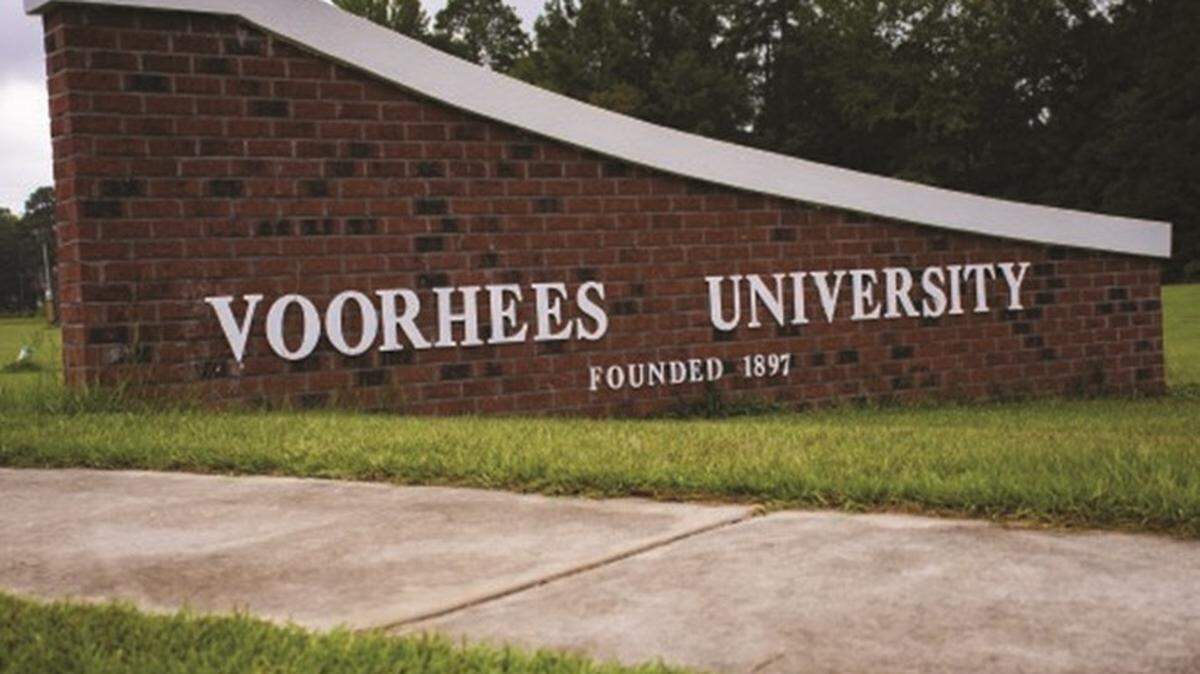
Voorhees University, a 575-student HBCU in Denmark, has also declared its intention to begin authorizing charter schools.
The proliferation of authorizing options has raised concerns that struggling charter schools at risk of being shut down by one sponsor can escape accountability by transferring to another sponsor, a process known as authorizer shopping.
The oversight of authorizers affiliated with private colleges and universities has also become a hot topic in recent years.
Unlike traditional school districts, or even the Public Charter School District, which was created by the Legislature and is statutorily subject to state ethics and government accountability laws, the state’s current college-affiliated authorizers are private entities that critics charge are often driven by financial or ideological motivations.
While the Charter Schools Act requires that higher education authorizers use state funding to vet new charter applications and regulate schools they approve, the law doesn’t require they abide by anti-nepotism or self-enrichment laws or establish any oversight mechanism to ensure they’re operating as intended.
Federal officials in 2024 threatened the S.C. Department of Education with the loss of charter school startup grants if it didn’t step up oversight of authorizers, but reversed course after President Donald Trump took office.
What charter school reforms are lawmakers considering?
Broadly speaking, Hembree’s bill does four things in service of reforming South Carolina’s charter school sector and cleaning up the existing Charter Schools Act: 1) it enhances oversight and accountability of authorizers; 2) it increases transparency of charter school, authorizer and management company relationships; 3) it attempts to minimize the conflicts of interest that pervade the tight-knit sector; and 4) it clarifies unresolved questions and processes that were not adequately addressed in the original law.
Below, in summary, is what the bill proposes to do in each aforementioned category:
1. Authorizer accountability
- Give the S.C. Department of Education a role in overseeing, evaluating and potentially sanctioning, or even terminating, the registration of charter school authorizers
- Ensure the governing boards and employees of charter school authorizers are subject to state ethics and government accountability laws
- Prohibit authorizers from penalizing schools or revoking their charters if they decline to purchase authorizer-provided services
2. Transparency
- Require authorizers to post charter school applications, charter school renewals and school management contracts on their websites. If an authorizer has charged fees to a school for services, it is required to post those fees by school.
- Require authorizers that sell services to schools it oversees to post a list of those services and their cost in a prominent place on its website.
- Require that any new charter school considering entering into a contract with a management company includes a copy of its proposed contract with that company in its charter application.
3, Conflicts of interest
- Prohibit an individual from serving on the board of a charter school or charter school authorizer, or working for a charter school or charter school authorizer, if the individual or an immediate family member is the owner of an entity with whom the charter school or charter school authorizer does business.
- Prohibit an individual from serving on the board of a charter school or charter school authorizer if the individual or an immediate family member is an owner or employee of a management organization.
- Prohibit an individual from working for an authorizer if the individual, or an immediate family member, is in a position to exercise financial decision-making authority with a charter school authorized by that authorizer.
4. Clarification and cleanup
- Redefine the term “authorizer” to include not only an institution of higher learning, but also “a nonprofit association directly affiliated with a public institution of higher learning,” as all current authorizers actually are.
- Establish that all authorizers shall retain 2% of the total non-restricted state appropriations for each charter school they authorize to cover the costs for overseeing its charter schools.
- Establish clear policies for charter school transfers, with an emphasis on discouraging authorizer shopping.
This story was originally published February 3, 2026 at 5:00 AM with the headline "SC lawmakers are prioritizing charter school reform. What are they planning?."