Jury ruled Rowland guilty of Josephson’s death. Why he didn’t face SC’s death penalty
READ MORE
Nathaniel Rowland Trial
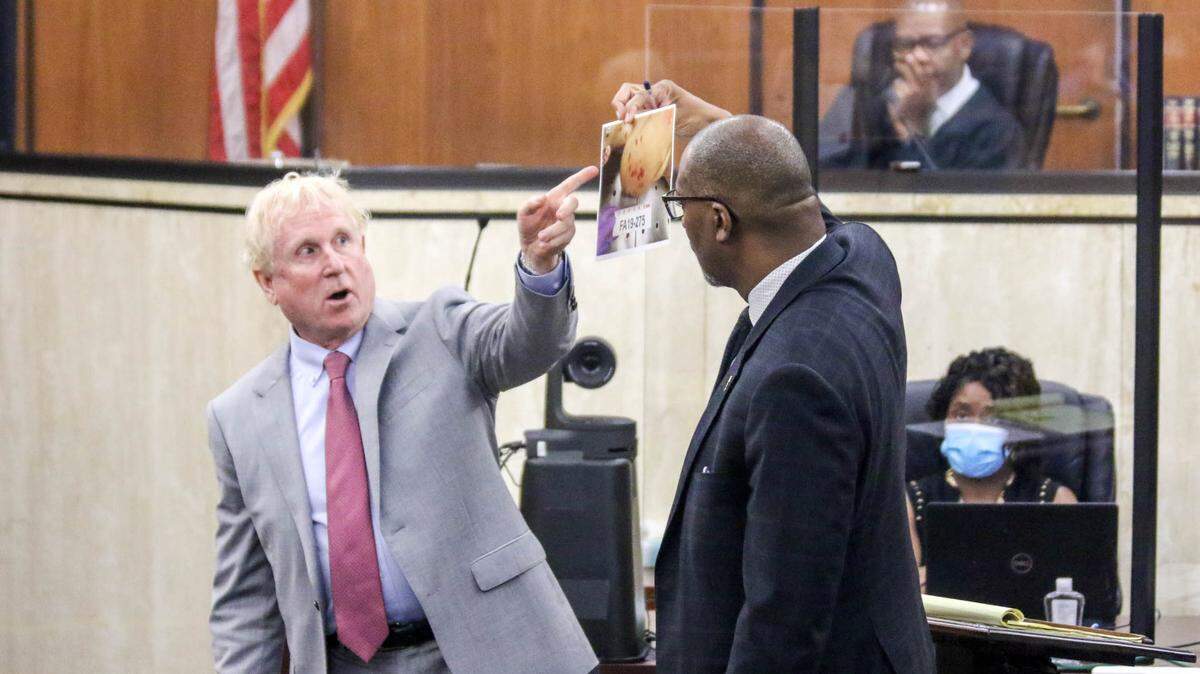
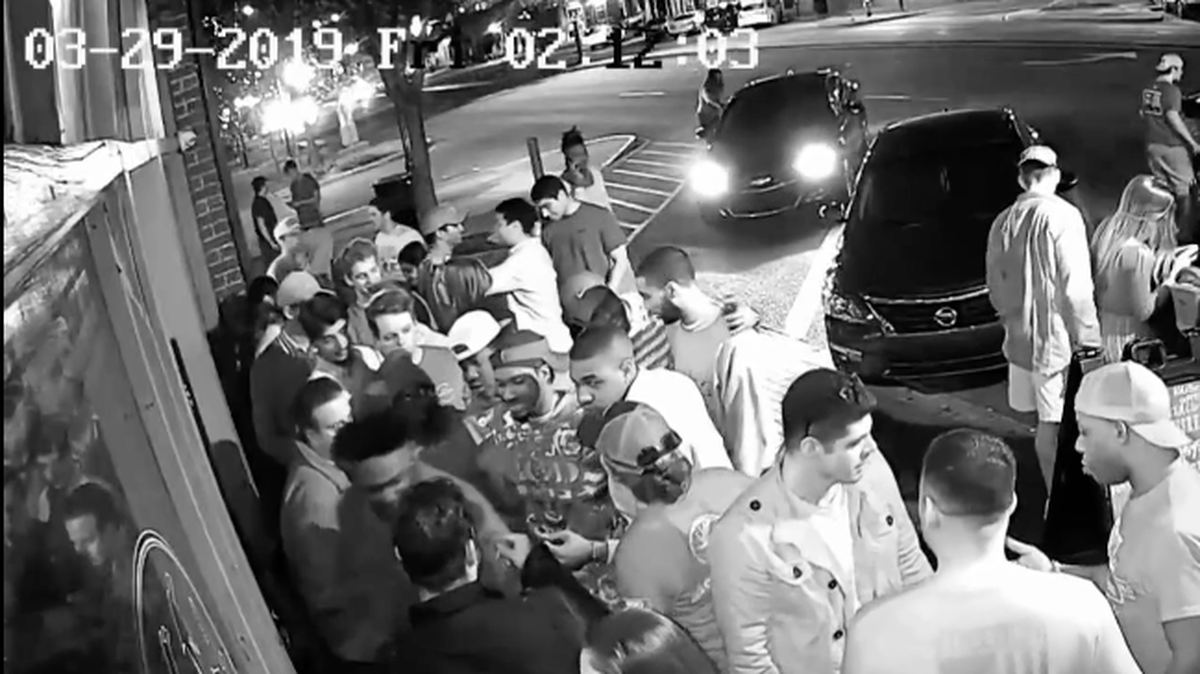
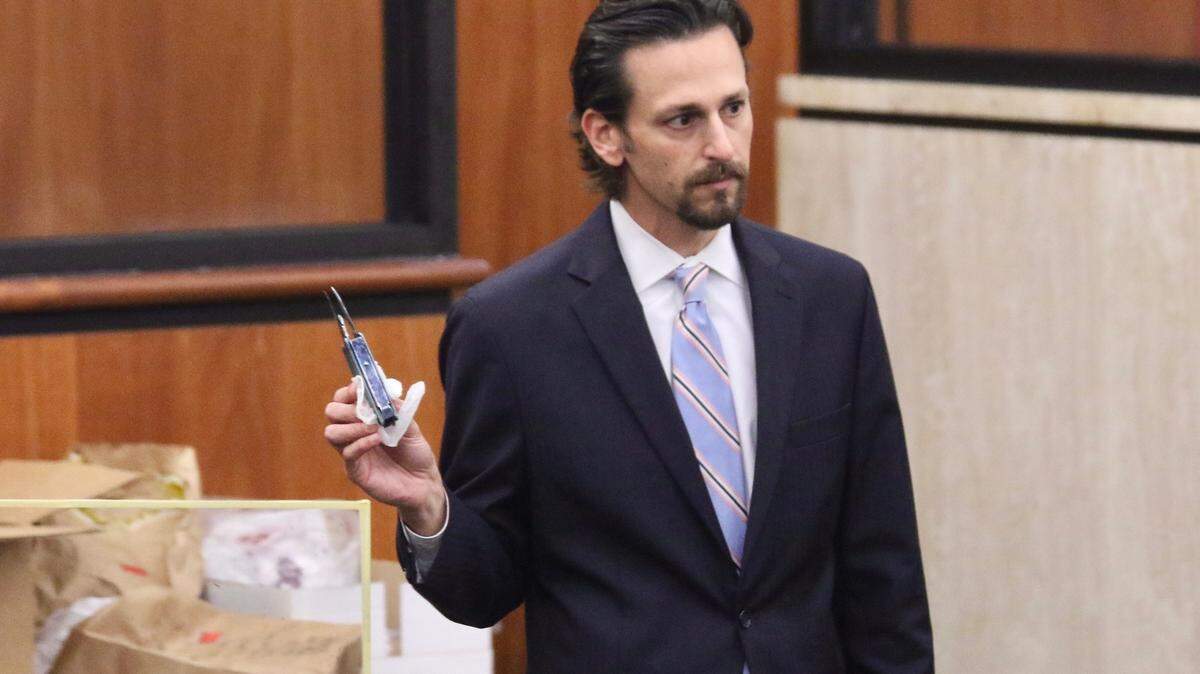
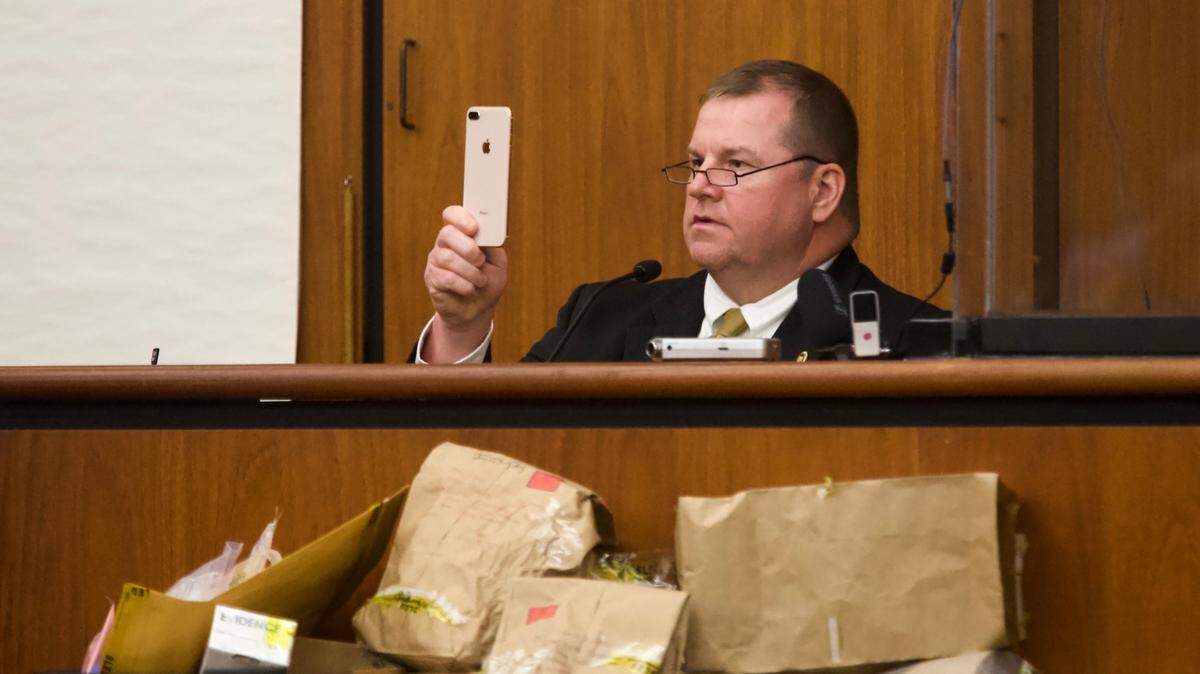
Former USC student Samantha Josephson thought she was getting into the Uber she booked in March of 2019. The car she got into went in the opposite direction of her apartment - and she wasn’t seen alive after. Nathaniel Rowland is on trial for her kidnapping and murder. Here are updates from the trial.
Expand All
After being charged with a brutal murder, Nathaniel Rowland could have faced the death penalty. But he didn’t.
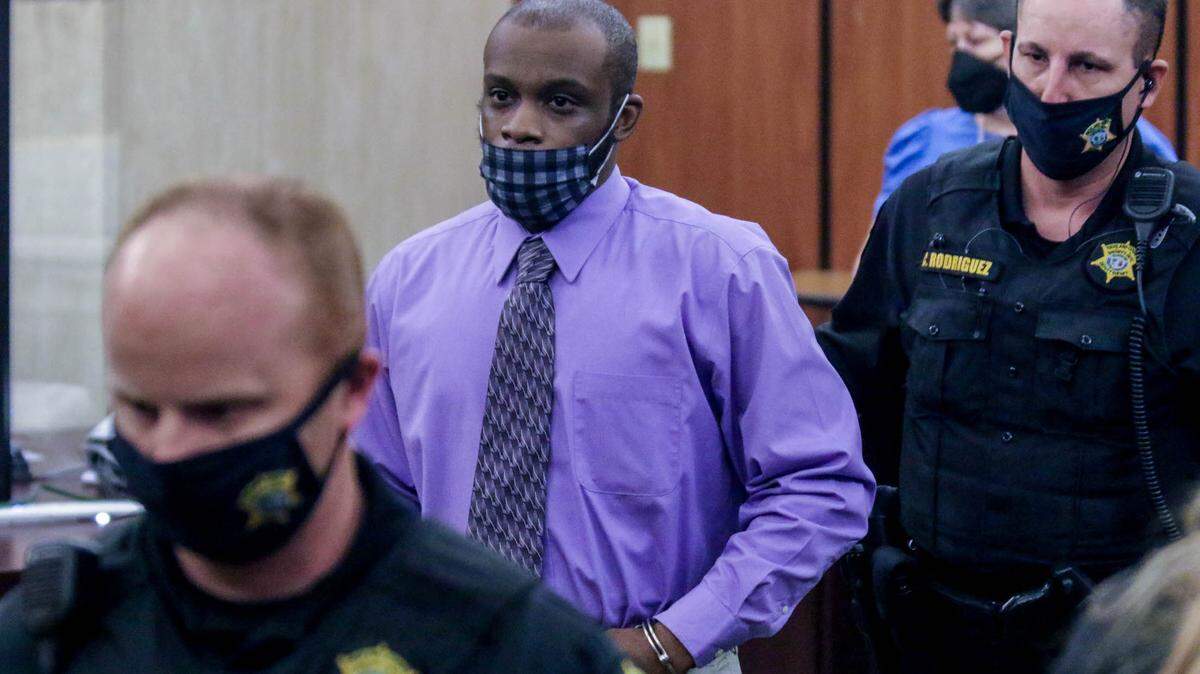
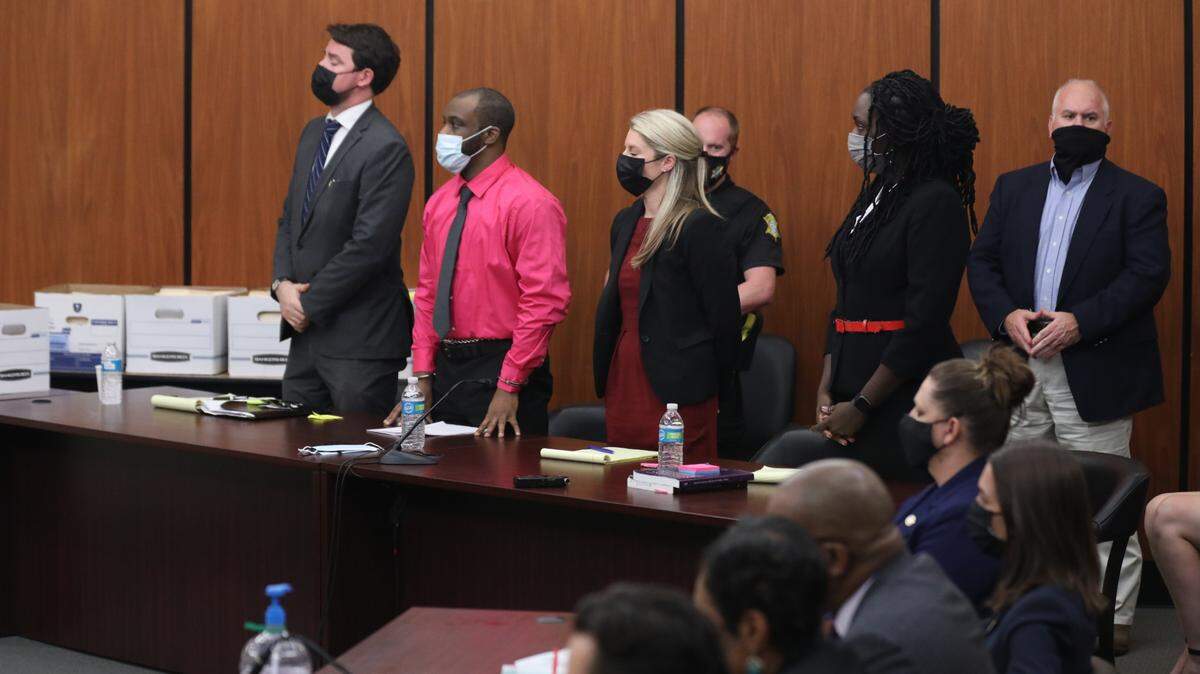
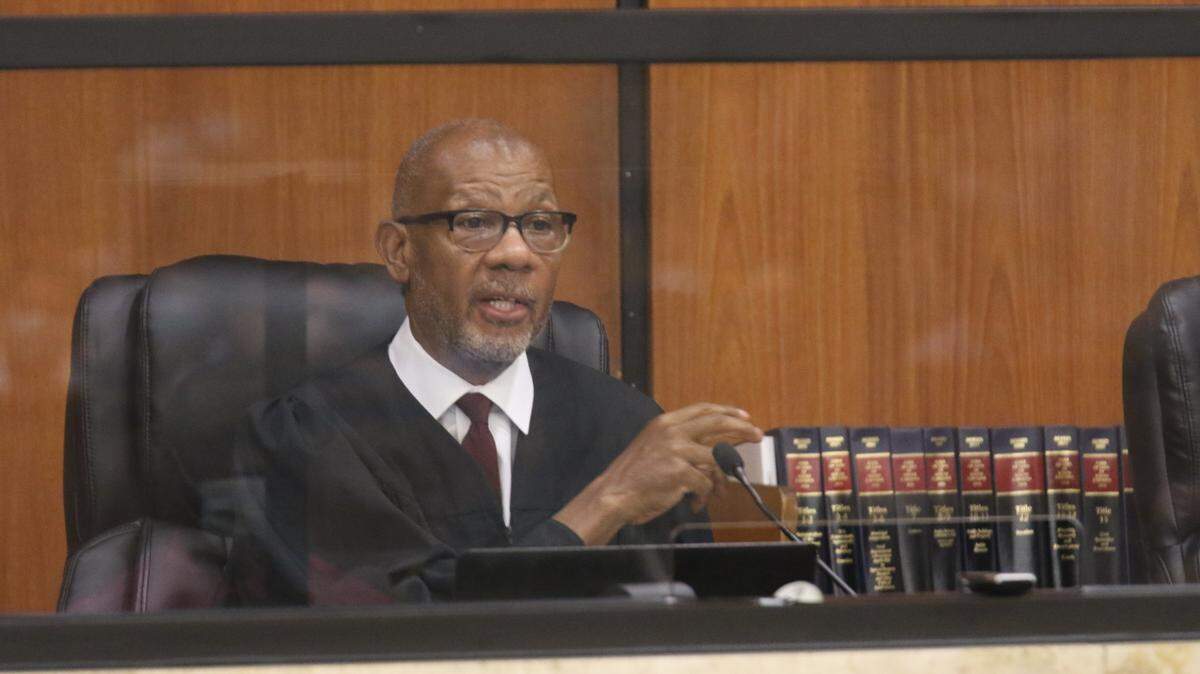
Tuesday, Rowland was found guilty of kidnapping and fatally stabbing 21-year-old University of South Carolina student Samantha Josephson after she got into his car, believing it was her Uber ride. A judge sentenced him to life in prison.
The death penalty wasn’t on the table because of a combination of the prosecution’s choice and historical realities in Richland County.
Under South Carolina law, the death penalty can only be sought if a murder entails specific “aggravating circumstances.” Most of the aggravating circumstances are other crimes, including kidnapping, as in Rowland’s case. Before a trial, prosecutors have to inform the court that they will seek the death penalty and go through required hearings.
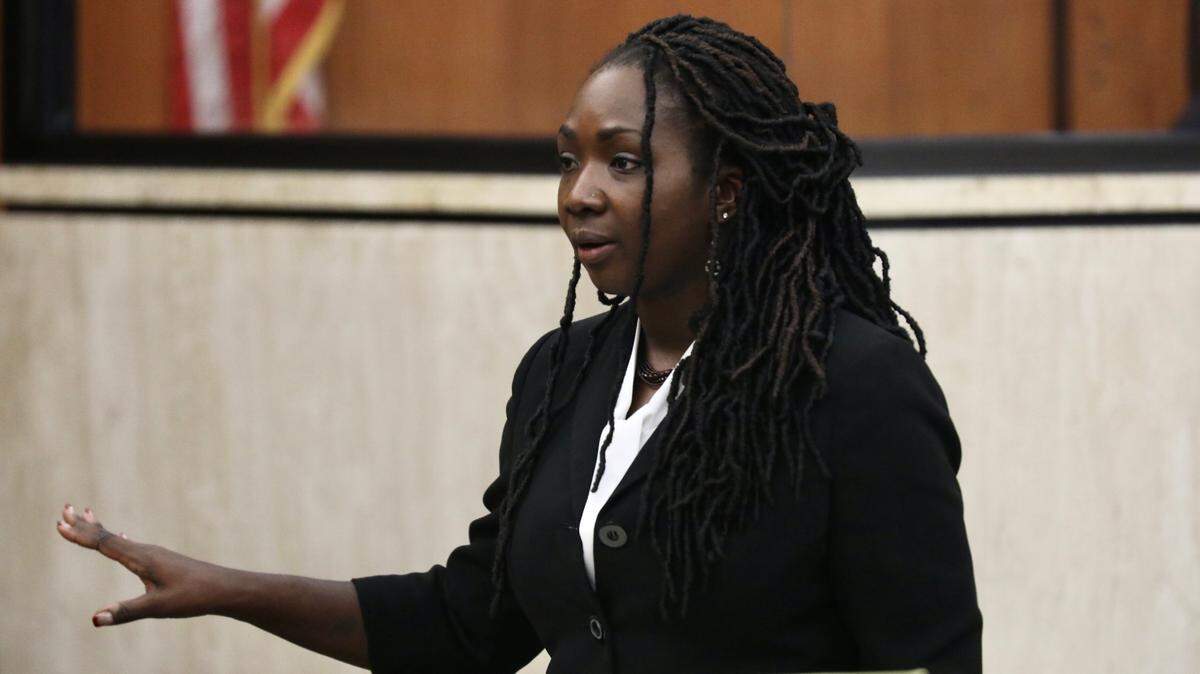
In Rowland’s case, the Richland County Solicitor’s Office chose not seek the death penalty. After Rowland’s conviction, Solicitor Byron Gipson said at a news conference that his team of prosecutors studied all of the evidence and determined that life, not the death penalty, was the proper course in this case.
The solicitor’s office rarely seeks the death penalty in any case because Richland County juries rarely give it. It only takes one juror to not agree to the death penalty for it to be denied.
If the death penalty is denied by a jury, a judge is required to sentence the convicted person to life in prison. So why wouldn’t prosecutors seek the death penalty even with the prospect of it being denied?
In cases in which the state seeks the death penalty, a sentencing trial follows the conviction. Essentially, another trial happens in which prosecutors try to convince the jury that the death penalty is warranted. The defense tries to show such a sentence is unfair or unnecessary. Often, the defense will argue that a person can change or do some sort of good while in prison. Jurors have to deliberate and be unanimous on issuing the the death penalty.
All this adds to the time and cost of a trial if the death penalty is sought. A second trial for sentencing also adds to the emotional burden on a victim’s family and witnesses for a sentencing request that isn’t likely to succeed in Richland County.
Juries, especially in Richland County, tend to want an overabundance of evidence to give the death penalty. While prosecutors presented enough evidence for guilty verdicts on all three charges against Rowland, the lack of an eyewitness to the murder may have impended a jury in giving death.
One of the last death penalty sentences given by a Richland County jury was in 1984 for rapist and murderer Marcellus Pierce, who was convicted in the killing of USC student Bobbi Rossi. After a jury recommended the death penalty, Pierce’s conviction and sentence were overturned later. He was retried and sentenced to life in prison. He died in January 2021 of complications from COVID.
John Monk contributed to this story.
This story was originally published July 28, 2021 at 5:00 AM with the headline "Jury ruled Rowland guilty of Josephson’s death. Why he didn’t face SC’s death penalty."
.jpg)
.jpg)
.jpg)