Rowland, charged in fake Uber killing, seeks to fire lawyers just before trial starts
READ MORE
Nathaniel Rowland Trial
Former USC student Samantha Josephson thought she was getting into the Uber she booked in March of 2019. The car she got into went in the opposite direction of her apartment - and she wasn’t seen alive after. Nathaniel Rowland is on trial for her kidnapping and murder. Here are updates from the trial.
Expand All
With the start of the “Fake Uber” murder trial hours or days away, a South Carolina state judge indicated Monday he will refuse to let the sole defendant in the case fire his three court-appointed attorneys and get a new lawyer.
But by day’s end Monday, defendant Nathaniel Rowland agreed to stay with his original lawyers. Final jury selection will get underway at 10 a.m. Tuesday at the Richland County courthouse in downtown Columbia. Opening arguments will likely start Tuesday afternoon.
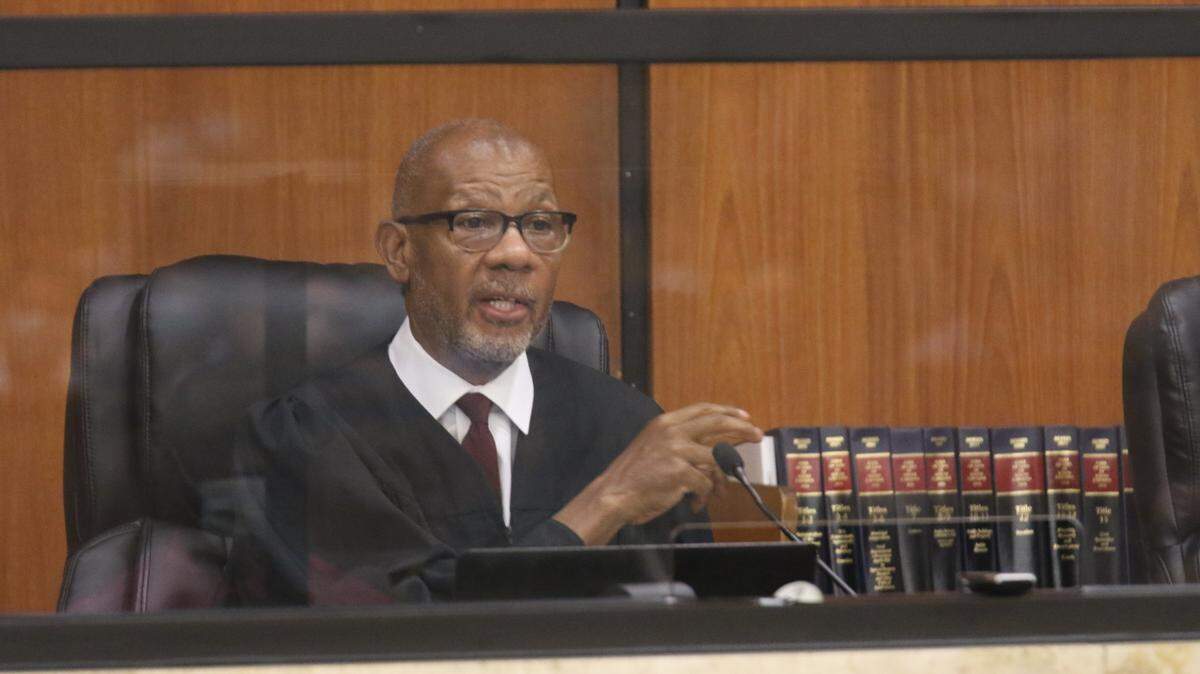
But earlier Monday, several hours after the initial winnowing of a pool of some 1,000 prospective jurors had begun, defendant Rowland had a surprise for veteran state Judge Clifton Newman.
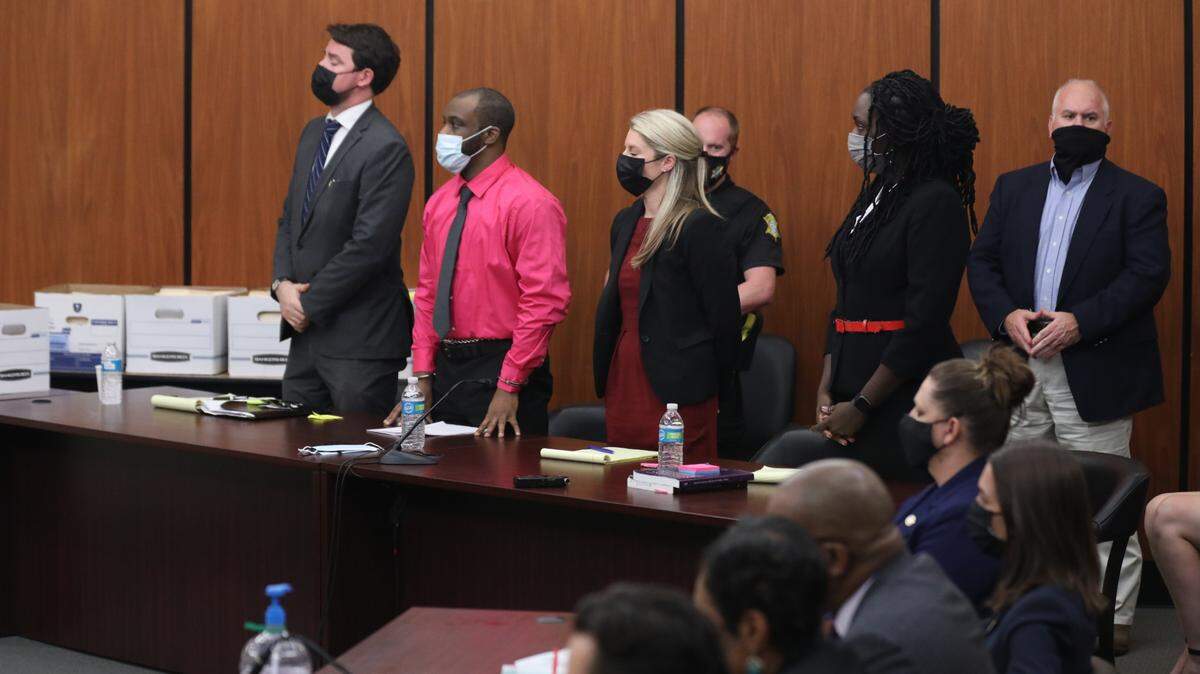
Rowland, 27, said he wanted to fire his three attorneys and to have a new lawyer.
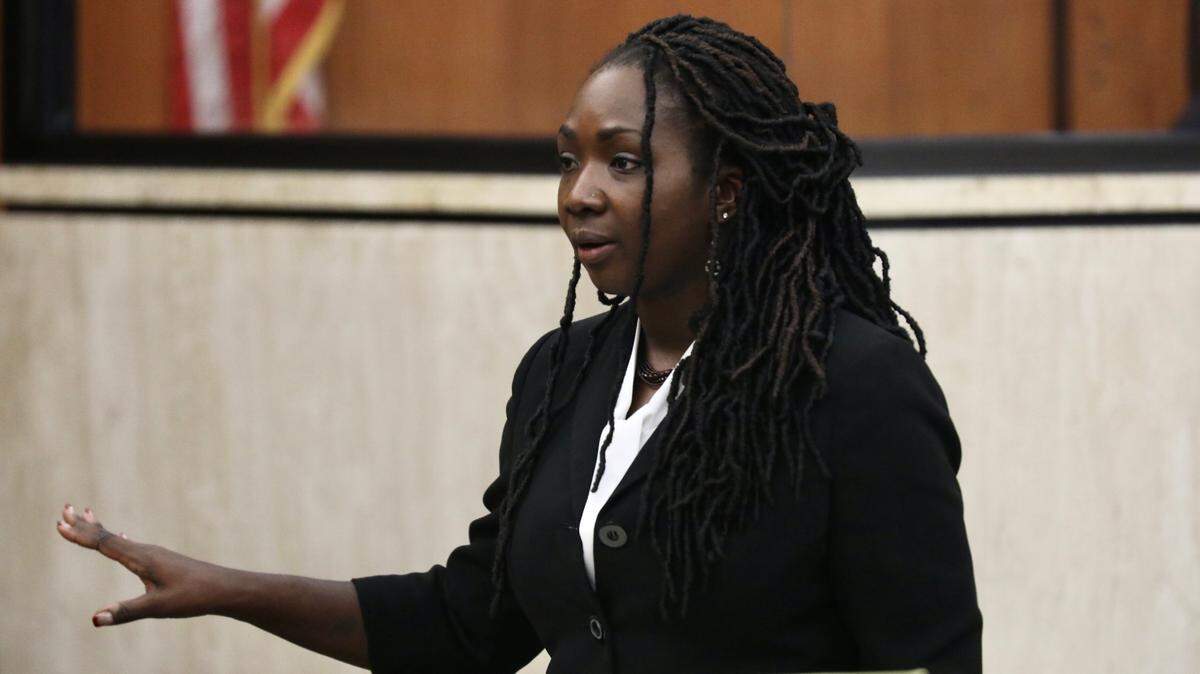
“I just feel like she is not fighting for me,” Rowland said of Tracy Pinnock, the lead public defender lawyer on the case.
The other two are Alicia Goode and Robert Pillinger. Public defenders are paid by the state and provide legal representation to any criminal defendant who cannot afford a lawyer.
Before Rowland spoke, Judge Newman cleared the large courtroom on the third floor of the Richland County courthouse of prospective jurors and held a hearing on Rowland’s request to fire his current attorneys.
Newman noted that the request was being made on the eve of a complex, highly publicized murder trial for which lawyers for the prosecution as well as the defense had spent two years preparing.
“I have to ensure that your rights to a fair trial are protected, but I also have to ensure that the state’s rights are also protected,” Newman said.
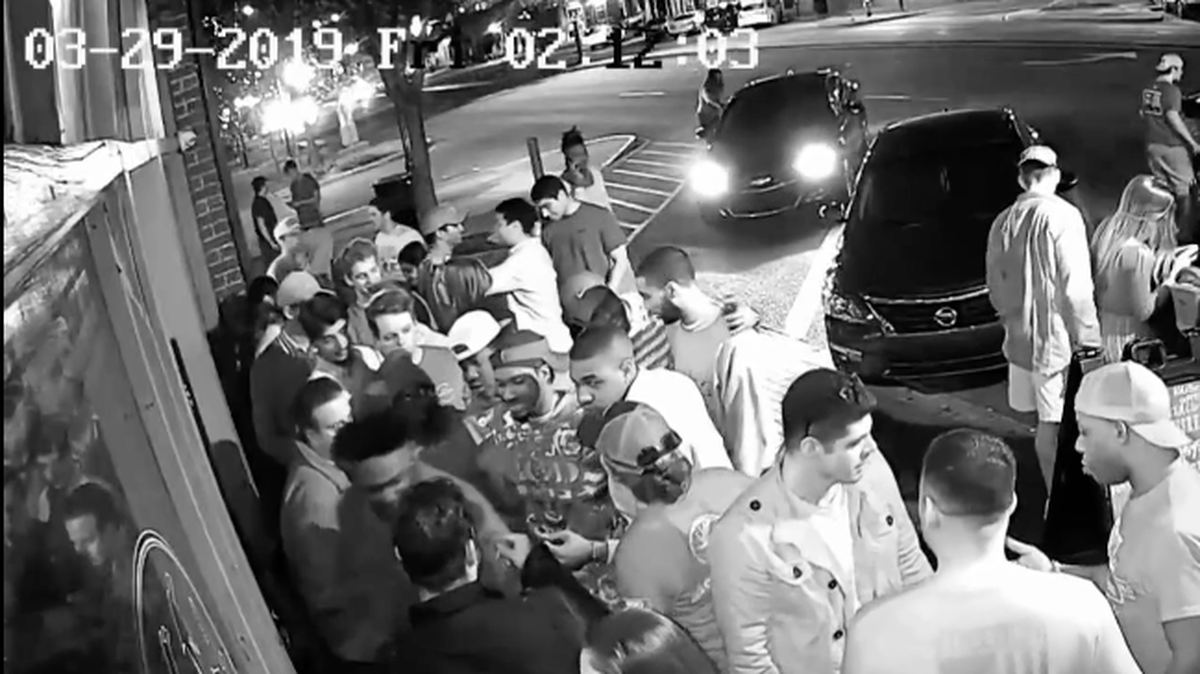
Rowland was arrested in late March 2019, a day after the body of University of South Carolina senior Samantha Josephson was found in a field in Clarendon County. The night before, Josephson, 21, had been in the Five Points nightclub area off campus and mistakenly got into a car she believed was the Uber ride she had called, according to evidence in the case.
Rowland is charged with her murder and kidnapping.
Killing attracts national attention
Josephson’s killing in 2019 received national publicity. Not only was it every parent’s nightmare about their child in college, it involved the name of the prominent rideshare chain Uber and the controversial but popular Five Points nightclub neighborhood.
Reflecting widespread interest in the case, Court TV — a national criminal trial livestreaming network — will have its cameras in the courtroom to cover “State v. Rowland,” as the case is known. “A college student is killed after getting into the wrong car,” a crawler headline on the Court TV’s website said about the case on Monday.
During Monday’s hearing, Judge Newman told Rowland that neither Rowland nor his family have the money to hire a new lawyer as well as the expert witnesses that Rowland’s current attorneys already have retained.
Moreover, Newman said, Rowland’s current lawyers have been working on his case more than two years and have spent more than $10,000 in public money on expert witnesses who are prepared to offer testimony on cell phones, crime scenes and handwriting.
“The U.S. Constitution gives a person the right to have the state appoint a lawyer,” the judge said. “The state has provided a lawyer free of charge. The state has spent thousands of dollars to hire lawyers to represent you.”
Newman estimated the state is spending “far in excess of $10,000” on expert witnesses.
“The state is not obligated to provide private funds for you to hire a private lawyer,” Newman said. “If you hire a private lawyer, it has to be done with your own funds.”
Newman also questioned two of Rowland’s attorneys, Pinnock and Goode, about their credentials. Each said they had more than 10 years of experience with the public defender’s office and had handled hundreds of criminal cases, including murder cases.
“I do believe I would represent Mr. Rowland to the best of my ability,” Pinnock told the judge.
During the hearing, Rowland told Judge Newman he wanted to hire a private lawyer who was referred to as Debra Barry several times, and as Debra Moore at other times.
When that lawyer could not be reached by phone, Newman asked court officials to find her and bring her to court so he could question her. Newman also pointed out that Debra Moore, or Barry, had been employed by the prosecution as a prosecutor at the time they preparing the Josephson case, so she might have a conflict in representing him.
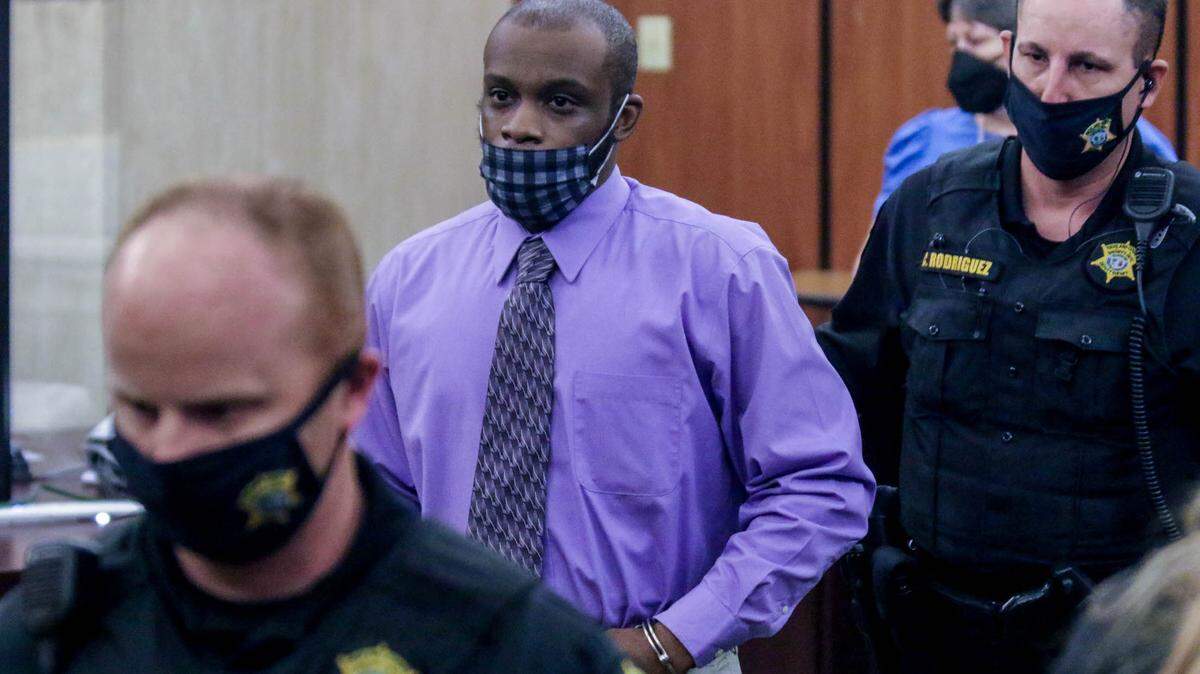
“Why did you wait until the day of trial to raise this question?” Newman asked Rowland, dressed in khakis, a long-sleeved blue-gray dress shirt and a tie. He was manacled with handcuffs and foot chains, but his handcuffs were removed when prospective jurors were in the courtroom.
“It wasn’t intentional,” Rowland replied, explaining he had been thinking about getting a new lawyer for some time.
Newman said, “I have been given no legitimate basis to release your counsel (the public defenders).”
By day’s end, under questioning by the judge, Rowland said he had talked with Moore and said she will not be representing him. He told the judge he will go forward with the public defender lawyers.
Jury selection begins
Earlier Monday, the first tranche of 700 of the 1,000 prospective jurors arrived at the Richland County courthouse for initial questioning to see who among them would be candidates for jury service. On Monday afternoon, 300 more prospective jurors were expected to arrive.
Newman said he intends to pick a jury of 12 jurors and four alternates — 16 members in all. Testimony in the trial is expected to begin Tuesday and go into next week.
Potential jurors included schoolteachers, nurses, clergy, students and more. They came from all walks of life. Some wore suits, others shorts or sweatpants. Their ages appeared to range from the 20s to the 70s.
On Monday afternoon, Newman asked one pool of some 75 potential jurors whether they had heard about the case in the media. About 30 stood. Of those, Newman excused four who said they had formed an opinion that would prevent them from being fair and impartial.
Newman asked another pool of about 90 potential jurors if they had heard about the case. About 70 stood. Of those, Newman excused five who said they had formed an opinion that would prevent them from being fair and impartial.
During the winnowing process, potential jurors were identified only by number, not by name.
Multiple jurors also were excused Monday morning because of COVID-19 related reasons. During the jury selection process, Newman dismissed several potential jurors who said they were uncomfortable being in a courtroom because of coronavirus, had an immunocompromised family member or had been exposed to someone who tested positive to COVID-19.
“It’s something the courts have been struggling with for some time,” Newman said of coronavirus. “We thought things were moving back to a greater degree of normalcy” before the Delta variant emerged.
This story was originally published July 19, 2021 at 2:46 PM with the headline "Rowland, charged in fake Uber killing, seeks to fire lawyers just before trial starts."
.jpg)
.jpg)
.jpg)