Witness displays knife-like tool authorities say Rowland used in ‘fake Uber’ murder
READ MORE
Nathaniel Rowland Trial
Former USC student Samantha Josephson thought she was getting into the Uber she booked in March of 2019. The car she got into went in the opposite direction of her apartment - and she wasn’t seen alive after. Nathaniel Rowland is on trial for her kidnapping and murder. Here are updates from the trial.
Expand All
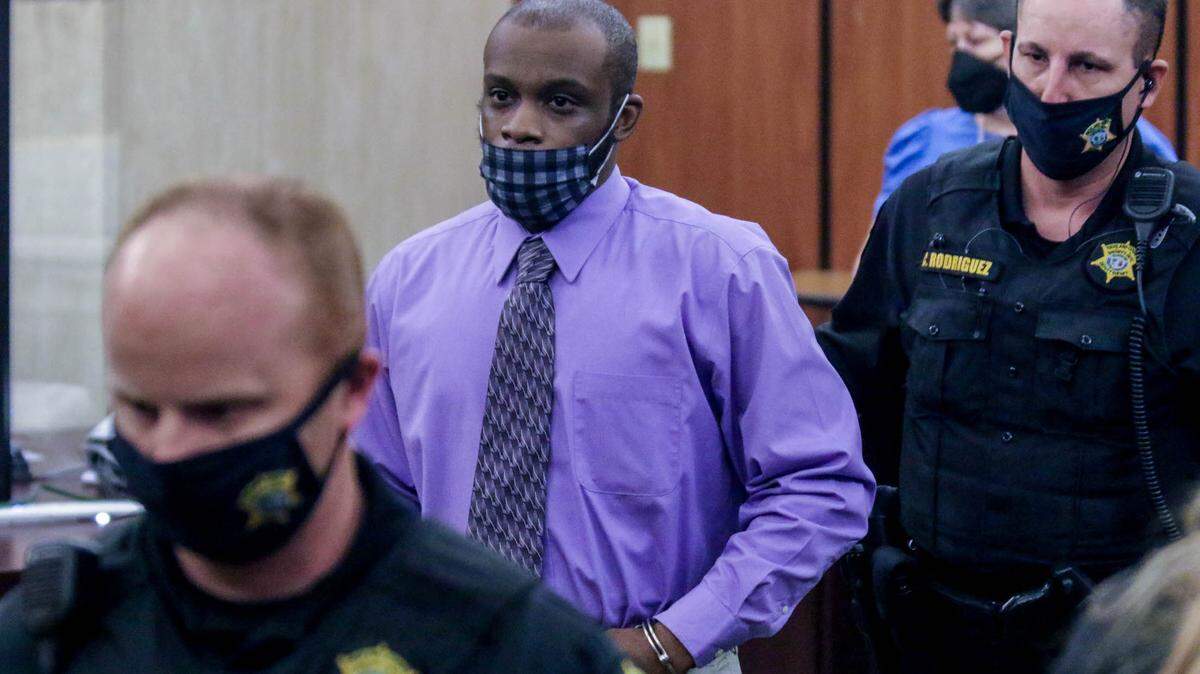
Thursday saw perhaps the most emotional moment of the trial against Nathaniel Rowland, who is charged with murder in the death of former University of South Carolina student Samantha Josephson.
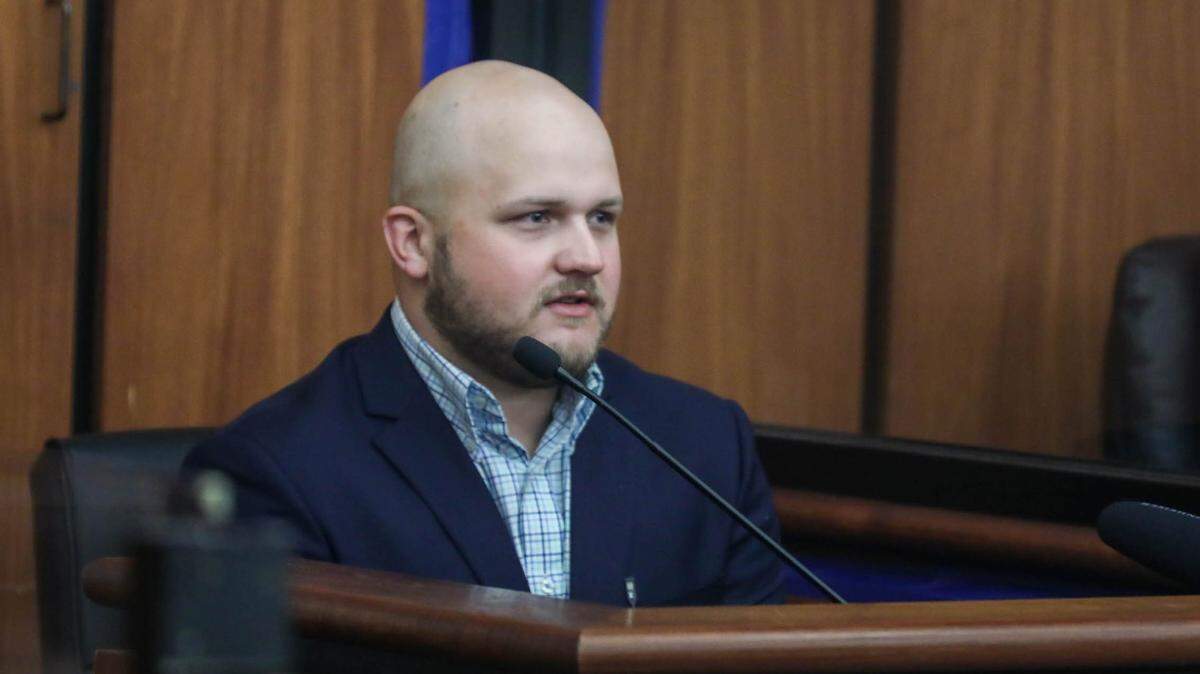
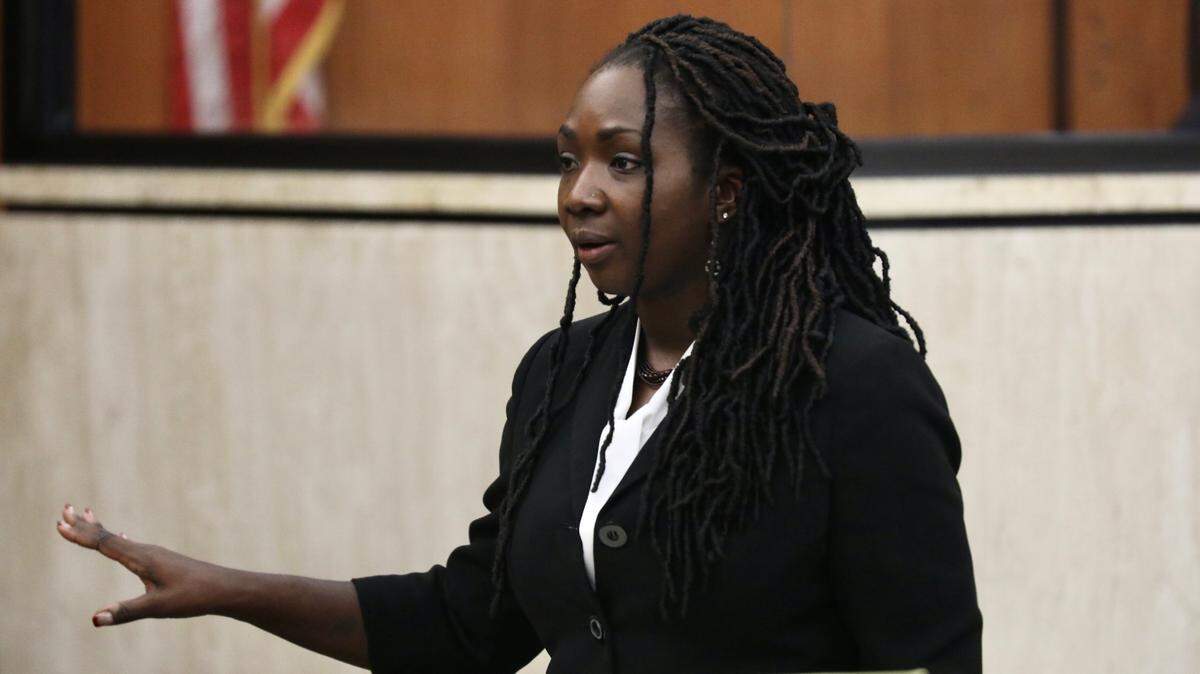
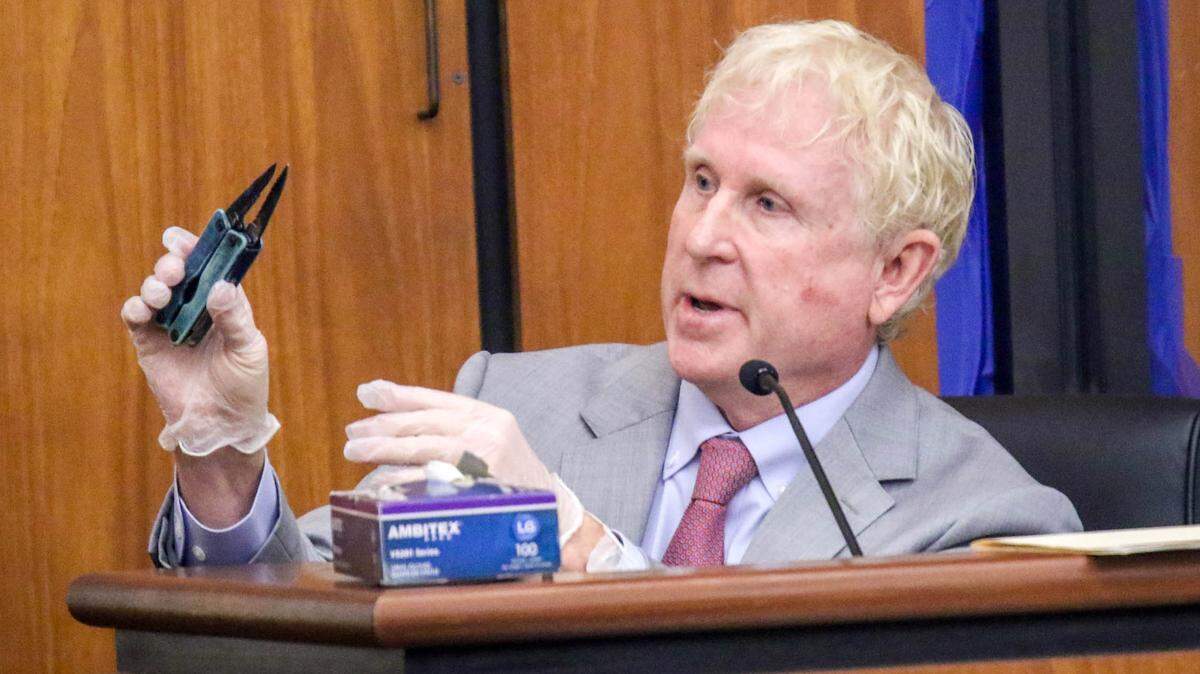
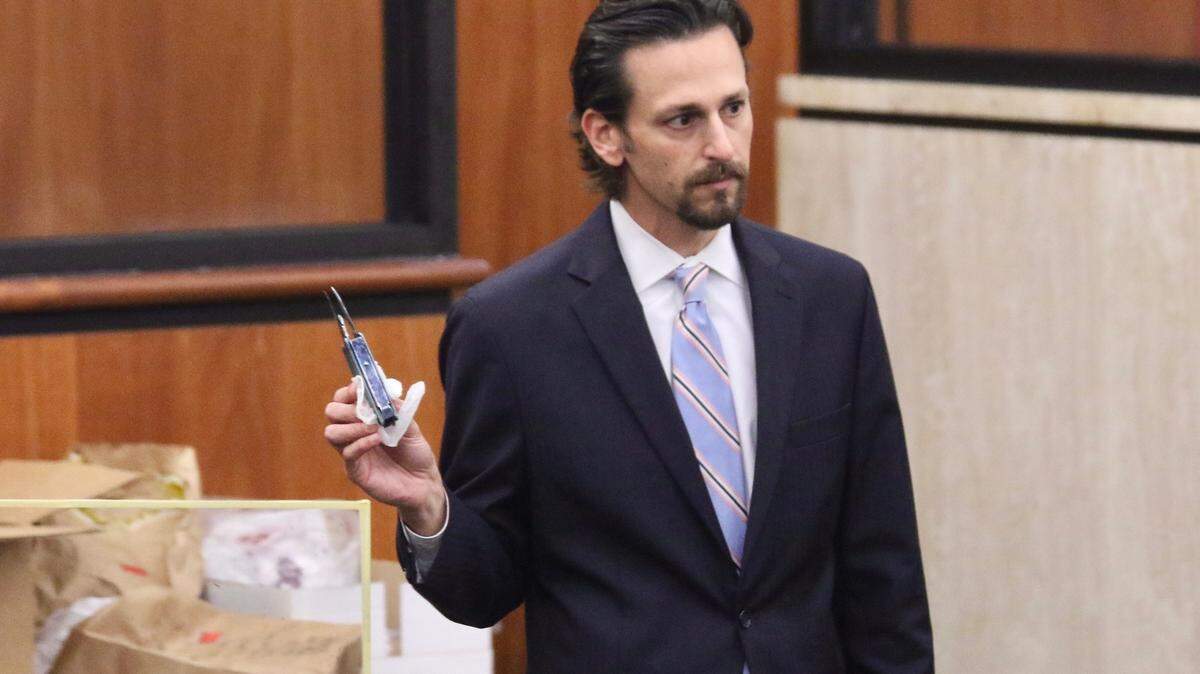
During testimony from Dalila Cirencione, an agent with the State Law Enforcement Division, she held up a multi-tool that police found in a trash can at Rowland’s girlfriend’s house. Prosecutors say this is the weapon Rowland used to kill late Josephson in March 2019.
As Cirencione announced she would be revealing the suspected murder weapon and unwrapped the evidence from its opaque packaging, Josephson’s family hung their heads, fidgeted uncomfortably, reached across aisles to other family members.
When Cirencione held up the multi tool — which resembles a pair of pliers with Swiss-Army-like tools embedded in both handles — both handles had what appeared to be knife blades extended.
From handle to the tip of the blade, the tool appeared to be about six or seven inches long. Prosecutors say that tool left Josephson with more than 100 stab wounds.
Foreshadowing the defense
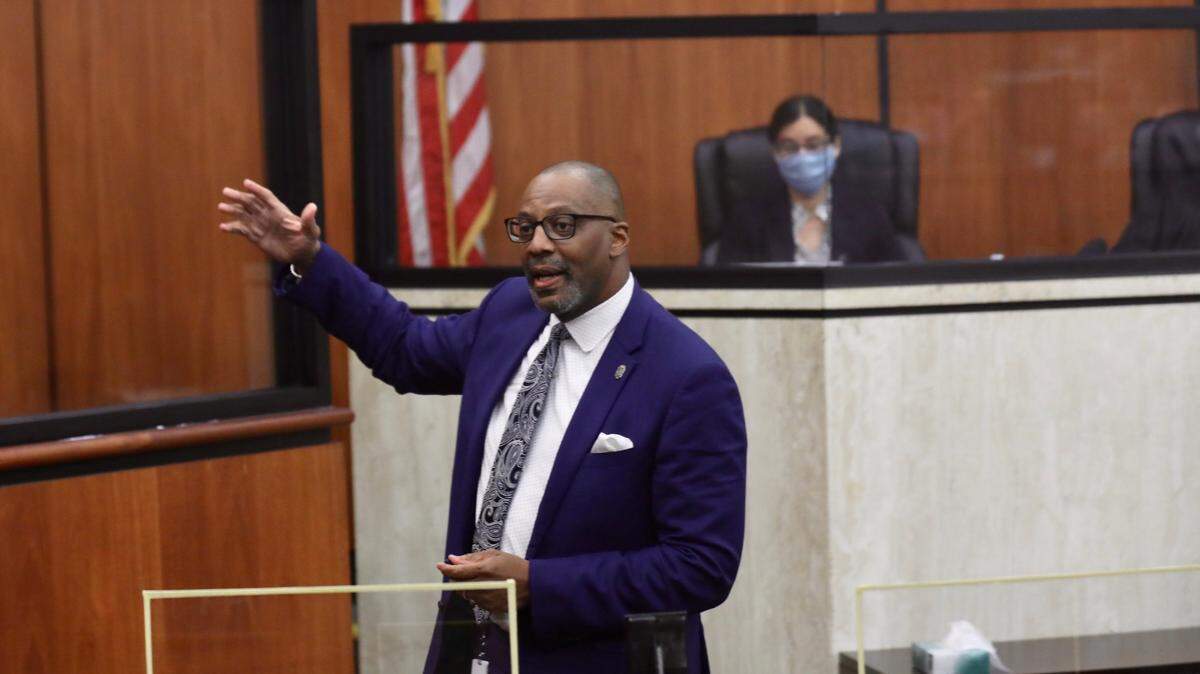
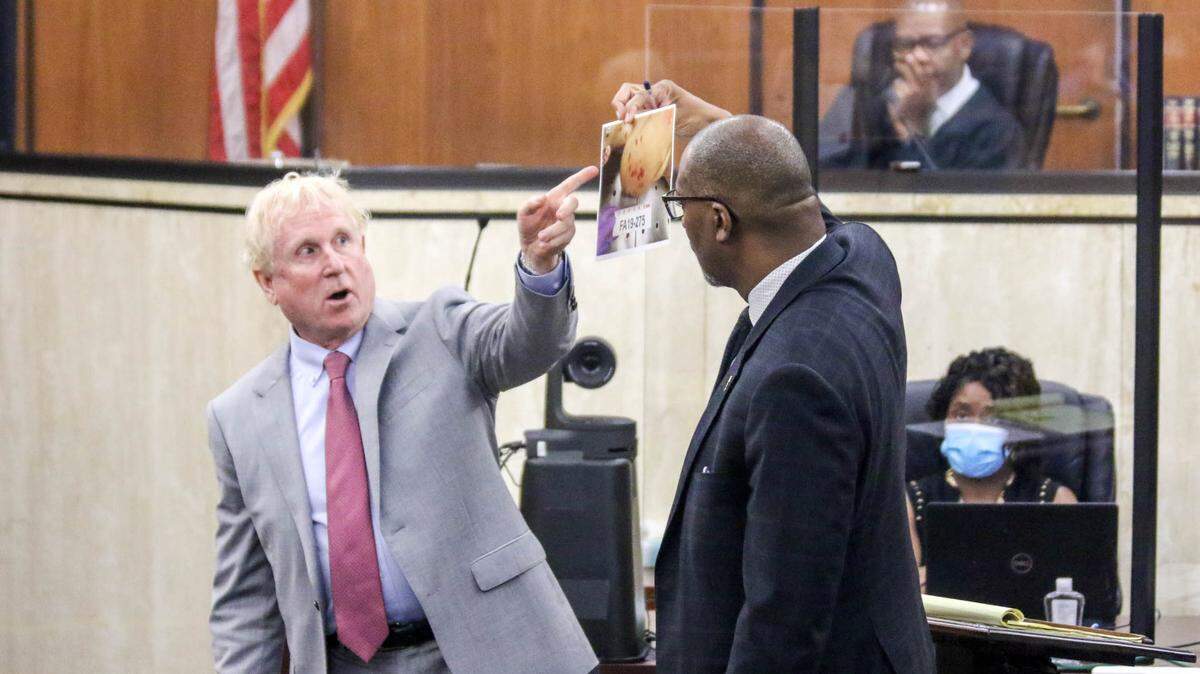
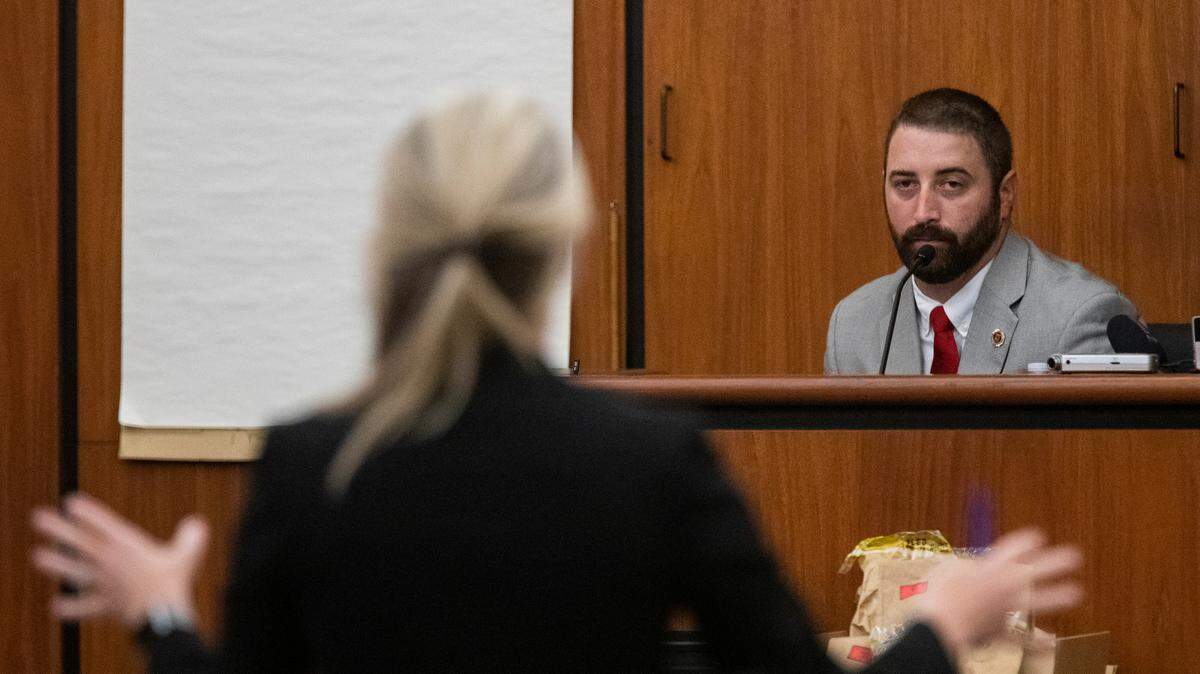
As defense attorney Alicia Goode was cross-examining Cirencione, Goode noted that Cirencione had photographed Rowland’s arms from multiple angles and found no bruises nor cuts.
In the defense’s opening statement, Rowland’s attorneys noted that despite Josephson appearing to fight back against her attacker — something apparent by footprints on the car window, what appeared to be scratch marks on a jacket found in the car and at least one stab wound on the bottom of Josephson’s foot — Rowland did not have even minor wounds, Goode said.
As of Thursday afternoon the prosecution has called 20 witnesses, many of them law enforcement officers or investigators. The defense has had a chance to cross-examine many of them, declined on others.
The phone repairman
The owner of a Columbia phone repair company testified Thursday, saying the man accused of murdering Samantha Josephson tried to sell him a phone just hours after the student was killed.
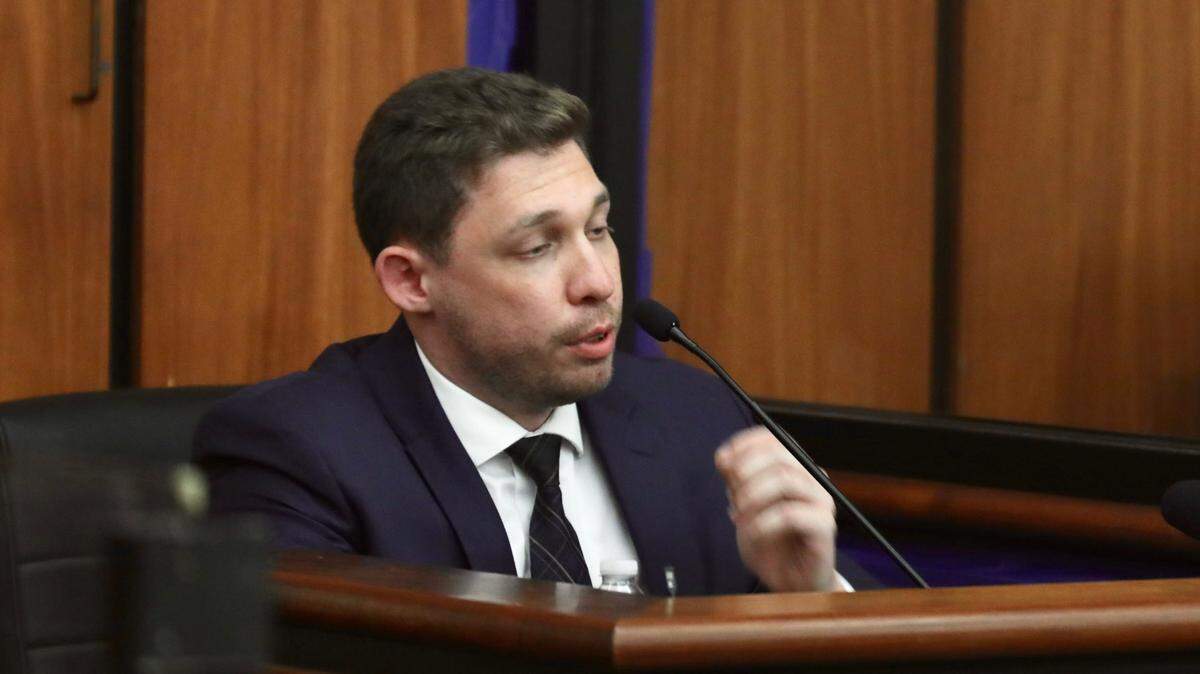
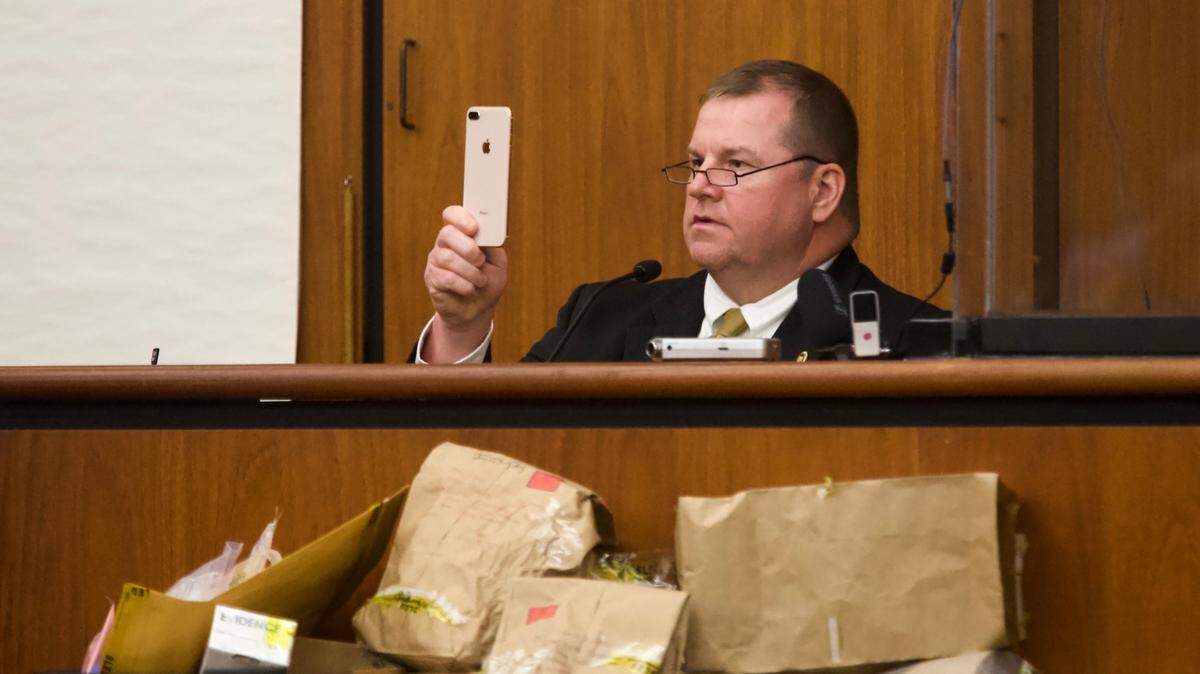
Osharmar Williams, the owner of Cellular City on Monticello Road, pointed out Nathaniel Rowland in the courtroom and said Rowland had tried to sell him a rose gold iPhone 7+ on the morning of March 29, 2019.
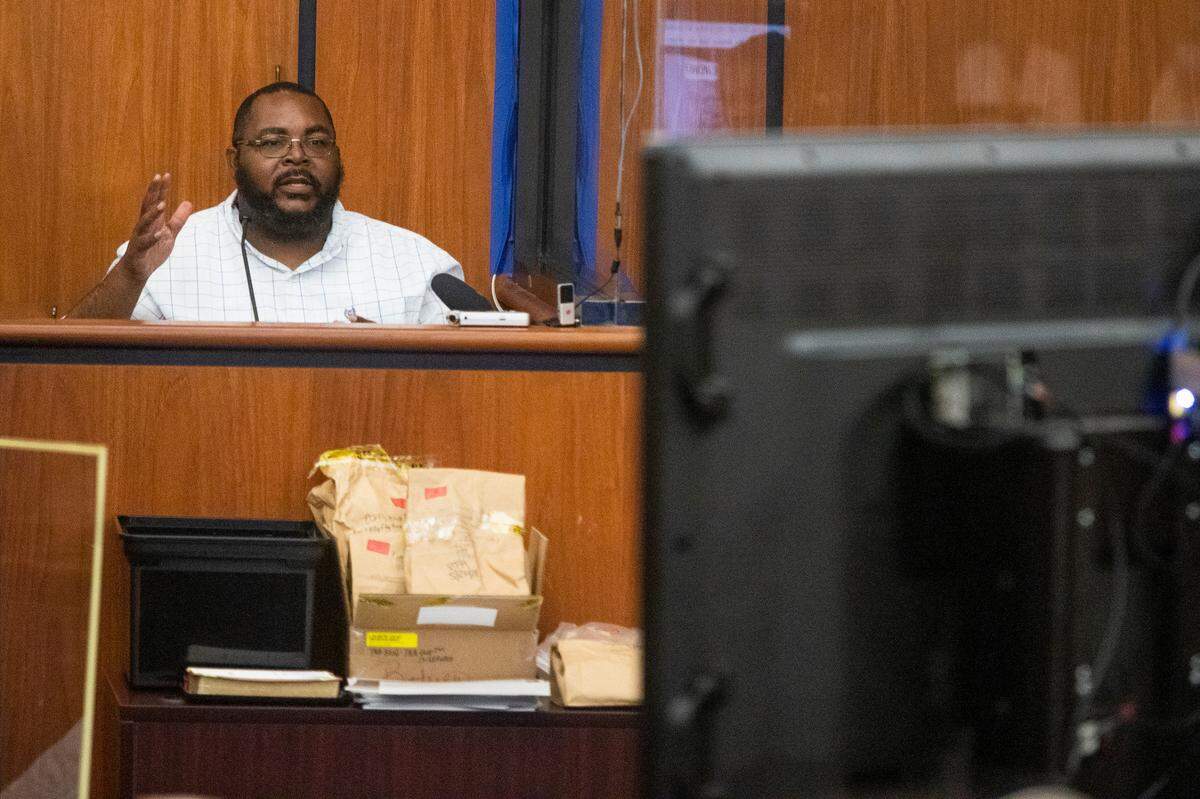
Several features of the phone Williams described matched other descriptions of Josephson’s phone. For example, police bodycam footage shown in separate testimony showed police recovering a rose gold iPhone from the back of Rowland’s car. The bodycam footage showed police able to access the phone without using a pass code, something Williams also said about the phone Rowland tried to sell him.
Williams said he remembers seeing a picture on the phone, apparently taken at Christmastime that included a white woman. This detail elicited subtle gasps from the section of the court where Josephson’s family was seated.
Williams checked the iPhone’s serial number, but it did not come up as lost or stolen, he said. Williams did not end up buying the phone because Rowland had asked for $300 for the phone and Williams was willing to pay no more than $150, he testified.
The prosecution, who called him as a witness, showed surveillance video and photos from his store as a man in a black Nike-brand hoodie came in and tried to sell the iPhone. It was hard to see the man’s face in the surveillance video, but Williams identified the man as Rowland and pointed to him in the courtroom.
Later Thursday, the prosecution entered into evidence a black Nike hoodie that resembled the one seen in the surveillance video.
Rowland likely wrote cryptic note, expert says
A handwriting expert testified Thursday afternoon that it is “probable” that the man accused of killing Samantha Josephson wrote a cryptic note police found during their investigation.
Neither the context nor the location where the letter was found was immediately clear, but it contained sparse words such as “duck,” “whole,” “gasoline” and “flip,” according to evidence presented at the trial of Nathaniel Rowland.
Prosecutors said the word flip stood for flip phone; whole stood for whole body, and duck stood for duct tape.
State Law Enforcement Division handwriting expert John Allan “Jack” Jamieson analyzed the note alongside handwritten documents obtained from Rowland’s former employers, Capital Waste Services and FedEx. Jamieson couldn’t say for certain Rowland wrote both documents, but said it was “probable” that he did.
“It’s probable, meaning high degree of likelihood” that the same person wrote both the cryptic note and Rowland’s employment paperwork, said Jamieson, who claims to have testified in more than 250 trials throughout his career.
“Probable” is neither the strongest nor the weakest conclusion in the practice of handwriting analysis, Jamieson testified. There are two determinations stronger than “probable,” in the industry that are “highly probable” and “identification,” which is a confirmed match between two documents, he said.
The trial so far
In the opening statements, the prosecution argued Rowland was guilty because they found Josephson’s blood in his car alongside cleaning supplies, the murder weapon matched a similar tool Rowland had, Rowland tried to sell Josephson’s phone after she went missing, Josephson’s phone and keys were found in his car, and more.
The defense has argued that none of Rowland’s DNA was found on Josephson, and despite the slain college student receiving over 100 stab wounds, there were no bruises or marks on Rowland one might expect from such a struggle.
On Tuesday, the prosecution called five witnesses, one of which was Josephson’s boyfriend, Greg Corbishley. Corbishley and one of Josephson’s former roommates described in their testimony the agonizing search for Josephson the night she disappeared and the next morning before learning that she had been killed.
By 1 p.m. Wednesday, the prosecution had called a total of 14 witnesses. Seven of the morning witnesses were affiliated with law enforcement or the county jail. Two of the witnesses called Wednesday morning were hunters who discovered Josephson’s body in Clarendon County on March 30, 2019.
Wednesday afternoon, Rowland’s ex-girlfriend testified she saw blood in his car the day after Josephson was killed, then later saw Rowland cleaning a multi-tool that police later confiscated.
This story was originally published July 22, 2021 at 2:36 PM with the headline "Witness displays knife-like tool authorities say Rowland used in ‘fake Uber’ murder."
.jpg)
.jpg)
.jpg)