Letter shows SC education board asked school district to follow ‘book ban’ guidelines
READ MORE
South Carolina Book Bans
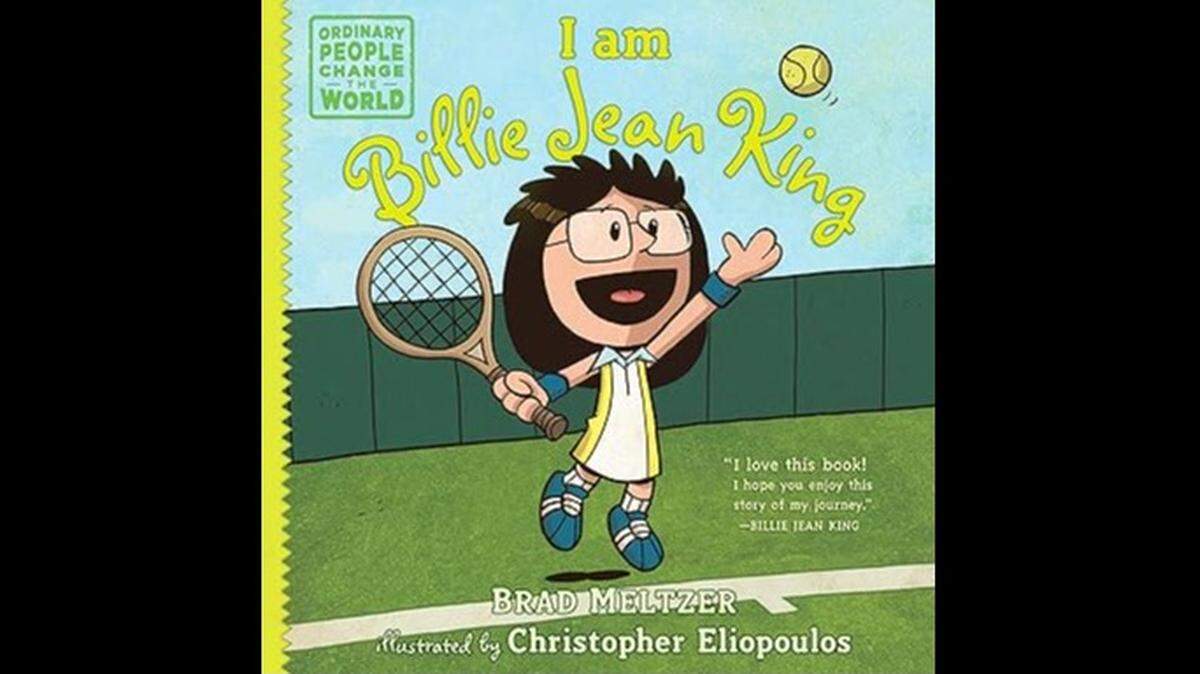
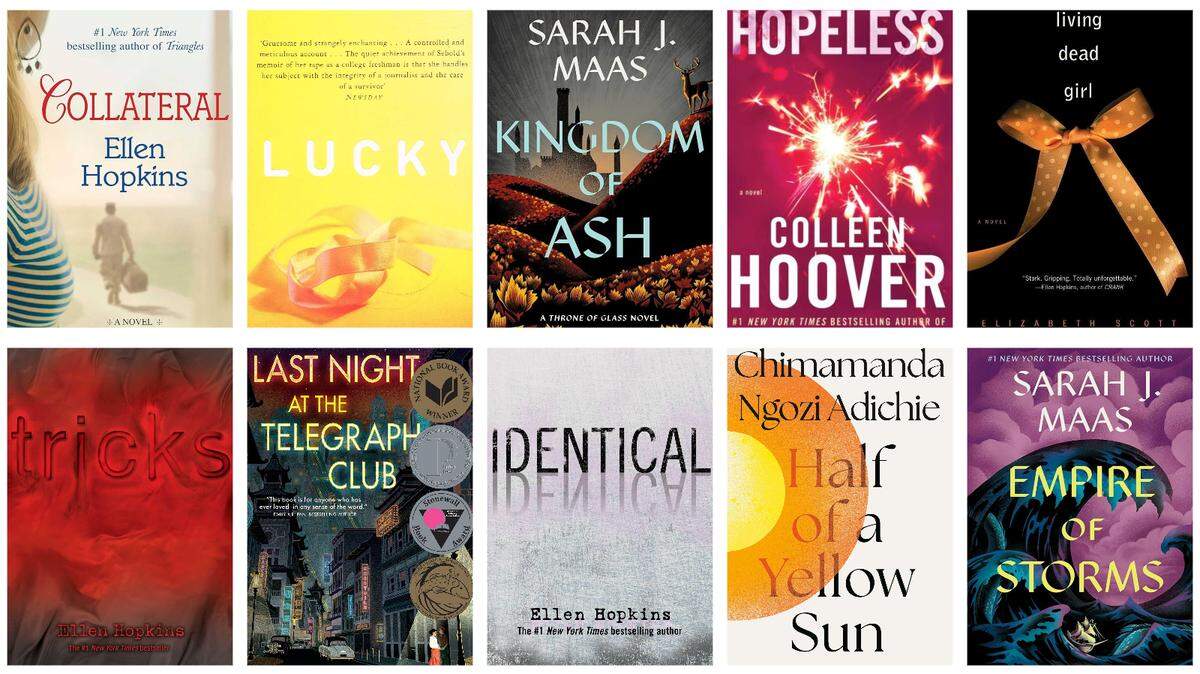
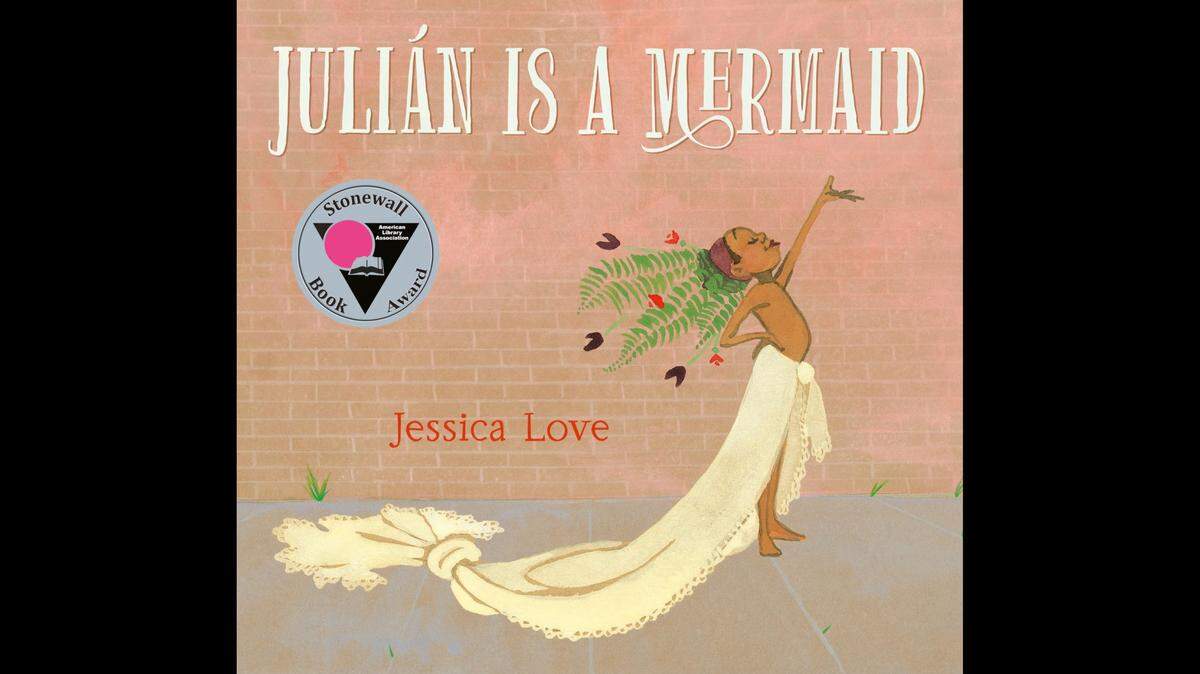
The state now has 22 books banned from all public school classrooms and libraries, becoming the nation’s leader in book bans.
Expand All
The South Carolina Board of Education and the Beaufort County School District are in a standoff.
In a June 18 letter, obtained Monday by The Island Packet and Beaufort Gazette through a public record request, the state board asked the school district to manage any new book complaints internally instead of forwarding them straight to the state. The request is being mulled over by the district’s board of education, and district Board Chair Richard Geier said they have 90 days to respond.
“As we move forward, the State Board of Education believes it is time for your local board to resume the lead in reviewing additional complaints, using the framework outlined in Regulation 43-170 and the orders corresponding to the materials we have reviewed,” the letter, signed by state Board of Education Chair Merita Allison, read.
Under Regulation 43-170, school districts must publicly review and vote on any instructional material complaints — including classroom and library books — that contain descriptions or images of sexual conduct. Parents or legal guardians may file up to five complaints per month, provided they have made a good-faith effort to resolve their concerns with school or district staff.
Beaufort County School District maintains that books already reviewed — even those reviewed before the regulation took effect — do not require another vote. Instead, the district forwards those titles directly to the South Carolina Department of Education when challenged again.
At a district school board meeting earlier this month, Geier said no action related to the letter came out of executive session due to the school board needing more time to craft a unified response back to the State Board of Education.
However, once a decision is made, it could mark a turning point not just for Beaufort County, but for the state. If the board reaffirms its position, it will likely continue bypassing public votes on previously reviewed titles — a decision that has contributed heavily to South Carolina’s lead in book removals nationwide. If the board agrees to change course, it could reintroduce public oversight and slow the pace of removals.
That decision carries added weight because at least 14 of the 22 books banned or restricted statewide this year were challenged by one Beaufort County parent, Elizabeth “Ivie” Szalai. Her influence has sparked growing debate about whether one individual should have the power to limit access to books for students across the state.
Beaufort County at the center of national controversy
The rise in challenges traces back to Szalai, who helped spearhead the wave of complaints under and before Regulation 43-170. Szalai submitted over half of the 22 complaints that resulted in statewide bans or restrictions this year. Before the new regulation, she asked the Beaufort County School District to remove 97 titles, five of which were removed at the time.“We recognize that the prior model policy, while well-intentioned, led to inconsistency across districts in determining age-appropriateness,” the state board letter wrote. “In response to growing concerns across the state, the State Board initiated a collaborative process in 2023 to create a more uniform and transparent standard.”
Szalai is currently asking the school district to review 15 more books. The school district forwarded the request to the state before receiving the letter.
While supporters of the book removals argue Regulation 43-170 protects students from inappropriate content, critics have called the law vague and overreaching. Groups like Families Against Book Bans and the Diversity Awareness Youth Literacy Organization have pushed back locally, demanding more transparency and a path to restore previously banned books — a process that currently does not exist.
Following South Carolina’s May State Board of Education meeting, the state leads the nation in school book removals. As of now, no books are under review at the state level, and the next board meeting is scheduled for August 5. The next district school board meeting is also scheduled for that same day.
How the book removal process works
Under Regulation 43-170:
Parents or guardians may submit up to five formal complaints per month using a standardized form.
The school board must publicly review and vote on each complaint within 90 days.
A complaint must be based on depictions or descriptions of sexual conduct — not political or social viewpoint.
Books may be removed, restricted by grade level, or made available only with parental consent.
Complainants unhappy with the district’s decision may appeal to the State Board of Education, which must issue a decision within two meetings.
This story was originally published July 22, 2025 at 11:51 AM.