SC banned more school books than any other state. Can any be reinstated?
READ MORE
South Carolina Book Bans
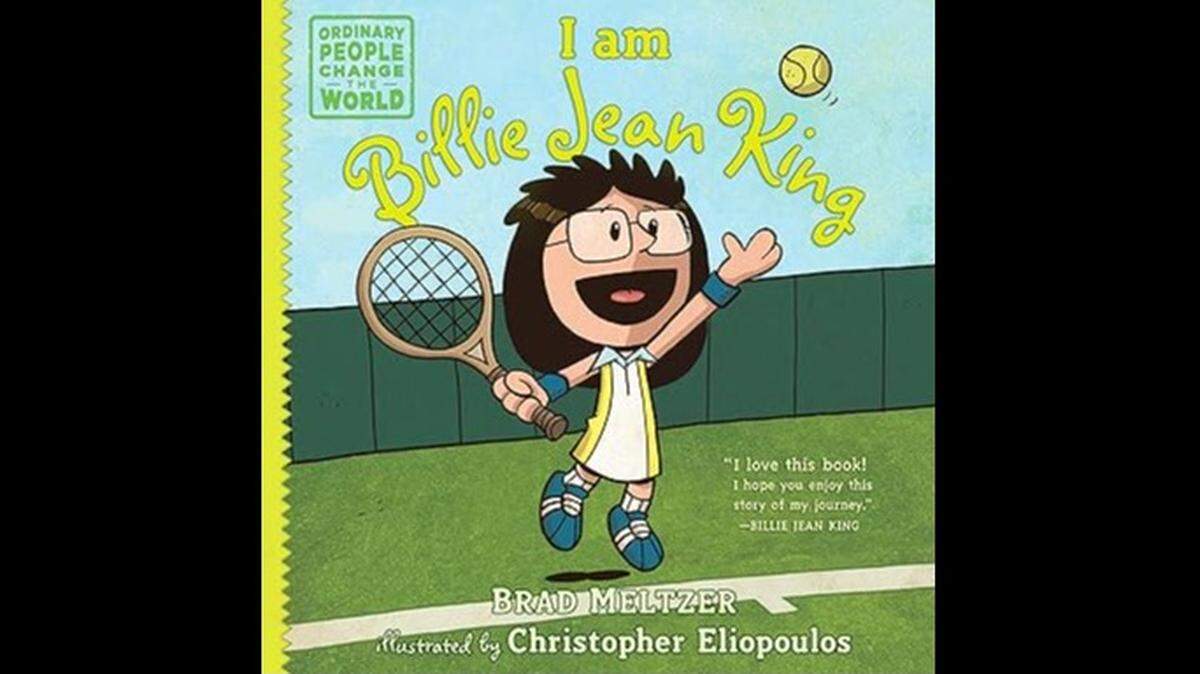
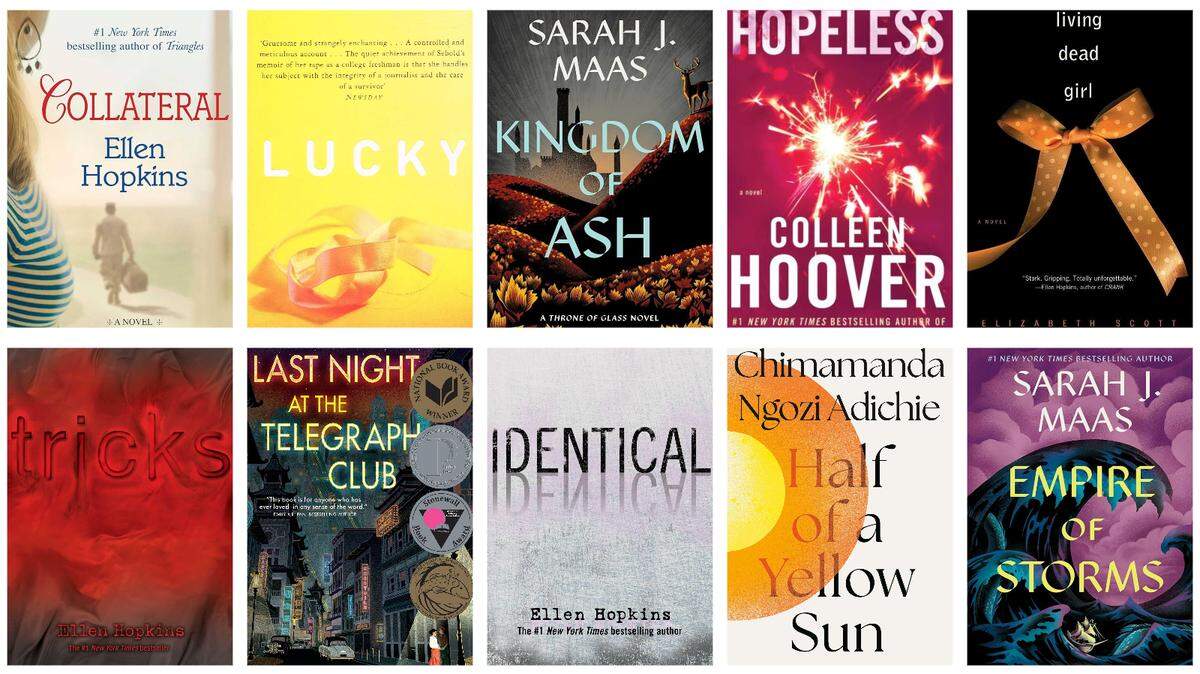
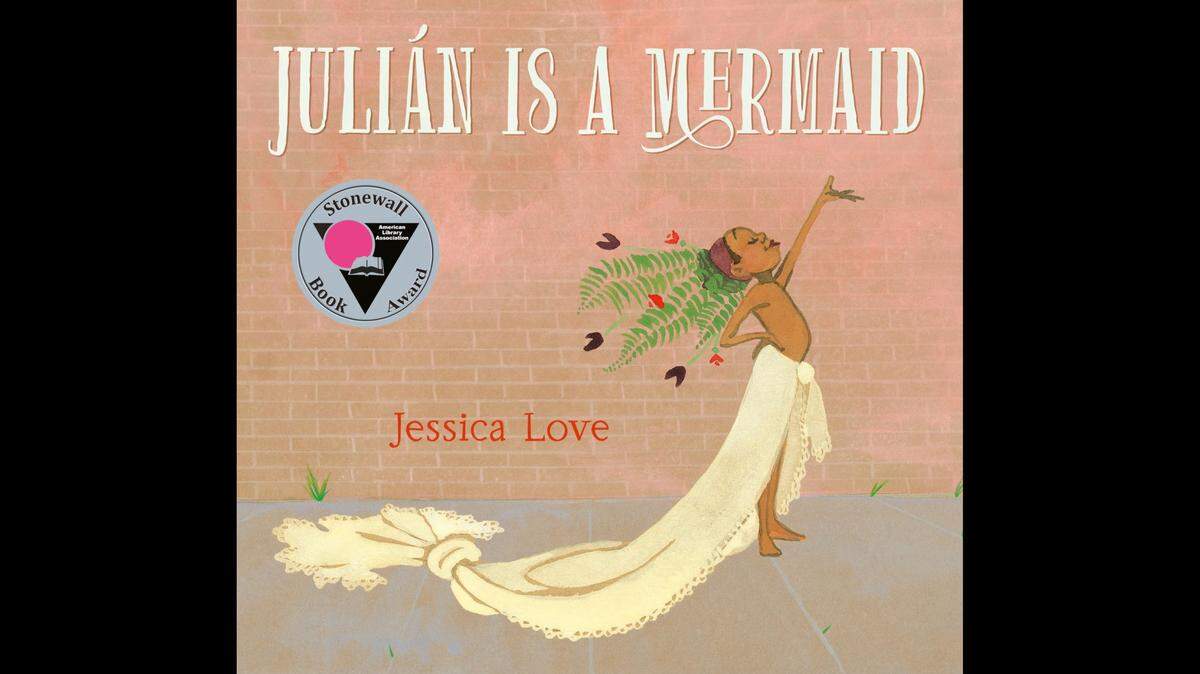
The state now has 22 books banned from all public school classrooms and libraries, becoming the nation’s leader in book bans.
Expand All
It took about a year to ban books in South Carolina public school libraries. Putting them back on the shelves could take just as long — if it happens at all.
Following last month’s state education board meeting, South Carolina now leads the nation in the number of books removed from public schools. The books banned have drawn national backlash and packed board meetings with pleas from students, parents and advocacy groups. But with no formal process to reverse the ban, efforts to “unban” books face legal uncertainty, regulatory hurdles and no clear path forward.
At the heart of the controversy is Regulation 43-170, a policy that allows for the removal of public school library and classroom books that contain descriptions or images of sexual conduct. The rule has sparked contentious debate — and placed Beaufort County inadvertently at the center of the movement.
County resident and parent Elizabeth “Ivie” Szalai played a key role in helping the state lead the nation in public school book bans this year, requesting the removal of over half of the 22 books that were ultimately pulled or restricted. Years earlier — before Regulation 43-170 existed — she asked the Beaufort County School District to remove 97 books. At that time, five were axed.
But opposition to the bans also emerged from Beaufort County with organizations like Families Against Book Bans and Diversity Awareness Youth Literacy Organization, the former originating from the first fight against the removal of 97 books at the district level.
The debate escalated in April when the state Department of Education board paused a vote to remove 10 books statewide, opting to review the challenges and revisit the issue in May. That decision marked a win for those opposing the bans. But at the May meeting, when the board voted to remove the books, a new question emerged: what would it take to not just stop future bans — but to “unban” a book?
Can a book be ‘unbanned’ ?
Can pulled books be reinstated? Put simply, not unless someone sues.
There are no procedures at the state level to bring back a book that’s already been reviewed and removed by the state board of education.
“The State Board may revisit past decisions for good reason, such as a change in law or fact,” wrote Jason Raven, the state department of education spokesperson. “However, the State Board cannot reverse a decision that would result in the Board violating the regulation, which has the force and effect of law.”
Christian Hanley, a board member and chair of the Instructional Materials Review Committee, agreed, saying there’s no process for reinstating books removed under Regulation 43-170. However, amending the regulation is possible, he said, but it would require a lengthy and complex process — including drafting new language, public comment periods, multiple board readings and legislative approval.
When asked whether discussions had started about creating a reinstatement process, Hanley said, “That’s not been talked about.”
Hanley, who has supported book removals, said he’s read research suggesting that exposure to sexually explicit content can harm young people and increase the risk of problematic sexual behavior.
Most of the state board appears to agree. In the May vote to remove 10 more books, only two of the 15 board members opposed the action.
What would amending the regulation look like?
Although the state Department of Education doesn’t have a formal process for reinstating previously removed books, existing regulations can be amended.
At the June 3 board meeting, Tenley Middleton, president-elect of the South Carolina Association of School Librarians, and Lacey Lane, a teacher and parent of two school-aged children, proposed several changes to Regulation 43-170. Their recommendations included:
Require the committee to read all challenged books in full before making decisions
Evaluate books for educational and artistic value
Allow exceptions for:
Academic need
Literary merit
Overall content context
Author’s intent
Include a diverse, locally representative review committee (including five parents, an administrator, a librarian, three teachers and two high school students)
Permit districts to maintain stronger existing policies
Keep books accessible during the review process
Are lawmakers getting involved?
State lawmakers are also weighing in. Rep. Heather Bauer, D-Richland, and South Carolina House Democrats recently announced support for a bill designed to push back against book bans and protect school librarians’ professional autonomy.
If passed, the legislation could create a clearer path to prevent — and possibly reverse — book bans. But how far the bill would go in restoring previously banned books is unclear, and its chances of advancing in the current General Assembly remain uncertain.
What about the Constitution?
Some legal experts have questioned whether bans like those under Regulation 43-170 are constitutional. The 1982 Supreme Court case Pico v. Island Trees School District ruled that school boards can’t remove books simply because they dislike the ideas in them.
Whether South Carolina’s bans would withstand a legal challenge remains to be seen. Advocates have hinted that lawsuits may be coming — but so far, none have been filed in the state.
What’s next?
At the June 3 board meeting, members began a mandatory review of state regulations, as required every five years. Changes in law require updates to board rules, which must go through public notice and two formal readings, according to Robert Cathcart, the department’s policy and legal advisor.
Recommendations included amending seven regulations and eliminating or consolidating six others — a step toward streamlining state policy.
“As a reminder in the hierarchy, you have constitutional law, and then you have regulations,” Cathcart said. “The law changes — we also have to change our regulations.”
For now, once a book is banned under Regulation 43-170, it stays off public school shelves. There’s no current path for reversal outside of changing the law itself, which is something those opposing book bans can pursue legally in an appeals process.
As of June 4, no books are under review at the state level. The state Department of Education will also not hold a meeting in July.
This story was originally published June 5, 2025 at 5:00 AM.