Phone scammers take thousands from Hilton Head-area victims. What to know
The impersonators take many forms, and they come prepared with countless stories for Beaufort County residents.
But one narrative unites their schemes: You’re in trouble, and money is the only way out.
One of the oldest tactics involves phone calls where scammers impersonate government officials and law enforcement, often assuming the names of actual local authorities and threatening swift consequences if the victim hangs up. The phone scams continue to drain wallets in the Hilton Head Island area as tactics grow more convincing.
Beaufort County residents lost at least $70,000 to these impersonators between July 2025 and January of this year, according to a review of 26 cases described in sheriff’s office incident reports.
In calls to unsuspecting victims, the fraudsters pose as night judges, sheriff’s office supervisors, bondsmen, human trafficking investigators, jail employees, court workers, federal agents and more, many spoofing their phone numbers to make the call appear to be coming from an official agency. Scammers fabricate high-stakes stories about arrest warrants, jury duty absences and federal investigations to muddle victims’ decision-making — and in some cases, they use public arrest records to target families who are grappling with legal trouble.
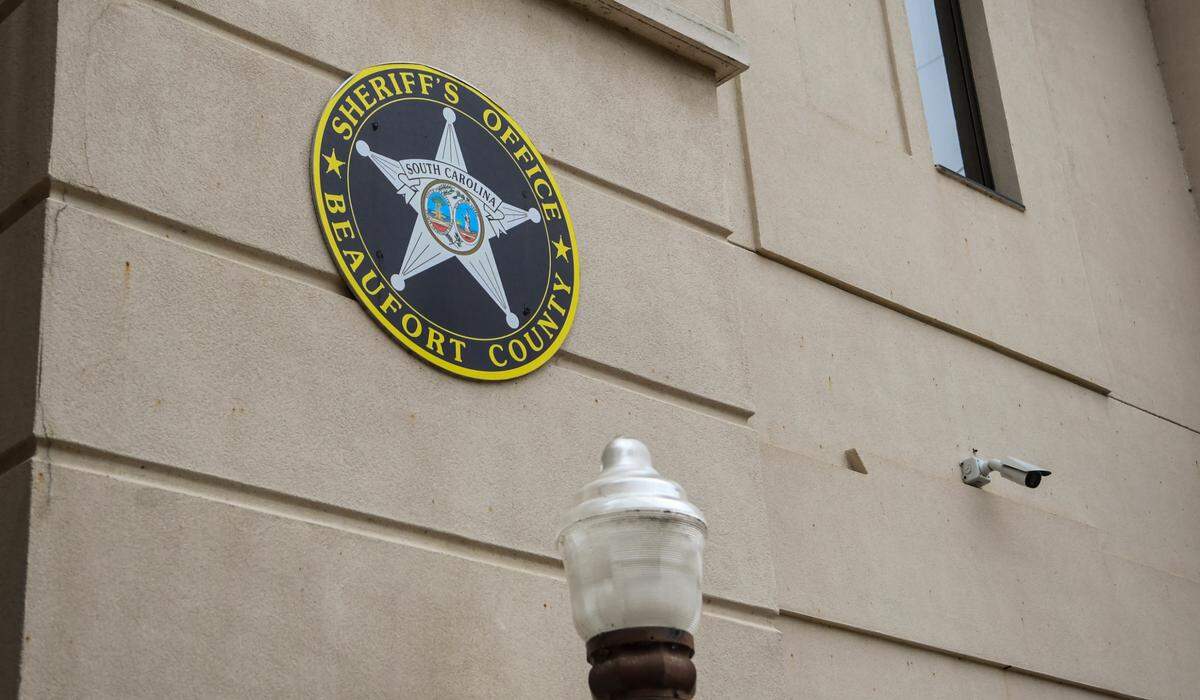
Capt. Norman McCown of the Port Royal Police Department said he’s noticed an uptick in impersonation scams in the last six months. Residents often call police to warn they were targeted, he said, but the agency hadn’t received any recent reports about locals losing money to the fraudsters.
But reported scams likely represent a fraction of the full picture. A 2025 Pew Research survey found that 74% of U.S. adults who lost money from an online scam or attack said they did not report it to law enforcement. Many victims avoid contacting police due to feelings of shame or embarrassment over being scammed, according to the AARP.
Local and federal authorities have advised they’ll never contact someone by phone to demand payment or personal information. Residents who believe they’re being targeted by a government impersonator should hang up and verify details with their local officials or police department.
Fraud driven by fear
Whether a scammer is impersonating a federal agent or a local police lieutenant, experts say their primary goal is instilling fear and distress — all with the aim of producing a panicked, vulnerable target.
“Our brains have been functioning the same way for 300,000 years, which is if you’re facing an imminent threat, you don’t go and think about it with logic, you just go to action,” Kathy Stokes, director of the AARP’s Fraud and Protection Programs, told The Island Packet and Beaufort Gazette. “The criminals figured that out a long time ago: Get them into that heightened emotional state ... and push with urgency, and they pretty much can deceive anybody that way.”
To intensify that fear, some scammers’ tactics go beyond the usual phone call.
One scammer impersonating a sheriff’s office supervisor in November presented a resident with a fake subpoena alleging she was charged with contempt of court. She drove to Hilton Head’s Walmart store and sent $3,950 to the fraudster as an “e-bond” payment, a police report says.
Through calls with a supposed employee of the U.S. Treasury Department and messages about a purported virus on her computer, another woman in Okatie was led to believe her computer was “connected to a human trafficking ring,” she told deputies in October.
Following the imposter’s orders in a bid to clear her name, she withdrew $10,000 from her bank and mailed the cash to an address in Los Angeles. Later realizing how suspicious it all seemed, she returned to UPS the next day and had the shipment successfully intercepted — but the package came back empty.
Scammers weaponize public arrest records
About half of the 26 recent phone scam cases in Beaufort County involved victims who were recently arrested or had family members in jail, according to the review of police records.
In these cases, scammers demanded payment for their relatives’ bond through cryptocurrency transfers or via payment apps like Cash App and PayPal. If they had already been released, the criminals claimed to need money for the person’s safe driving classes, ankle monitors or anger management classes as part of a court mandate.
“The criminals are going to take public record, they’re going to buy lead lists from crooked data brokers and find the people who they believe to be the most vulnerable,” Stokes said. “It might have something to do with a threat of going back to jail if you don’t pay this. Unfortunately, it’s just another audience that they can make react very quickly out of fear.”
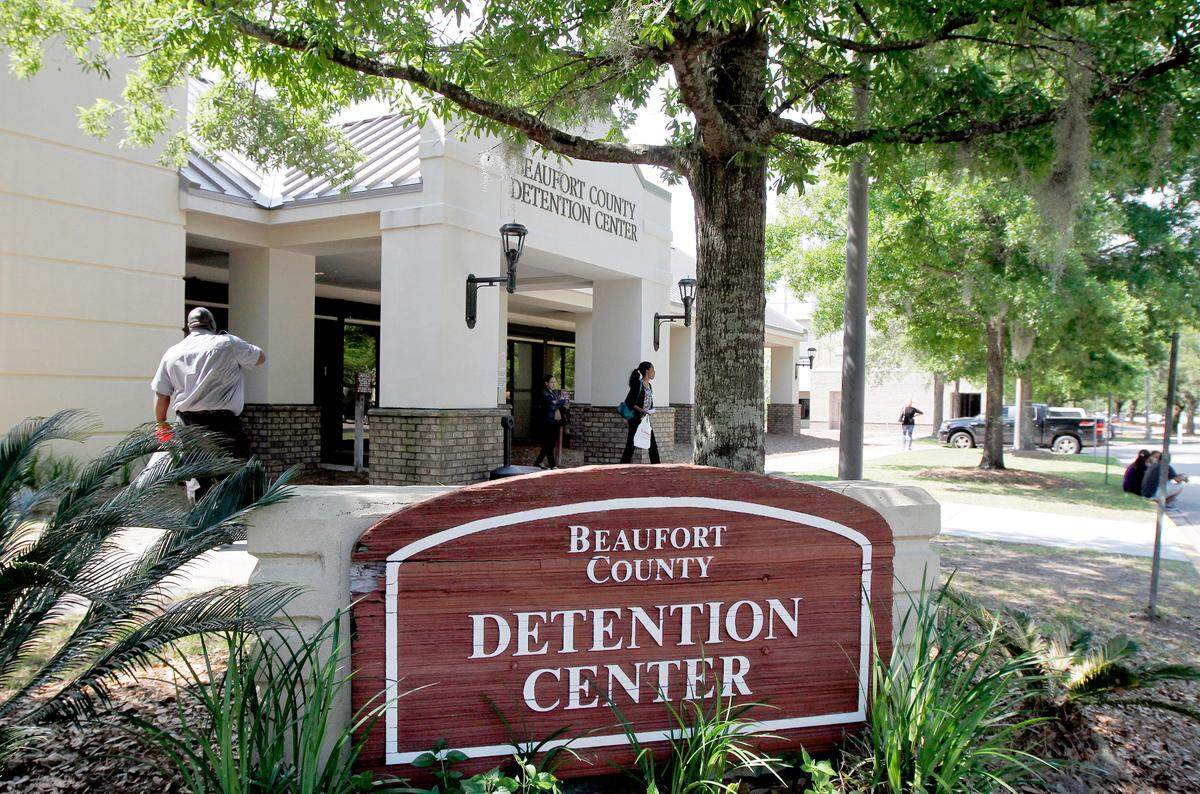
While his son was in custody at the Beaufort County Detention Center in early January, a man visiting from out of town got a call from a sheriff’s office impersonator. The scammer claimed the jail was under a COVID-19 lockdown that required him to post his son’s bail electronically, the victim later told police. After creating accounts with Zelle and Apple Pay, per the impostor’s instructions, he sent the criminal $4,000 for his son’s supposed release.
One woman was targeted by a bondsman impersonator who claimed she needed to pay her ex-husband’s bail at a kiosk inside Walgreens. After she drove around the Bluffton area and failed to find an open location, the scammer “eventually settled with taking her debit card number, the expiration date and her social security number,” according to an incident report. She had $200 taken from her account.
The stories scam victims are led to believe are already highly unsettling, especially those involving threats of legal action. But even after victims realize they’ve been tricked, different kinds of distress can linger — shame, self-hatred and even lasting trauma, according to Stokes.
“Every victim that calls (the AARP scam hotline) or enters into a support group session says, ‘I can’t believe how stupid I was. I cannot believe I let this happen,’” she said. “And we just have to try to reverse that mindset. It takes a long time to heal.”
What can be done about phone scams?
There’s no unilateral solution to cracking down on the colossal scam industry. Scammers drained a reported $12.5 billion from victims across the U.S. in 2024 — with one of the most commonly cited tactics being government imposter scams, the FTC says.
But prevention can happen in small ways, like when a Beaufort County man targeted by an arrest warrant scam was helped by employees at his bank in late January. He had already sent $15,000 to the fraudster via a cryptocurrency ATM, he later told police, but the Wells Fargo employees advised him of the scheme before he could pay the imposter another large sum.
Other small solutions can be seen every day in the Hilton Head area: a bright red “warning” sticker plastered onto a Bitcoin ATM in a convenience store, a sign in the grocery store’s gift card section advising the cards are a common vehicle for paying scammers.
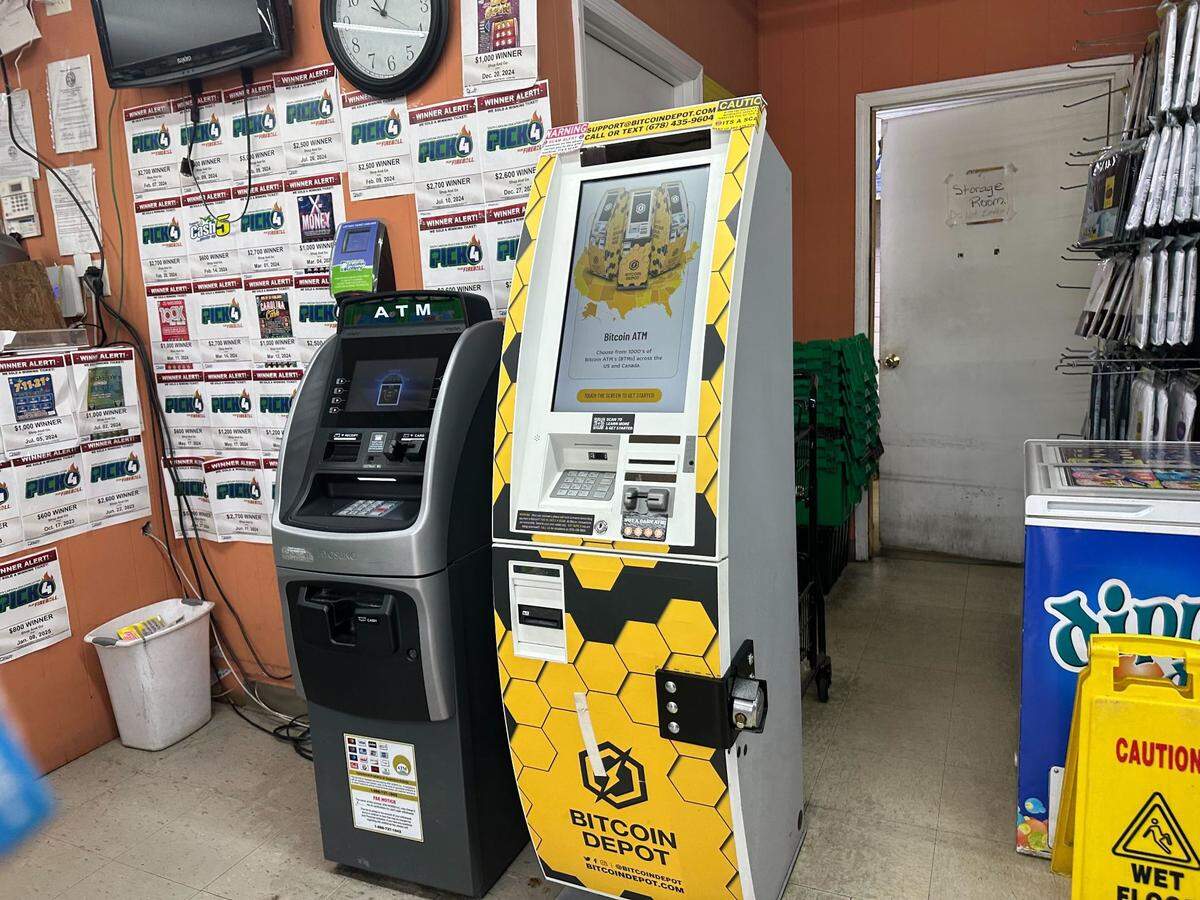
State legislators have drafted at least a half-dozen bills aiming to regulate cryptocurrency ATMs and digital currency, although none have yet made it to the governor’s desk, according to the South Carolina Daily Gazette. The effort is also happening on a national scale, as leaders seek to require cryptocurrency issuers to return stolen funds to fraud victims.
For Stokes, her long-term solutions include reducing the stigma surrounding fraud victims to help solve the issue of underreporting, and to encourage everyday conversations about the scam practices that now pervade lives.
“This is a national security threat. So anybody that believes they were duped, understand this is the number one crime in this country, and actually globally,” Stokes said. “And then maybe on a lighter note, just ask people to share what they know ... then pass it on, talk to your friends and family, pick up the phone and call your mom or dad.”
This story was originally published February 12, 2026 at 12:47 PM.