Why was a shrimp boat tilted on a Morgan River sandbar? Looks can be deceiving
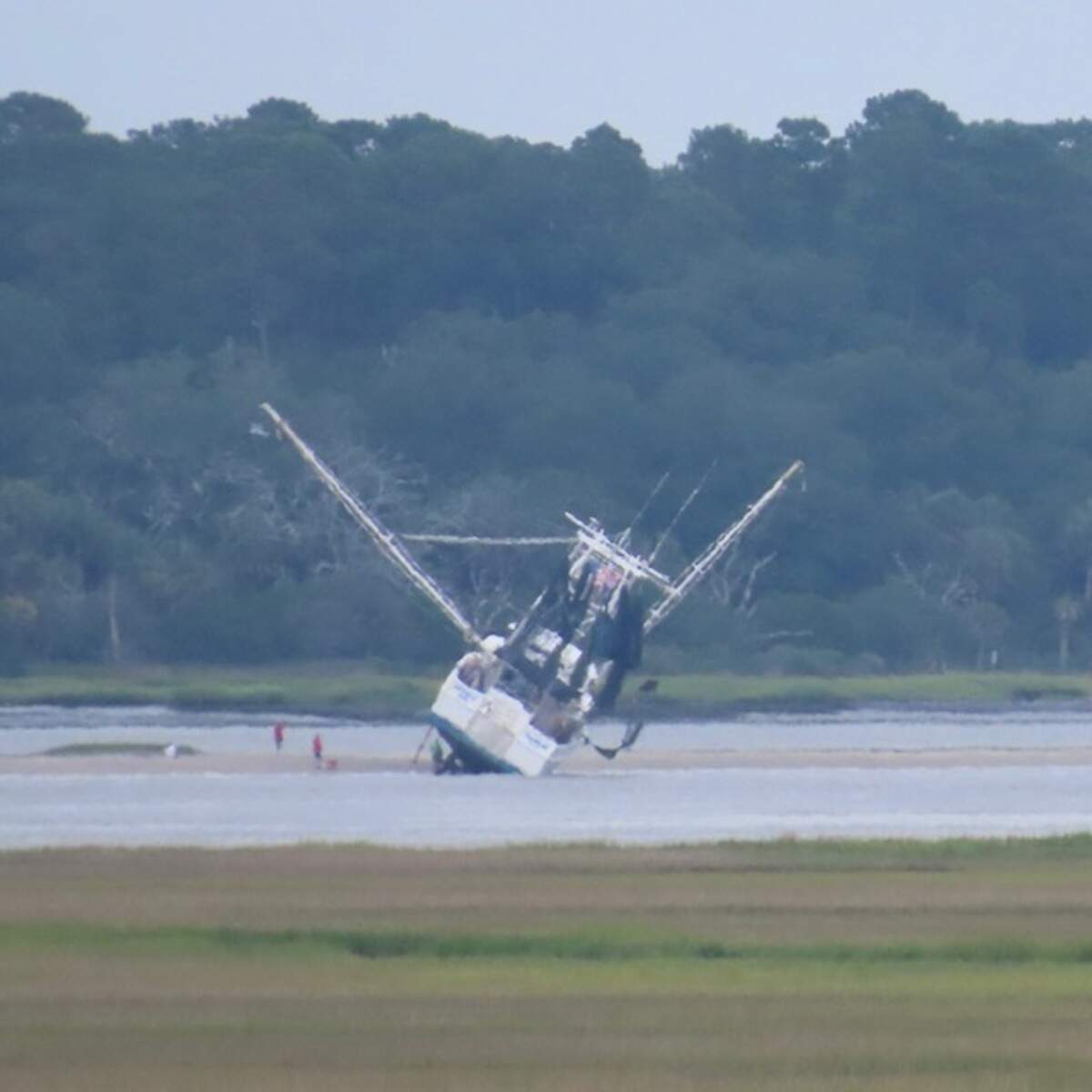
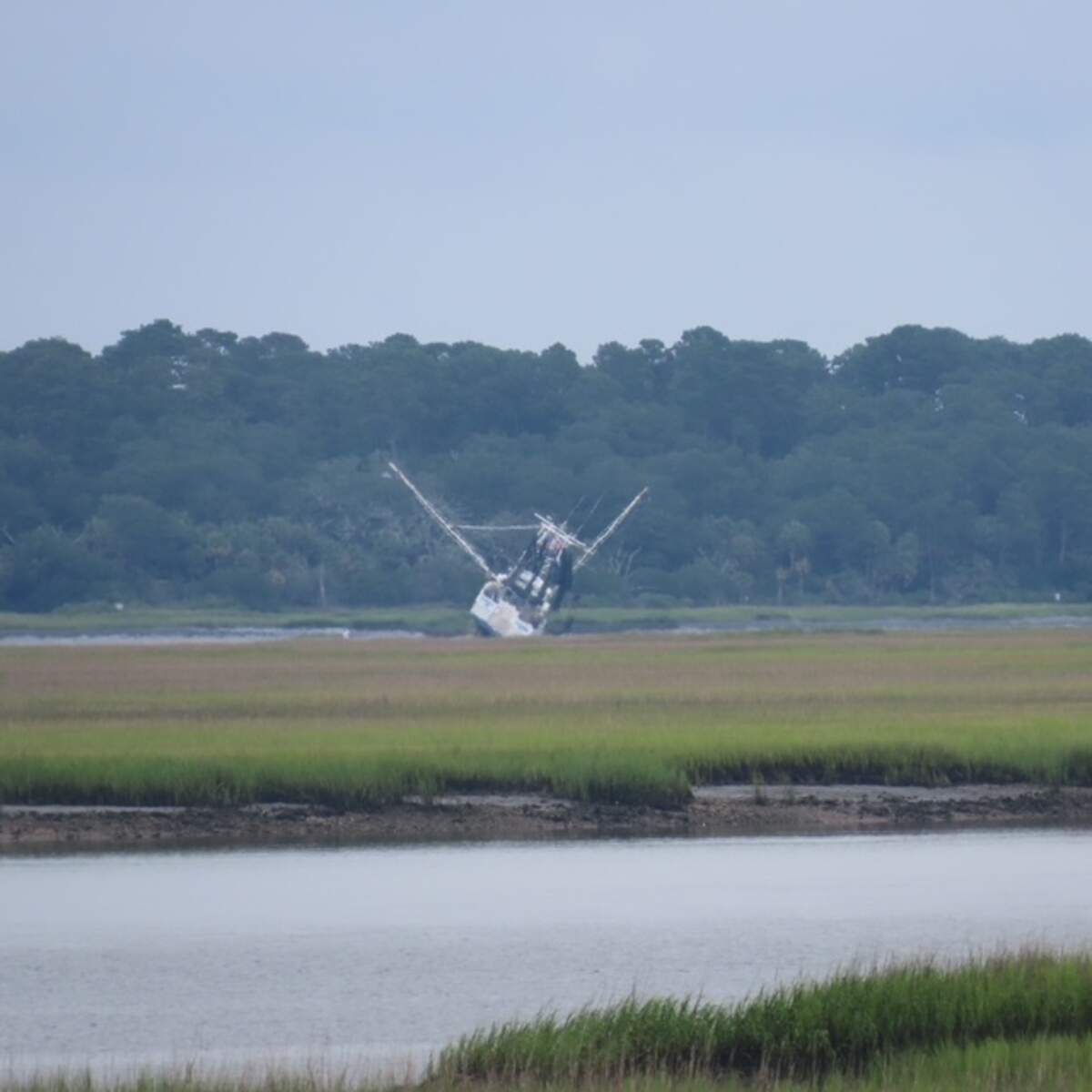
A large shrimp boat in the Morgan River off the shores of St. Helena Island turned heads this week because it looked like it was stuck on a sandbar.
Looks can be deceiving. While boats get abandoned or stuck in low tide occasionally, in this case, the owner of the Morgan River shrimp boat intentionally grounded the boat to repair it, instead of using a commercial marine railway or boat lift to remove it from the water, said Craig Reaves, a shrimper who knows the captain.
The do-it-yourself repairs, sometimes called a “poor man’s railway” or “poor man’s dry dock,” are an example of the declining shrimping industry infrastructure available in Beaufort County, says Reaves.
“We’ve all used the poor man’s railway before,” said Reaves, who owns Sea Eagle Market in Beaufort and docks his shrimp boats on St. Helena Island.
A boat lift raises a boat vertically out of the water while keeping it over the water. A boat rail system (or marine railway) pulls the boat entirely out of the water.
By contrast, the “poor man’s railway” method involves positioning a boat by a hard sandbank during high water, Reaves said. Then, after the tide goes out, the boat tilts, exposing one side of the bottom where maintenance or repairs can be done.
It’s important that the sand be hard, because a 150-ton shrimp boat will sink in the mud and make it impossible to get underneath it to work.
Using this method for repairs or maintenance saves time and money, Reaves said, especially these days when the necessary infrastructure needed to repair large shrimp boats is disappearing in the Lowcountry.
Boat owners need to go 20 or 30 hours to the north or south to find a commercial railway or boat lift.
“You’re talking about multiple days and thousands and thousands of dollars,” Reaves said, “or you can just go out in the Morgan River and do the work yourself.”
The Morgan River is a shrimping and crabbing hub that connects St. Helena Island to St. Helena Sound and the Atlantic Ocean.
The loss of boat repair facilities is part of a larger decline in shrimping industry-related infrastructure over the last 10 years, Reaves said.
There used to be four or five railways alone in the Beaufort area, he said. With the loss of infrastructure shrimpers have lost “the ability to work on our boats.”
“People don’t understand how hard it is to make a living shrimping,” Reaves says.
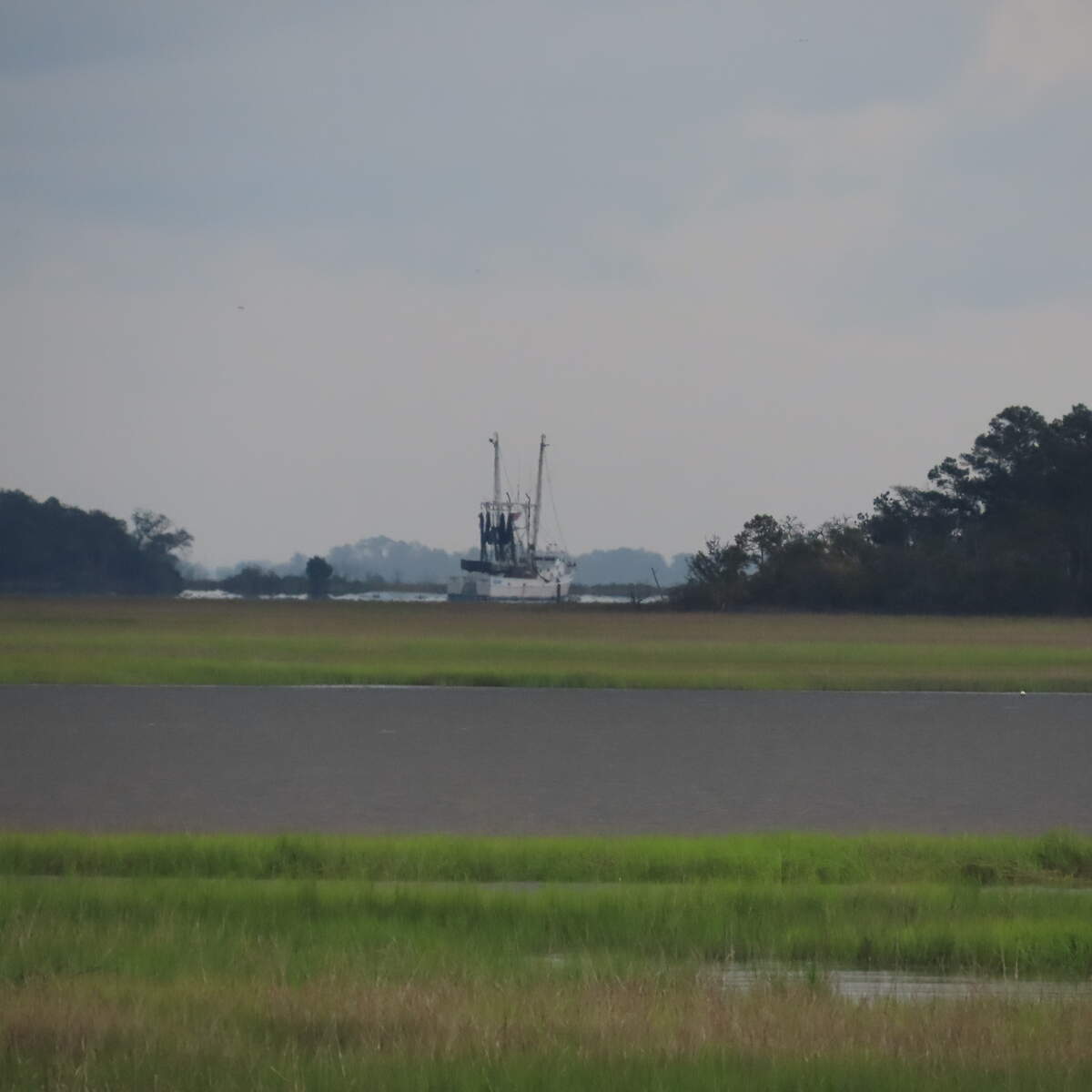
By Tuesday evening, the shrimp boat on the Morgan River had righted itself with the rising tide, and the crew headed toward St. Helena Sound.
This story was originally published July 15, 2026 at 12:31 PM.