This wild island south of Beaufort is being nationally recognized. Here’s why
The moment of silence for billionaire media pioneer and conservationist Ted Turner was not silent.
As if on cue, wind rattled through the Palmetto tree fronds, relentless waves washed ashore and birds chimed in, creating a symphony of sounds at the ancient and largely untouched island on the South Carolina coast that Turner saved from development.
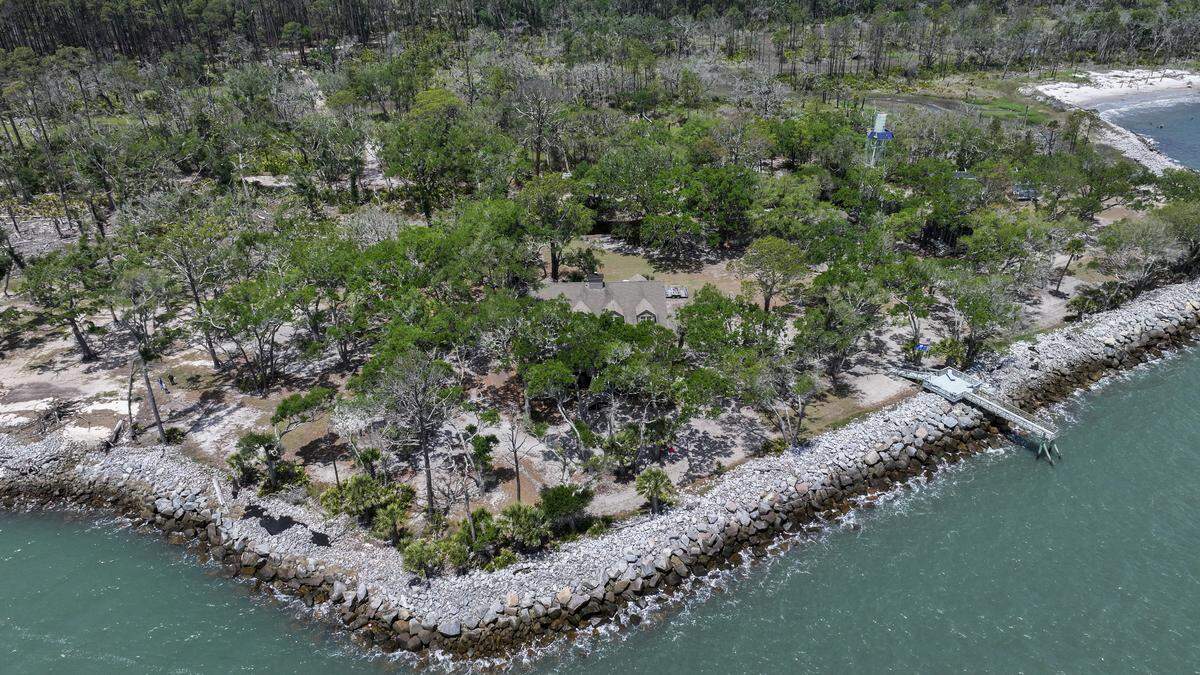
Turner founded CNN and created the first 24-hour cable news network. But he broke ground in conservation, too. After he bought St. Phillips Island in 1979, he worked with the Nature Conservancy to implement a conservation easement that protected it, save for a house and guest house that his family and friends used as a retreat. He sold the 4,680-acre island to South Carolina State Parks in 2017.
On Friday, special guests gathered at Turner’s old getaway overlooking the Atlantic for a ceremony to induct the magnificent old-growth forest that continues to thrive due to his foresight into the Old-Growth Forest Network, a national network of protected native old-growth forests.
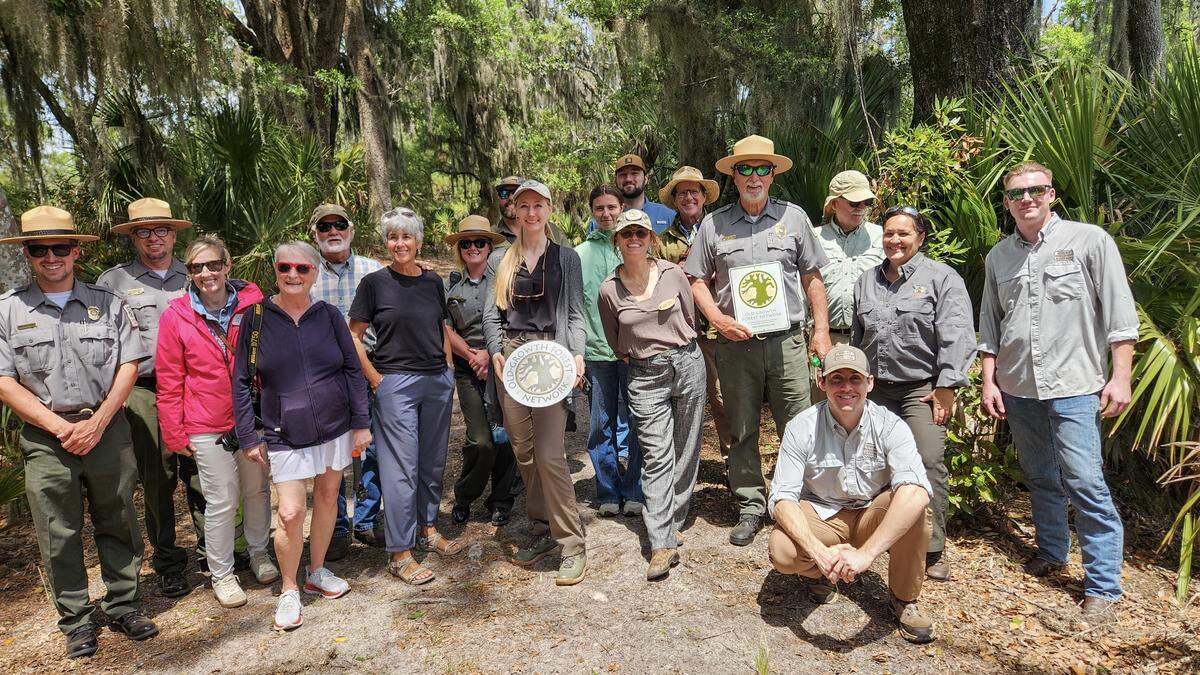
Two days before the May 8 ceremony, Turner died at 87. The timing added poignancy to the ceremony.
“It’s very sad, but it’s a great time to celebrate his legacy,” said Ciera Wilbert, southeast regional manager for the Maryland-based Old-Growth Forest Network, a not-for-profit that identifies the oldest known forests in the country and shares them with the public.
St. Phillips was the 246th forest added to the network of 330.
Life in St. Phillips Island old-growth forest
When people think of old-growth forests, they tend to think of the giant redwood trees in California, said Sarah Adloo, the Old-Growth Forest Network executive director.
In fact, any county that can grow a forest will have an older forest, Adloo said. But old-growth forests are not just “geriatric” forests of old trees, she added. They have different generations of trees that go into “all-out war” in areas where light gaps occur after an older tree dies, she noted.
“We couldn’t have asked for a more beautiful moment,” Adloo said following the moment of silence for Turner interrupted by the sounds of the sea island he protected.
At St. Phillips Island, its thick and diverse canopy gives it a “Jurassic Park feel,” said Johnathon Alexander, the SC Parks ranger who manages it. The canopy comes from 200 to 300-year-old live oaks, 150- to 200-year-old slash pines, massive southern magnolias you can’t get your arms around and “insanely tall” sabal palms.
“This is incredible to see this in our lifetime,” Alexander said.
The 4,680-acre island, located 8 miles south of Hunting Island State Park, includes about 1,000 acres of high walkable ground. It got its name from the first Anglican church in Charleston.
Compared to other barrier islands, Alexander said, St. Phillips stands out because of its oak-dominated canopy and great magnolia trees and its ancient sand dune ridges. Between those ridges are troughs that hold fresh water. The island’s abundance of water also makes it unique for a barrier island. The water sustains more reptiles, like eastern diamondback rattlesnakes and cottonmouths, and warm-blooded creatures, including bobcats, coyotes, possum, raccoon and white-tailed deer.
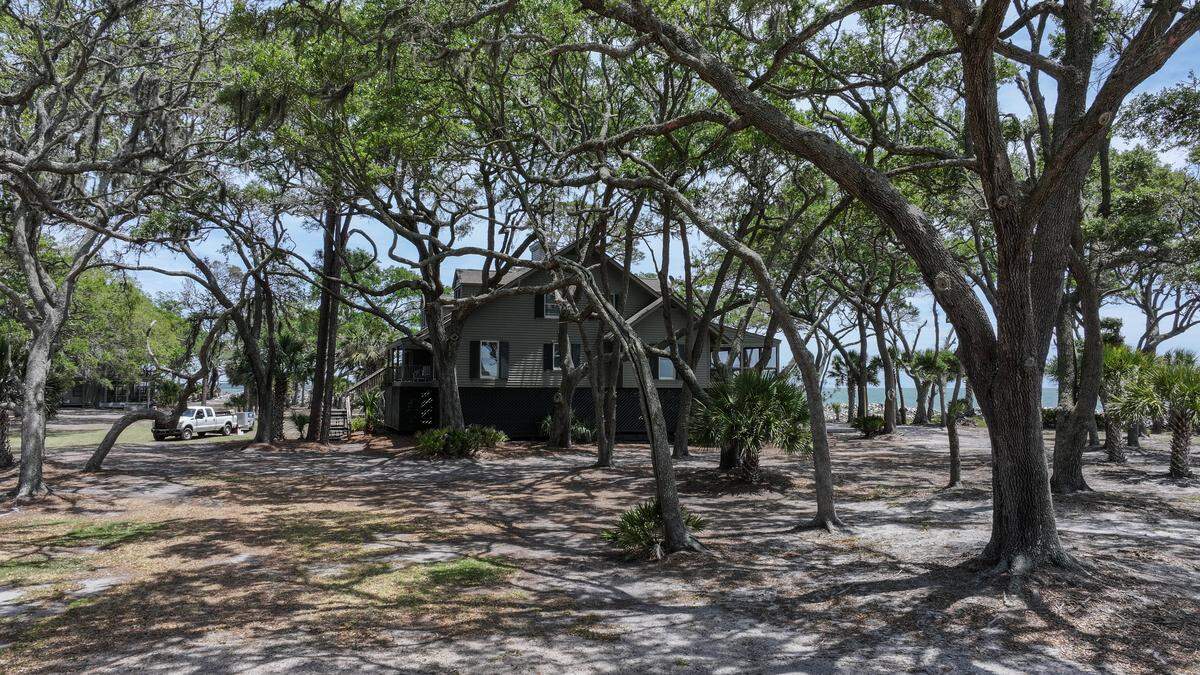
It’s also refuge for alligators, loggerhead and green sea turtles, bald eagles, herons, egrets and migratory songbirds like those chirping during the moment of silence for Turner.
“I love it,” Alexander says of the island, where he spends three to five days a week.
He credits Turner for protecting St. Phillips for four decades, where his conservation legacy is now preserved.
Ted Turner’s contribution to conservation
For last week’s induction ceremony, guests met at Coastal Expeditions on Sea Island Parkway on St. Helena Island, where they began a 50-minute journey by boat. During the journey, they cruised past shrimp boats, dolphins and white and brown pelicans.
Chris Crolley, the owner of Coastal Expeditions, described the coastal area as one of the most productive estuaries in the country. Turner, he said, was ahead of his time. Conservation easements, he noted, were “not a thing” back in 1979 when he placed one on St. Phillips Island.
“What an homage to his contribution to conservation,” Crolley said of the induction of the island into the Old Growth Forest Network as Capt. Thornton Lacy ferried the guests from the network, SC Parks, and others to St. Phillips.
After docking, the visitors hopped on a trailer with seats pulled by a pickup to reach Turner’s former retreat now managed by SC Parks. During one stop along the route, Alexander noted that the visitors had been traveling on top of a large sand dune for much of the trip.
SC Parks rents out Turner’s former five-bedroom house for $10,000 for five nights, which includes a ranger helping visitors with exploring the island with kayaks and golf carts. “We try to tailor their trip to what they are interested in,” Alexander says.
Four miles of trails provide access to the forest, freshwater ponds, saltwater creeks and about a mile of unspoiled beach. The house was rented 15 times in 2025.
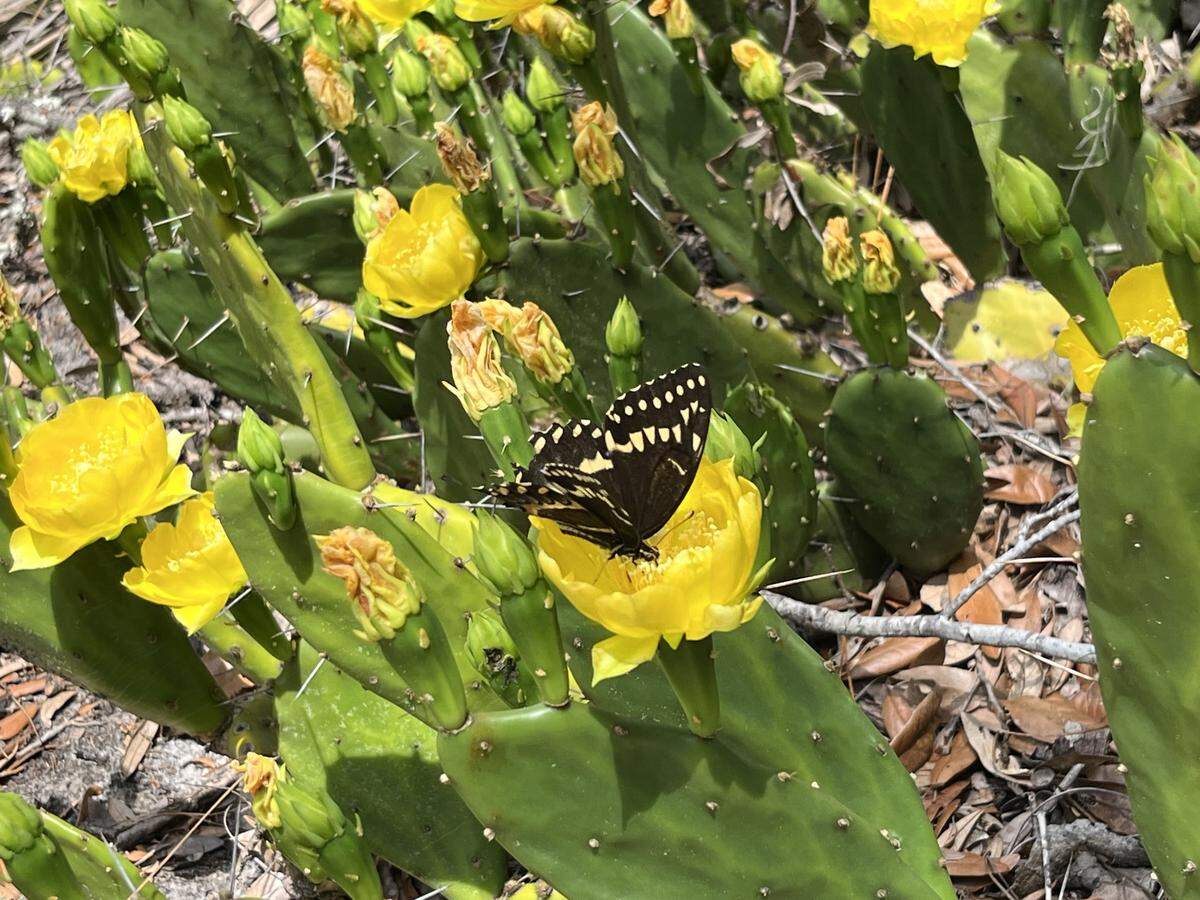
After dousing themselves in mosquito repellent, the guests set off down the trail past Spanish-moss draped live oak trees, towering pines and palm trees and other common maritime forest species that helped the forest previously earn the designation of National Natural Landmark by the National Park Service. All forests in the Old Growth Forest Network are open to the public and have formal protections in place to prevent commercial logging.
St. Phillips gives people glimpse into the past and serves as a living portrait of the South Carolina coast before human intervention, SC State Parks Director Joy Raintree said.
“While the tides, storms, and shifting sands are constantly reshaping St. Phillips Island, its ancient forests have weathered the test of time,” Raintree said.
How to visit St. Phillips
St. Phillips is only accessible by boat through scheduled tours or rentals of the Ted Turner House. Day trips can be booked through Coastal Expeditions and include a boat ecotour, interpretive tram ride, and access to the beach, forest, and four miles of trails.
Current tour rates are: $65/adult, $35/child age 3-12, free for children 2 and younger, plus park admission ($8/adult; $5/SC seniors; $4/child age 6-15; Free for children 5 and younger). Rental of Turner’s house is $10,000 for five days and is booked through SC Parks.
This story was originally published May 12, 2026 at 12:36 PM.