Population of SC flounder has gone sideways. 10,000 Bluffton-raised fish could help
A Bluffton fish hatchery is at the forefront of an experimental statewide fish stocking plan to restore wild southern flounder, a popular sport fish with a peculiar look and life history whose numbers have seen marked declines over the past 30 years in South Carolina.
Last Friday, the South Carolina Department of Natural Resources and Conservation released 10,000 juvenile flounder in Murrells Inlet south of Myrtle Beach. It was the first time hatchery-reared southern flounder were released in South Carolina.
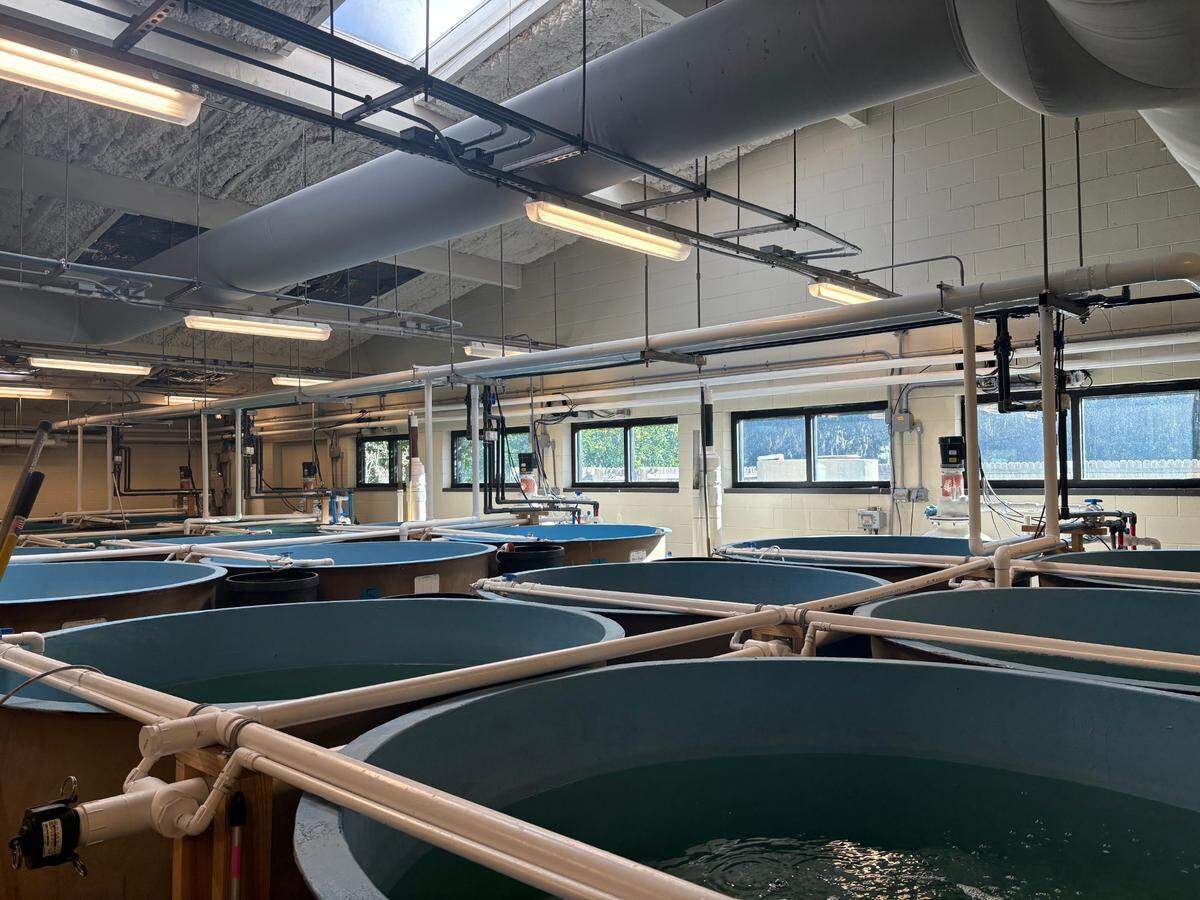
The fish are the product of sperm and eggs of wild brood stock pulled from local waters. But they were raised indoors, at SCDNR’s 1,200-acre Waddell Mariculture Center on the Colleton River in Bluffton.
Five years of development came before the first hatchery-reared fish were released this spring.
“A part of it is taking the pressure off the wild population -- there’s just more fish to catch and to harvest,” SCDNR biologist Erin Levesque, the manager at Waddell Mariculture Center, said of the groundbreaking flounder stocking program. “But for really long-term sustainability, we have hope some fish make it to adulthood and start spawning with other wild members.”
Some of the 45-day-old translucent buggers, less than an inch long at the time of their freedom, may grow to be the size of door mats, as some flounder are known to do.
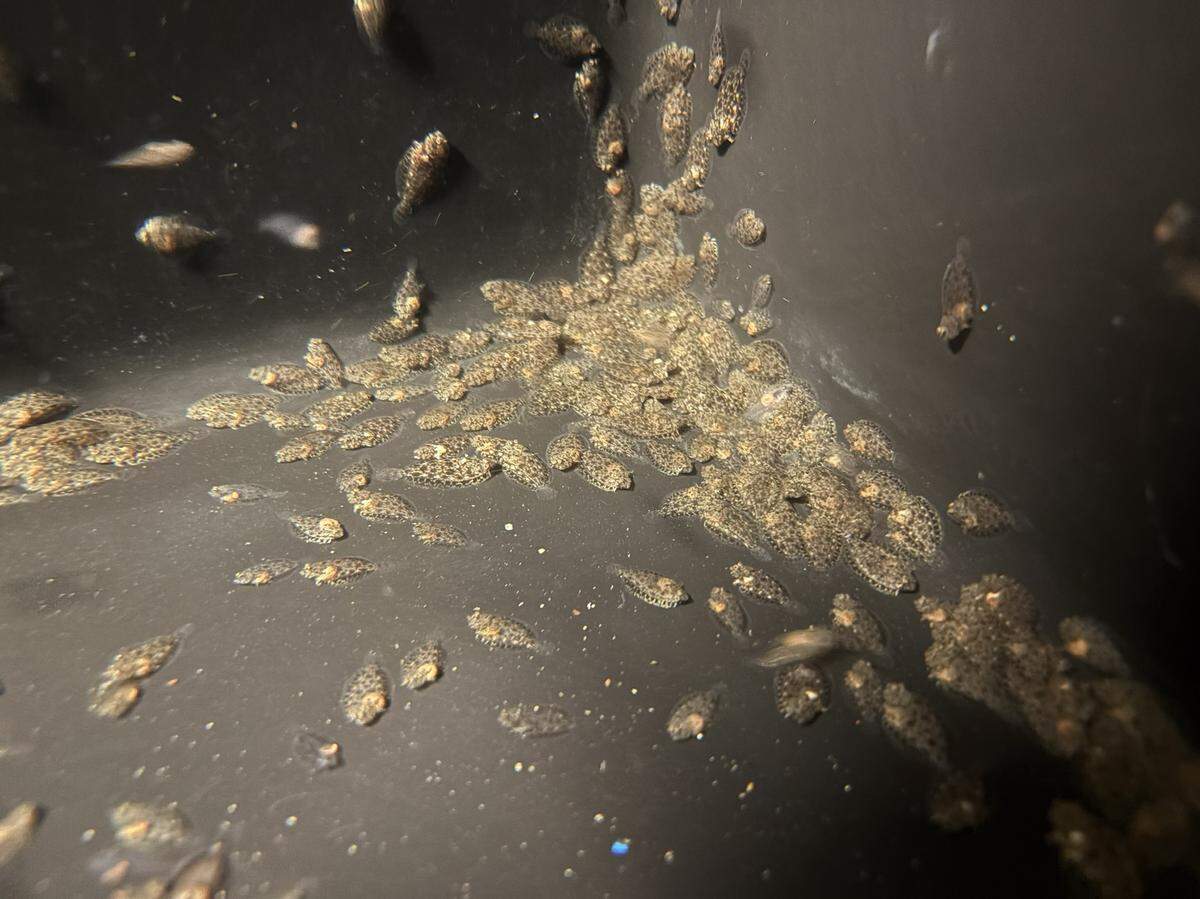
Waddell, one of the country’s largest and most sophisticated facilities for mariculture research, and the Marine Resource Research Institute in Charleston, both part of the SCDNR, are sharing the burden of raising flounder being stocked in wild waters for the first time to bolster the flagging wild population.
Flounder population and sizes decline
Regional and South Carolina assessments of the fish that swims sideways found that flounder numbers along the southeastern Atlantic coast were at record lows. Average sizes had declined by more than an inch in 10 years.
“It’s been stable -- at a low rate -- for a couple of decades,” said Tanya Darden, director of the SCDNR’s Marine Resources Research Institute.
Stocking estuaries with hatchery-raised fish isn’t the only approach being used to help restore the population.
In 2021, state lawmakers, at the urging of SCDNR fisheries biologists, cut the harvest to five per person and increased the minimum size of “keeper” to 16 inches (it had been 15). At the same time, a $5 saltwater fishing license fee increase was approved to fund the stocking program. SCDNR issues about 117,000 saltwater licenses a year.
A cautious approach
Time and more research will tell if the stocking is successful. In about 2 years, the tiny flounder released last week will be big enough to catch. Figuring out the best time to release the hatchery-raised fish, and at what life stage, are critical aspects of the first few years of the experimental program, Darden says.
“We want them to look, act and behave just like wild fish,” Darden said.
The fry fed on zooplankton, just like they do in the wild. The strategy was intentional and meant to cue them into live prey after they are released, said Levesque.
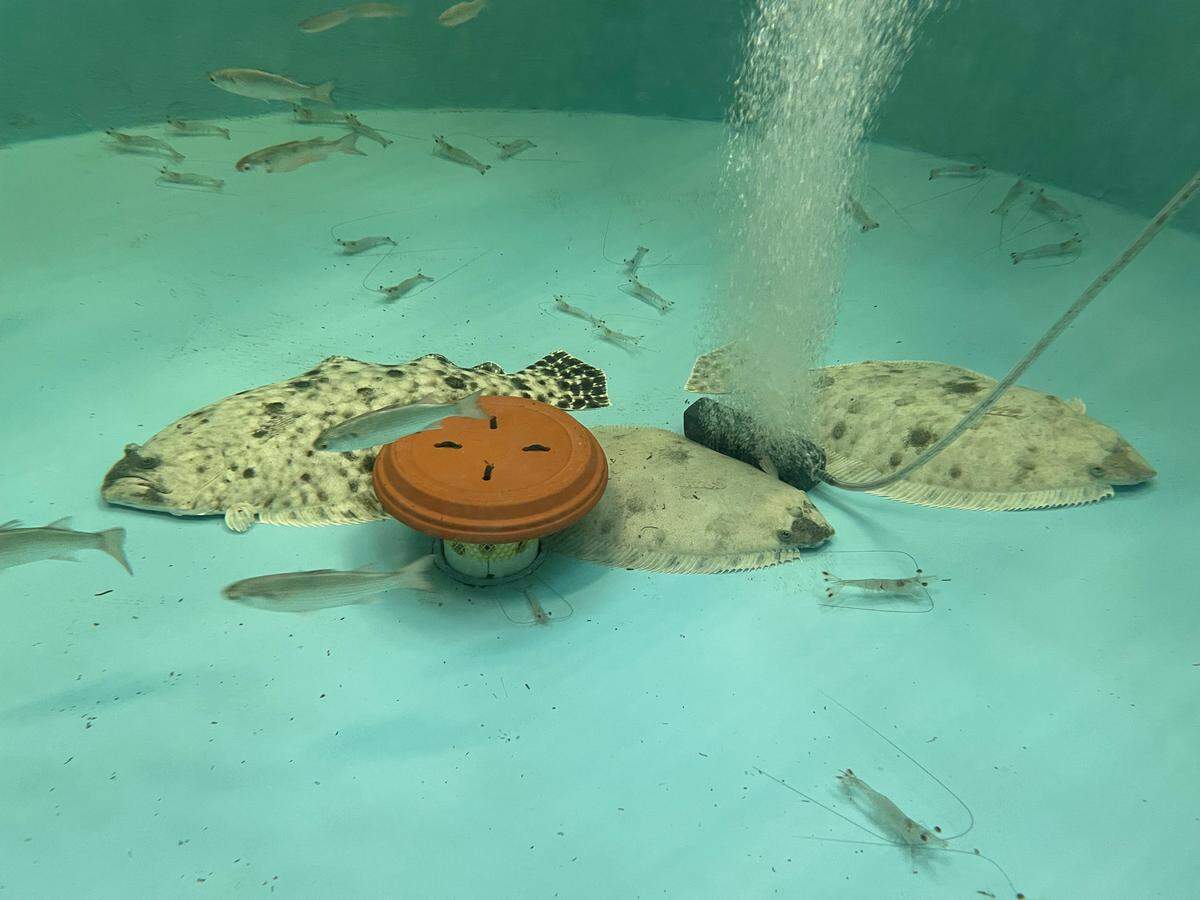
SCDNR is taking a cautious approach until researchers learn more about the adaptation of hatchery-raised fish, Darden said. The initial releases will be small, totaling about 60,000.
“We don’t want to swamp the wild population,” Darden said.
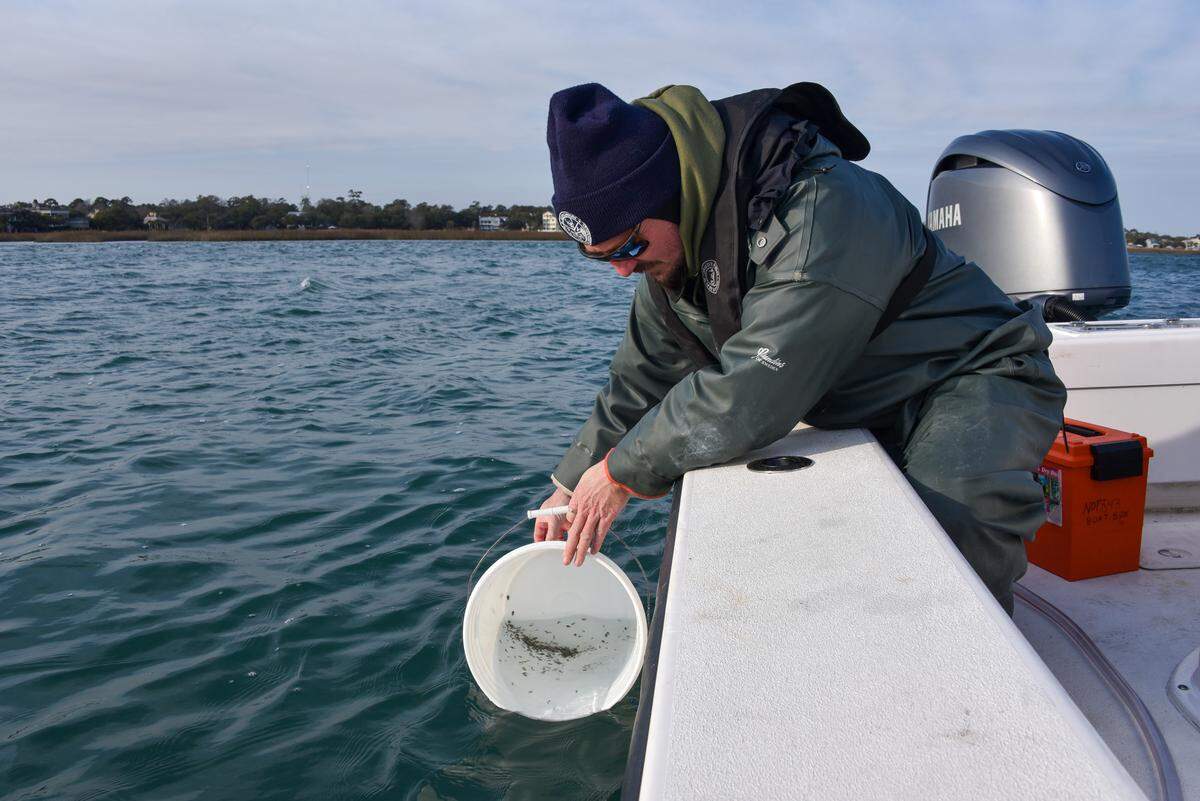
Friday marked the first public release of juvenile flounder, but SCDNR officials in boats tipped bucketfuls of the tiny critters into Murrells Inlet in February. A third Murrells inlet release is planned in April as well. Levesque says she’s heard criticism that fish should be released in varying locations, but the “repeatability” of using a single spot provides advantages that are critical in the research.
Results will be of high interest to anglers as flounder are the third most popular South Carolina saltwater sport fish, behind red drum and spotted sea bass, according to SCDNR. The minimum size of a keeper is 16 inches but those that grow longer than 24 are sometimes called door mats because they are so big and flat.
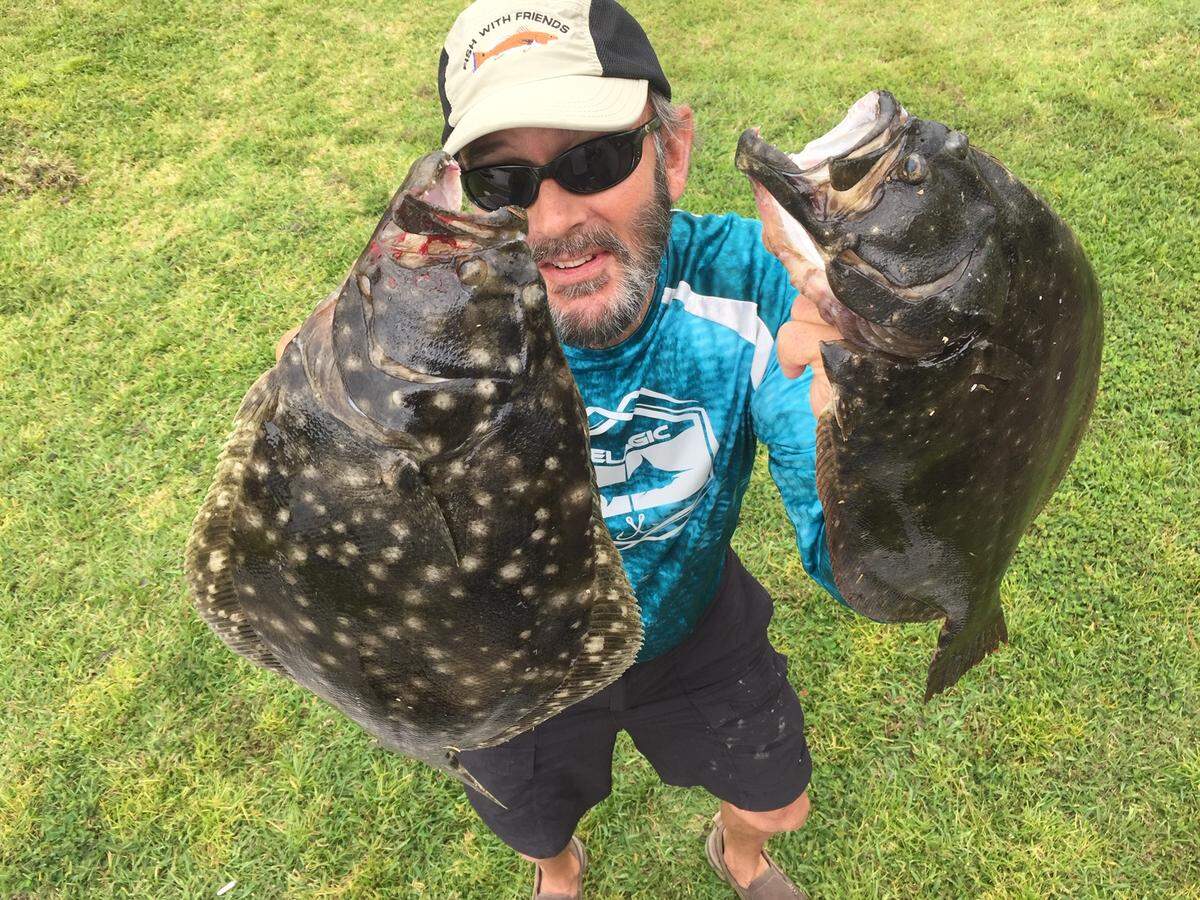
“They are ambush predators,” Levesque says of flounder, which eat shrimp and small fish.
Before striking, they lurk on the bottom, with their two left-side eyes fixed upward. To camouflage themselves, they use their fins to flip sediment on themselves.
A favorite way of anglers to ambush the fish is night gigging, which involves illuminating shallow waters with light and sticking them with a spear.
Radical eye migration
The species’ life history is as fascinating as its popularity.
Extremely sensitive to environmental changes, flounder are susceptible to high mortality. The reason is a complex metamorphosis that begins when they are just days old. When flounder hatch out, their eyes are located on both sides and they swim upright. But after 20 days, the right eye migrates, and they begin swimming on sideways so both left eyes look toward the surface.
Minimizing the changes that can threaten the fish as they are developing is one of the challenges for the SCDNR biologists charged with raising the flounder. Each time, juveniles are released in different life stages. For example, some are 20 days old or “pre-metamorphis,” or before their right eye migrates to the left side. Others will be 45 days old, such as those released last week.
They will be recaptured in 18 months to two years and identified by their genetics.
“If we can show we’re making a contribution, I think the program will continue,” Levesque said. “It will take years to answer these questions because we need these fish to reach adulthood.”
This story was originally published March 20, 2026 at 5:00 AM.