Jan. temps put summer shrimp haul at risk. What’s behind SC’s decision to help?
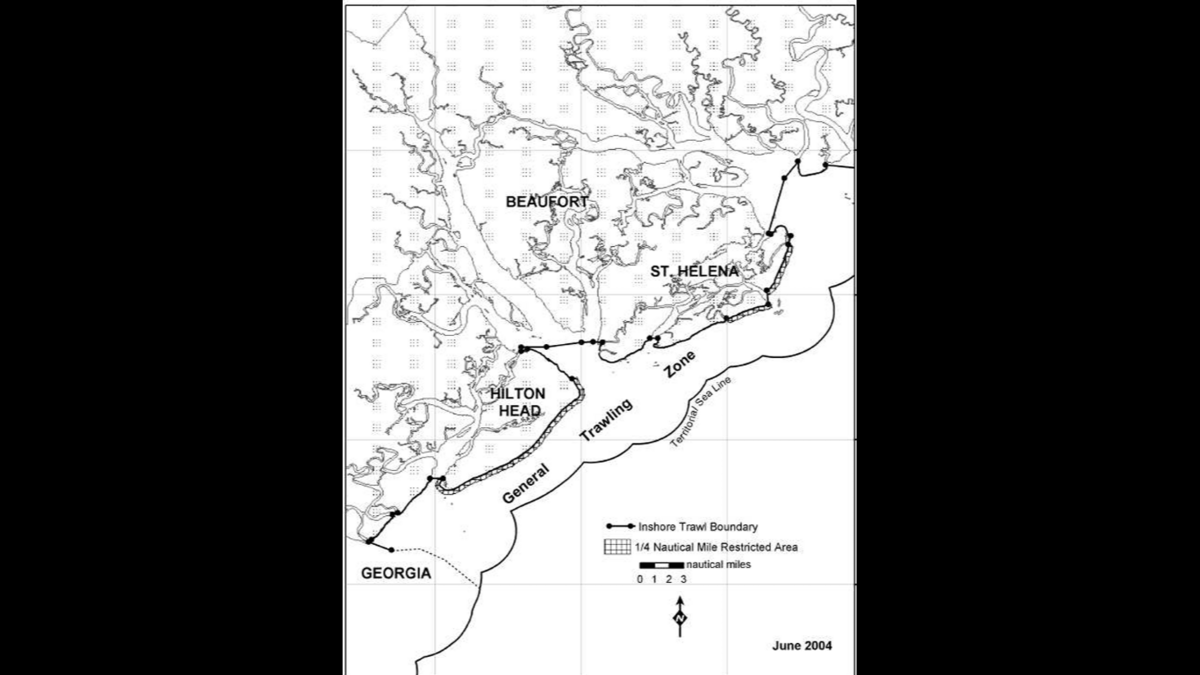
The general trawl zone is being closed to commercial shrimp fishing — the state’s most valuable fishery — to protect overwintering stock that cold water is threatening to kill outright or drive to deeper waters where they could be prematurely swept up by trawlers.
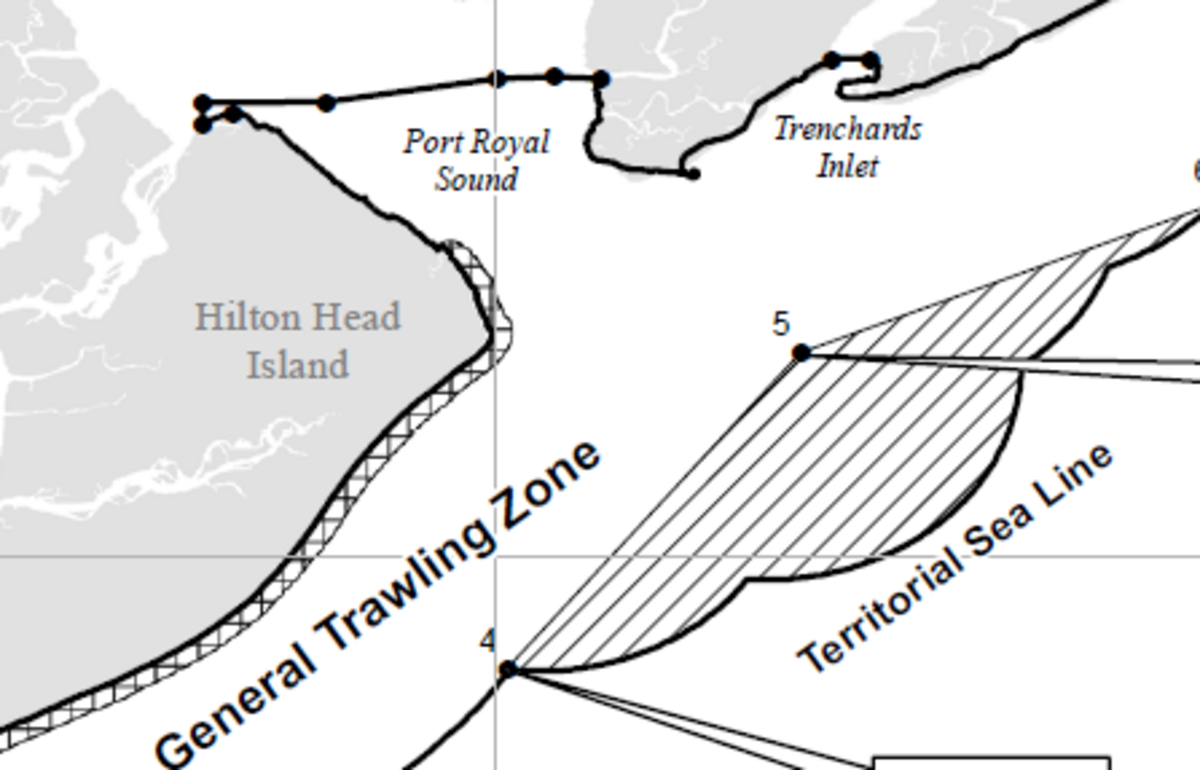
The general trawl zone begins just offshore and extends three miles to federal waters. It’s the work place for hundreds of commercial boats licensed to trawl for shrimp.
Jeff Brunson, the state Department of Natural Resources’ crustacean fisheries manager, said the general trawl zone will close at 7 p.m. Wednesday — except for certain provisional areas located at the outer edge of inshore state waters, which will close Jan. 31. Shrimpers can still fish in deeper federal waters.
The reason for the closure of the inshore state waters is cold water brought on by continued below-average temperatures.
“As water drops they migrate out farther to areas where it’s a little warmer,” Brunson said. “We’re trying to protect those overwintering shrimp and their migration this time of year is largely driven by water temperature.”
Colder temperatures prompt spawning stock to move from protected estuaries into deeper waters where they are at risk of being swept up in trawler nets. Due to cold temperatures this month, water temperature is hovering around 50 degrees and it’s going to get chilly again next week.
When the water temperature reaches 48 degrees, it can also kill the shrimp outright, Brunson said.
“They are not all going to die,” Brunson said. “There’s going to be some variation there. Some are more hardy than others.”
Protecting these young shrimp is critical because they develop into adult white roe shrimp up to 8 inches long. And it’s those adult shrimp that make up the valuable spring and summer harvest. The value of the state’s entire shrimp harvest averaged $8 million between 2019 and 2023. “It’s our highest value fishery,” Brunson said.
The state licenses 300 trawlers, which range from small outboard motor-powered boats, where most of the work is done by hand, to 80-foot-long trawlers with heavy mechanical equipment handing the nets. The shrimpers work along 190 miles of South Carolina coastline. Locally, the boats can often be seen plying the waters off Hilton Head and Hunting islands and parts of St. Helena Sound.
The closure won’t come as a surprise to commercial shrimp fisherman, Brunson says.
“As long as they are still catching marketable shrimp, they want to be working,” he said. “But they typically plan for a closing this time of year.”
Craig Reaves, a commercial shrimper from Beaufort, said the decision to close the inshore waters of the general trawling area was “definitely the right move.” It still allows shrimpers to fish the state provisional areas until Jan. 31. The provisional areas lie between the general trawl zone and federal waters. Reaves says his boats fish in waters ranging from 5 to 50 feet deep, with the nets catching shrimp near the muddy or sandy bottoms or circulating in the water column.
The young shrimp in the estuaries, which are no longer than the length of a pinky and no bigger than a match stick, are very vulnerable to the cold, he says.
“Part of it is they are at the bottom of the food chain,” Reaves says. “If they aren’t moving and not active they are set up to be food for anything. Obviously the cold itself can kill them.”
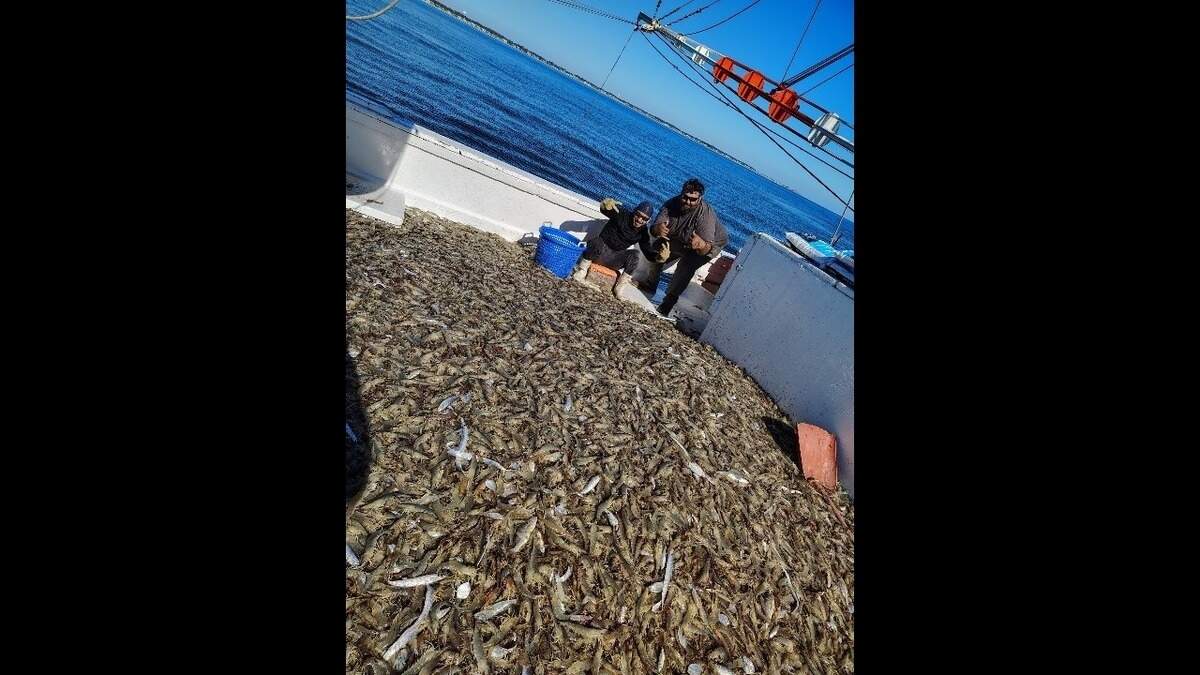
The closure date for the general trawl zone varies from year to year, but it usually comes from mid- to late January, Brunson said. Last year, the trawl zone was closed Jan. 19. One of the earliest closings, on Dec. 31, came in 2010, another cold year, Brunson said.
Declining water temperature typically drives the decision.
Through the first 12 days of January, the state’s coldest month, the average mean air temperature along the coast was 44.1 degrees, which is 6.5 degrees below the normal, according to the National Weather Service in Charleston. “Which is pretty substantial,” said Brian Adam, a Weather Service meteorologist.
Over the last 30 days, temperatures statewide are running 1 to 2 degrees below average, said Frank Strait, the severe weather liaison of South Carolina Climatology Office. It’s been much colder the last two weeks, he added, with temperatures 5 to 7 degrees below average statewide and closer to 5 degrees below average along the coast.
While temperatures are moderating this week, a cold front will move through this weekend marking a return of below-average temperatures and the possibility of another winter storm, Strait said.
Some shrimpers will continue working in federal waters, which are beyond the state general and provisional areas, but a permit is required, Brunson said. Others will use the break to work on their boats, he said.
The state still has the authority to close the provisional areas before Jan. 31. And if temperatures remain below 48 degrees for seven days, the state can also petition the federal government to close federal waters but those requests are rare, Brunson said.
This story was originally published January 14, 2025 at 4:03 PM.