Legendary Hilton Head corner fruit stand is back on US 278. Why it disappeared
It’s 90 degrees outside on Hilton Head Island, but it’s cool and breezy at Carolina Seafood.
Not because the seafood, fruit and vegetable stand is conveniently located in the shade.
It’s because of the cars.
Not 10 feet from where Wesley Campbell is stocking tomatoes, watermelon, apples and squash, hundreds of cars and trucks on U.S. 278 are whizzing by.
The wall of traffic creates waves of wind that barrel against the side of Campbell’s stucco building.
Carolina Seafood is back. But different.
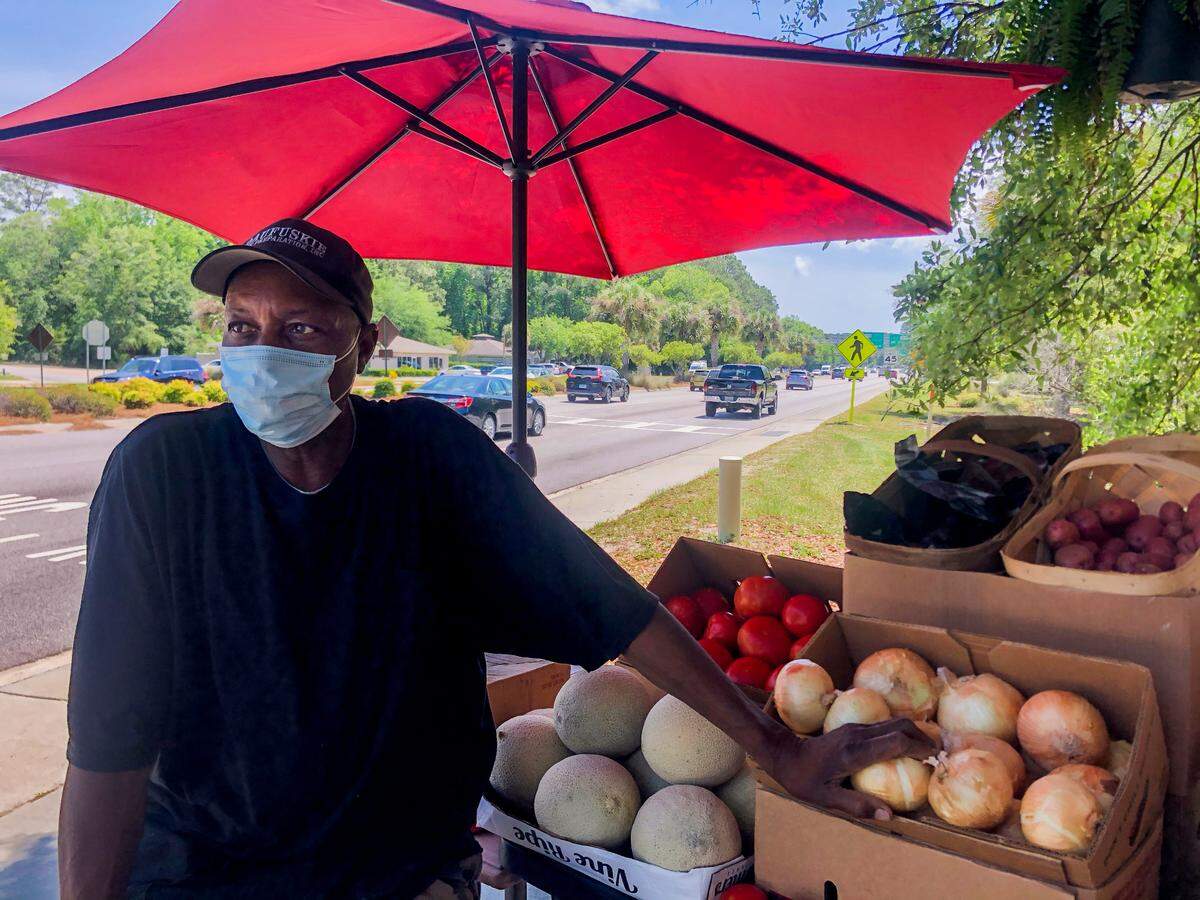
Campbell’s family’s business was evicted from its spot just a few blocks east on U.S. 278 last fall after the Town of Hilton Head Island bought the land. That site had been the most colorful corner on Hilton Head for eight years.
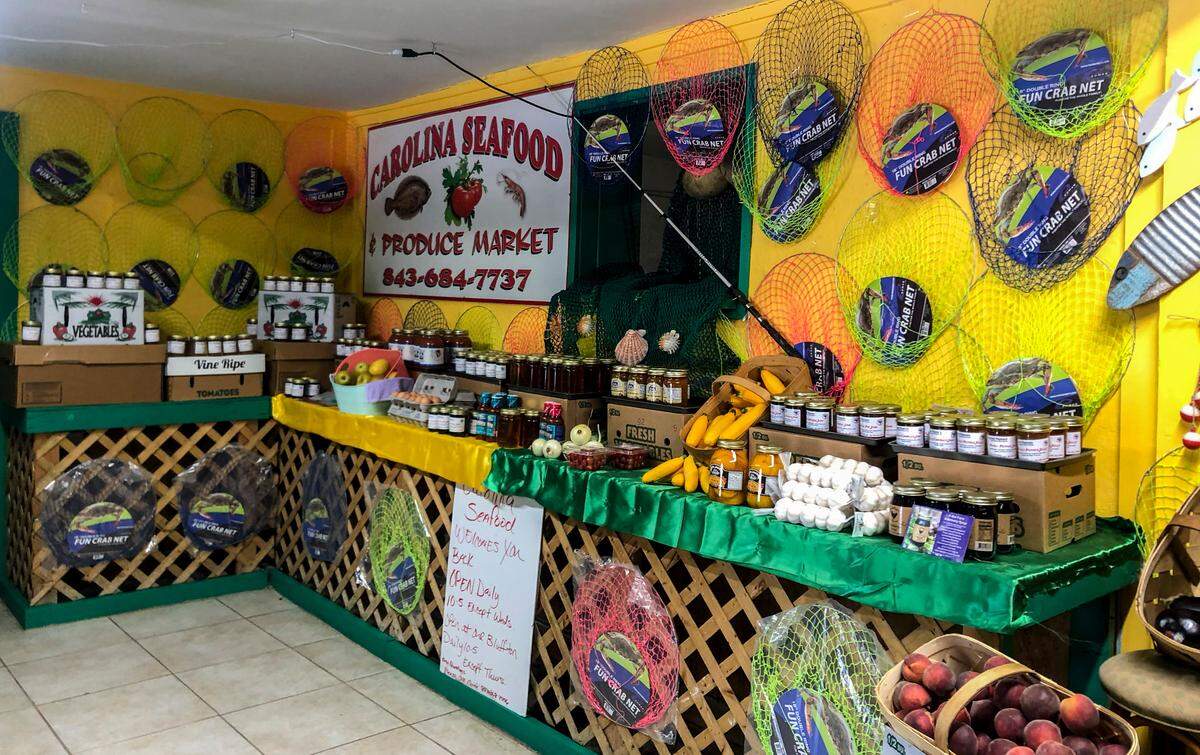
Now, he’s relocated his stand to a brick-and-mortar storefront next to his cousin Tressa Govan’s clothing shop on U.S. 278.
“This is a piece of history,” Campbell said of the building, built in 1956 and which his family owns. “My family has been on this island for 200 years.”
In a way, Campbell, 67, is a piece of history, too.
Town-owned land
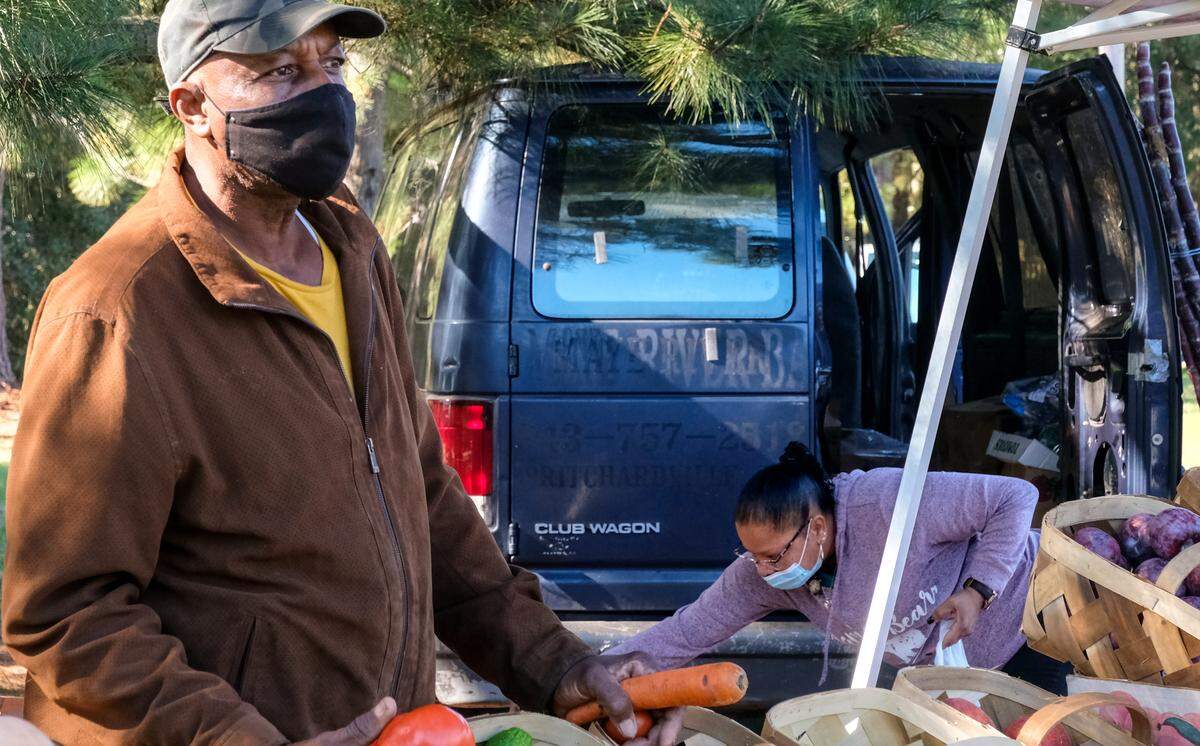
Last fall, Campbell’s market — and the auto garage that cast a shadow over it — had to be vacated in 30 days so the owner could sell the land to the town.
The purchase, announced in August, added 4.6 acres in the historic Gullah Stoney community to the town’s inventory, bringing its total stake in the island to 1,297.61 acres.
When the property changed hands, Campbell said he and the garage became “homeless.”
“Anybody else but the town,” Campbell in November. “You would think the town would look out for people, period. Especially in a time like now, with COVID-19. I think we should always look out for each other.”
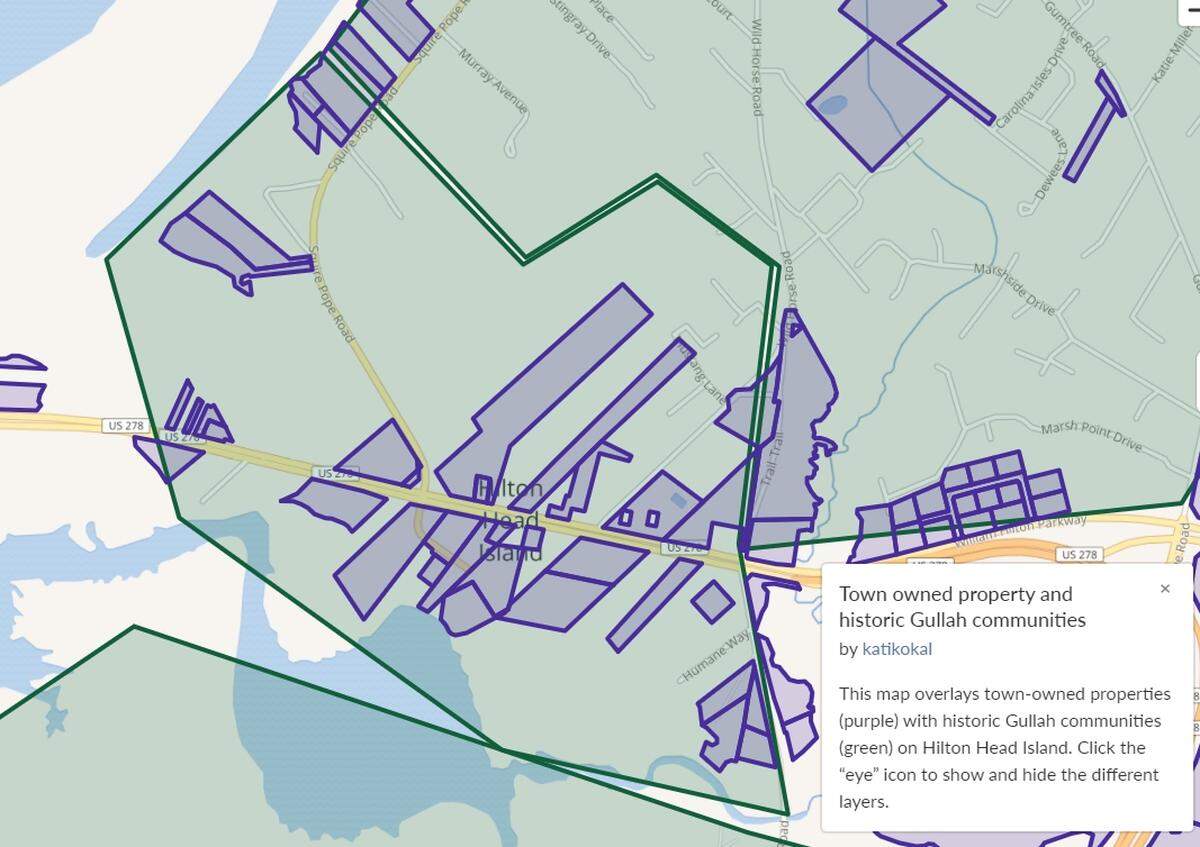
A review by The Island Packet and Beaufort Gazette showed that much of the town’s ownership of land is concentrated in areas that were once booming Gullah business districts, including the Stoney and Chaplin areas.
At the base of the bridge, where Campbell once leased space for his market, the town owns more land than all other property owners combined.
Nearly all of that land is empty now.
Campbell’s former location is in the footprint of the island’s largest ever infrastructure project.
The U.S. 278 corridor project is on track to displace most of the people and businesses at the base of the bridges, barring a major intervention by an independent review of the state’s plans for the corridor. To mitigate the damage and reduce relocations, the town has periodically purchased land.
The land acquisition in Stoney last summer was “actually sort of deliberate,” then-Town Manager Steve Riley said at the time. Traffic engineers told the town that “wherever we could buy land and reduce curb cuts would pay the greatest dividends. There was a concentrated effort to do that.”
The property where Campbell’s market sat backs up to the water on the south side of U.S. 278 in the Stoney neighborhood. It was the site of a former marine dealership owned by the late Edward Williams. The town bought the 2.65-acre tract for $975,000.
Beaufort County land records list the market value for that tract at $1.53 million.
Carolina Seafood’s new home
Campbell said the new location just west of Adrianna Lane is more difficult for customers to get in and out.
He encourages people to pull in east of the storefront in a gravel lot, or drive behind the store using Adrianna Lane.
Business has been good since the new location opened in mid-April, Campbell said. People trying to buy local and stay away from crowds are visiting outdoor markets and making it a habit.
“These are the best kinds of businesses right now,” he said.
As he looks forward to the future — along with that of U.S. 278 — Campbell says he’s not going anywhere.
“Even if they put the road up to this front door,” he said, pointing at his shop, “I will stay.”
This story was originally published May 5, 2021 at 4:00 AM.