Hilton Head’s Gullah fruit and seafood stand on US 278 disappeared. What happened?
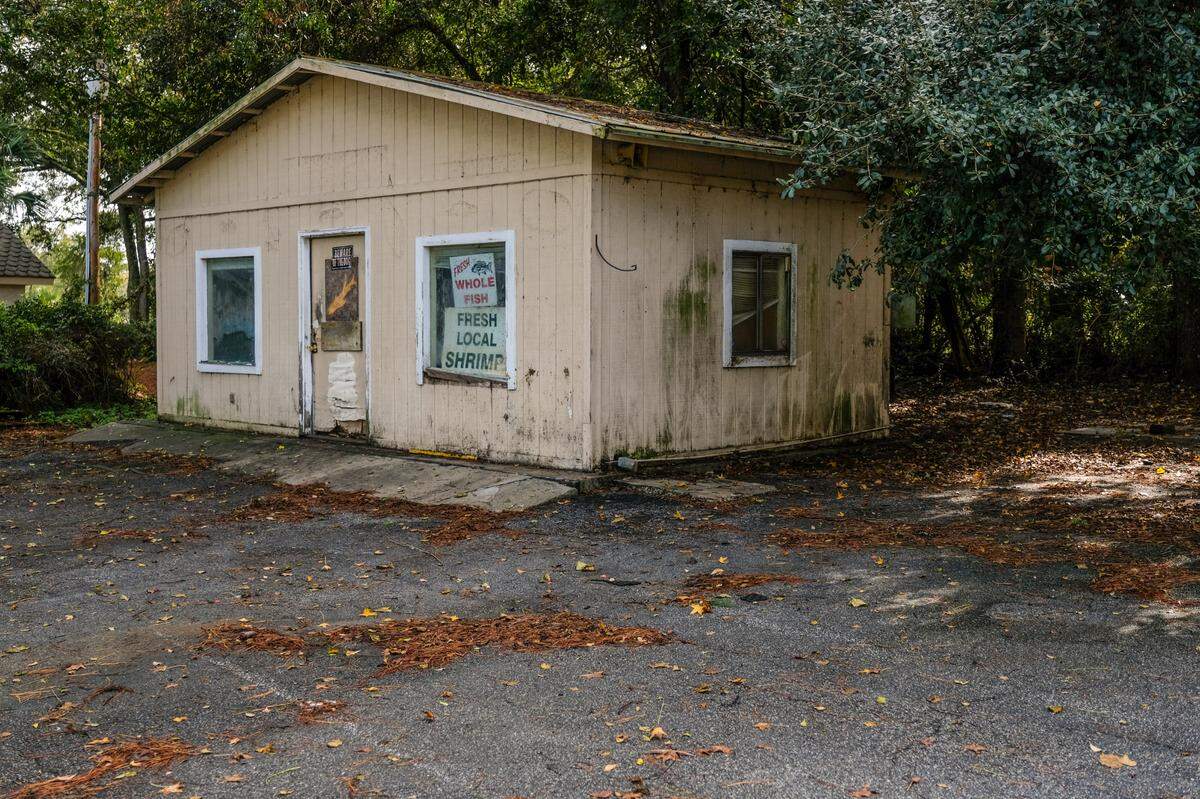
Hilton Head Island’s most colorful corner now sits barren.
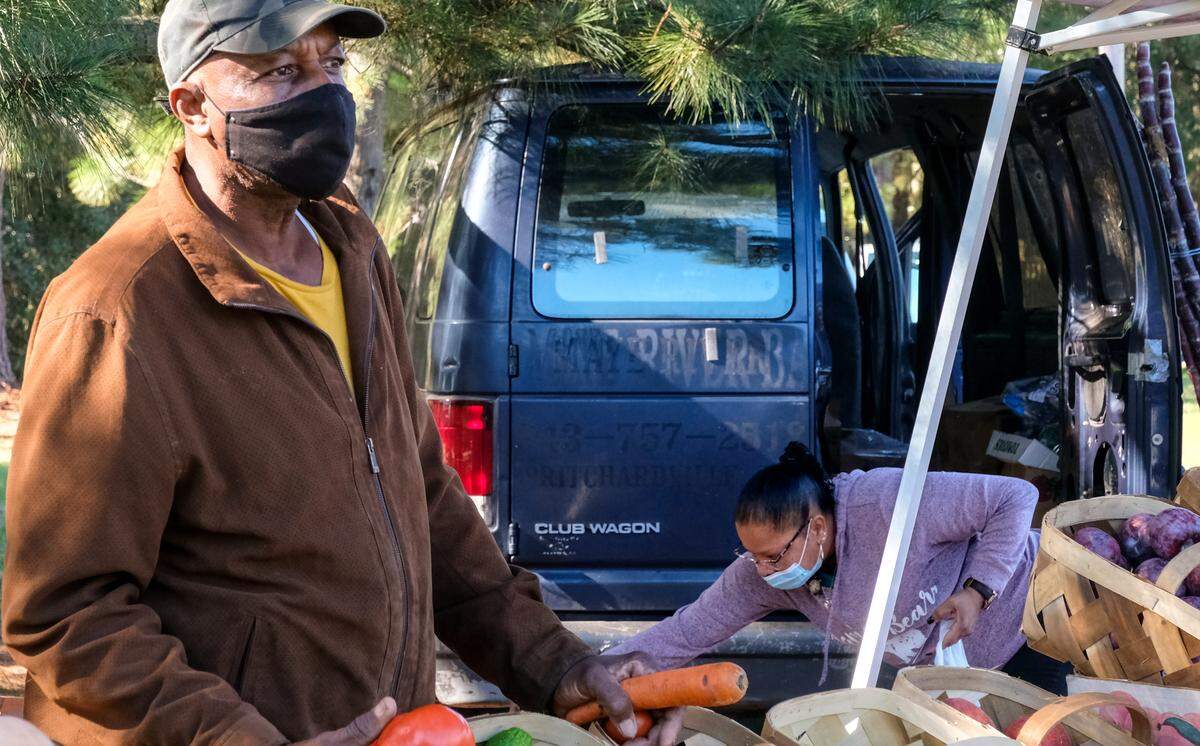
Wesley Campbell stood, never sat, near the corner of U.S. 278 and Spanish Wells Road for eight years surrounded by a smorgasbord of vibrant fruits and vegetables. He sold apples, bananas, watermelons, tomatoes, fresh shrimp and dozens of other foods to elderly regulars and families stuck in the island’s infamous summer traffic.
What was once a bustling corner market was cleared out this fall, and drivers and residents started to notice Campbell’s absence.
He’s not coming back.
Campbell, 66, received an eviction notice this fall from the property owner’s lawyer. His market — and the auto garage that casts a shadow over it — had to be out in 30 days so the owner could sell.
The buyer: the Town of Hilton Head Island.
“Anybody else but the town,” Campbell said at a recent farmer’s market on Hilton Head. “You would think the town would look out for people, period. Especially in a time like now with COVID-19. I think we should always look out for each other.”
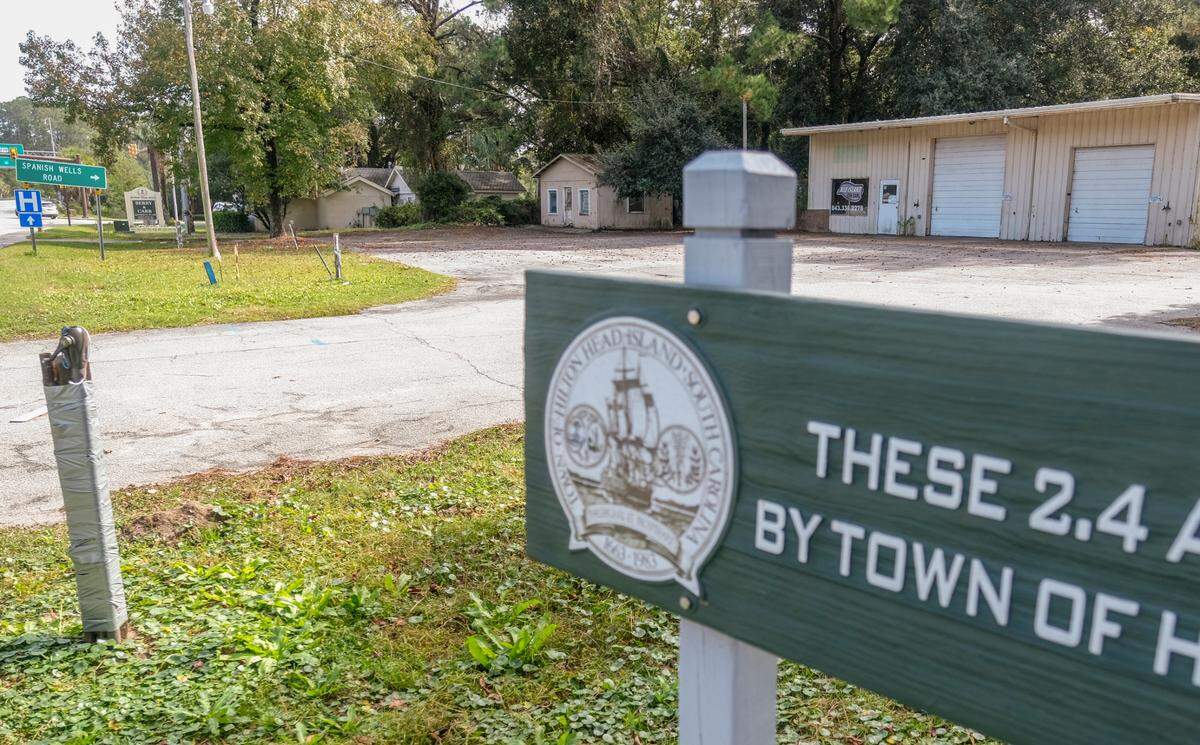
The purchase, announced in August, added 4.6 acres in the historic Gullah Stoney community to the town’s inventory, bringing its total stake in the island to 1,297.61 acres. When the property changed hands, Campbell said he and the garage became “homeless.”
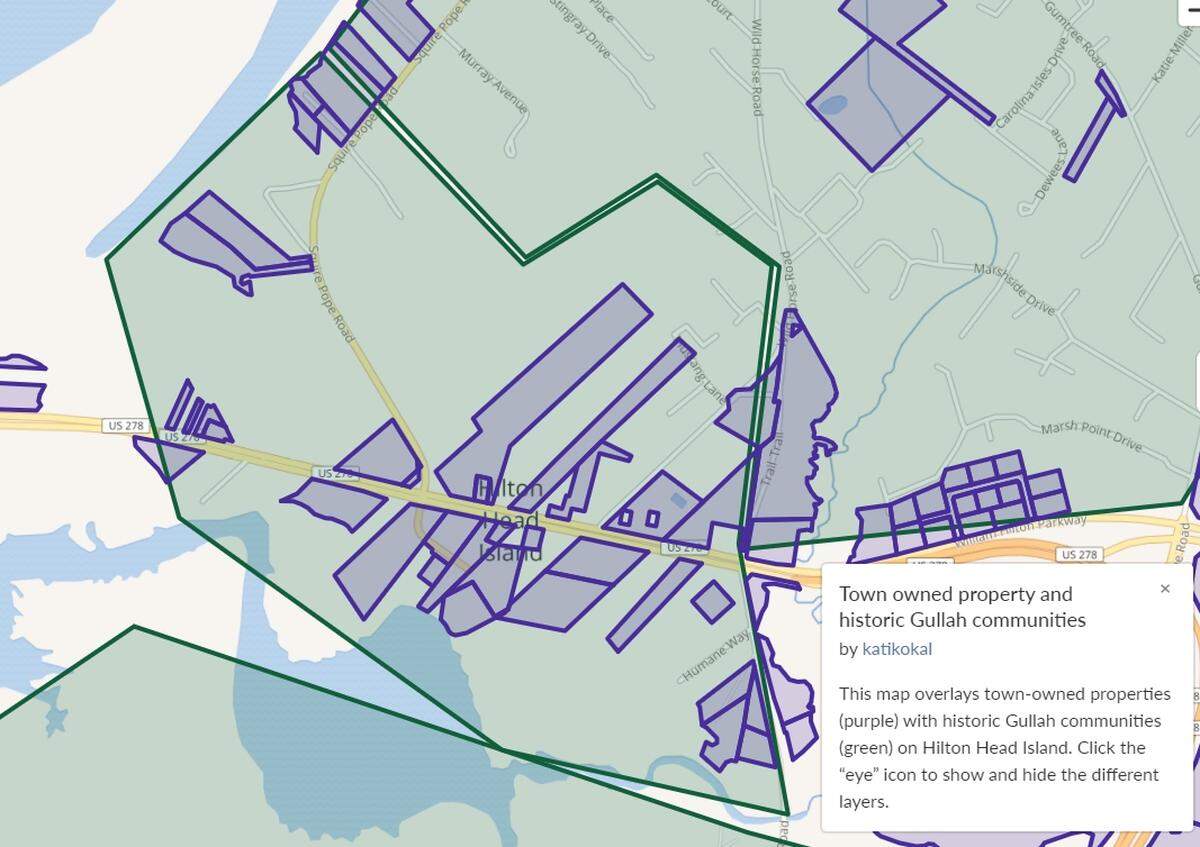
A review by The Island Packet and Beaufort Gazette showed that much of the town’s ownership of land is concentrated in areas that were once booming Gullah business districts, including the Stoney and Chaplin areas.
At the base of the bridge, where Campbell leased space for his market, the town owns more land than all other owners combined.
Nearly all of that land is empty now.
When he drives by his former marketplace, Campbell feels a little disgusted by what’s happened.
“I’ve seen a lot of growth, and I’ve seen a lot of situations where they purchase property and the property just sits there,” he said. “Who is this going to benefit?”
His location isn’t just convenient, it’s in the footprint of the island’s largest infrastructure project in a decade.
The U.S. 278 corridor project is on track to displace most of the people and businesses at the base of the bridges, barring a major intervention by an independent review of the state’s plans for the corridor. To mitigate the damage and reduce relocations, the town has periodically purchased land.
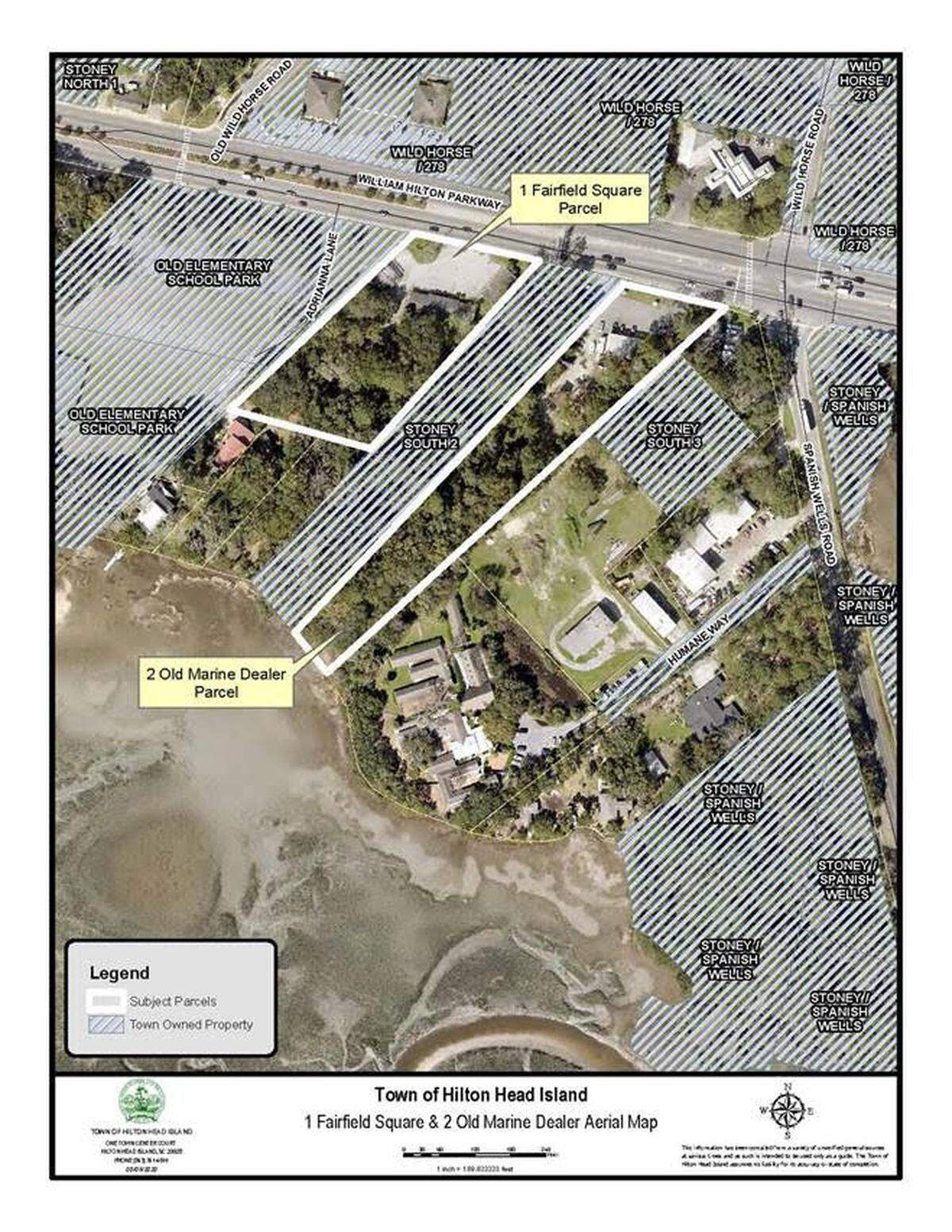
The land acquisition in Stoney last summer was “actually sort of deliberate,” Town Manager Steve Riley said. Traffic engineers told the town that “wherever we could buy land and reduce curb cuts would pay the greatest dividends. There was a concentrated effort to do that.”
The property where Campbell’s market sat backs up to the water on the south side of U.S. 278 in the Stoney neighborhood and was the site of a former marine dealership owned by the late Edward Williams. The town bought the 2.65-acre tract for $975,000.
Beaufort County land records list the market value for that tract at $1.53 million.
Back in the day
Campbell’s immediate family tree is sprawling. He estimates he has 4,000 family members on the island.
On a recent Tuesday morning, he and his wife, Carrie, were working at the fruit stand at the Hilton Head farmer’s market. Daughter Haley was there, too, cashing out mask-wearing customers who had queued up to buy her family’s fruits and vegetables.
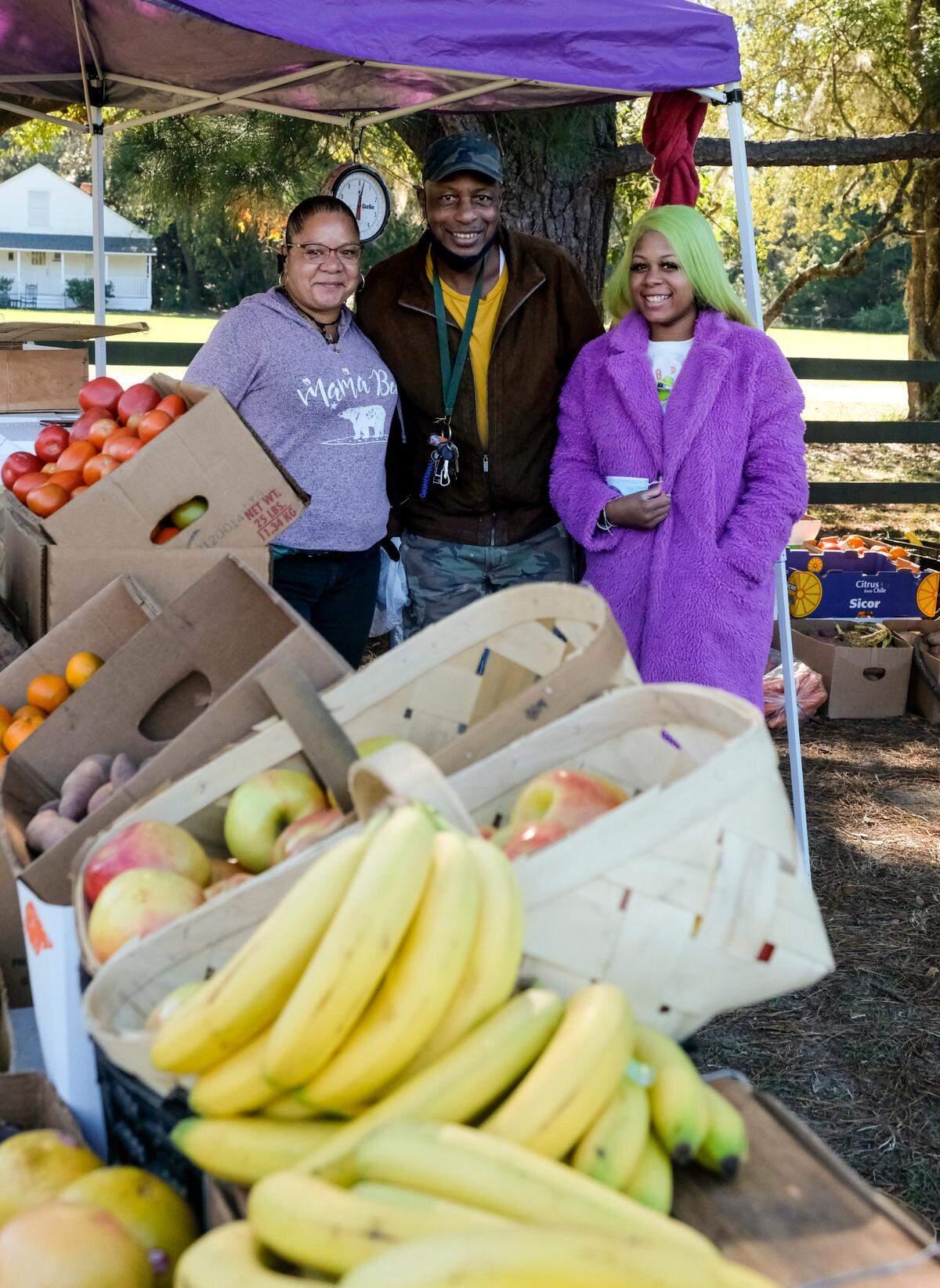
A tiny brown dog, accompanied by one of Campbell’s 16 grandchildren, came up to sniff around his feet. Granddaughter Arria insisted the dog’s name was Coco, although the animal’s tag said Gizmo.
Spending time with his family at the farmers’ market, and at the stand’s still-permanent location underneath the Bluffton flyover, reminds Campbell of what it was like to grow up on an island without a bridge and in a place with very few white families.
“The island was a better place to live on back when I grew up,” he said. “It’s good for business now, but so far as peacefulness and friendliness? All of that has disappeared.”
He was born just two years before a bridge was built to connect Hilton Head to Bluffton, and Campbell remembers picking tomatoes, watermelon and cotton on the island’s vast farmland.
Now, his produce comes from a variety of places around South Carolina: Columbia, Orangeburg and Spartanburg.
He’s kept up his agreements with the growers even after losing the prime location for his market. He said he asked the town to allow him to lease the property until it decided to do something with it.
The answer was a resounding no.
“I’ve never seen the town or the county come through and disturb a McDonald’s, a Burger King, [or] say, a Hyatt hotel. I’ve never seen that happen,” he said. “So if they’re not being disturbed, why disturb Mid-island Garage and Carolina Seafood?”
What’s next?
Campbell still keeps busy.
He operates his stand, his sole business, in different places around Hilton Head during the week:
- Monday: Buckingham Landing (beneath flyover)
- Tuesday: Buckingham Landing and Honey Horn for Hilton Head farmers’ market from 9 a.m. until 1 p.m.
- Wednesday: Buckingham Landing
- Thursday: Closed
- Friday: Buckingham Landing
- Saturday: Buckingham Landing and Daufuskie for farmers’ market from 10 a.m. until 1:30 p.m.
- Sunday: Buckingham Landing
The stand will deliver any order over $20, Carrie Campbell said.
Campbell said he plans to move his business to land his family owns on U.S. 278, though he’s not sure when that will be.
But as the island where he grew up changes, Campbell says the people and the island’s philosophy change with it.
And to him, it hasn’t changed for the better.
“Hilton Head has changed so much. This used to be such a wonderful place to live, and everybody was happy,” he said. “We didn’t know what wrongdoing was, and now I’m finding out.”
“I don’t appreciate it, but what can I do about it?”