Business once boomed in these Hilton Head Gullah neighborhoods. Why they’re empty now
When Town Council member Marc Grant was a kid on Hilton Head Island in the 1980s, his parents owned a gas station in the Chaplin neighborhood. It was after the bend in the highway on the north end and just before the present-day Shelter Cove area.
The block was was packed.
There were three or four other gas stations in the neighborhood. A hair salon. A restaurant. Multiple garages. And a beach club owned by the Singleton family. Grant, his friends and cousins ran outside between their houses and across the highway to play basketball or go fishing.
When Grant drives to work at the gas station that now belongs to him, most of the land is empty. It’s along the beach and marshes that make Hilton Head Island famous.
The land is owned by the Town of Hilton Head Island, and marked with signs that ensure protection from development and make passerbys feel good.
The town announced another 4.6 acre land purchase on Tuesday, bringing its total stake on the island to 1,297.61 acres.
That empty land now monopolizes once-booming commercial centers where native islanders like Grant’s family made their living.
In the name of cutting down congestion on U.S. 278 and protecting green space on Hilton Head, the land acquisition program has sometimes paid native islanders on historic land less than the market value.
In the process, the program wiped clean two “downtown” areas of the island.
‘The town owns Stoney’
Luana Sellars started coming to the island when she was 10 years old in 1979 and remembers driving onto Hilton Head through a busy commercial district.
Stoney, at the base of the Hilton Head bridges, was home to Perry White’s famous fruit and vegetable stand, Willie Young’s upholstery business and clothing stores.
In 2020, Young’s is the last Gullah business in Stoney.
Between Jenkins Road and the entrance to the Cross Island Parkway, the town owns 26 plots of land that directly border the highway.
Combined, all the other landowners have 22.
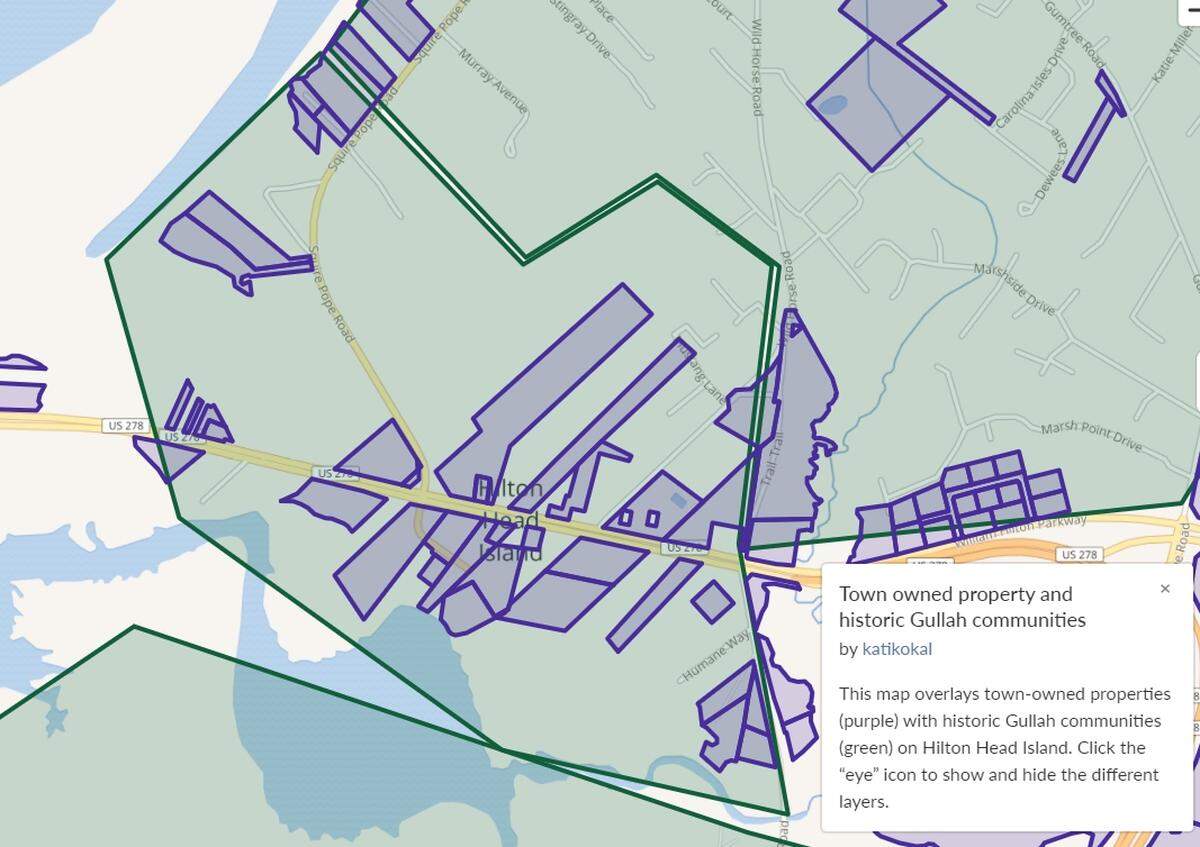
“The town owns Stoney,” Sellars said. “At some point there may have been a conscious desire to own the gateway to the island. But whether it was conscious or unconscious, it’s robbery.”
Town Manager Steve Riley said the government has focused its efforts on buying land in the area at the suggestion of traffic engineers.
“That’s actually sort of deliberate,” he said of land acquisition in Stoney. Traffic engineers told the town that “wherever we could buy land and reduce curb cuts would pay the greatest dividends. There was a concentrated effort to do that.”
Riley emphasized the town has never used eminent domain — the right of a government to take private property for public use with payment of compensation — and has always worked with owners willing to sell.
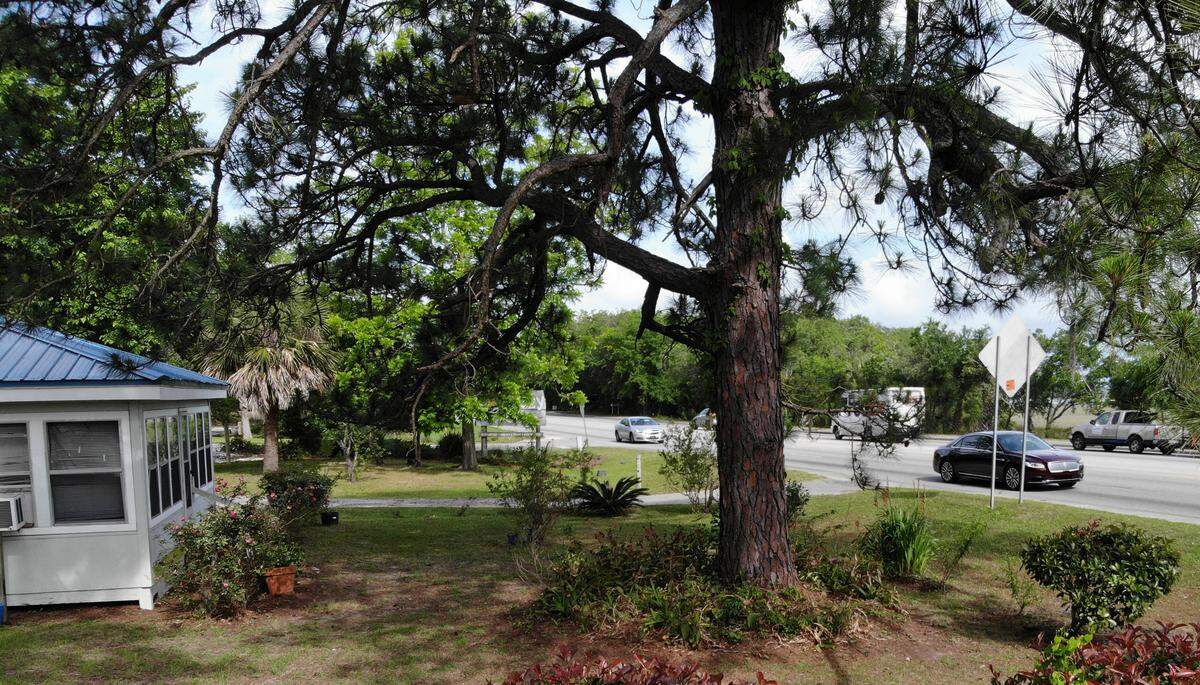
But given the island’s “limited service” approach to government, some leaders question why it’s involved in buying land at all.
“Why is the town a Realtor? Why are they buying this land?” Sellars asked.
On an island where land is both literal and cultural currency, the sales have left generations of families disconnected from their Hilton Head ancestry and on the outskirts of massive profits developers in other parts of the island have cashed in on.
Fair prices?
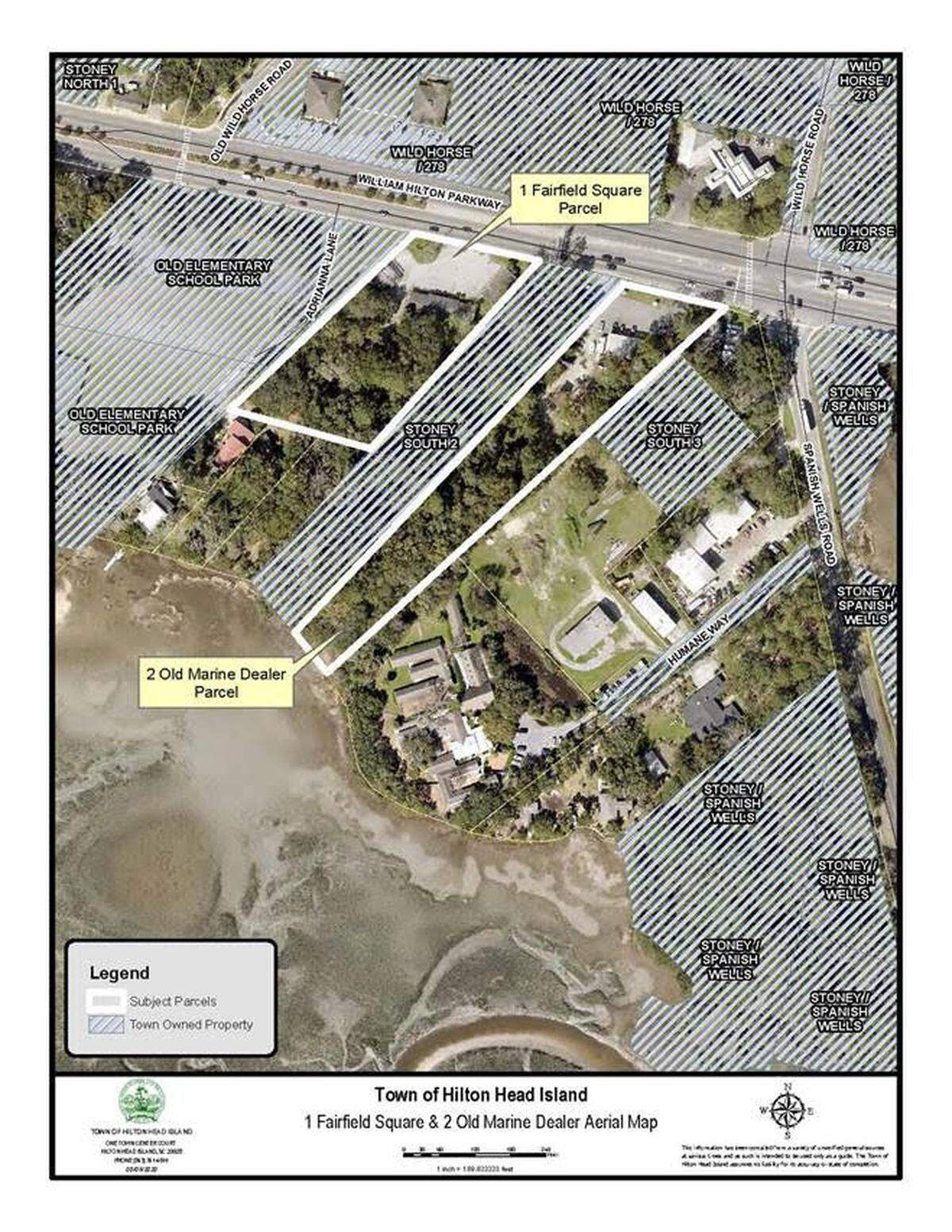
The latest purchases by the town — one waterfront and one the site of Old Fairfield Square buildings — were bought for less than their market value, according to Beaufort County records.
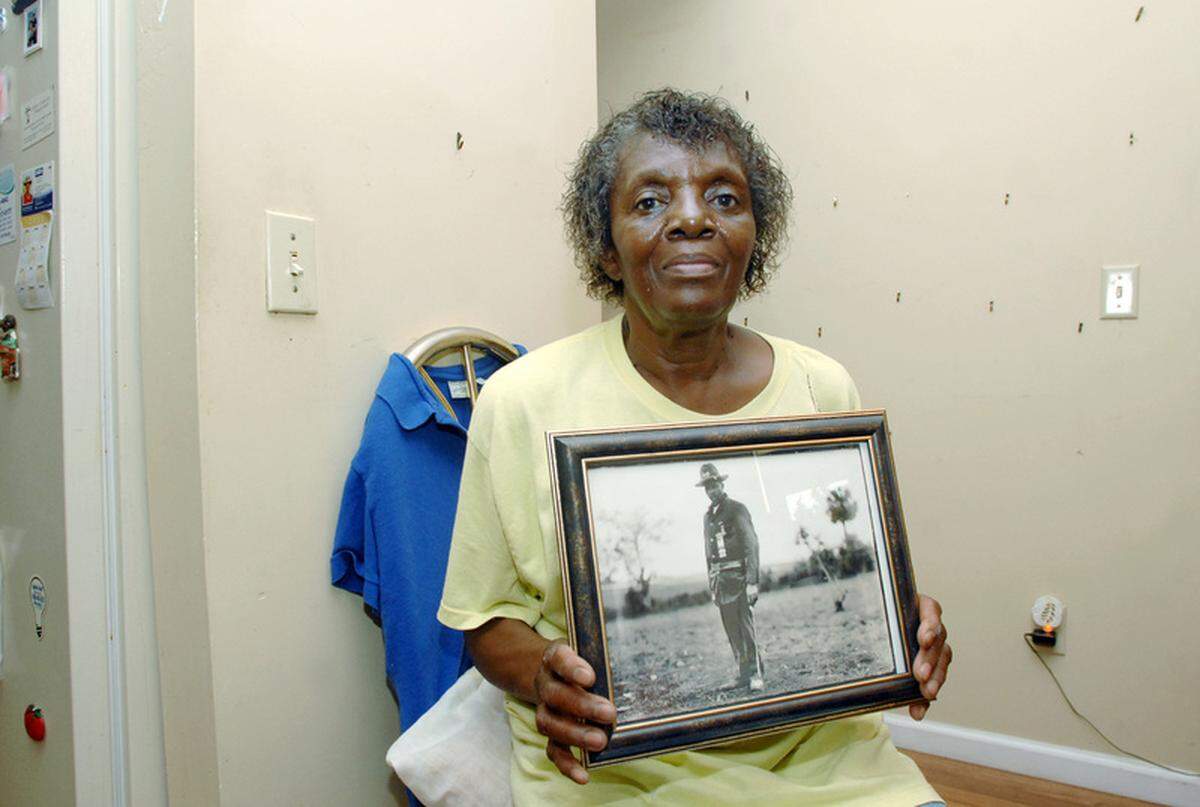
It’s a problem that native islanders have faced for decades.
While the town cites appraised values for land, heirs to that property feel they’re being shortchanged by the town and private buyers and are not even receiving market value.
The first property bought by the town on Tuesday, located off U.S. 278, was the home of abandoned yellow buildings that used to make up Old Fairfield Square. Town building officials found asbestos in the structures. The town bought the 1.93-acre tract for $475,000.
Beaufort County land records list the market value at $516,400.
The second property, which backs up the water on the south side of U.S. 278 in the Stoney neighborhood, was the site of a former marine dealership owned by the late Edward Williams. The town bought the 2.65-acre tract for $975,000.
Beaufort County land records list the market value for that tract at $1.53 million.
While families must agree to sale prices, some native islanders familiar with land transactions say there are other factors at play.
Marc Grant said he knows of native families who have sold because the family needed cash right away, the land caused the family stress, property taxes were too high or the family was dealing with decreased profits from a bad year in business.
“Every family has a different situation that comes up,” he said. “They look for the options to get out.”
Carolyn Grant, the town’s communication director whose family once owned Abe’s Native Shrimp House in the Chaplin neighborhood, said she remembered native island businesses slowly disappearing as she grew up in the 1980s.
“Somewhere in there people started to really face the higher taxes and family members scattered. That slowly made it harder to hang onto land,” she said.
Her family sold its land in 2006 to a private buyer when her parents were ready to retire from the restaurant business. She, along with Emory Campbell and Thomas Barnwell, co-authored the book “Gullah Days: Hilton Head Islanders Before the Bridge 1861-1956.”
How a highway changes things
In the background of the town’s land acquisition program is a looming project that will surely change Stoney even further.
The U.S. 278 corridor project, set to start construction after right-of-way acquisition in 2021, is likely to expand the four-lane highway in the Stoney community to help alleviate traffic there.
The S.C. Department of Transportation is planning to release its final plan for the project later this year.
Stoney residents worry that plan will force them off even more of the land their families have owned for generations.
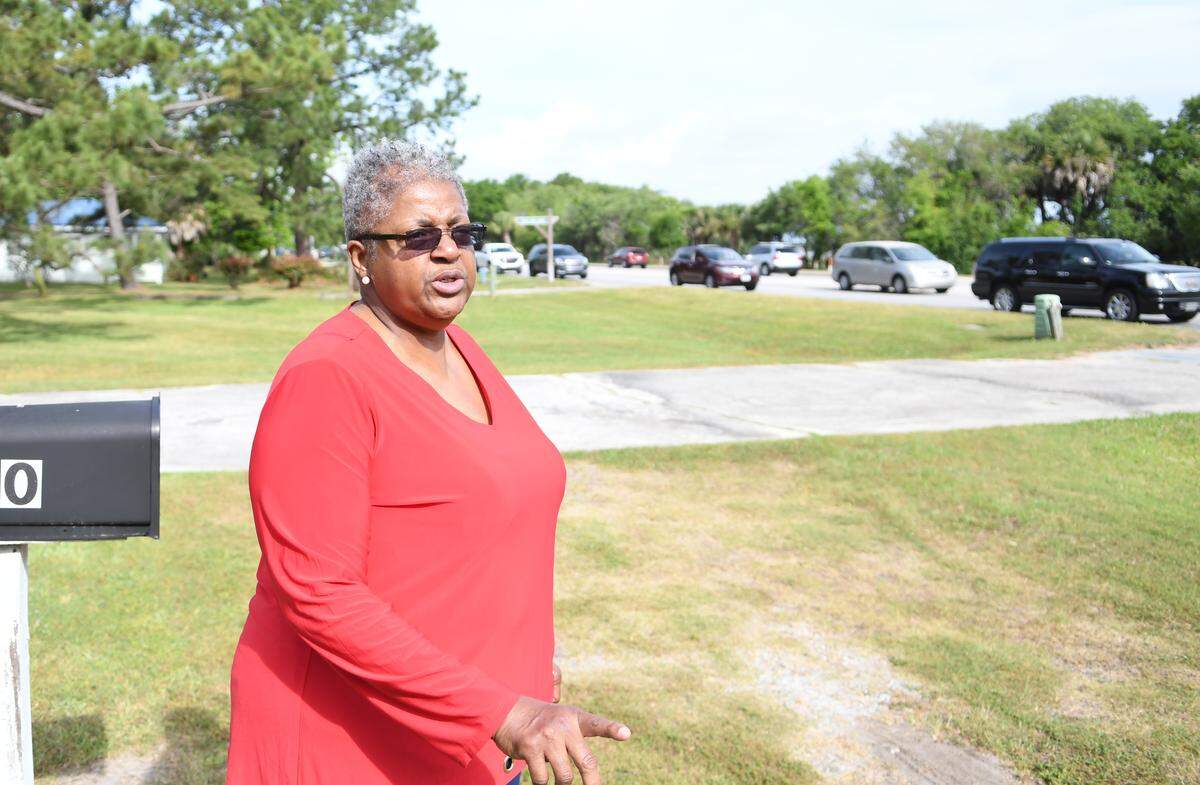
It’s no coincidence that the town has been quietly buying property in the area surrounding the highway for years. If the town owns more land, it’s easier for SCDOT to get the right-of-way to start construction.
“As we strive to maintain an aesthetically pleasing environment, we felt it was appropriate to purchase property along our main thoroughfare when the opportunity arose,” Town Manager Riley said in a news release about the town’s recent purchases. ”Also, these properties, combined with other town land holdings in the vicinity, will provide added flexibility as the Gateway Corridor project planning proceeds.”
This story was originally published August 24, 2020 at 4:30 AM.