‘Choked, strangled, drowned’: Report details effects of plastic on marine life off SC
Plastic trash isn’t washing up in droves on Hilton Head Island’s beaches, but a study released Nov. 19 by the nonprofit conservation organization Oceana shows that it’s ending up in the digestive systems of animals off the South Carolina coast.
And it’s killing them.
The study compiled 1,792 reports of animals swallowing or becoming entangled in plastic trash between 2009 and 2018. It showed that in those reports, the most often hurt or killed animal was the marine species most talked about on Hilton Head — the sea turtle.
Of the reported cases of plastic-related damage to an animal, 861 were sea turtles (including all six species found in the U.S.), and 931 were all other marine mammals — 34 different species.
“Just because it’s not accumulating on your beach doesn’t mean plastic is not in the places where your animals are hanging out,” Dr. Kimberly Warner, the report’s author, told The Island Packet. “It’s turning up in the animals on your shore.”
The study is titled “Choked, Strangled, Drowned: The Plastics Crisis Unfolding in Our Oceans.”
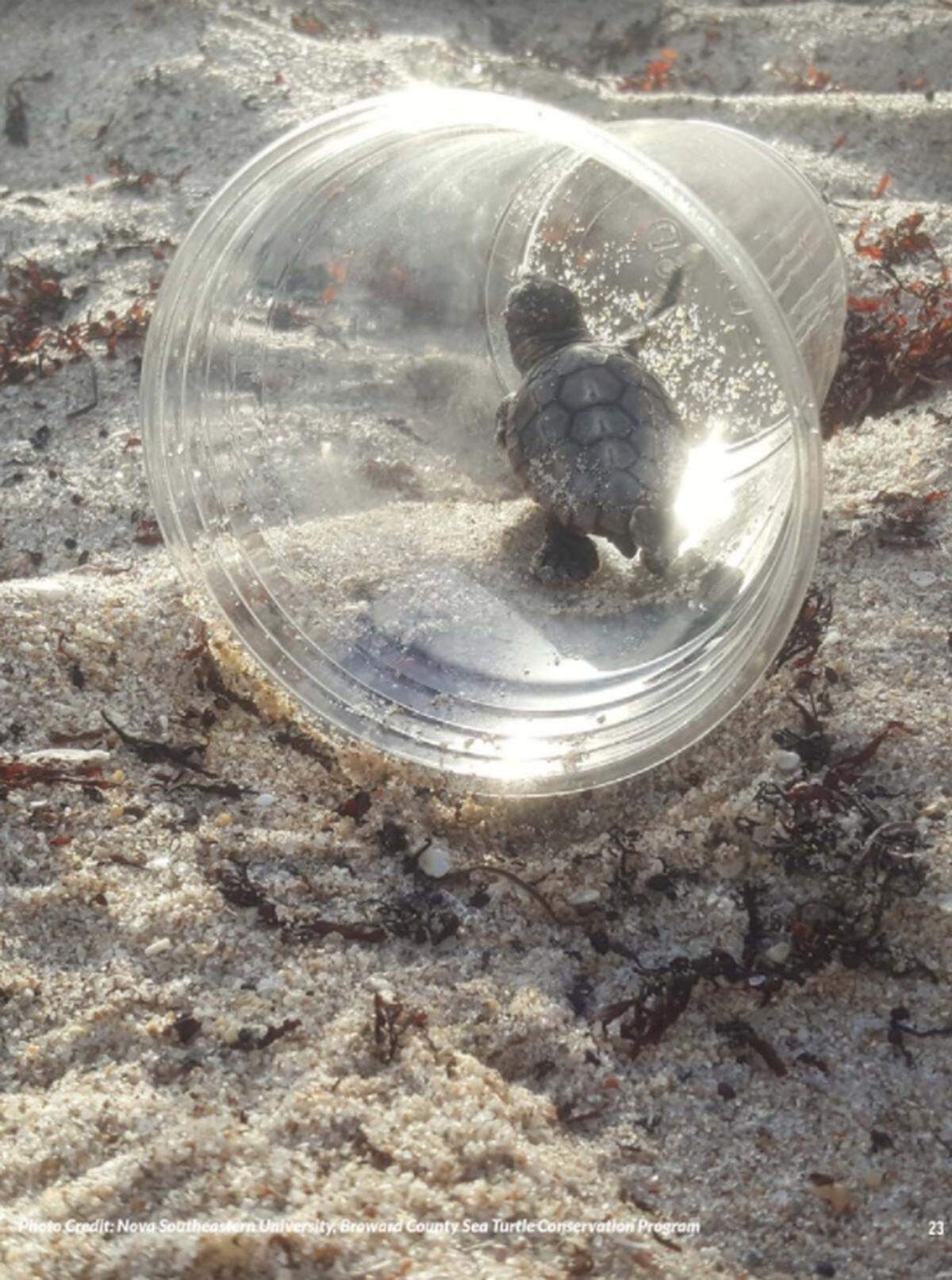
The report shows that the most common plastics found inside animals are bags, balloons, recreational fishing line, plastic sheeting and food wrappers. Marine animals swallow plastic when they mistake it for food, or inadvertently swallow it while feeding or swimming.
Once swallowed, plastic can obstruct an animal’s digestion or cut through their intestines. All of this can interfere with their ability to feed, leading to starvation and death.
When animals become entangled in plastics, they can drown, choke to death or suffer physical trauma, such as amputation and infection. Entanglement can also lead to malnutrition when it prevents their ability to feed properly, the report says.
The report and Warner’s research include instances in South Carolina.
A South Carolina sea turtle center found almost 60 pieces of plastic that a loggerhead sea turtle defecated during its rehabilitation, the report says.
Warner said a bottlenose dolphin in 2015 was found near Pitchards Island (next to Fripp Island in Beaufort County) with a stomach full of recreational fishing line.
Local action
A single-use plastic bag ban went into effect in Beaufort County on Nov. 1, 2018. Since then, many grocery shoppers have switched to reusable bags, and grocers now offer thicker, reusable plastic bags and paper bags.
But it’s not perfect.
County residents have shared concerns that thicker plastic bags still end up in the area’s hundreds of waterways. During the coronavirus pandemic, Hilton Head leaders dropped the plastic bag ban to ease the financial stress on hurting businesses.
The ban was reinstated on July 1, but the increased usage of takeout bags and utensils during the coronavirus has Beaufort County using more plastic than ever before to stay safe.
Warner said the effects of the coronavirus pandemic on plastics in the ocean remain to be seen, but residents can continue to reduce their use.
“As we’re ordering a lot of goods that come to our door, we can ask the delivery companies to send things to us in plastic-free packaging or opt-out of plastic utensils in restaurant delivery,” she said.
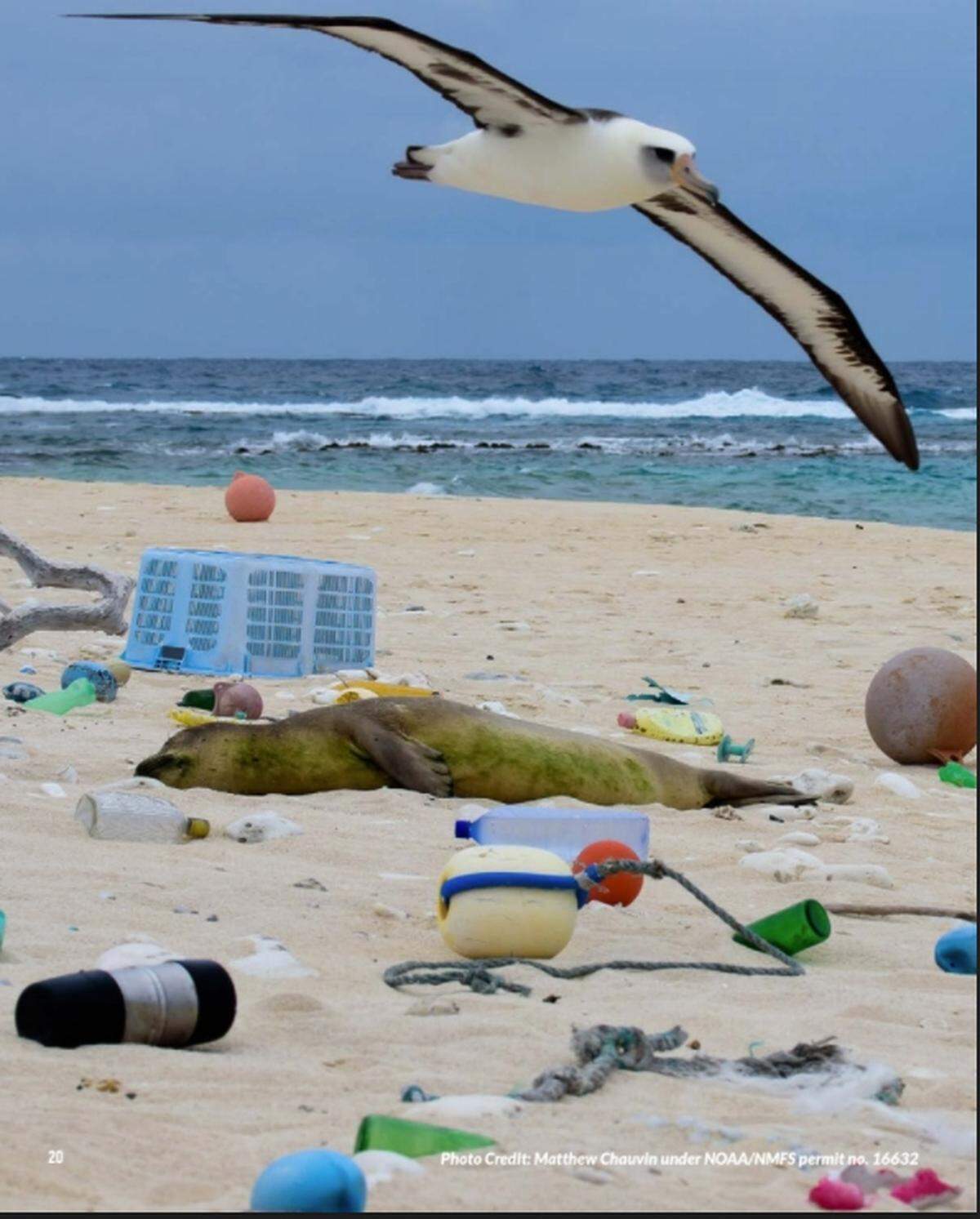
What has to change?
Personal responsibility goes only so far, though.
The United States produces the most single-use plastic on the planet, Warner said, and scientists estimate that 15 million metric tons of plastic wash into the ocean every year.
That equates to about two garbage trucks’ worth of plastic entering the ocean every minute.
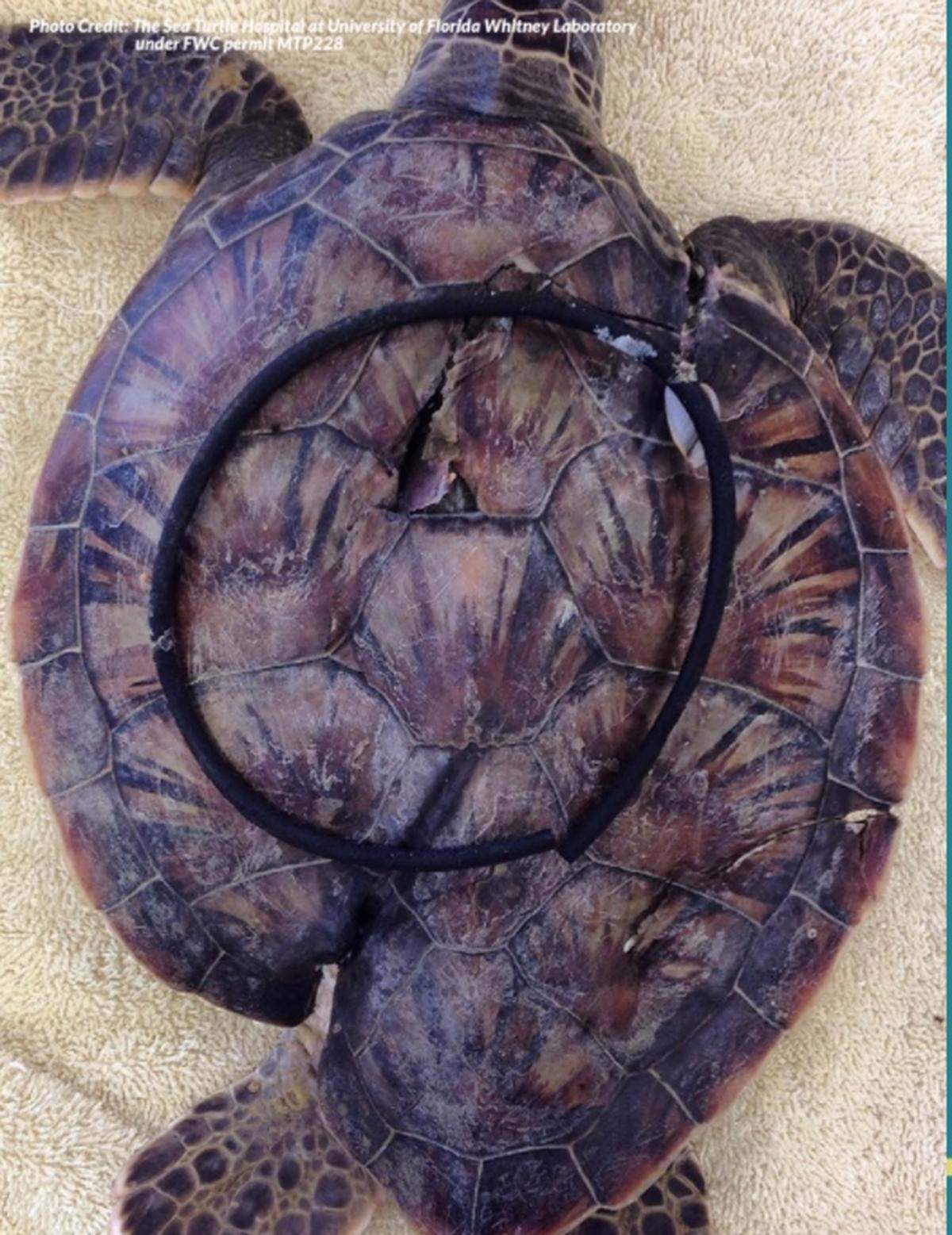
When plastic enters the ocean, it doesn’t biodegrade. It breaks up into smaller pieces and eventually becomes microplastics that are smaller than five millimeters. Microplastics have been found in every part of the marine food chain, including the seafood we eat, the report says.
To reduce that spread, residents can lobby their local and state governments to limit use of plastic, polystyrene foam (or the trademarked Styrofoam).
“Plastic production is expected to quadruple in the coming decades, and if nothing changes, the amount of plastic flowing into the ocean is projected to triple by 2040,” said Christy Leavitt, a report author and plastics campaign director at Oceana. “The only way to turn off the tap and protect our oceans is for companies to stop producing unnecessary plastic — and that will require national, state and local governments to pass policies ensuring they do.”
This story was originally published November 24, 2020 at 4:30 AM.