Single-use plastic bags come back after Beaufort Co. ban, thanks to the coronavirus
In March, David Martin begrudgingly taped up signs on the front of his Coligny-area grocery store. The signs told customers not to bring their reusable plastic or cloth bags into the small grocery store.
“We were looking for anything that would infect anybody coming into the store,” he said about trying to limit transmission of coronavirus.
Since then, Martin’s Piggly Wiggly and other Beaufort County retailers have rediscovered an old friend: the single-use plastic bag.
Banned in the county by a majority vote in November 2018, plastic bags have reappeared in restaurants and stores where owners are trying to limit potential transmission of germs. The Town of Hilton Head Island has relaxed its enforcement of the plastic bag ban as businesses recover from devastating closures and decide how best to keep their customers safe.
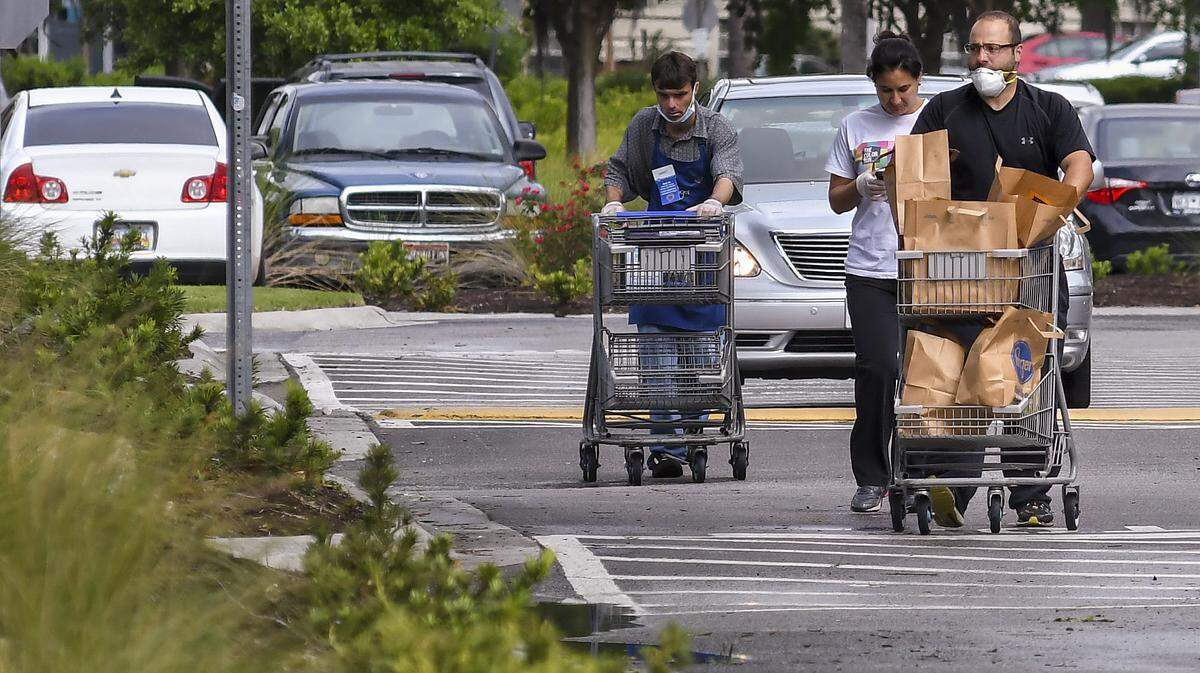
While the Centers for Disease Control and Prevention has not suggested abandoning reusable plastic or cloth bags, the agency recommends washing personal bags and suggests that grocery store workers wash hands after touching grocery bags.
Town Manager Steve Riley announced in a May 18 news release that the town would accommodate businesses by allowing temporary signs that are usually tightly controlled on the island. He said relaxing sign rules and the plastic bag ban are temporary.
Prior to the pandemic, a business could be fined up to $100 for the first violation, $200 for a second violation within any 12-month period, and $500 for every additional violation within any 12-month period.
Meanwhile, Martin was sure he’d hear an uproar. To his surprise, he’s heard not a peep about the new bags.
“Generally speaking, people are so anxious and afraid that they’re focused on the thing in front of them,” he said.
Piggly Wiggly used its typical paper bags for about two weeks but is now using single-use plastic bags. Each paper bag costs around 14 cents; a plastic bag is just a penny, Martin said.
National plastic bag bans hit pause
Hilton Head’s move to relax the ban on single-use plastic bags follows a nationwide trend.
In New Hampshire, Gov. Chris Sununu issued an emergency order banning reusable bags and requiring stores to use plastic or paper instead, according to the Boston Herald.
In Maine, The Natural Resources Council announced that Gov. Janet Mills delayed to Jan. 15 the start of the state’s plastic bag ban. It was supposed to begin on April 22 — Earth Day.
In California, customers no longer are required to pay the 10 cent tax on plastic bags, and The Mercury News reported that at least two Bay Area counties have prohibited reusable bags altogether.
“The thinking with the reusable bags is that when they are handled by different people and moved among different environments, it’s possible they could be a carrier of the virus,” Preston Merchant, a spokesman for the San Mateo County health department, told The Mercury News. “It does attach to surfaces. Moving towards non-reusable bags means fewer people will have touched them.”
Moves to relax or repeal bag bans are getting a boost from The Plastics Industry Association, which The New York Times reported wrote the Department of Health and Human Services in late March “requesting that the department publicly declare that banning single-use plastics during a pandemic is a health threat.”
Recyclable bags, The New York Times reported, have been called “petri dishes for bacteria and carriers of harmful pathogens,” by at least one plastics industry group.
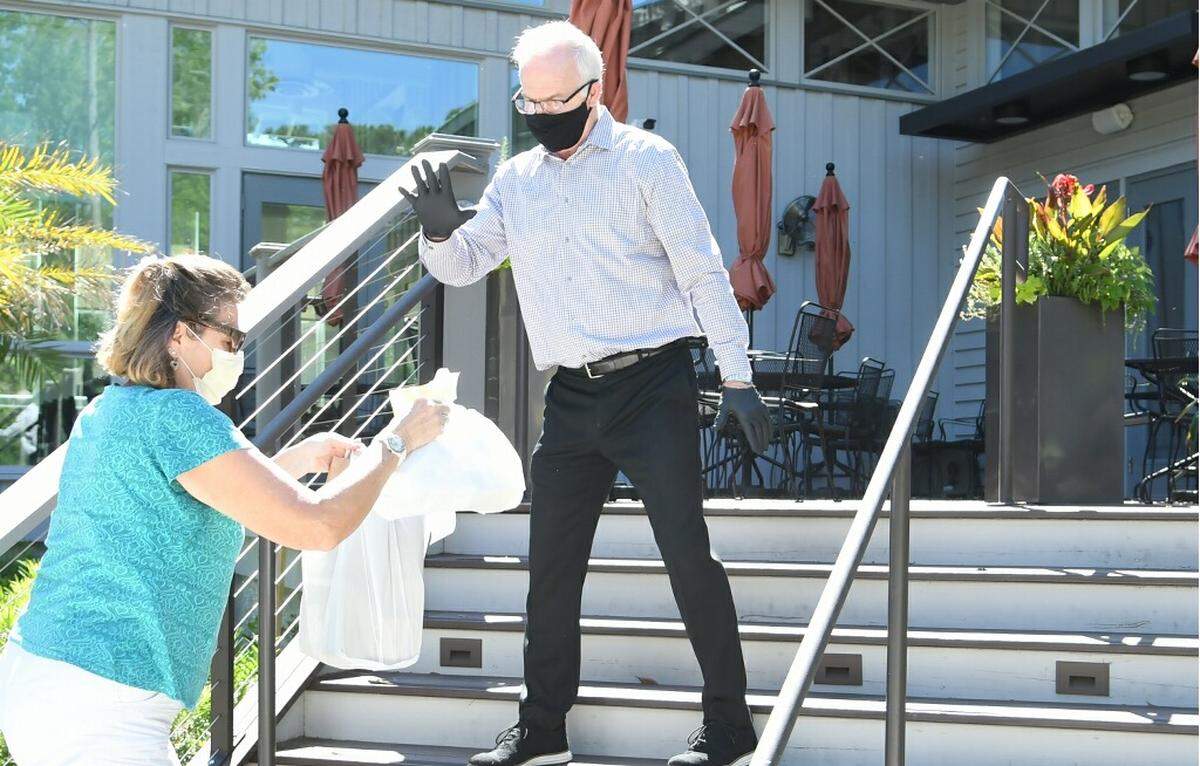
The science of coronavirus and shopping bags
An oft-cited study by the U.S. National Institutes of Health found that the coronavirus can remain on plastics and stainless steel surfaces for up to three days.
But Dr. Lisa Maragakis, senior director of infection prevention at Johns Hopkins, wrote in a recent article that the virus doesn’t survive well on soft surfaces like fabric shopping bags. It weakens and dies when it’s outside of the human body, she wrote.
And Maragakis said although the virus can live for several days on plastic, less than 0.1% of the starting virus material is present after 72 hours, which means it carries very little risk of infection.