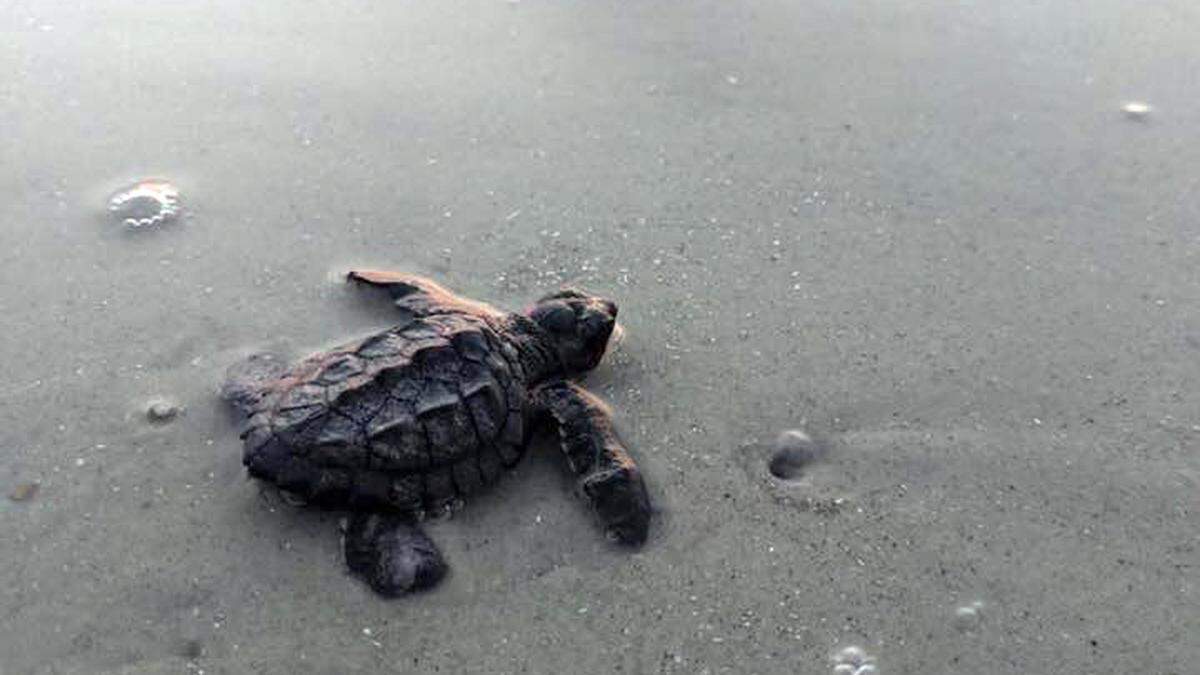
World’s rarest species of sea turtle hooked by person fishing on Hilton Head
A person fishing on Hilton Head Island Tuesday morning landed an unexpected catch: a juvenile sea turtle which happens to be of the world’s rarest species.
The Kemp’s Ridley sea turtle was reeled in with a fishing hook in its mouth, according to Sea Turtle Patrol director Amber Kuehn. Volunteers were able to remove the hook with only minor injuries to the animal.
Kuehn said the sea turtle was likely around five years old. In 2019, Hilton Head’s first sea turtle nest of the season was laid by a Kemp’s Ridley turtle — the island’s first nest by the rare species.
But young Kemp’s Ridley turtles are more common in the waters off Hilton Head. Kuehn said her team assists with two to three rescues of Kemp’s Ridley turtles caught by people fishing each year.
“If the turtle swallows the hook, we have to take him to Charleston to the Sea Turtle Care Center,” she said. “Turtles get caught on hooks a lot.”
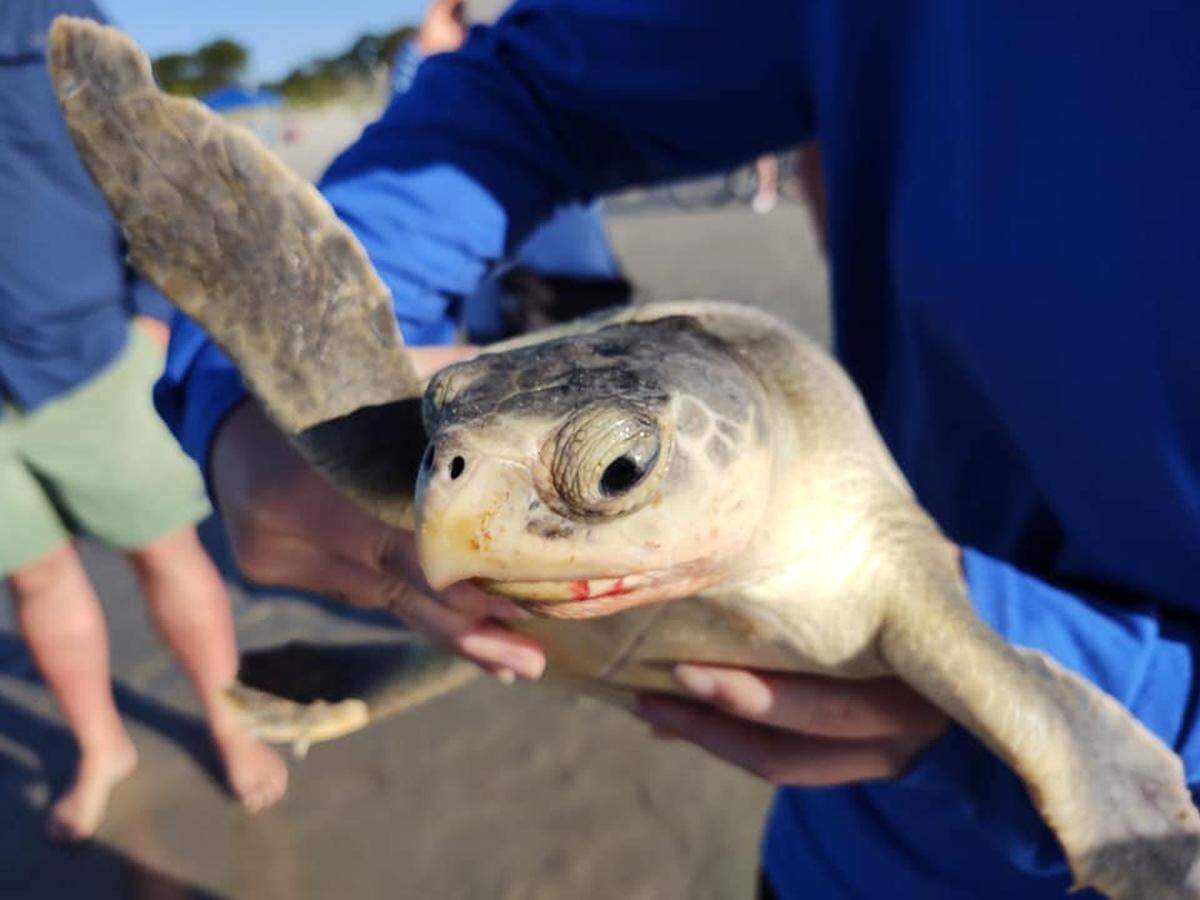
The person fishing was on the north end of the island. Fishing is not allowed in the public swimming areas of Hilton Head’s beaches.
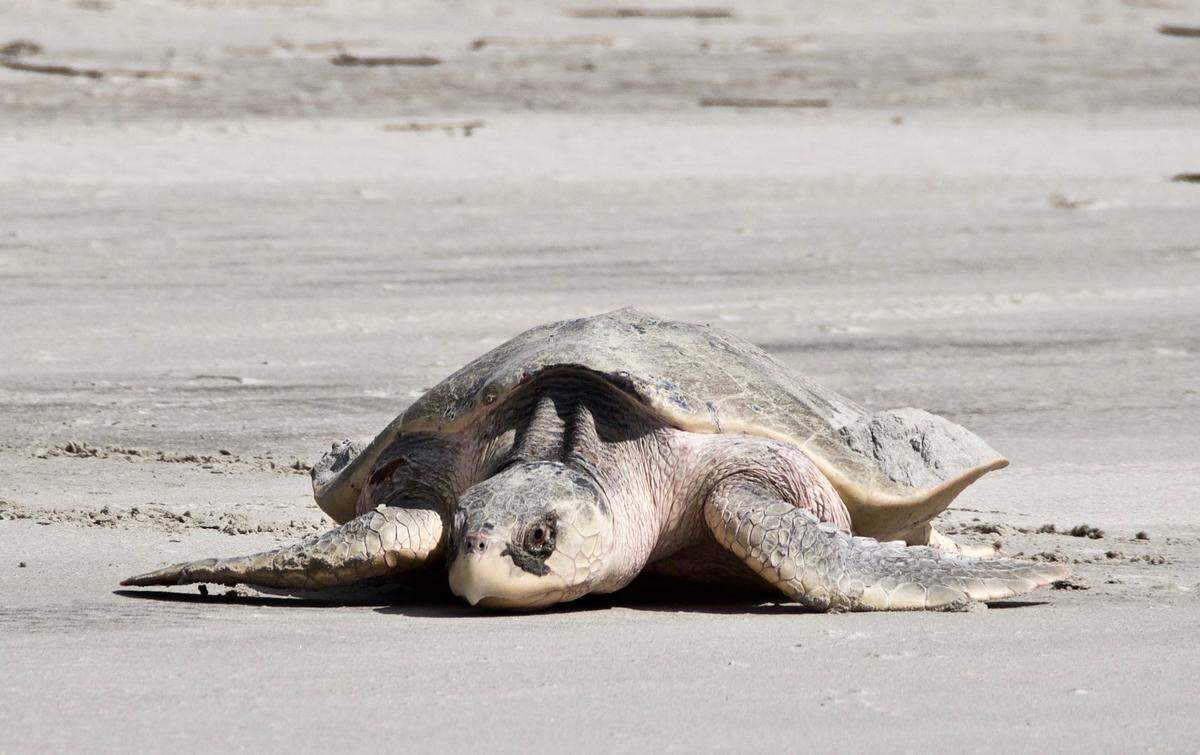
The Kemp’s Ridley turtle is the most endangered of the seven species of sea turtles, and usually weighs between 150 and 200 pounds. There are only about 7,000 to 9,000 nesting females worldwide, according to the Sea Turtle Conservancy.
The Kemp’s Ridley turtle is significantly smaller than the Loggerhead Sea Turtle, which is a regular on Hilton Head’s beaches and weighs about 350 pounds.
What to do if you hook a sea turtle while fishing
Kuehn has some tips.
- Keep your hands away from the turtle’s mouth: The animal can bite you!
- Call the sea turtle hotline to assist at 1-800-922-5431. Sea Turtle Patrol volunteers will help decide whether the hook can be removed or whether the animal needs to be seen by a surgeon.
- Don’t pick up the animal by the fishing line or cut it: Kuehn said that can drag the hook through the animal and cause more damage.
- Keep the sea turtle in shallow water: The animals cannot self-regulate their body temperatures, so they will get too hot sitting out on the beach.
- Don’t touch the animal: Any sea turtle rescue or conservation effort involving hands-on contact with the animal requires a permit from the South Carolina Department of Natural Resources.