Gullah land sold for Hilton Head subdivision could have 6-lane highway in its backyard
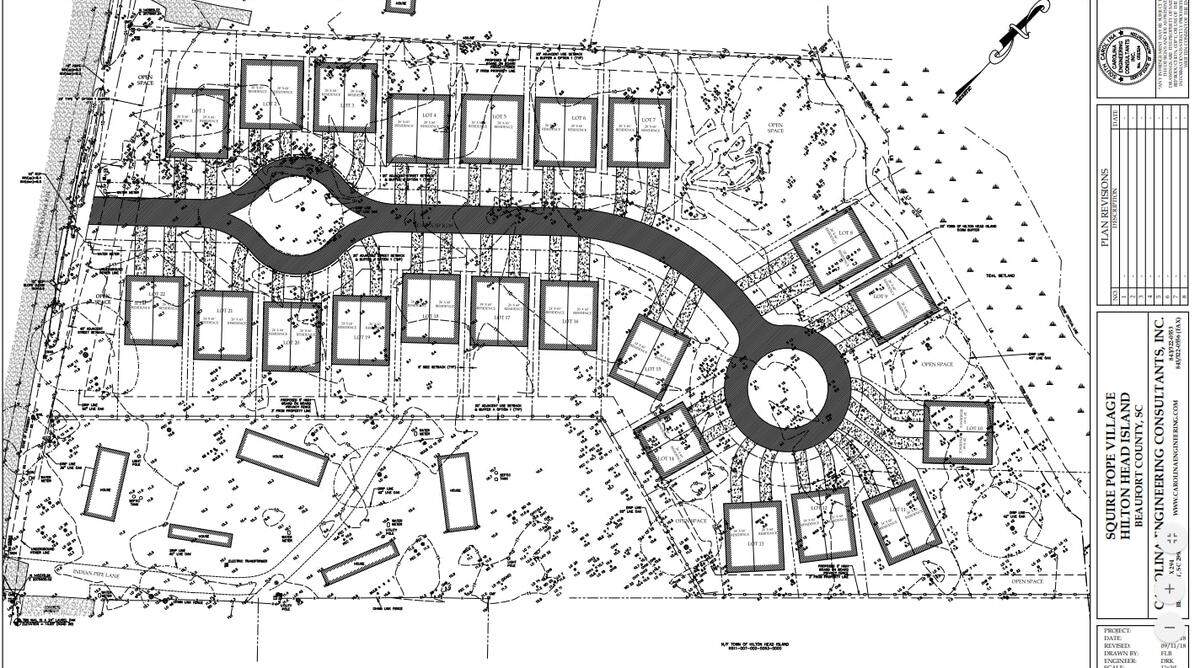
Construction crews are working on a 42-home subdivision on Hilton Head Island’s north end that may be in the shadow of a six-lane highway in the next several years.
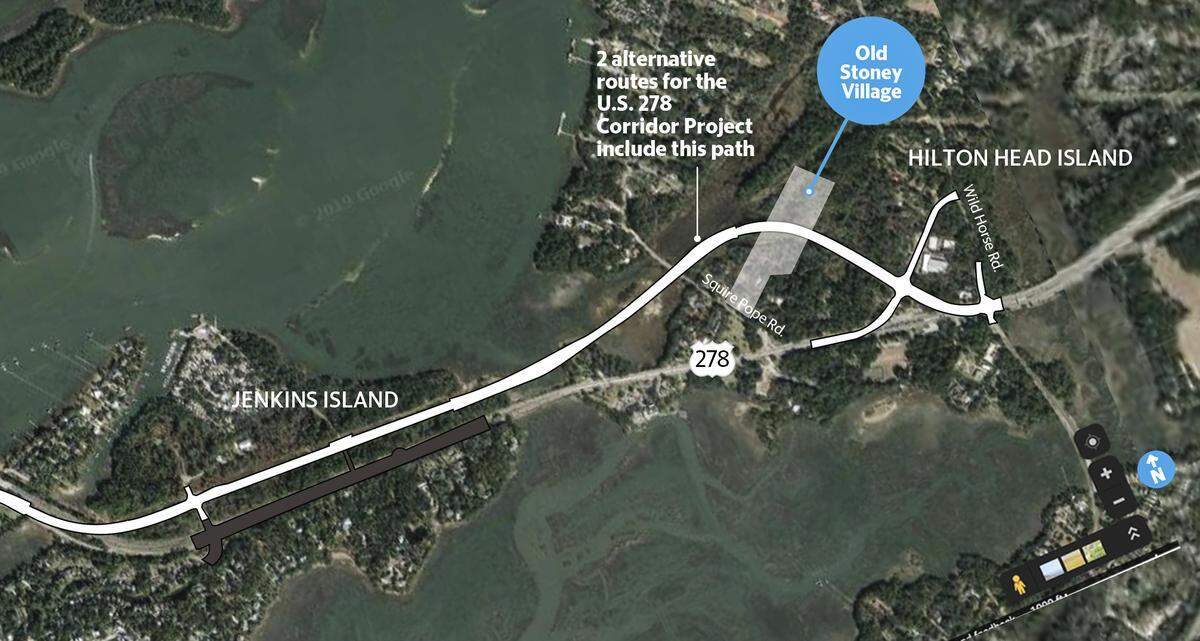
The plot of land, once owned by a family native to Hilton Head Island, is where four of nine potential plans for the U.S. 278 corridor project show a highway connecting to nearby Wild Horse Road. The subdivision in the works will carry the same name as the historic Gullah community it is essentially disrupting.
The plan for the U.S. 278 corridor, a $240 million project run by the S.C. Department of Transportation, will re-imagine the entrance to the island that runs from Moss Creek Drive to Spanish Wells Road. The final plan will be announced this fall, according to SCDOT.
Five alternatives follow the existing footprint of the bridges to the island. The other four of the alternatives include constructing a new bridge that loops northward through marshes and existing power line easements to take pressure off the existing road.
But by the end of the year, part of that space will be developed into 42 homes and be sold to people who may not appreciate the coming highway in the backyard.
The potential threat of the bridge project creates an odd alliance between the subdivision and dozens of native families. The families have fought the highway’s widening for years out of fear they would lose generations-old land, pieces of which have been sold off in the name of progress.
Native islander Shani Green is keeping a close eye on the U.S. 278 project because developer Jim Moore purchased the at-risk land from her family in 2018 — a transaction that resulted in some members having to leave land that the Stoney neighborhood considered paramount to its history.
“We wanted the same consideration and respect just like other properties,” she said. “When you’re looking at bringing roads through, you’re talking about lives and families who have been there since before the bridge.”
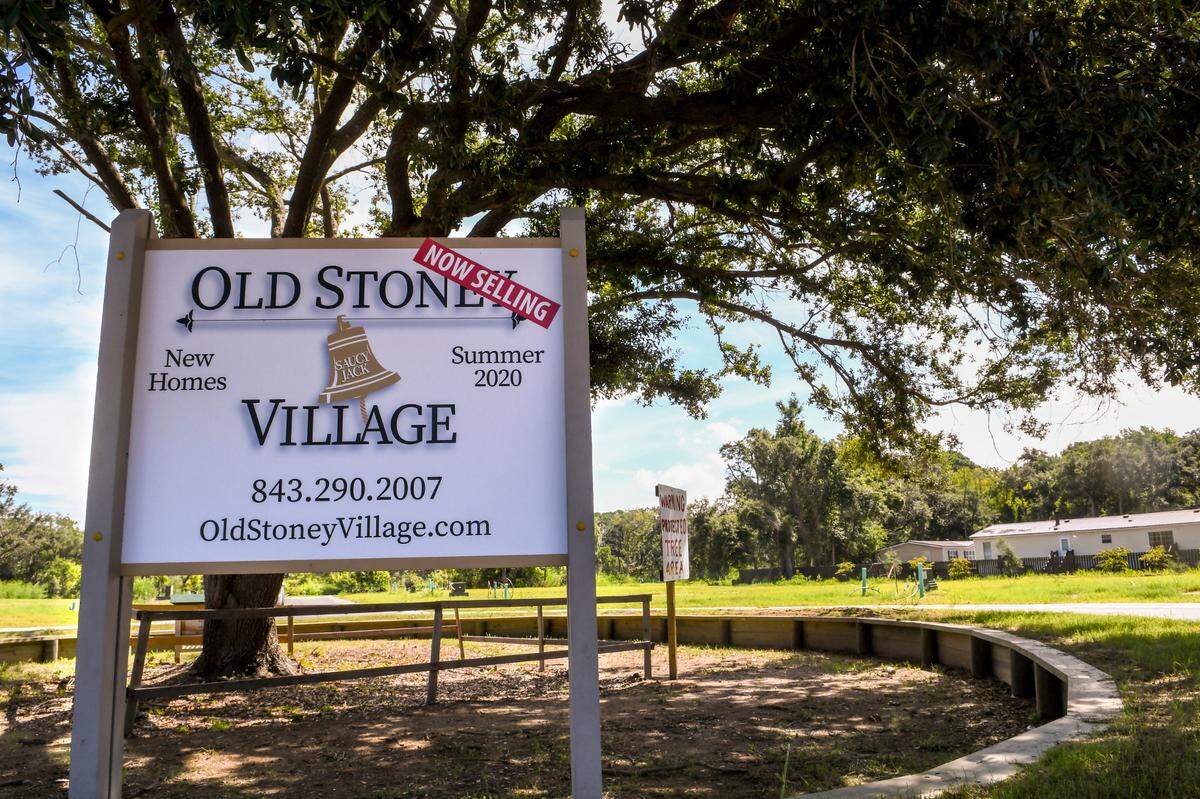
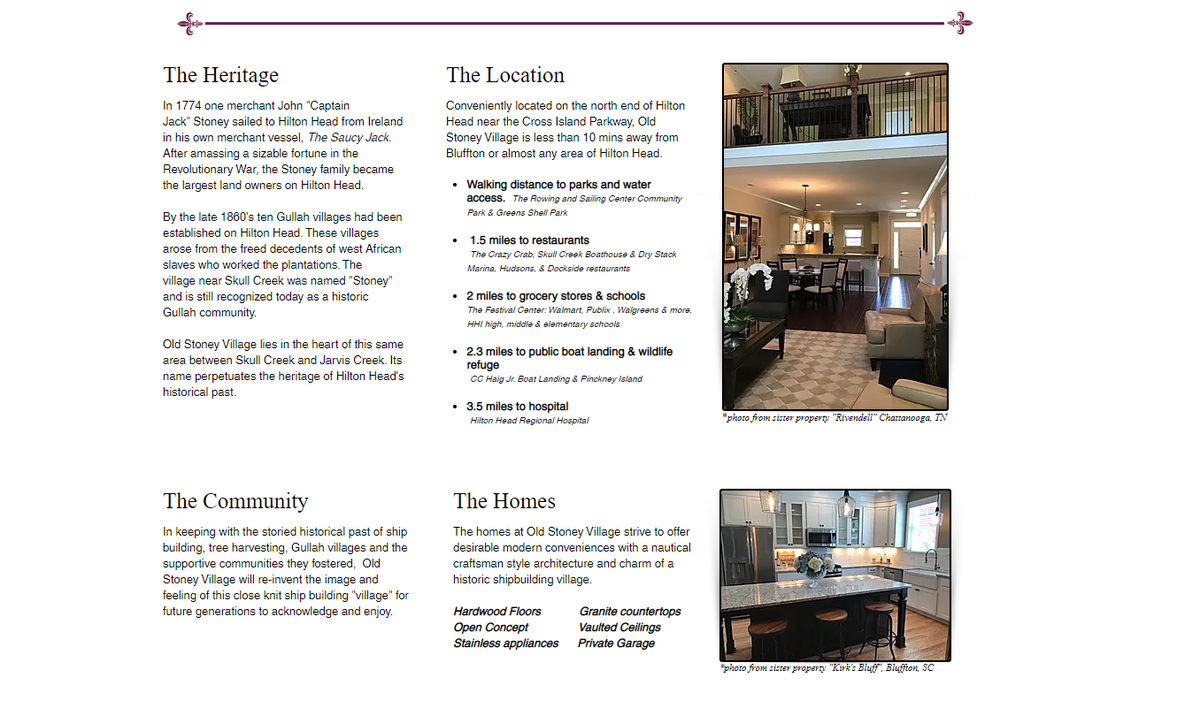
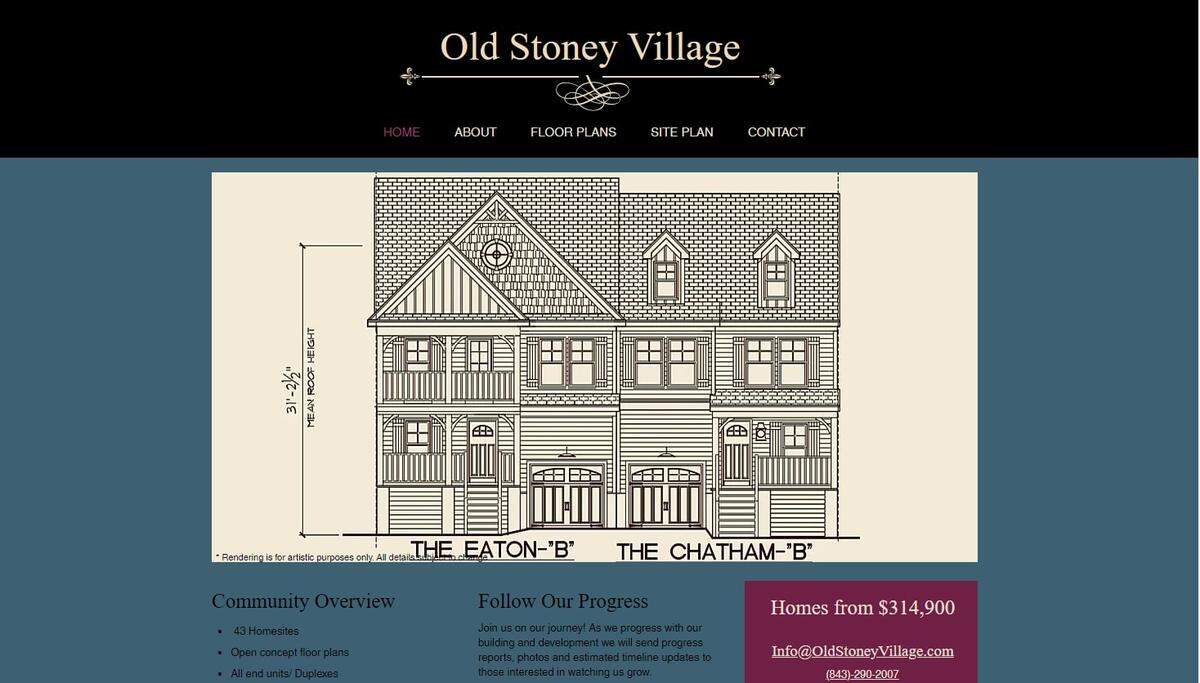
The new subdivision, scheduled to be complete later this year, will be named “Old Stoney Village,” and share the name with the historic Gullah community the Greens once lived in.
The history on 32 Squire Pope Road
The history of the property shows how native-owned land on Hilton Head Island is often subjected to the same problems — no matter who it belongs to.
The 16-acre lot where the subdivision will sit one day originally belonged to Matthew and Teena Jones, who divided up the land to more than 180 heirs, Green said.
Heirs’ property is land co-owned by many people and was likely purchased by freed slaves, according to the Center for Heirs’ Property Preservation in Charleston. At some point, the land was either passed down without a written will or without being formally documented, according to the center.
Green’s ancestors have lived on the land, part of the Stoney neighborhood, for generations.
Her father, Clarence Green, was a farmer and shrimper who operated a commercial shrimp boat on Hilton Head before his death in 2019.
When she looks at photos, many taken in black and white, Green said she sees her father, in one a child, and in another a young adult standing in the doorway of a home on the very same land.
The new development was originally to be called “Squire Pope Village.” Asked about the name change to “Old Stoney Village,” Green laughed.
“We kind of find it disrespectful and disheartening,” she said. Developer Jim Moore “actually may have thought he was paying homage to the family by making it the ‘Old Stoney Village,’ but when you say ‘old,’ it’s almost like ‘out with the old, in with the new.’”
She said she picked her battles and didn’t fight the name, but “it’s a little bit of a slap in the face.”
Reached Wednesday, Moore said, “Old Stoney Village is just a neighborhood. I don’t think it takes away from their tradition or heritage. I don’t see it as a problem.”
Moore said the name was also approved by the Town of Hilton Head Island, which agreed to change the name of the road that will bring cars into the neighborhood. He said the development is named after the 1700s sea captain Jack Stoney, who built a large plantation and homes for enslaved people still visible in Sea Pines.
“That’s basically where we are developing our story line,” Moore said. “It had nothing to do with the Gullah community.”
New ownership
The Green family’s legacy changed when one out-of-state relative who was an heir to the property decided to sell — forcing the rest of the family to go along.
Renee Gregory, director of legal services at the Center for Heirs’ Property Preservation, said a forced sale is common in heirs’ property cases, especially if there are relatives who live in different states.
“One heir can go to the court and say ‘I have an ownership interest in this property, and I’m not able to reap the benefit’ so the court puts the property up to auction,” she said.
A quiet title action — a judicial process to determine who has interest in the property — identified 188 heirs on 32 Squire Pope Road, Green and Maria Parker, a real estate attorney, told The Island Packet in 2018.
The piece of land in question was sold with the consent of the Beaufort County Master in Equity, according to documents submitted to the town. At that time, the judge asked that the purchaser attempt to “provide relief for the current residents.”
The developer carved out three acres on the property for the Greens to move homes to so they could stay near their original homestead. Green said her family had to relocate two homes from the property.
“He didn’t want to be in the business of making people homeless and kicking people off land,” she said of Moore. “For the most part he has met us halfway. ... I’d rather be where I was born, lived and played in the yard than to be looking for an apartment for my parents.”
The heirs of the Squire Pope Road property were awarded $700,000 for nearly 16 acres of waterfront property on Dec. 18, 2018.
Green said that was a disgrace.
“I don’t like the fact that when they come to the Gullah families, it’s always with fair market value,” she said. “We all know that market value isn’t fair to anyone when you’re dealing with heirs’ property.”
Gregory said the forced sale of heirs’ property often goes for lower than market value because the property is simply put up for auction. Buyers can name their price, and often reduce the value of heirs’ properties for unclear titles. While she wasn’t familiar with the Greens’ case, Gregory said the arrangement for the family to stay on part of the land could have affected the sale price.
Less than two months after the sale, on Feb. 8, Beaufort County property records show the property was sold again to a buyer listed only as “multiple owners.”
It sold for $1.35 million.
A highway in the backyard?
Native islanders, specifically those who live in the Stoney area, have long scrutinized plans for the U.S. 278 corridor project. They say the bridges disregard the historic families living near the entrance to Hilton Head, and point out how the highway and original bridge bisected native communities.
“We want people to understand our culture and our heritage is dying because of this road and the overuse of this road,” Marc Grant, Ward 1 representative on Hilton Head’s town council, told The Island Packet following the passage of the transportation tax that funds the corridor project.
Residents who live on or near U.S. 278 want the alternatives that veer incoming traffic — 65,000 cars on an average day — north of the existing road. Meanwhile, residents who live along the waterway near the future subdivision are betting that building a new bridge will be too expensive for SCDOT to complete.
“It’s all for show,” Arthur Champen, who lives north of U.S. 278 on Squire Pope Road, said in 2019 of the two plans that don’t include widening the existing highway. “They’re trying to appease the people, but it’s really too expensive.”
But the potential for a bridge in the backyard of the property never came up in the 2018 sale, according to Lauren Martel, the attorney who negotiated a deal for the Greens.
“We never discussed that,” she said in March. Martel added that the Green family has been moved around several times by buyers and the Town of Hilton Head Island.
Meanwhile, SCDOT officials said they’re aware of the subdivision.
“We’ve seen images and prints of what it would look like,” project manager Craig Winn said in March. “The subdivision was approved, and then we got a copy of it, and there is a potential for the very back edge of that to be hit by (alternatives) 5 and 6.”
But the alternatives don’t show the potential for a bridge over the homes — a waterway flyover would descend to a six-lane highway by the time it got to 18 Squire Pope, Winn said.
“We would try to tweak it to avoid some houses,” he said. “But nothing’s decided.”
Moore said SCDOT has been unresponsive to his requests for details, and he’s not sure how close the bridge will come to his new property.
“There are nine different plans, and only three of them come this way,” Moore said. “If they come closer to the houses, it will definitely affect the home values and be a much more expensive proposition” for SCDOT.
What’s next?
As homes rise from the dirt in Old Stoney Village, the developer and the neighbors will be watching the U.S. 278 alternatives, one of which will be chosen in the next three months, according to the SCDOT website.
Once the townhomes at Old Stoney are built, they will be priced between $300,000 and $350,000, Moore said.
This story was originally published August 15, 2020 at 4:45 AM.