How are SC health experts keeping themselves safe as omicron surges? Here’s their advice
READ MORE
COVID-19 in the Lowcountry
Here’s the latest on the omicron variant surge, COVID-19 guidance and more in the Lowcountry.
Expand All
It’s becoming more and more difficult to navigate South Carolina’s coronavirus outbreak.
The omicron variant, which was discovered in southern Africa late last year, is now sweeping across the Palmetto State. The pathogen is sparking a record-breaking surge of infections and leading to new questions from worried residents who are trying to keep themselves and their families safe amid the ever-changing pandemic.
Is your sniffle really just a sniffle, or is it omicron? What kind of masks work best? Is it a good idea to eat dinner at a crowded restaurant right now?
To help South Carolinians answer these questions, The Island Packet and Beaufort Gazette recently asked three Palmetto State health experts to explain their own COVID-19 risk assessments and provide advice on how to avoid the super contagious variant.
Questions & answers
Q: Have you changed your approach to COVID-19 precautions due to the omicron variant?
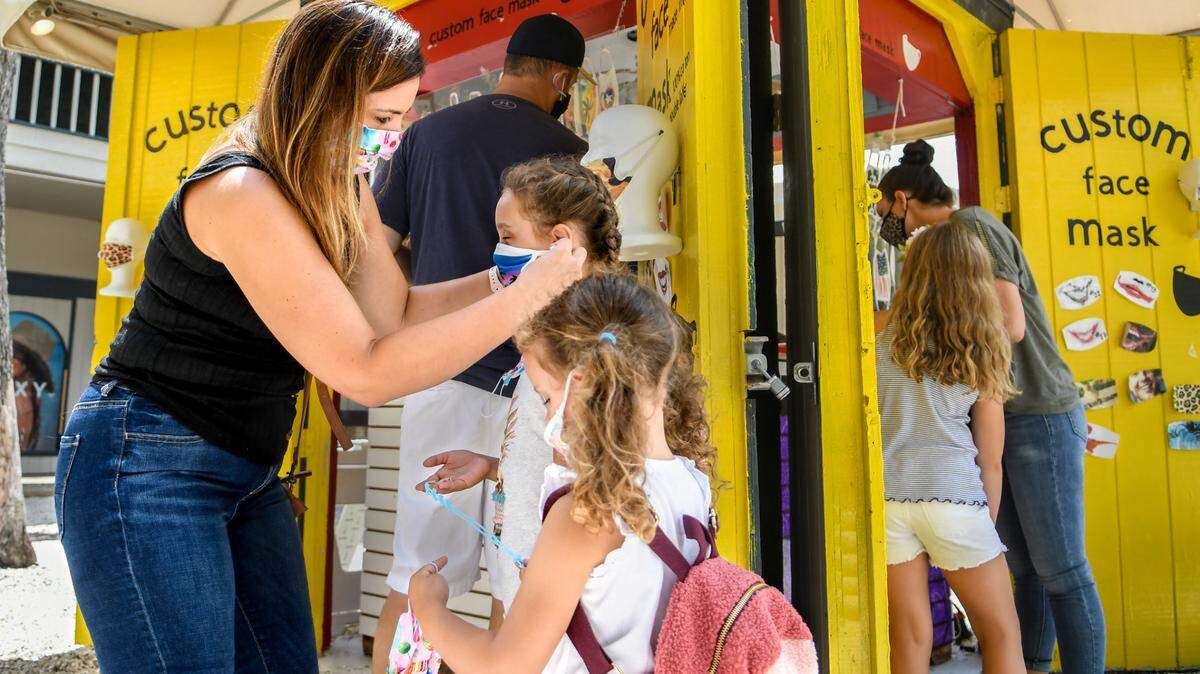
Dr. Gerald Harmon, vice president of medical affairs at Tidelands Health and president of the American Medical Association: In the community, rather than wear a Gamecocks or Clemson mask, I believe we are better off wearing a surgical mask or an N95 mask.
Lior Rennert, lead public health strategist for COVID-19 and assistant professor of biostatistics at Clemson University: Yes. I have upgraded to a KN95 mask and have limited my participation in large gatherings.
Michael Schmidt, professor of microbiology and immunology at the Medical University of South Carolina: No, I’m just more vigilant and (worried about) the lack of concern among my fellow citizens not doing their part.
Q: What kind of mask do you wear, if any? Where do you use your mask?
Harmon: I prefer to wear a surgical mask, and I encourage others to do the same.
Rennert: I now wear a KN95 mask. I will wear my mask in public indoor spaces.
Schmidt: Surgical mask, tight fitting — or KN95 — when in confined space with the “misbehavers.”
Q: Do you double-mask?
Harmon: No. While there may be some benefit, I haven’t seen conclusive evidence of that. If I’m in a position where additional protection is needed, I’ll wear a properly fitted N95 mask.
Rennert: If wearing my cloth mask, I will wear a surgical mask underneath.
Schmidt: No, I am vaccinated and boosted and always wear my mask when out and about.
Q: Are you fully vaccinated and boosted?
Harmon: Yes. I was among the first health care providers at Tidelands Health to be vaccinated back in 2020, and I got the booster when I became eligible.
Rennert: Yes.
Schmidt: Yes, I followed recommendations and in spite of being triple vaxxed succumbed to the omicron variant ... however, symptoms were mild.

Q: Have you tested positive for COVID-19 since omicron began to circulate rapidly? Do you have any advice on what symptoms to look out for?
Harmon: No. I’ve never tested positive for COVID-19. As for symptoms, patients tend to have symptoms similar to a head cold — sneezing, runny nose and a bit of congestion. For many people, the omicron variant presents more like a common cold. It has less effect on taste and smell than previous strains and we’re seeing less fever and shortness of breath. However, as evidenced by large upticks in the number of people hospitalized or on a ventilator because of COVID-19, this variant can still be extremely dangerous, particularly for the unvaccinated.
Rennert: I have not tested positive. I would look out for flu or cold-like symptoms, including fever, cough, congestion or runny nose and fatigue.
Schmidt: Yes, I locked myself down and isolated until symptoms subsided.
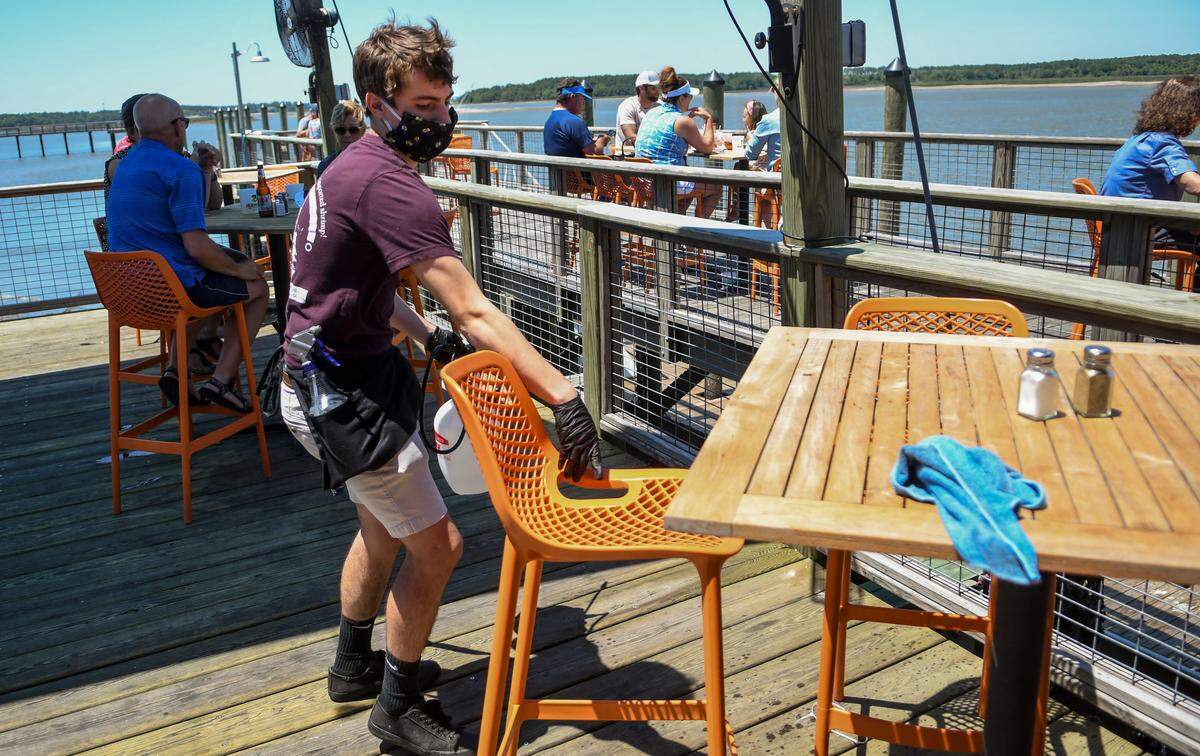
Q: Do you get takeout or eat in-person at restaurants? Outside or inside?
Harmon: In a high-transmission environment like we are in right now, I order takeout or try to eat outside. This week, I’ve ordered takeout twice already.
Rennert: Prior to omicron, and as delta was (receding), I would eat in-person. Now, I strictly do takeout. Once omicron recedes in late January/early February, I will continue eating in-person.
Schmidt: Takeout.
Q: Do you let anyone but your family inside your home?
Harmon: Yes — if the individual has a reason to be there. For example, if I needed an appliance repairman or a plumber, I’d certainly let that person in my home. Of course, visitors need to wear a mask when coming inside. I actually have a box of surgical masks right by the door.
Rennert: Yes, friends who are fully vaccinated.
Schmidt: No.
Q: Would you go to a bar or a club?
Harmon: No. Bars and clubs — smaller, usually less well ventilated venues — are particularly risky right now. Because so much time in bars and clubs is spent in close proximity to others, often maskless while drinking and eating, I’d err on the side of outdoor venues for the time being.
Rennert: Not at this point in time.
Schmidt: No.
Q: Would you go to an outdoor sports event?
Harmon: Yes. I went to a football game during bowl season. I wore a mask when I was indoors. There’s not a lot of evidence that you are going to see spread outdoors. And I’m vaccinated and boosted.
Rennert: Yes. If I am going to be in close contact with others, I will wear my mask.
Schmidt: No.
Q: Would you go on a flight?
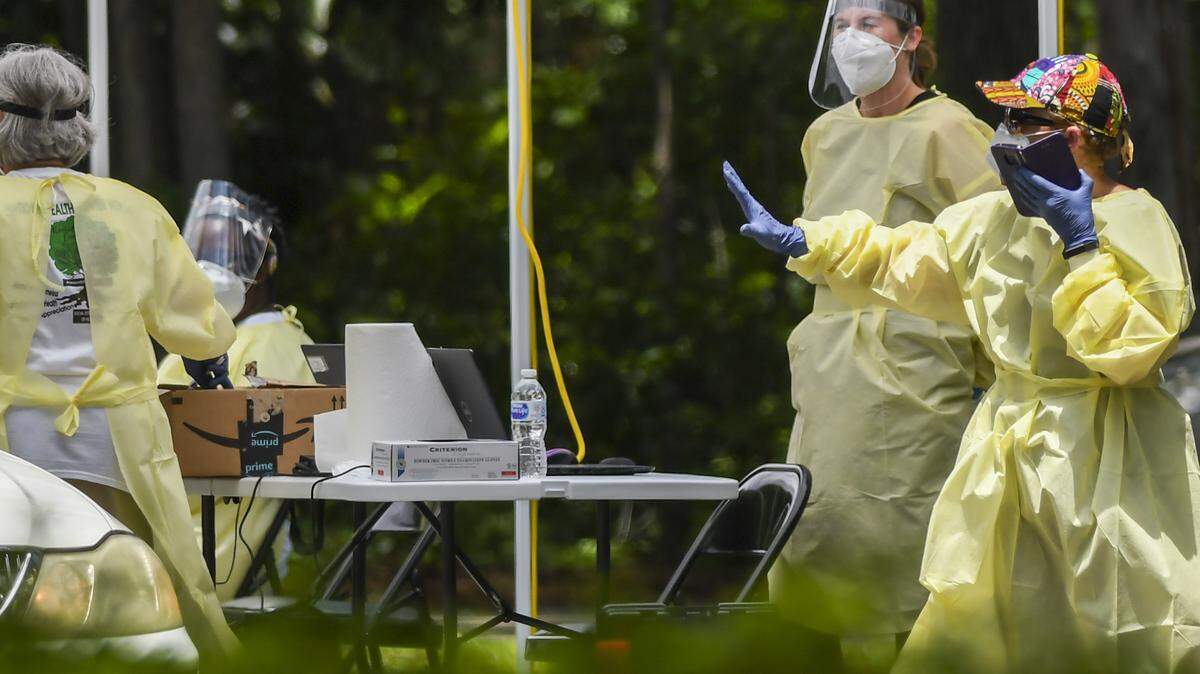
Harmon: Yes. I flew for business a couple of weeks ago. I put on my mask when I got out of my vehicle as I approached the terminal. I wore it the entire time I was in the terminal and when I was on the airplane. The only time I removed it — I took one ear loop down — was to take a sip of coffee, and then I put it back in place. And I wore a surgical mask, not a cloth mask.
Rennert: Yes. I am fully vaccinated and boosted. With an N95 or KN95 mask, I am at low risk of contracting COVID-19 given airports and airlines require masks.
Schmidt: Yes, airplanes have great filters, unfortunately passengers are not behaving ... so it’s KN95 the whole time.
Q: Are you avoiding any particular activities due to omicron?
Harmon: I’m continuing to take appropriate precautions — wearing a surgical mask and practicing social distancing — while also trying to maintain a sense of normalcy. Some activities are being canceled because of the current surge. I’ve had four out-of-state meetings canceled in the last 10 days.
Rennert: Yes. I am avoiding large in-person gatherings that are indoors at this point.
Schmidt: Yes, large gatherings with the “unsafe” ... folks who are failing in helping us end this pandemic.
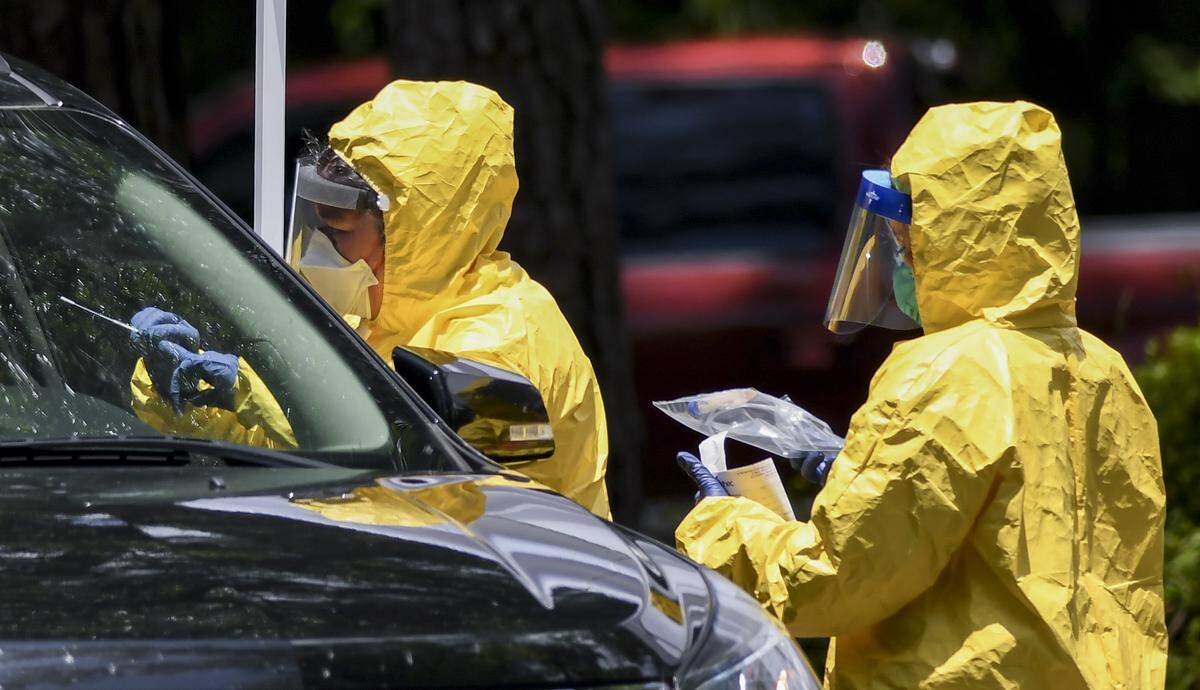
Q: Do you get tested for COVID-19 regularly? How often?
Harmon: I haven’t been in a situation where regular testing is needed. As I mentioned earlier, I’m fully vaccinated and boosted, and I wear appropriate personal protective equipment.
Rennert: Yes. I get tested every week.
Schmidt: No, I have not needed to. Only once since (being) vaccinated.
Q: What kinds of tests do you prefer?
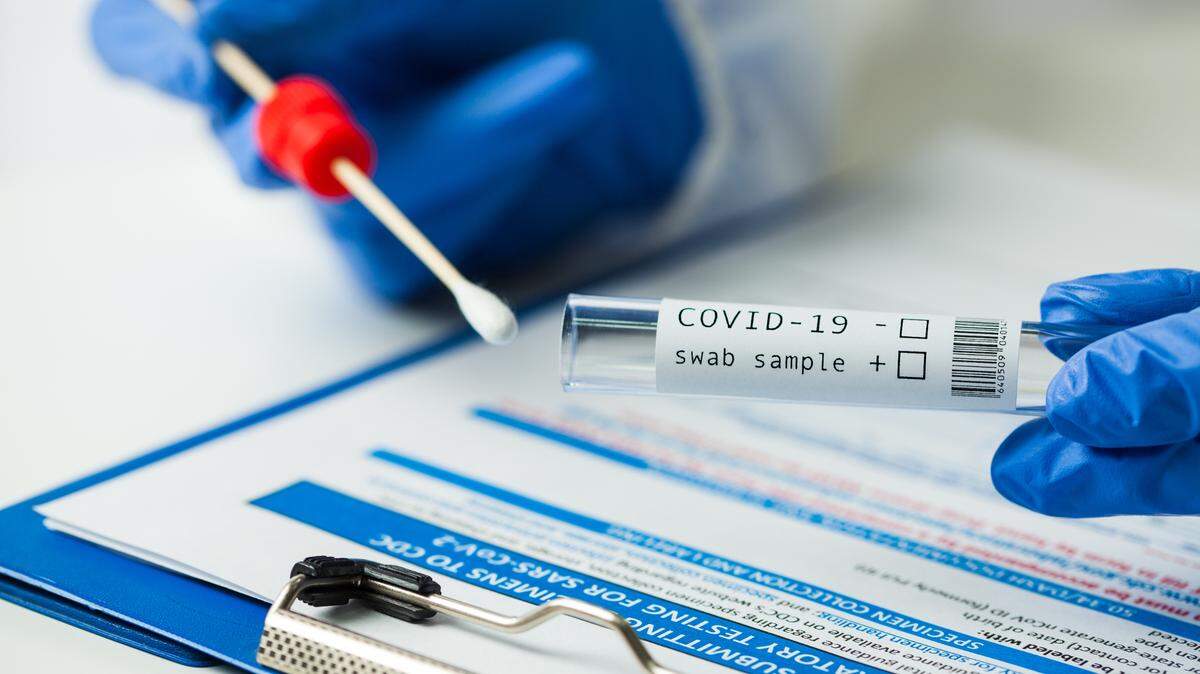
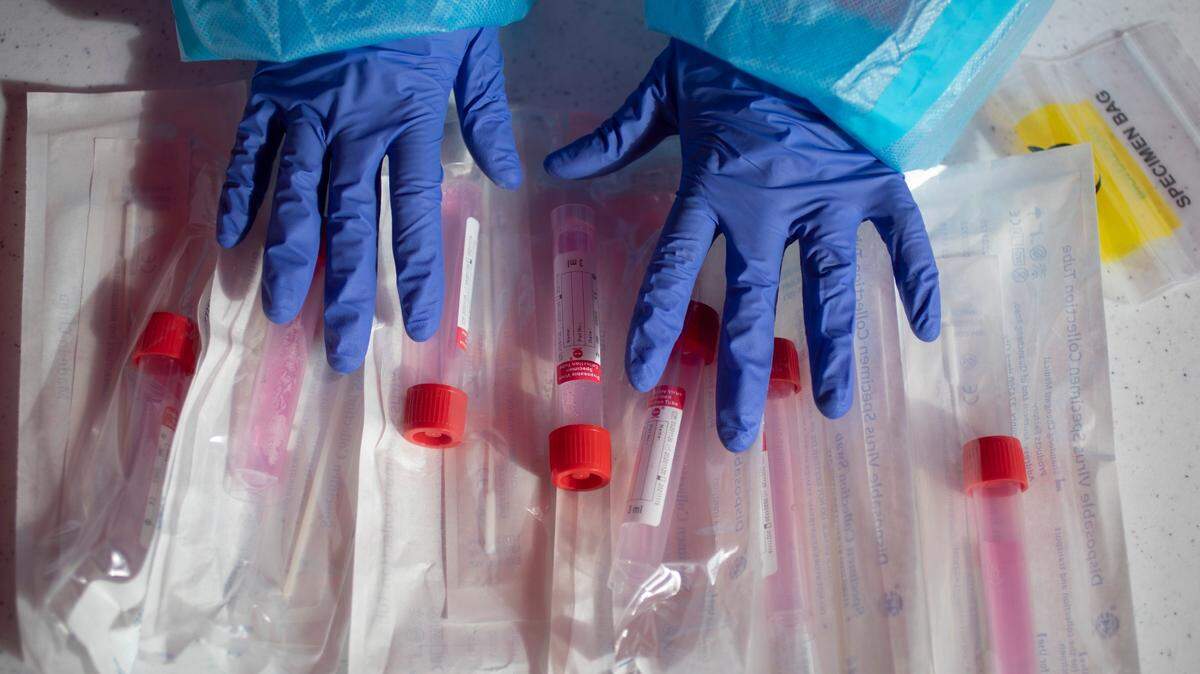
Harmon: There’s the rapid antigen test, which is what we see in at-home testing and in the clinical environment. It swabs the mucous membranes at the front part of the nose. The antigen test is best utilized when you have symptoms because it’s much more accurate in a symptomatic individual. The other type of test is a PCR (polymerase chain reaction) test. A PCR test must be sent to a lab, so you can’t do this type at home. A PCR test is certainly more sensitive and is a bit more reliable.
Rennert: PCR tests have the highest accuracy. However, they do have longer turnaround times. In this case, I would recommend looking for an at-home test.
Schmidt: Rapid antigen.
Q: What do you want people to know about the omicron variant and South Carolina’s epidemic curve?
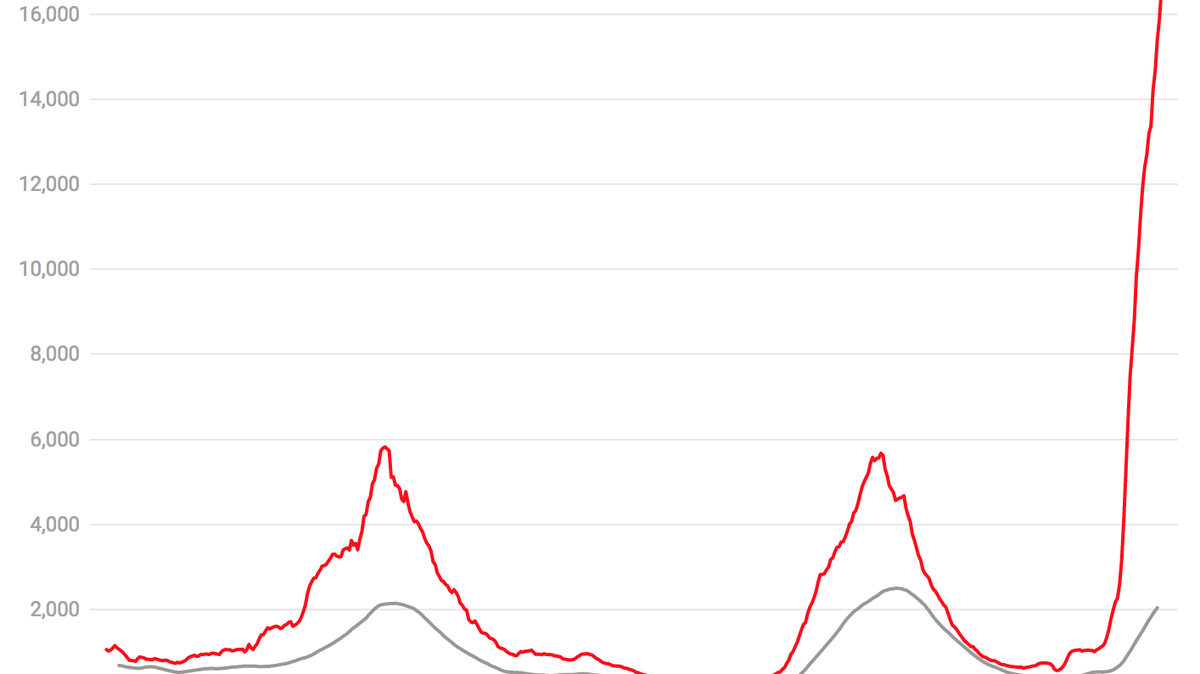
Harmon: Right now, the omicron variant is the predominant one in our region, state and nation. But there’s still some delta out there. Omicron is more transmissible. (South Carolina on Saturday reported a record-breaking single-day high of 16,630 newly confirmed and probable COVID-19 cases.) It seems to be less serious and more attracted to the upper mucous membranes. It doesn’t get into the lungs as much, so you don’t see pneumonia, respiratory failure or shortness of breath as frequently. The best thing to do is to continue avoiding the virus. Wear your mask and continue to practice social distancing. And the most important thing to do is get vaccinated and boosted. The vaccines are effective and critically important.

Rennert: We will see a record number of cases this month. I strongly recommend getting vaccinated with an mRNA vaccine (Pfizer-BioNTech or Moderna), and if eligible, getting the booster dose.
Schmidt: We are spreading the virus ... wear your mask, get vaccinated.
Q: Do you have any predictions about the trajectory of the current surge?
Harmon: With this surge and the omicron variant, we’re seeing more people get vaccinated. That’s a good thing. This uptake in vaccines, coupled with natural immunity in those who recover from the virus, keeps moving us closer to herd immunity.
Rennert: Omicron will quickly burn through the population in South Carolina. I expect cases to begin decreasing by mid- to late January and reach pre-omicron levels at some point in February.
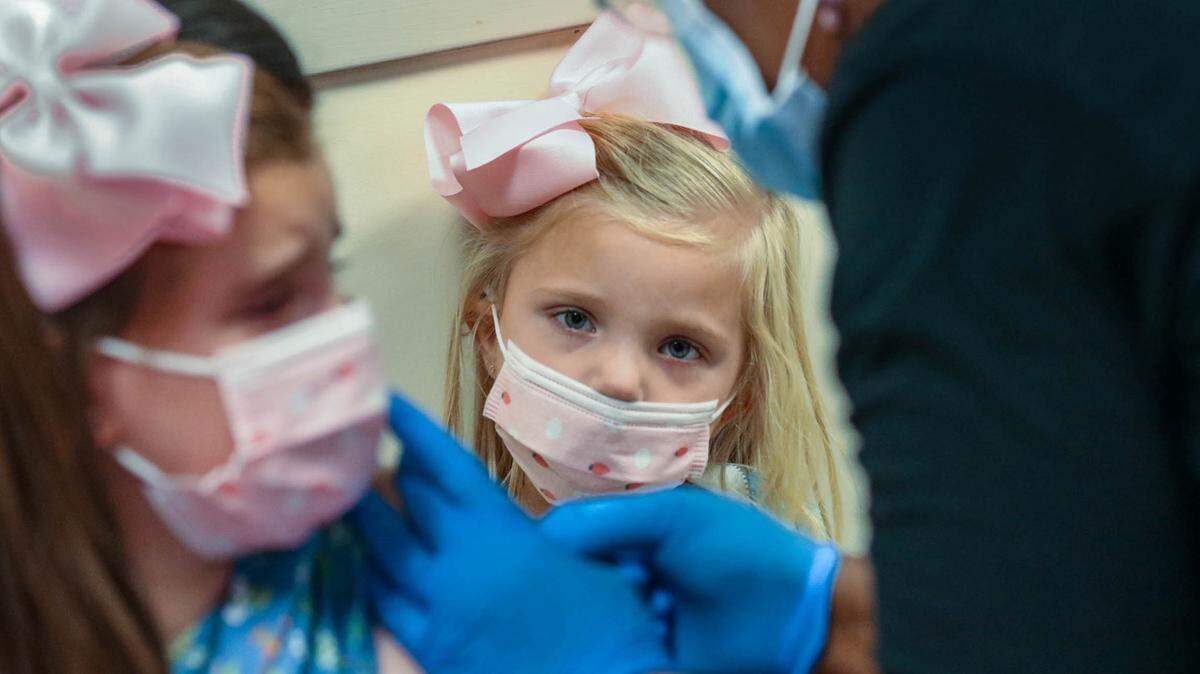
Schmidt: Up and fast ... kids are going to be the ones who will become seriously sick, since they have not been vaccinated. South Carolina needs more antigen testing for schools. (Vaccines are not yet available for children four or younger. Since the pandemic began, there have been 379 COVID-19 hospitalizations recorded among kids 10 or younger in the Palmetto State, according to the S.C. Department of Health and Environmental Control.)
Note: Data in this story are current as of noon Thursday. The responses have been edited for clarity, length and style. Additional context for some of the responses has been added in parentheses.
This story was originally published January 14, 2022 at 4:30 AM.