COVID-19 booster shots roll out in Beaufort Co. Where can you get one? Who is eligible?
Thousands of residents in Beaufort and Jasper counties are now eligible for booster doses of Pfizer-BioNTech’s coronavirus vaccine as the battle against COVID-19 takes another dramatic turn.
The rollout of boosters has been plagued by confusion among scientists and federal regulators who have disagreed over who needs a third dose and when.
But after weeks of debate, Dr. Rochelle Walensky, director of the Centers for Disease Control and Prevention, released the agency’s recommendations at about 1 a.m. Friday on who should get a Pfizer booster.
Here’s what we know — and what we don’t — as health care providers in Beaufort and Jasper counties gear up for another phase of South Carolina’s vaccination campaign.
Who’s eligible?
The S.C. Department of Health and Environmental Control, as of Friday morning, had endorsed the CDC’s recommendations.
Here’s what the CDC had said:
People who are 65 or older and residents in long-term care settings like nursing homes or assisted living facilities should get a third Pfizer dose at least six months after finishing their original two-dose regimen of the company’s vaccine.
Residents aged 50 to 64 with underlying medical conditions also should get a booster at least six months after completing their initial Pfizer vaccination series.
What underlying health conditions meet this criteria?
In a Friday statement, DHEC pointed reporters to a CDC web page that defines “underlying medical conditions” as these: cancer, cerebrovascular disease (a stroke), chronic kidney disease (any stage), chronic lung diseases, dementia or other neurological conditions, diabetes (Type 1 and Type 2), Down syndrome, heart disease (heart failure, coronary artery disease, cardiomyopathies and possibly hypertension), HIV, an “immunocompromised state,” liver disease, obesity, pregnancy, sickle cell disease, a solid organ or blood stem cell transplant and substance abuse disorders. Current and former cigarette smokers also have a higher risk of becoming severely ill due to COVID-19, according to federal health officials.
The CDC, meanwhile, on Friday added that people aged 18 to 49 with underlying medical conditions, based on their individual “benefits and risks,” may get a Pfizer booster.
The federal government also said that residents 18- to 64-years-old who are at increased risk for COVID-19 exposure and transmission because of an occupational or institutional setting may get a third dose of Pfizer’s vaccine.
This fourth recommendation is extremely wide-ranging and is open to interpretation, but it’s generally understood that the CDC issued this guidance so health care workers could get a booster.
Public health officials have essentially given residents the ability to self-attest to their eligibility for boosters.
During Phase 1b of DHEC’s vaccine rollout this past spring, the agency issued a similar recommendation for essential workers like teachers and prison guards.
DHEC at the time expanded vaccine eligibility to all workers who had in-person jobs and had an increased risk of exposure to COVID-19 due to their frequent “close” and “ongoing” contact with others.
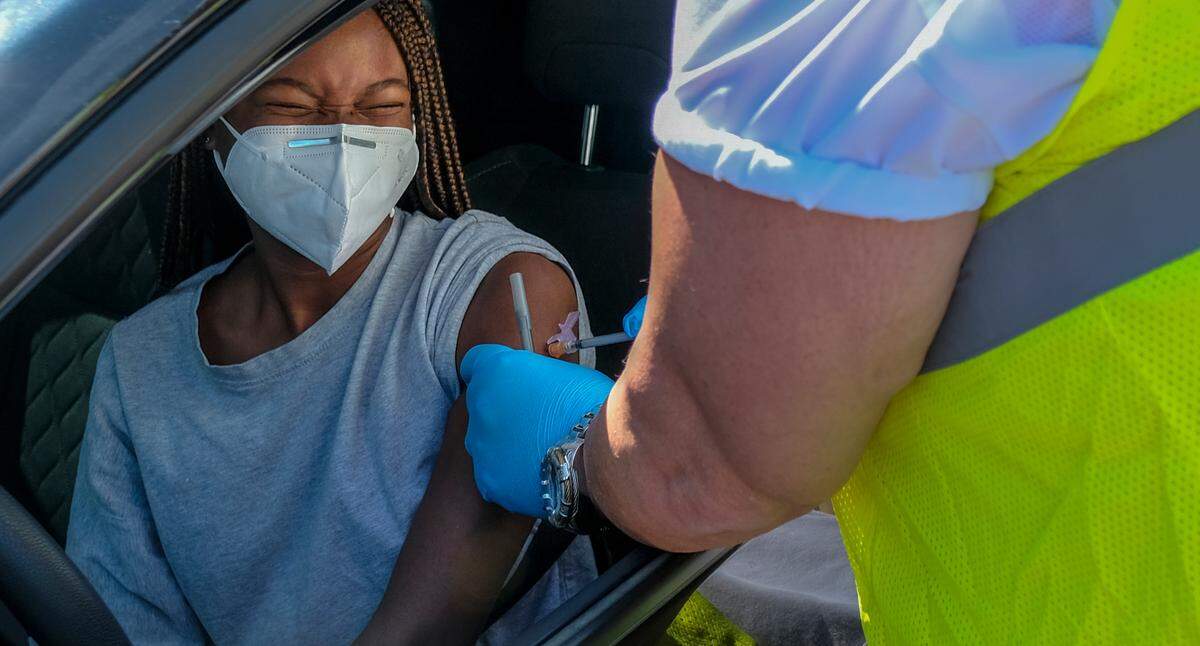
Can you “mix and match” vaccines?
No. This has vexed public health experts.
The U.S. Food and Drug Administration has authorized the Pfizer booster shots only for people who previously received the company’s vaccine.
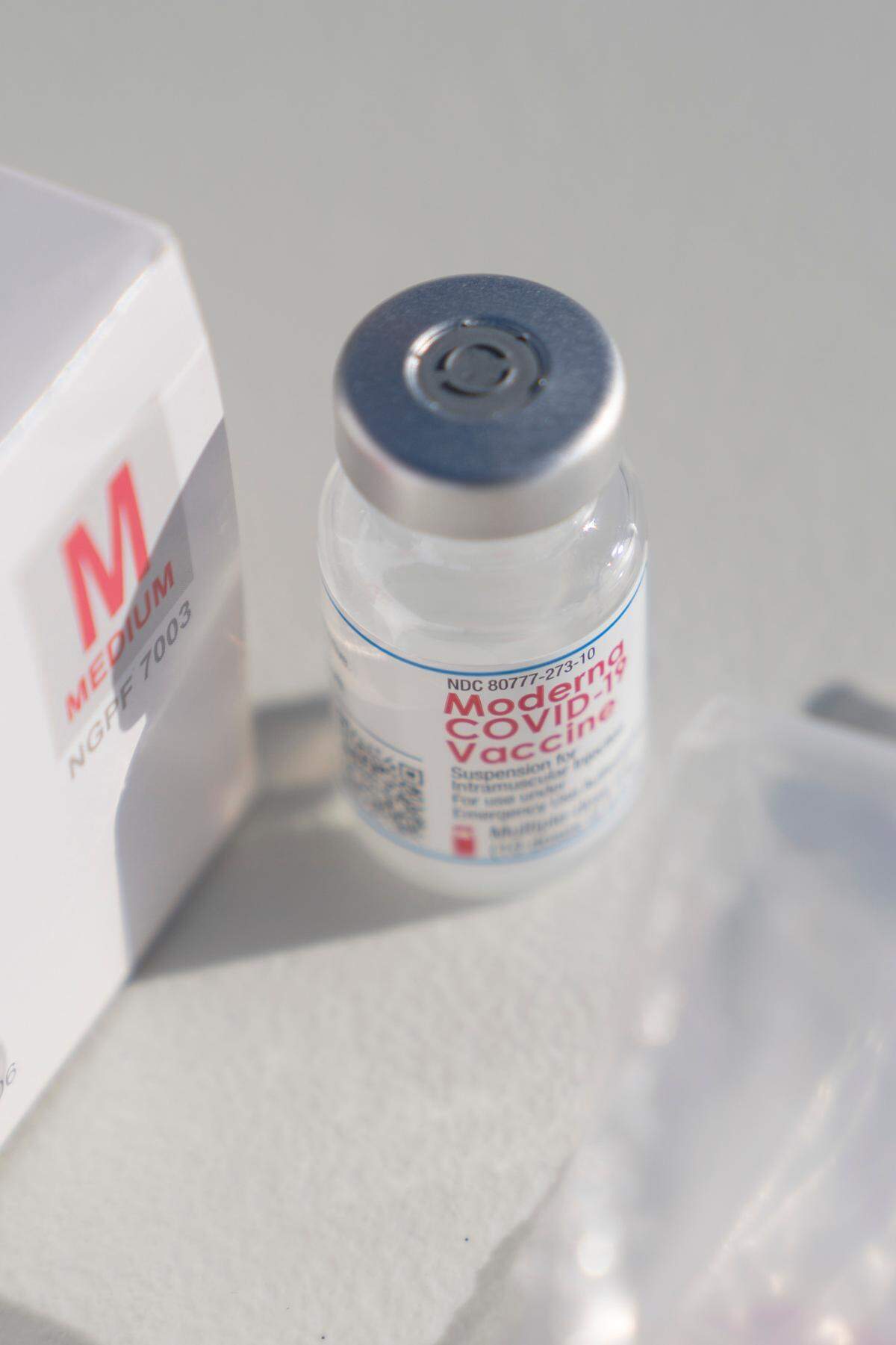
In other words, if you got the two-dose Moderna vaccine, you should not get a Pfizer booster, federal regulators say.
What have local providers said about boosters?
Courtney McDermott, a spokeswoman for Beaufort Memorial Hospital, in a Friday statement confirmed that the medical center is offering Pfizer doses to anyone who falls under the current federal eligibility guidelines.
Appointments are required, McDermott wrote, and can be made online: https://bit.ly/BMHVaccines
For appointments, residents should bring a copy of the hospital’s consent and pre-vaccination questionnaire, a face mask, a copy of the front and back of their photo ID (or the ID itself), a copy of their primary insurance card (or the card itself) and their vaccine card (if they are getting a second or third dose).
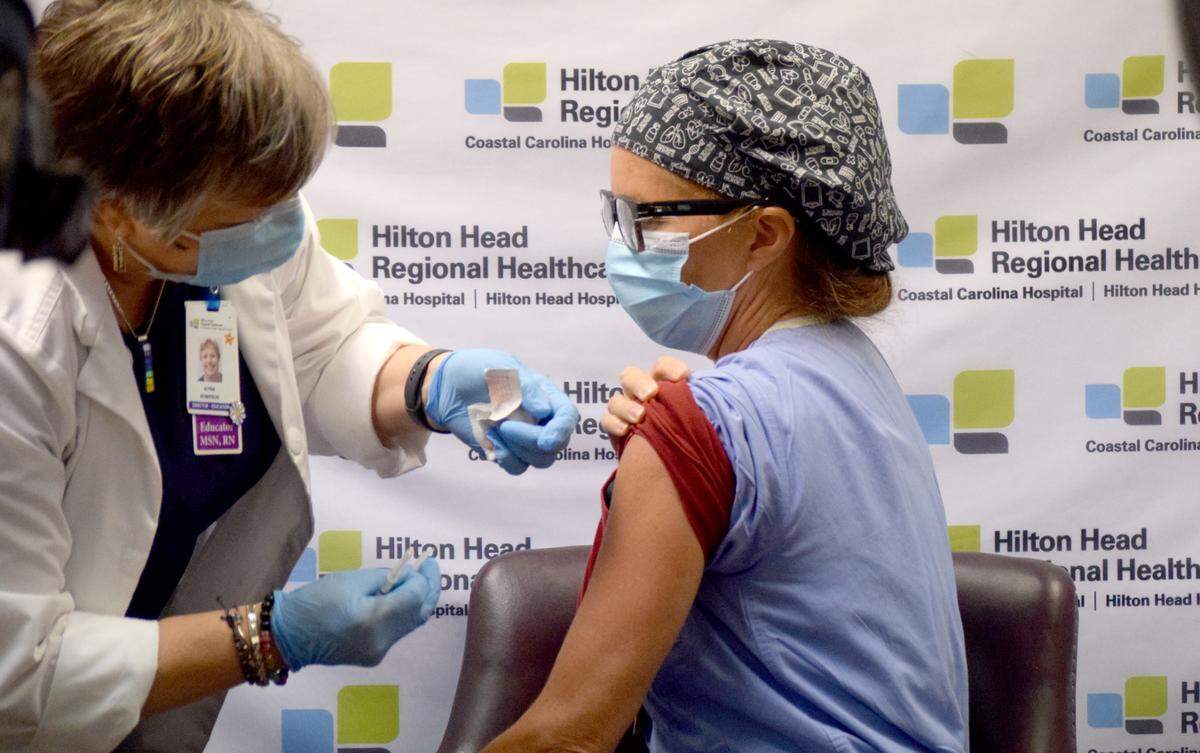
It appears that Hilton Head Regional Healthcare, meanwhile, will not be offering boosters to the public.
A notice on the health care system’s website, as of early Friday, stated that Hilton Head and Coastal Carolina hospitals are not offering third doses to residents.
Daisy Burroughs, a spokeswoman for the hospitals, in a Friday statement confirmed that the health care system is only providing boosters to its staff members.
Meanwhile, pharmacies and other national chains like Kroger and Walgreens have already updated their online vaccine scheduling systems to ask people if they want a booster shot. CVS has also, but says that it’s only providing third doses to residents with weakened immune systems.
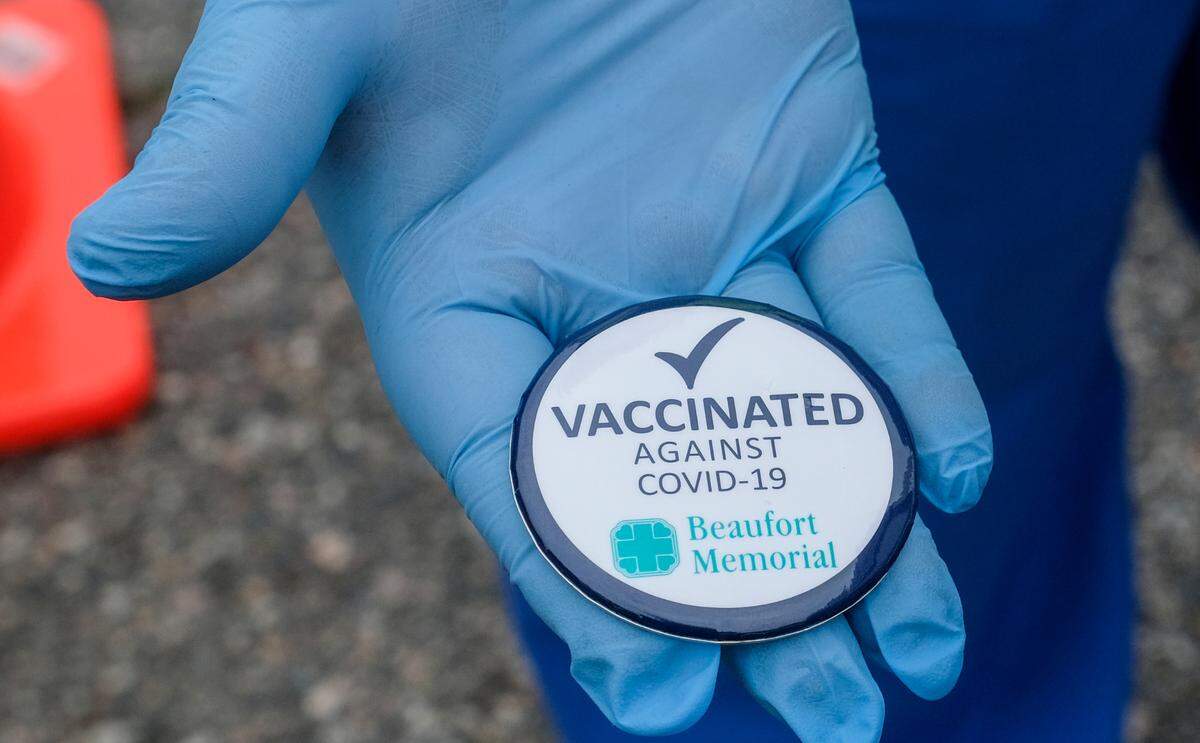
Do people have to return to their original vaccination site?
No, according to DHEC.
McDermott, the hospital spokeswoman, noted that if someone completed their initial Pfizer regimen at Hilton Head Hospital, for example, they could receive their booster at Beaufort Memorial Hospital.
How can you find Pfizer doses?
You can use DHEC’s online vaccine locator tool to identify providers in Beaufort and Jasper counties that have Pfizer doses available: https://bit.ly/VaxLocator
Residents also can call the agency’s vaccine information phone line at: (866) 365-8110.
What about Moderna and Johnson & Johnson boosters?
Walensky, of the CDC, in a Friday statement wrote that federal officials will review data on Moderna and J&J boosters “in the coming weeks to swiftly make additional recommendations.”
DHEC does not publish county-level data on how many people have received a certain brand of a COVID-19 vaccine, so it’s unclear how many seniors in Beaufort and Jasper counties, for example, must wait to get a booster because they previously got two Moderna shots.
What’s the debate over boosters?
The World Health Organization has been urging wealthy nations like the United States to not administer booster doses this fall while many poorer countries around the world continue to face a shortage of first and second shots.
But given the ongoing spread of the super-contagious delta variant, and the growing risk of “breakthrough infections” among fully inoculated people, the Biden administration in mid-August pushed forward a plan for a booster campaign.
What’s the local vaccination rate?
Roughly 49.4% of Beaufort County residents have been fully vaccinated, according to DHEC and U.S. Census Bureau data. And about 37.3% of Jasper County residents have completed inoculation, data show.
In comparison, about 43% of South Carolinians have been fully vaccinated.
Do you have any other questions?
Email COVID-19 reporter Sam Ogozalek at sogozalek@islandpacket.com or call him at (843) 900-6372 if you have additional questions about the rollout of booster shots.
Note: Data in this story are current as of Friday afternoon.
This story was originally published September 24, 2021 at 2:56 PM.