Eligible to get a COVID-19 vaccine during Phase 1b? Here’s what to know in Beaufort Co.
Thousands of residents in Beaufort and Jasper counties will become eligible for COVID-19 vaccines on Monday, as the state launches Phase 1b of distribution.
The latest phase includes a confusing jumble of professions, those 55 to 64 years old and younger people who have certain underlying medical conditions.
Here’s everything you need to know about Phase 1b:
Who can get vaccinated?
Phase 1b includes the following people, according to the S.C. Department of Health and Environmental Control:
Residents aged 55 to 64. People 65 or older already qualify.
Frontline essential workers who have “increased occupational risk.” DHEC defines these workers as people who must work in-person to do their jobs and have an increased risk of exposure to COVID-19 due to their frequent “close” and “ongoing” contact with others. Nick Davidson, DHEC’s senior deputy for public health, on Friday said Phase 1b “is not based on job categories, it’s based on risk.” DHEC, in other words, provides some examples of Phase 1b workers, but there’s no complete list of those who fall under this category. The state has said teachers, school staff, day care workers, grocery store employees and manufacturing workers, among others, are in Phase 1b.
People 16 to 54 years old with one or more of the following medical conditions: cancer (current, not a history of cancer), chronic kidney disease (any stage), chronic lung disease, diabetes (Type 1 and Type 2), Down syndrome, heart disease (congestive heart disease, coronary artery disease, cardiomyopathy and pulmonary hypertension), HIV/AIDS, a solid organ transplant, obesity and sickle cell disease. More underlying conditions might be added to this list in the future, according to DHEC.
Those with developmental or other severe high-risk disabilities that make it more likely they will contract the coronavirus. Dr. Jane Kelly, assistant state epidemiologist, told reporters Friday that it’s not possible to provide a full list of the disabilities that may fall under this category. “Some of these disabilities represent really rare congenital conditions, for example,” Kelly said. Not all disabilities, she added, “confer increased risk for severe disease.” Kelly cited blindness as an example.
Anyone who is pregnant.
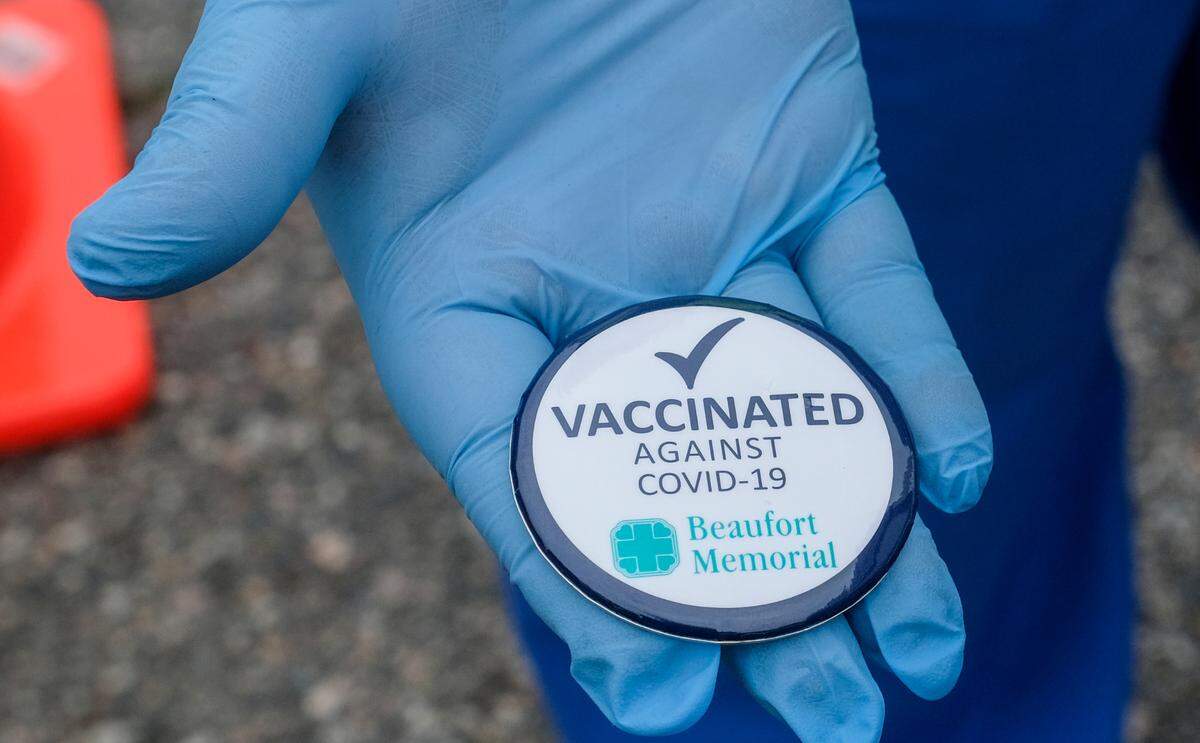
How long will I have to wait to get vaccinated?
It could take weeks for Phase 1b members to get inoculated. Area vaccine providers are still using appointment systems to book shots.
There are no free-for-all, mass vaccinations clinics locally (at least for now). And there are no federal vaccine events scheduled.
Frank Rodriguez, superintendent of the Beaufort County School District, previously said he intends to partner with Beaufort Memorial Hospital to host a large-scale vaccination event for teachers on a Saturday. No details have been released about that idea.
Other Phase 1b-eligible residents, though, will have to hunt for openings at pharmacies and hospitals.
DHEC recently issued guidance to providers encouraging them to vaccinate Phase 1a members who are still waiting for shots before moving onto Phase 1b appointments.
Beaufort Memorial Hospital already had roughly 10,000 people on its wait list as of Wednesday, according to spokesperson Courtney McDermott.
Hilton Head Regional Healthcare, which includes Hilton Head and Coastal Carolina hospitals, as of Friday had about 10,000 appointments scheduled between March and April, spokesperson Daisy Burroughs said.
Those three hospitals are the biggest vaccinators in the area, though pharmacies at CVS, Sam’s Club, Walgreens and Walmart, among other locations, also offer Moderna doses, and some people have better luck snagging appointments at those chains.
Even though more than 41,100 single-dose Johnson & Johnson vaccines were expected to arrive in the state Friday and Saturday, according to Gov. Henry McMaster and health officials, supply is still limited and weekly shipments are unpredictable. DHEC plans to send the J&J doses to independent pharmacies in more rural areas. And the company likely won’t ship a significant number of additional doses until the end of March.
Beaufort Memorial Hospital, for example, received 2,340 first Pfizer-BioNTech doses early last week. The medical center got only 738 first doses the week before that, according to DHEC data. Pfizer uses a recommended two-dose regimen.
“We’ve heard reports here and there around the state, not everywhere, that vaccine appointments have not been filling,” said Davidson, of DHEC, during a briefing with reporters Wednesday. “That doesn’t mean it’s perfect timing for everyone.”
The state recently started to receive about 100,000 first doses per week, Davidson said.
About 3 million people will be eligible for inoculations on Monday, including those already in Phase 1a. Roughly 705,000 residents statewide had received at least one dose as of Friday afternoon, according to DHEC.
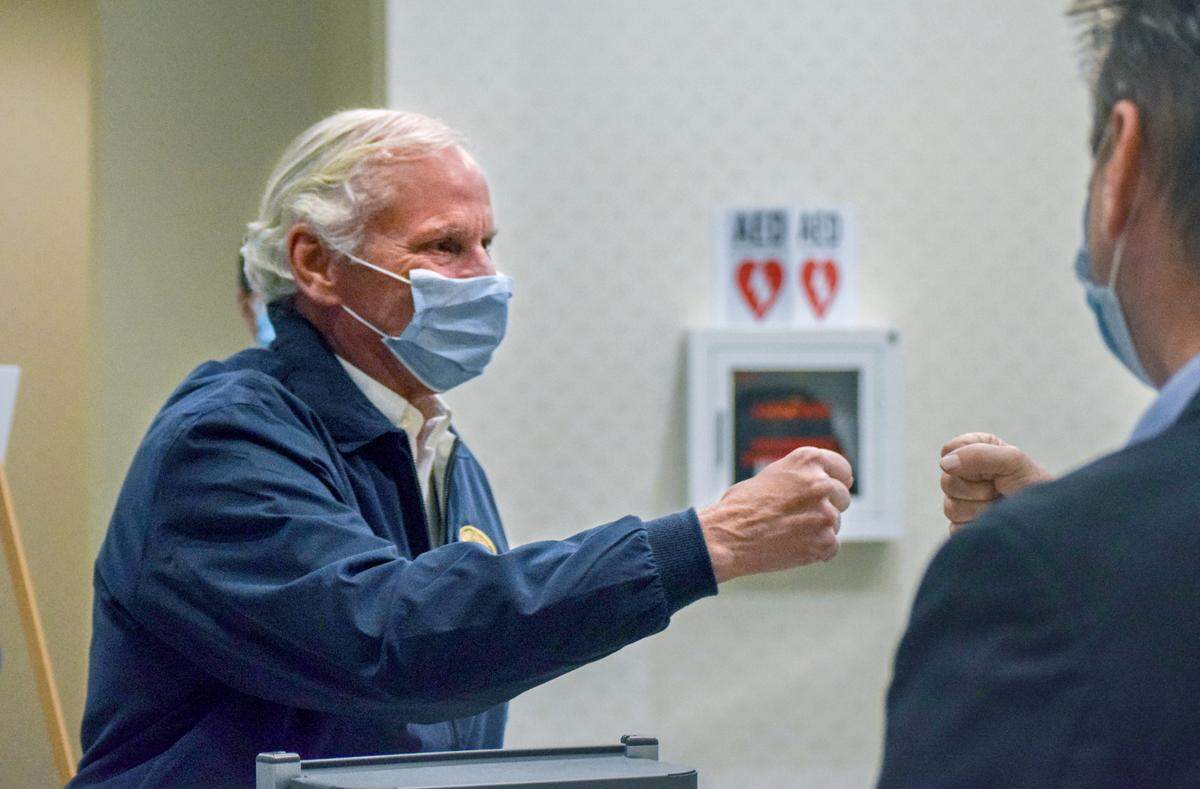
Did teachers become eligible before other Phase 1b members?
Yes. The U.S. Department of Health and Human Services on Tuesday issued a directive ordering vaccine providers to open eligibility to employees at pre-primary, primary and secondary schools, as well as workers at licensed child care providers and at Head Start and Early Head Start programs.
DHEC issued guidance on Thursday asking providers not to cancel existing Phase 1a appointments to immediately make room for those covered under HHS’ directive.
How do I find local vaccine providers?
You can look at DHEC’s online vaccine locator tool to find providers that are accepting appointments: https://vaxlocator.dhec.sc.gov/
You can’t register for appointments, though, via that tool. DHEC’s web page provides only contact information for individual providers.
DHEC-run vaccine clinics are listed in a separate state registration portal through which you can sign up directly for any available appointments: https://cvas.dhec.sc.gov/health/covidvaccinescheduling
Residents can also contact the state’s vaccine call center at 1-866-365-8110 if they need assistance with sign-up issues or don’t have access to the internet.
Do I need to bring any paperwork to appointments?
Providers will probably tell you if an ID is needed for your appointment.
Phase 1b members, though, won’t need to bring medical records to a vaccinator to prove they have an underlying health condition, Davidson said. And frontline workers won’t need to provide documentation of their employment.
“We’re asking people to be honest about what phase they’re in,” Davidson said.
There’s no permanent residency requirement to get inoculated in South Carolina.
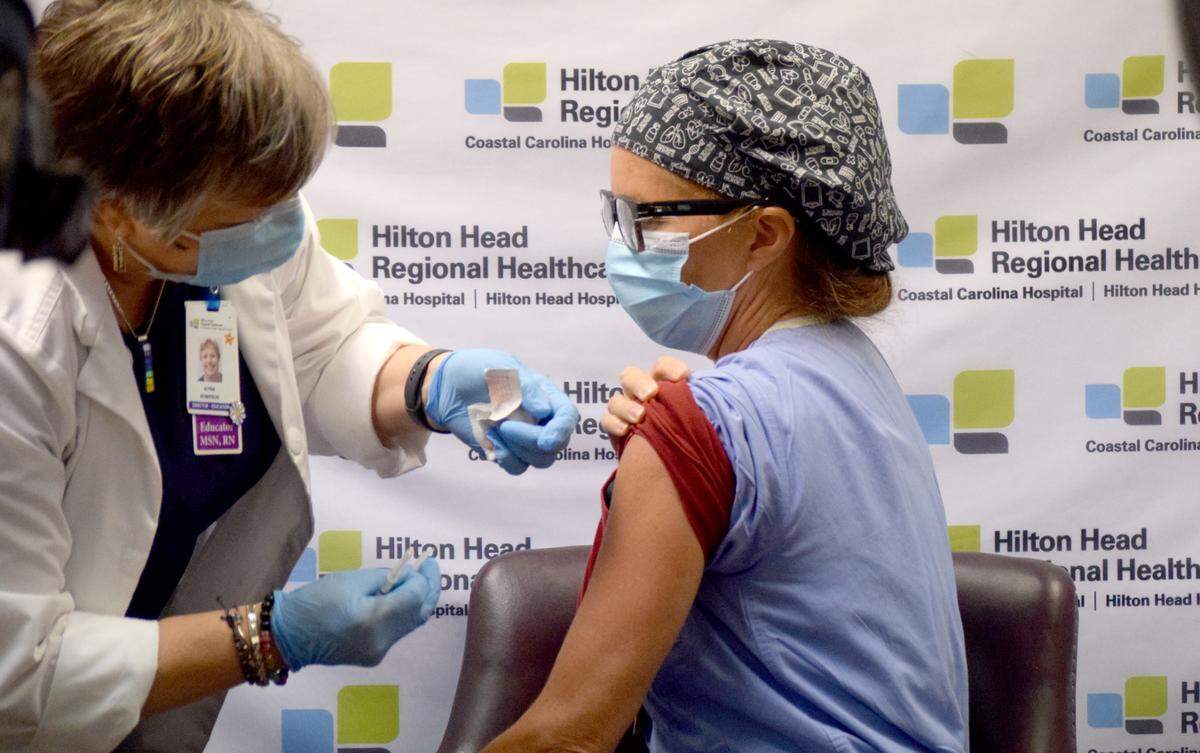
What is VAMS?
The Vaccine Administration Management System, or VAMS, is a federal vaccine registration system that some providers use.
Hilton Head Regional Healthcare, for example, uses VAMS. Beaufort Memorial Hospital has suspended appointment scheduling via VAMS. You can directly add your name to BMH’s wait list here: https://www.bmhsc.org/services/immediate-care-options/covid-19-info-resources/vaccine-information/
Pharmacies, meanwhile, typically use their own in-house registration portals.
For Hilton Head Regional Healthcare, here’s how VAMS scheduling works:
People will have to submit some general information to the health care system, including their date of birth and email address, via a web form. The hospitals will then upload that into VAMS. The Centers for Disease Control and Prevention will eventually send residents an email with a link to access VAMS. That CDC email is typically sent within 24 to 48 hours. VAMS will display appointment options.
VAMS proved to be a frustrating, confusing program for many seniors during Phase 1a. Hospitals, state health officials and residents have largely panned it. South Carolina opted to use VAMS as part of its vaccine rollout after the CDC developed it.
How many people have been vaccinated in Beaufort and Jasper counties so far?
Just over 33,900 Beaufort County residents as of Friday had received at least one dose, DHEC data show. Only 1,819 Jasper County residents had gotten at least one dose.
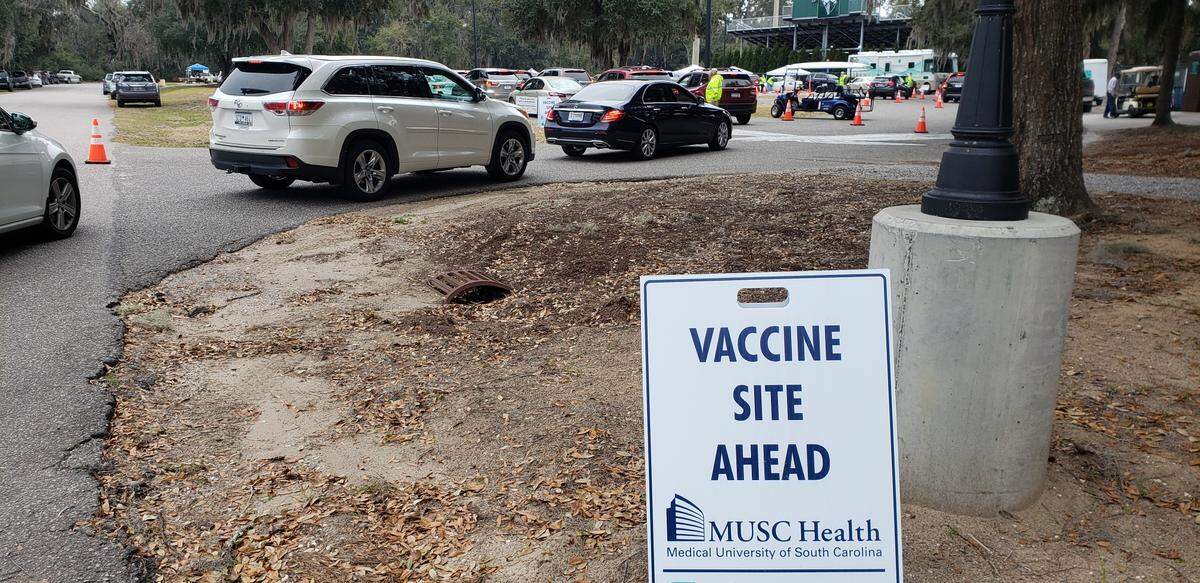
This story was originally published March 8, 2021 at 4:35 AM.