A ‘never-ending hurricane’: Beaufort Memorial Hospital leaders on coronavirus prep
While Hurricane Matthew ripped through the Lowcountry in 2016, Beaufort Memorial CEO Russell Baxley evacuated patients and slept alongside emergency providers in the hospital he had been hired to run weeks earlier, according to then-hospital board member Terry Murray.
The coronavirus outbreak, which has already claimed two lives in Beaufort, has plunged the hospital into a new kind of crisis. When exactly the storm of patients will hit remains to be seen, the forecast changing day by day.
In New York City and New Jersey, it has already made landfall, filling intensive care units and forcing EMS into the unfamiliar position of fighting to keep new patients out of hospitals.
Beaufort Memorial and its staff are now in the midst of a “never-ending hurricane,” Baxley said in an interview on Thursday.
He said his employees, from housekeepers to respiratory therapists, are in “good spirits.” But the pandemic weighs on them.
“They’re anxious, they’re tired and stressed, as anyone would be in this situation,” he said. “We’re waiting, we’re waiting, and it just hasn’t seemed to come yet.”
Baxley and top hospital officials say they are ready. “There really is no playbook for this,” he said. “We find that preparations are never done.”
In an interview with the Island Packet and Beaufort Gazette, Baxley and Chief Medical Officer Dr. Kurt Gambla laid out where their hospital stands, what is left to do and how the community can lend a hand.
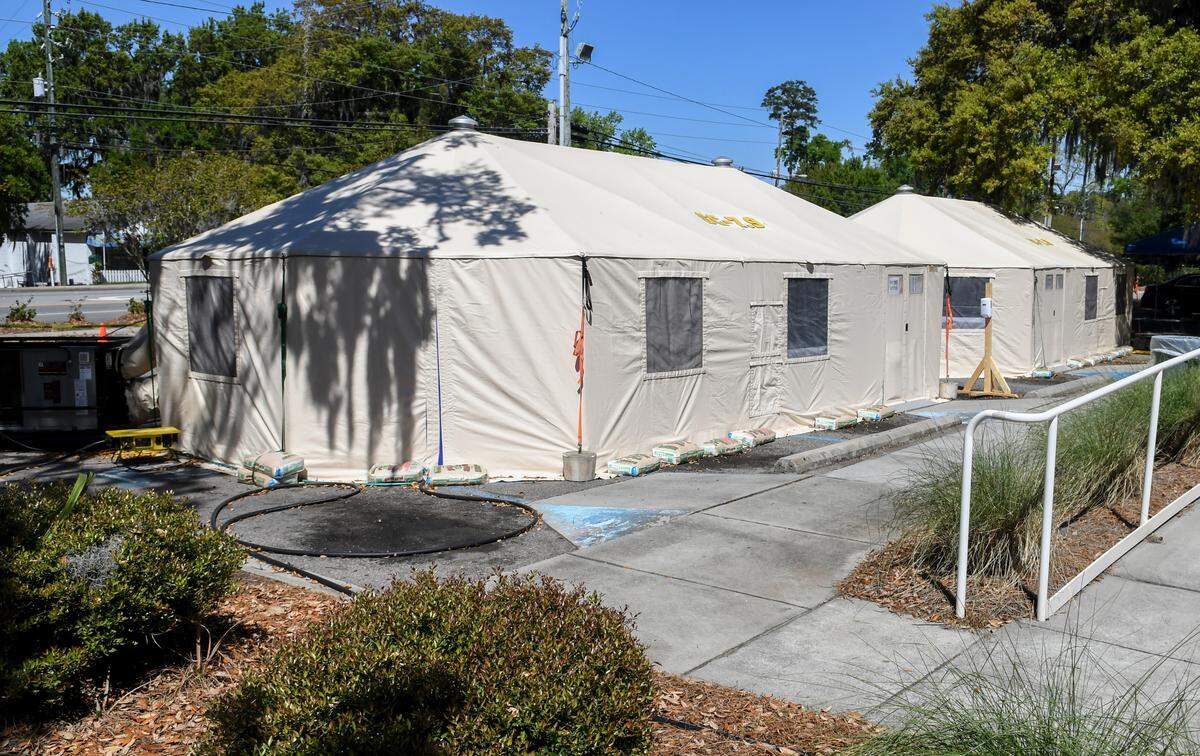
No ‘crystal ball’ for COVID-19 spread
As Beaufort County’s reported coronavirus cases reached 148 on Saturday and residents learned that two elderly patients had succumbed to the virus, Beaufort Memorial’s leaders said predicting exactly how quickly COVID-19 will spread remains difficult.
“I don’t think anyone has a crystal ball,” said Baxley, praising statewide modeling made available by the S.C. Department of Health and Environmental Control, which has tracked relatively closely with the number of reported cases.
That model predicts South Carolina will see over 2,600 cases by the end of next week and 8,000 by May.
Baxley said Beaufort Memorial is working with a medical consultant to refine local models for Beaufort County and determine when it might see a spike in patients. The forecasting takes into account how closely residents follow social distancing measures, the single most important factor in fighting the virus, Baxley said.
“They can run that model on March 31. And then run the model again on April 2, and that model will look very different just based on how many have tested positive or negative in the community,” he said.
Asked if closed beaches and businesses and restrictions on gatherings were making a quantifiable difference, Gambla said it was too early to see an impact on the hospital’s patient numbers.
“We think and hope it’s going to make a dent,” he said, urging community members to continue following restrictions.
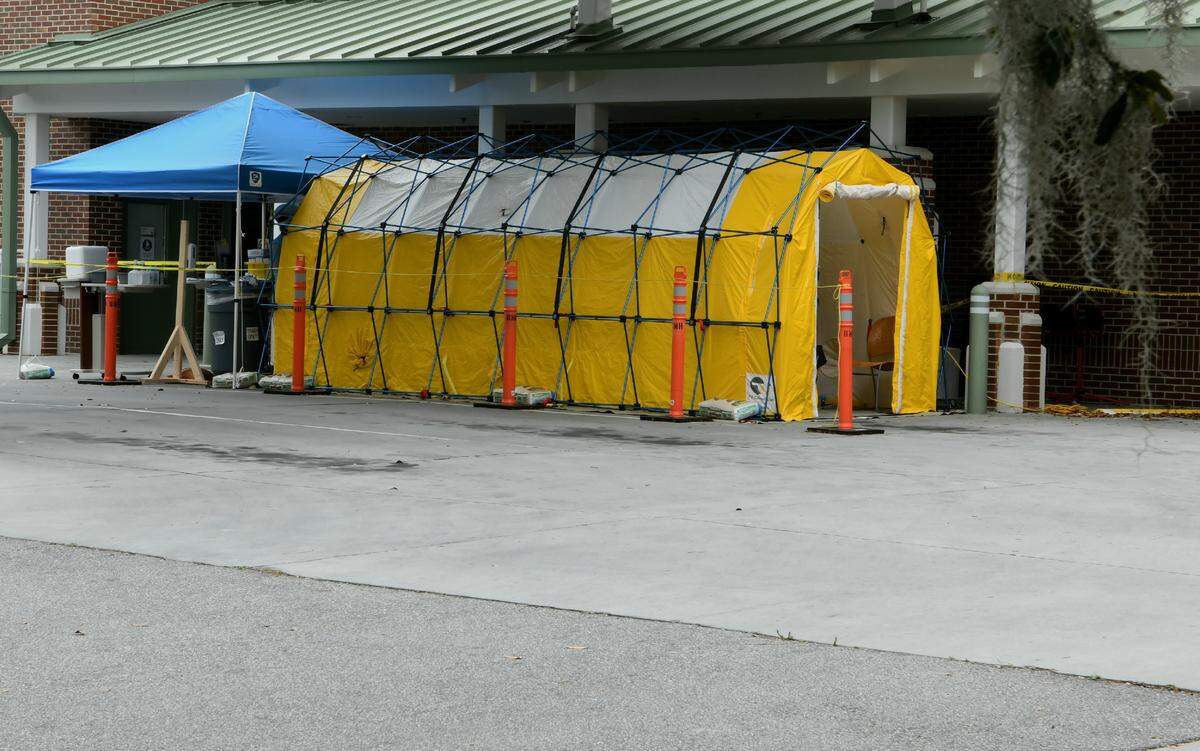
Emergency measures in place
The hospital is working daily with state health officials, the S.C. Hospital Association and local EMS to prepare for a surge in coronavirus cases. The hospital has an existing patient transfer agreement with the Medical University of South Carolina (MUSC), said Baxley.
“Should, say, Beaufort see a surge and other hospitals not, I think that they would be very willing to accept the patients,” said Baxley. Beaufort Memorial is also coordinating with smaller rural hospitals in Allendale and Hampton counties to accept their patients, if necessary.
A small hospital that experiences an outbreak of the virus among its staff could conceivably shut down in-patient care or temporarily close, said Kevin Bennett, a University of South Carolina School of Medicine professor who studies rural health care.
“I would be shocked if we don’t see that in this country somewhere,” he said in an interview on March 20.
Baxley says Beaufort Memorial is also prepared to treat patients if all hospitals in South Carolina are “on surge” and lacking bed space. The hospital is in talks with the Beaufort Naval Hospital and the S.C. National Guard to share resources in that case, Baxley said.
Hospital officials have already said they are prepared to re-purpose space and support up to 29 patients on ventilators.
In-house testing delayed as harder-hit areas prioritized
Two weeks ago, hospital officials thought they were on the brink of being able to test for COVID-19 in-house, cutting out the delay of having to send samples to the state lab or private facilities in other parts of the U.S.
Then, a supplier rerouted critical testing kits to harder-hit areas.
The reagent chemicals and testing kits necessary to screen for the virus on existing hospital equipment were sent to the “New Yorks and Washingtons of the world,” said Baxley.
Beaufort Memorial would have to wait more than two months for the supplies, officials learned.
Instead, the hospital found a vendor that would sell the hospital entirely new lab equipment. The order has been placed, said Baxley. Under a “best-case scenario” the in-house testing operation would be up and running by the end of April.
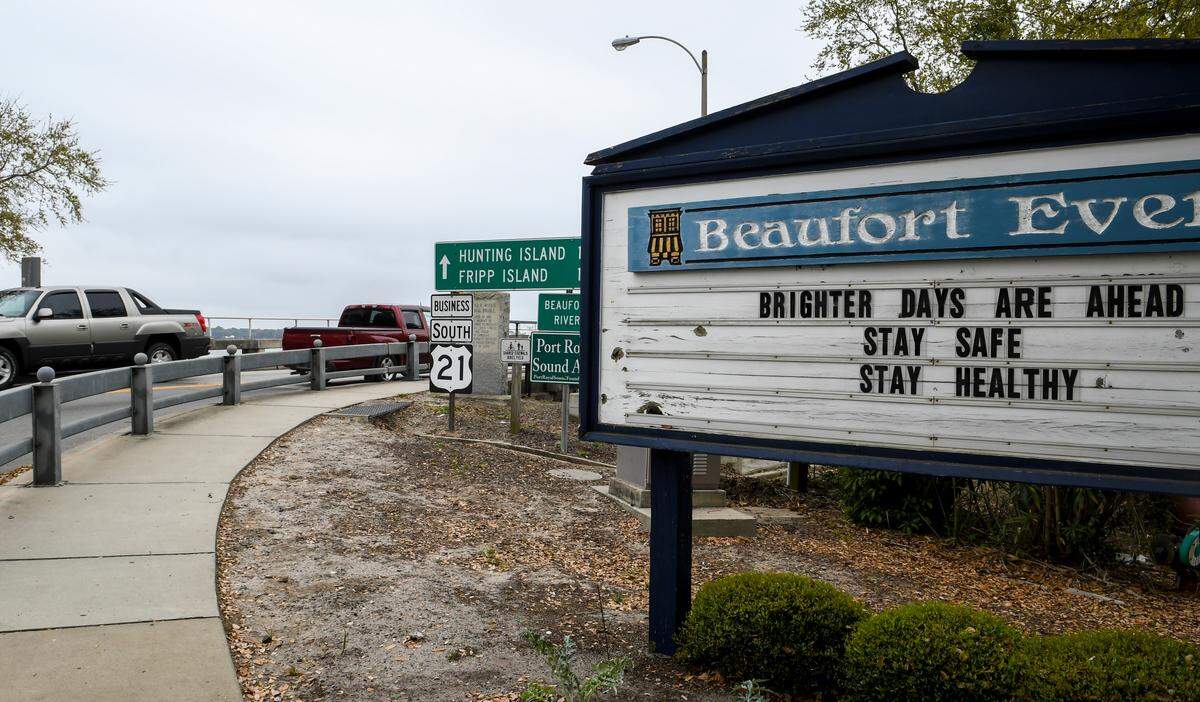
Meanwhile, Beaufort Memorial officials said last week that samples sent to a Quest Diagnostics lab in Virginia were taking up to eight days to yield results.
For EMS and frontline health workers, that can feel like an eternity. “It’s a big deal if they’re out for a long period of time, just because we’re waiting for a test to come back,” said Gambla.
Beaufort Memorial is also sending samples to DHEC’s lab, which cleared a backlog last week and is turning around tests in one to two days, said Gambla.
An in-house operation in Beaufort Memorial could be faster. MUSC in Charleston, which is conducting the majority of its testing in its own facilities, is able to process samples in 24 to 30 hours, said a spokesperson in an email.
As of Friday, Beaufort Memorial Hospital had collected samples for 534 tests, 54 of which yielded positive results and 370 of which came back negative, according to a spokesperson.
The hospital declined to release the number of COVID-19 patients it has admitted for in-patient treatment, citing the lack of context available for this isolated statistic and the public speculation it could generate.
Murray, chair of the hospital’s board when Baxley was hired, spoke highly of his actions during the outbreak, pointing to Beaufort Memorial’s initiative to start drive-thru testing before many major urban hospitals.
“We have great leadership here,” she said.
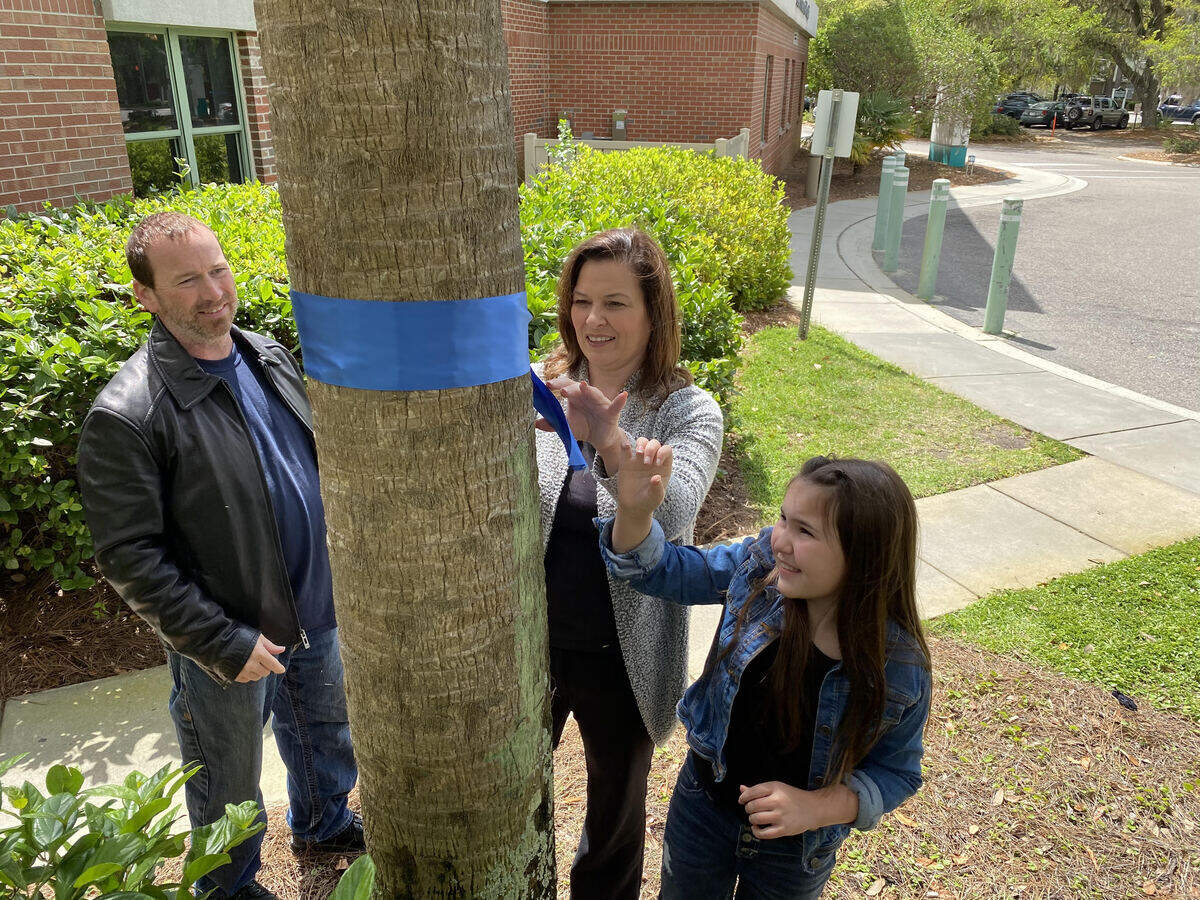
Community steps up with meals, masks and donations
Local restaurants and community members have donated over 1,000 meals to hospital staff since the outbreak began, said Baxley.
One hundred Chick-fil-A sandwiches, plus Papa John’s pizzas, lunch from Downtown Deli and Rancho Grande Mexican Restaurant: the list goes on. The donations “boost morale,” said Baxley.
The hospital has also received critical stocks of personal protective equipment from the community, including gloves and surgical masks from May River High School and 3D-printed ventilator parts from Stuckey Lighting and Tools on Hilton Head, according to a hospital spokesperson.
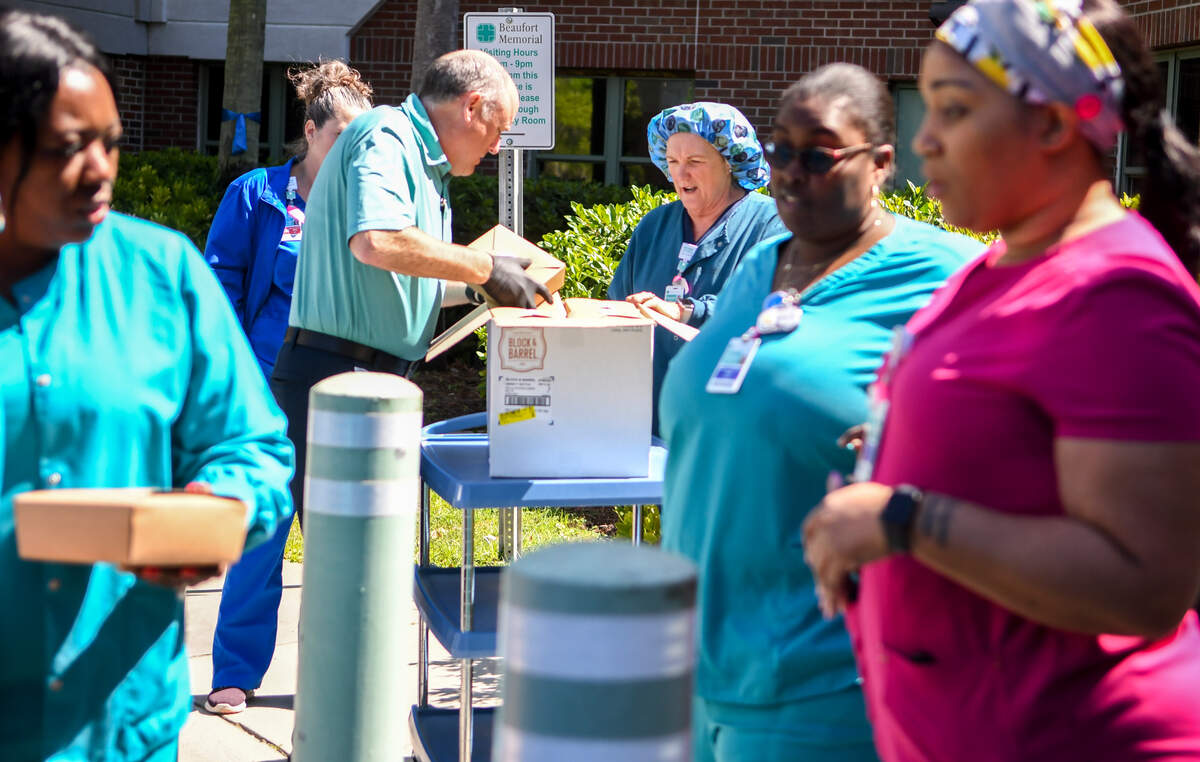
Every hospital in the country is struggling to get protective gear from normal suppliers, said Baxley. Beaufort Memorial is in a “comfortable position,” he said.
“I’m never going to say we have enough N95 [respirator] masks through this crisis, because I don’t think anyone is going to have enough N95 masks,” said Gambla. The hospital is accepting donations of:
- Gloves
- N95 respirator masks and surgical masks
- Protective eyeware, including googles and glasses
- Food
Homemade protective equipment is being evaluated on a case-by-case basis for suitability in the hospital, said Gambla. The Centers for Disease Control and Prevention recently issued crisis standards for the deconamination and reuse of N95 masks.
Gambla said medical staff are being cross-trained and pulled from the provider community and other facilities to create a pool of emergency workers. Asked about retired medical workers volunteering at the hospital, he said, “we won’t turn down any requests.”
With elective procedures, a major revenue stream for many hospitals, postponed, Baxley said the hospital will continue to evaluate its position if restrictions continue into May and June.
“We do rely heavily on the outpatient elective procedures in the (operating room) to fund many other parts of the hospital,” including emergency care for those without insurance, said Baxley.
The support of the community “goes a long way with our staff,” said the CEO. “The staff is working hard to be prepared for the what-ifs.”
This story was originally published April 5, 2020 at 7:00 AM with the headline "A ‘never-ending hurricane’: Beaufort Memorial Hospital leaders on coronavirus prep."