
Hilton Head hotel and short-term rental occupancy dipped in late summer
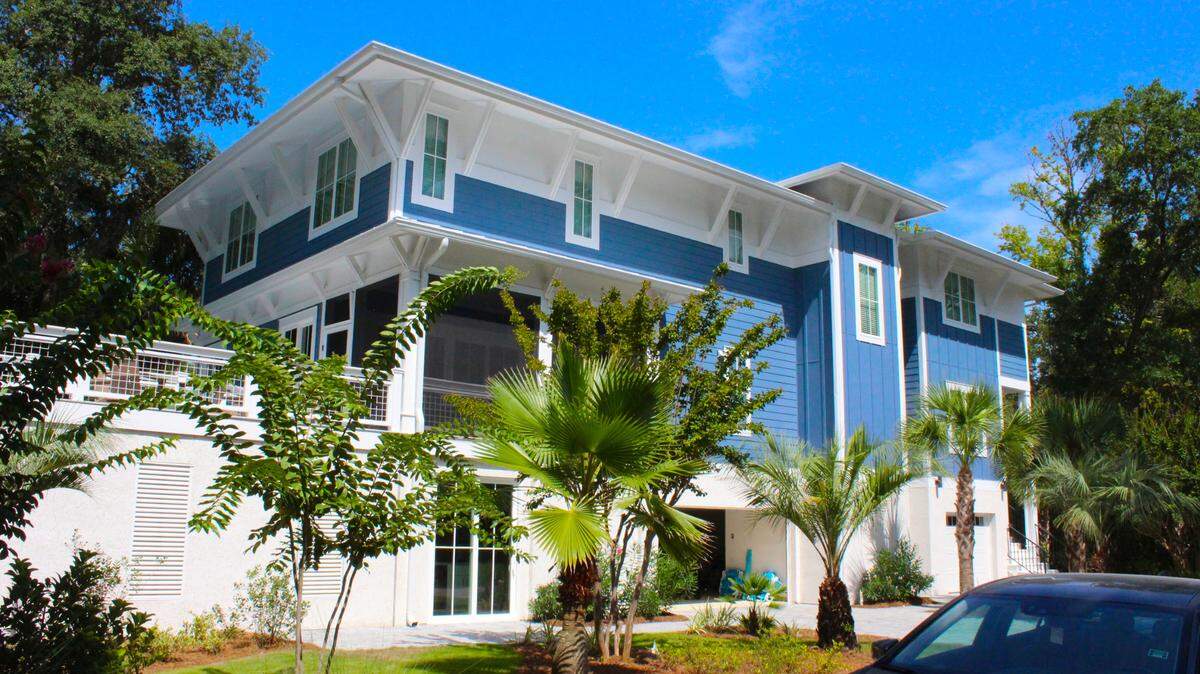
Occupancy at Hilton Head hotels and short-term rentals softened in the late summer and early fall, reflecting a national trend of declining interest in travel.
Hotels, homes and villas on the island were 58% occupied for the three-month period including July, August and September, according to data from the Hilton Head Island & Bluffton Chamber of Commerce Visitor and Convention Bureau. The 58% represents a 5% drop from last year, when occupancy for the same period was 63%.
Despite the drop in occupancy, the average daily room rate on the island increased to $398 per night from $382. Revenue per available room dipped 2%, from $241 last year to $233 this year.
Revenue-wise, the increase in the average daily rate wasn’t enough to offset the dip in occupancy, Chase O’Dell, research manager for the visitor and convention bureau.
“We’re about 2% down revenue-wise,” O’Dell said in front of the Hilton Head Island town council Dec. 9. “But 2% compared to some of our competitor destinations is actually fairly competitive in and of itself.”
Hilton Head following national leisure travel trend
The numbers are reflective of a national trend, O’Dell said. Nationally, leisure travel demand has softened; a forecast from CoStar Group and Tourism Economics projects that U.S. hotel occupancy will be around 62.3% in 2025, down from 63.1% last year.
The average daily room rate is projected to increase by 0.8% year-over-year, and revenue per available room will fall by 0.4%, the forecast said.
On Hilton Head, short-term rentals and full-service oceanfront properties are generally faring better than select service properties, O’Dell said. Luxury travelers are still traveling, Charlie Clark, the chamber’s vice president of communications, said — the issue is more pronounced at select-service hotels, which are more prone to fluctuations.
Potential traveler insight through social media
The visitor bureau uses public relations, social media and its website to promote Hilton Head to potential travelers. Visits to its website, hiltonheadisland.org, were down 5.6% year-over-year. Website users were down 6.2% and partner referrals to the site were down significantly, falling by 32.9%.
“Does that scare us? No. Does that mean we adapt to that? Absolutely, just as every destination in America is doing,” Clark said in reference to the website numbers.
Social media efforts showed more promise between July and September.
Hilton Head’s total social media audience increased by just 2.4% year-over-year, but social referrals were up 131% and sessions increased by 107.3%. That’s across all of Hilton Head’s social media platforms, including Pinterest, Instagram, TikTok, YouTube, Facebook and X (formerly Twitter).
Hilton Head Island was also featured in publications like Conde Nast Traveler, Travel + Leisure and Refinery 29 over the three-month period, Clark said.
Hotel occupancy was also softer in April, May and June compared to the same time period in 2024.
This story was originally published December 11, 2025 at 6:00 AM.