
Hilton Head, Bluffton tourism occupancy softened in the second quarter. Here’s why
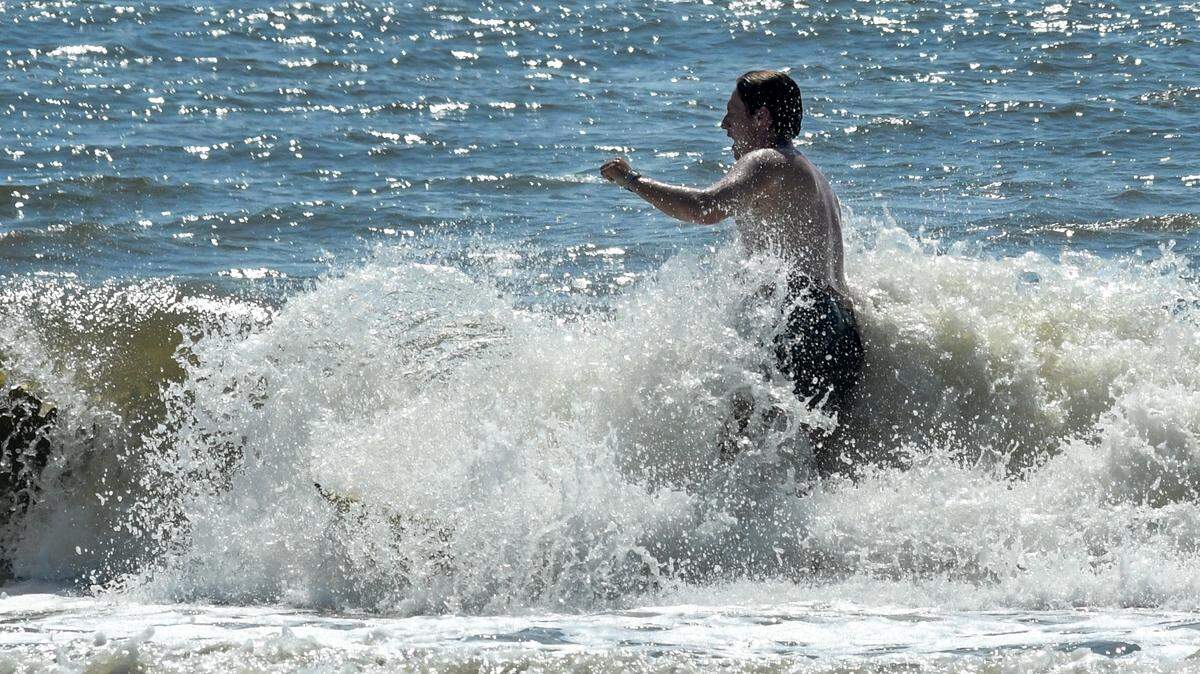
Hotel occupancy in Bluffton and Hilton Head Island softened in summer 2025, which the area’s visitors bureau said is because of economic uncertainty and a questionable outlook for leisure travel across the U.S.
Lodging facilities in Bluffton and Hilton Head were less full this summer than they were a year before.
Hotel occupancy in Bluffton fell by 8% to 80% in April, by 17% to 72% in May and by 10% to 76% in June, according to data from the Hilton Head Island & Bluffton Chamber of Commerce Visitor and Convention Bureau. The average daily room rate remained relatively flat throughout the three months, but revenue per available room was down, falling 9% in April, 16% in May and 10% in June.
At Hilton Head hotels, homes and villas, occupancy for the summer was at 63%, a 5% decrease from last year. The average daily room rate went up by 6% to $402, and revenue per available room stayed flat at $255.
Occupancy at homes and villas was down slightly over the summer compared to the same time last year, said Chase O’Dell, the visitor and convention bureau’s research manager, but the average rate and revenue were higher. Hotels had a slightly lower occupancy and lower revenue, but a higher average daily rate.
Full-service oceanfront properties like the Hilton are faring the best, O’Dell told the Hilton Head Town Council Sept. 16. Occupancy, average daily rates and revenue at resorts were all up in summer 2025.
The soft tourism numbers can be attributed to a not-so-great outlook for the leisure travel market, the visitor and convention bureau said in its Bluffton report.
“The Washington Post indicates that summer vacation spending could decline by up to 25% as travelers grapple with concerns over rising inflation and the cost of living,” the report said.
Getting the word about the Lowcountry out
How do Hilton Head and Bluffton present themselves to potential visitors? Through a combination of traditional print media, social media, influencer marketing and technology advancements, including a partnership with Google, team members said.
Bluffton saw considerable success across its social media platforms this summer. Facebook and Instagram engagements were down year-over-year, but Bluffton’s tourism pages saw a growth in followers across all social platforms, including TikTok and X (formerly Twitter). Hilton Head’s tourism pages saw 2% growth in overall social media audience, a 43% increase in social referrals to its partner businesses and a 59% drop in social sessions, or interactions with its pages.
The increase in social referrals offsets the drop in sessions, O’Dell said.
“To see less people overall, but more going to our partners, that means we are reaching that qualified audience that’s ready to travel, and that’s a very encouraging sign,” O’Dell said.
Public relations through magazine articles, advertisements and website impressions is also part of the visitor and convention bureau strategy.
Publications like Country Living, Southern Living, Travel + Leisure, Travel Noire and People Magazine all highlighted Bluffton between April and June, and Hilton Head was featured in 474 stories, including in Good Housekeeping, Yahoo Sports, Philly Magazine and the Washington Post.
Writers from “esteemed Black publications” were hosted by the visitor and convention bureau to celebrate the opening of Ma Daisy’s Porch, the Gullah Geechee-rooted restaurant owned by Bluffton Council Member Bridgette Frazier. Stories about Ma Daisy’s ran in publications like TheGrio and Travel Noire, the bureau said.
Influencer travel also serves an important purpose, said Charlie Clark, the chamber’s vice president of communications. The bureau has worked with content creators with hundreds of thousands or even millions of followers on Instagram and TikTok. This is important, Clark said, because three out of four travelers under 40 say an influencer directly led them to book a trip.
“It’s always about not just being on, it’s also about being everywhere, right in those perfect places,” said Ariana Pernice, the visitor and convention bureau’s vice president.
Why should residents care about tourism?
Tourists may use public resources and crowd the roads during summertime, but the money they generate just by coming and staying in the area helps pay for things like police and emergency medical services.
In Hilton Head, rooms rented for less than 90 days are taxed by 3% of the total gross sales price, the town website says. This is called the accommodation tax, or the “a-tax,” and 1% is used for tourism-related expenses like beach access, water and sewer and public safety. The other 2% goes towards beach preservation, including renourishment, services and facilities.
Bluffton also imposes a 3% a-tax, but on stays of 30 days or less.
Google partnership
The visitors bureau is also working directly with Google as part of the tech company’s destination marketing organization (DMO) pilot program. The program helps Google understand how to market tourism experiences to travelers while also giving DMOs best practices on the full Google suite.
The goal, O’Dell said, is to make sure AI recognizes the visitor and convention bureau’s website as a reliable source of information and to recommend its lodging partners. Artificial intelligence has upended the visitors bureau space, O’Dell said, because Google uses AI to summarize information, meaning less people click through to the website.
“The statistic from 2024 was that two-thirds of all Google searches are now zero-click, zero-click meaning you type in what to do in Hilton head Island this weekend, the summary comes up, you get what you need, and you X out of your browser. That’s presented some headwinds for us,” he said.
This story was originally published September 18, 2025 at 5:30 AM.