New forensics testing might lead to answers in Hilton Head’s biggest mystery | Opinion
READ MORE
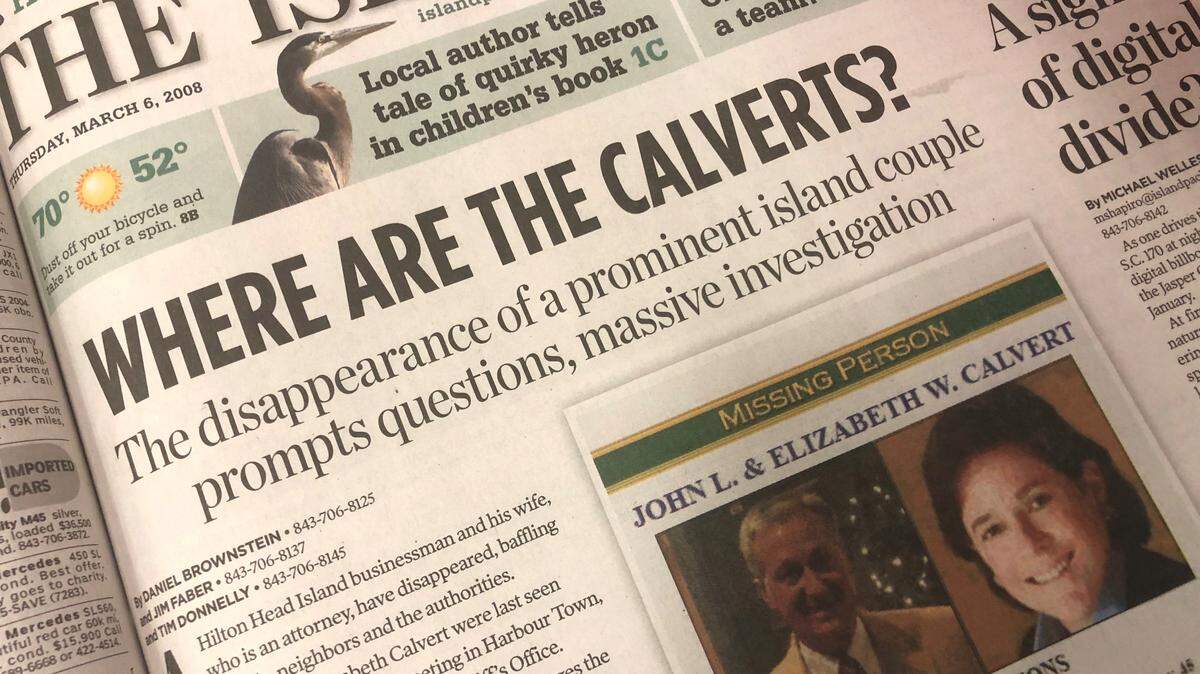
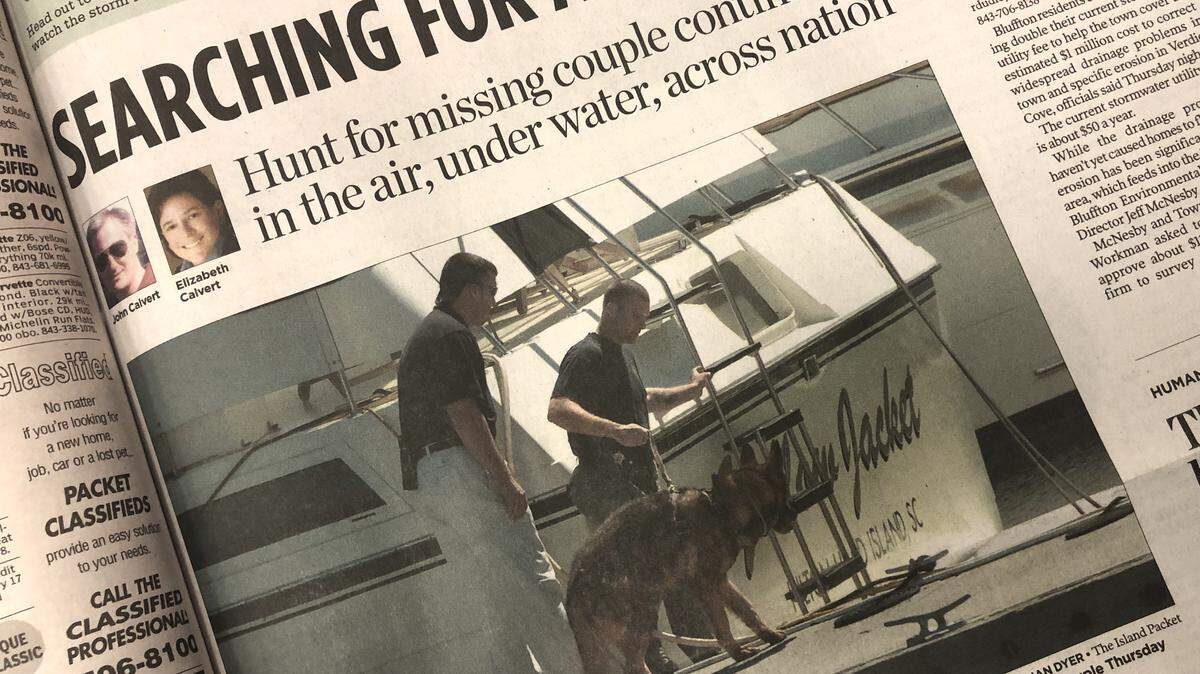
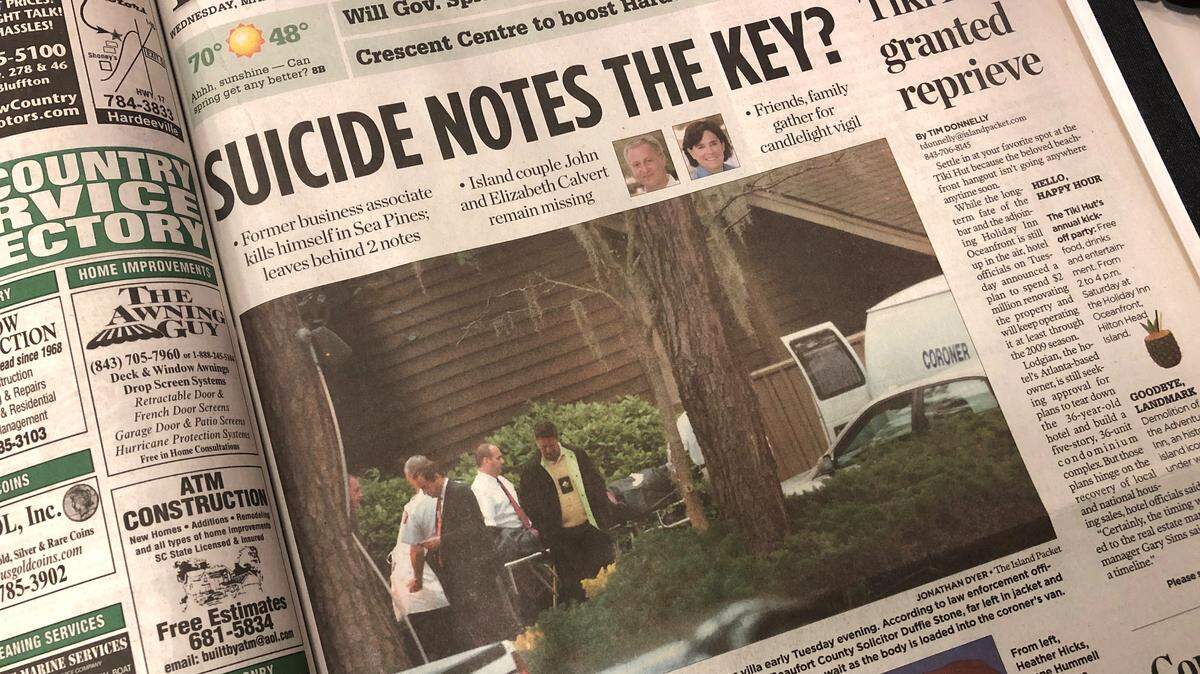
From the Archive: The Island Packet’s coverage of the disappearance of John and Elizabeth Calvert
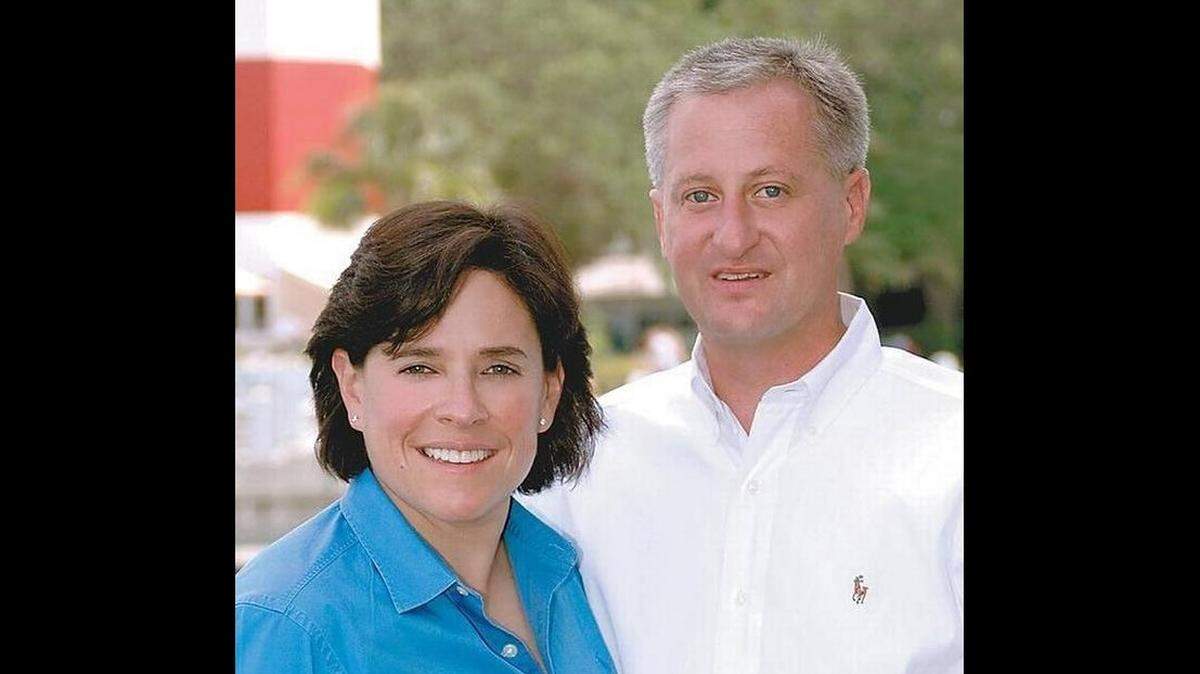
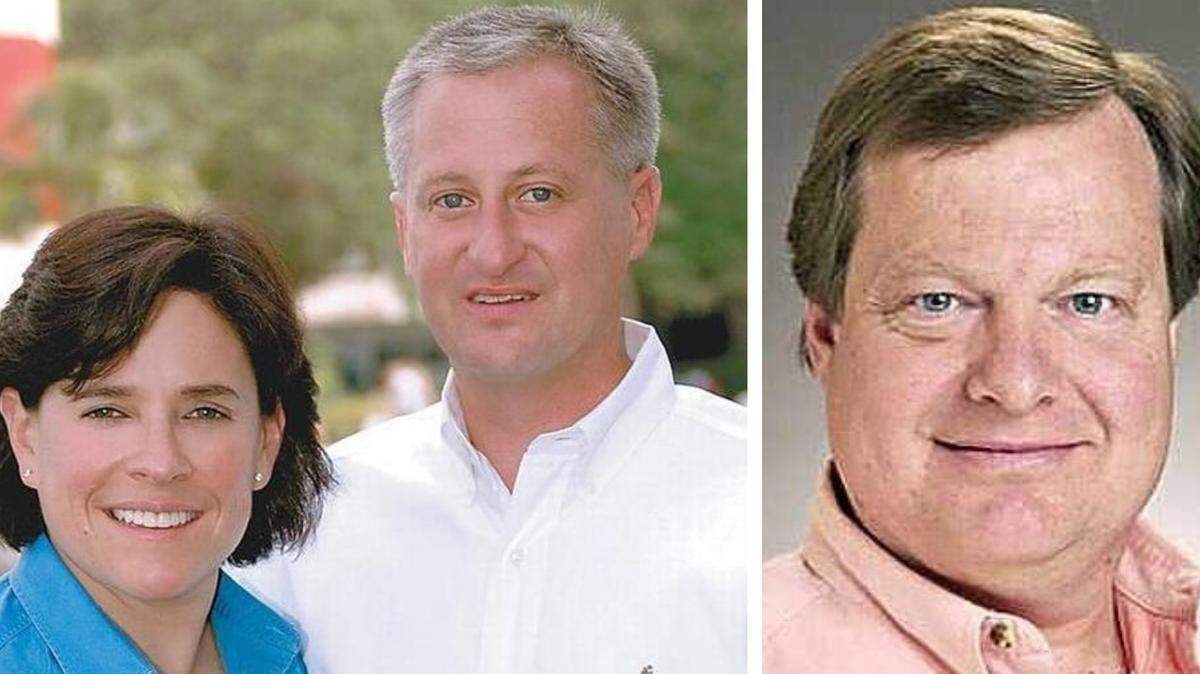
Hilton Head couple John and Elizabeth Calvert were last seen on March 3, 2008. Revisit the Packet’s coverage here.
Expand All
Someone on Hilton Head Island knows what happened.
If there were a way to Google “things Beaufort County residents say to each other most about the Calverts case,” this would top those search results.
Because someone here knows what happened.
Or they must, anyway.
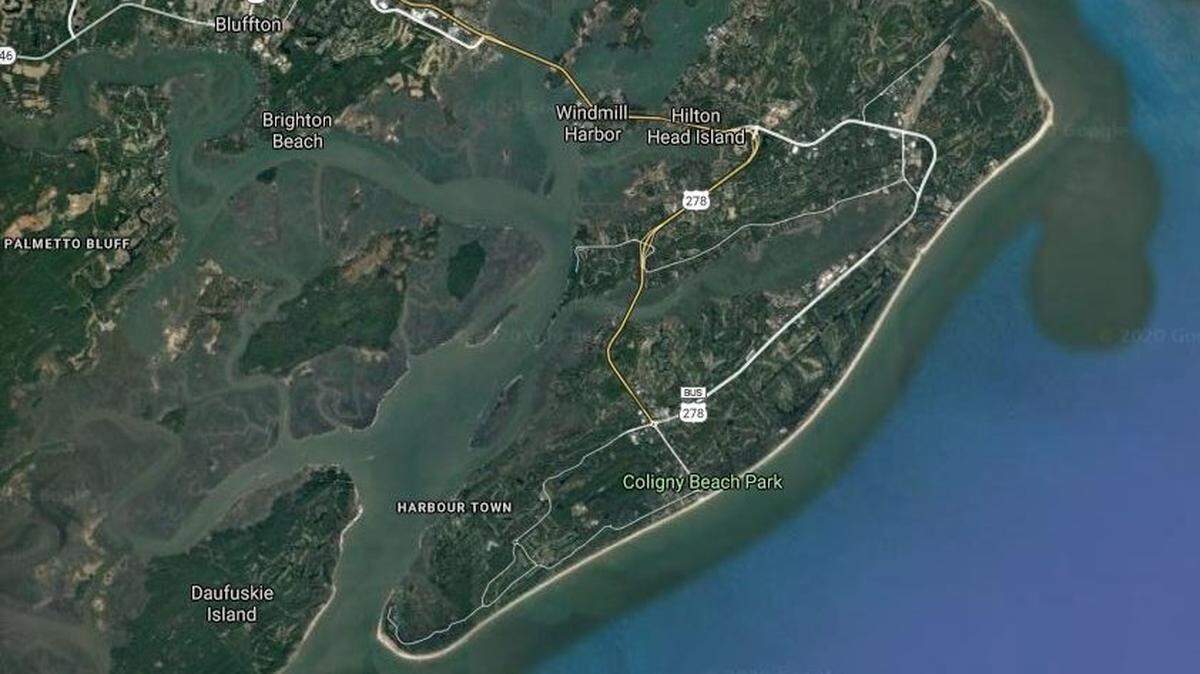
When John and Elizabeth Calvert disappeared from Sea Pines in 2008, it wasn’t in a poof of smoky air, nor within an instant.
But it might as well have been.
No one has ever been arrested and charged in their presumed deaths. Their bodies have never been found. Physical evidence provided no leads. No new information has emerged in over a decade.
And the lack of answers, justice and closure has left Hilton Head with an itch that flares up every now and again — the most recent “now and again” being Thursday, when the Calverts case was featured in an episode of “Hometown Homicide” on Investigation Discovery.
(If you missed it, the episode will air again at 3 p.m. Saturday on Hargray channel 66 and Spectrum channel 94.)
The hope among Calverts case watchers is that the show will shake something loose or cause that proverbial “someone who knows what happened” to head for the nearest mirror, take a good, hard look at their own conscience and finally decide to say something.
In the meantime, there’s been another development.
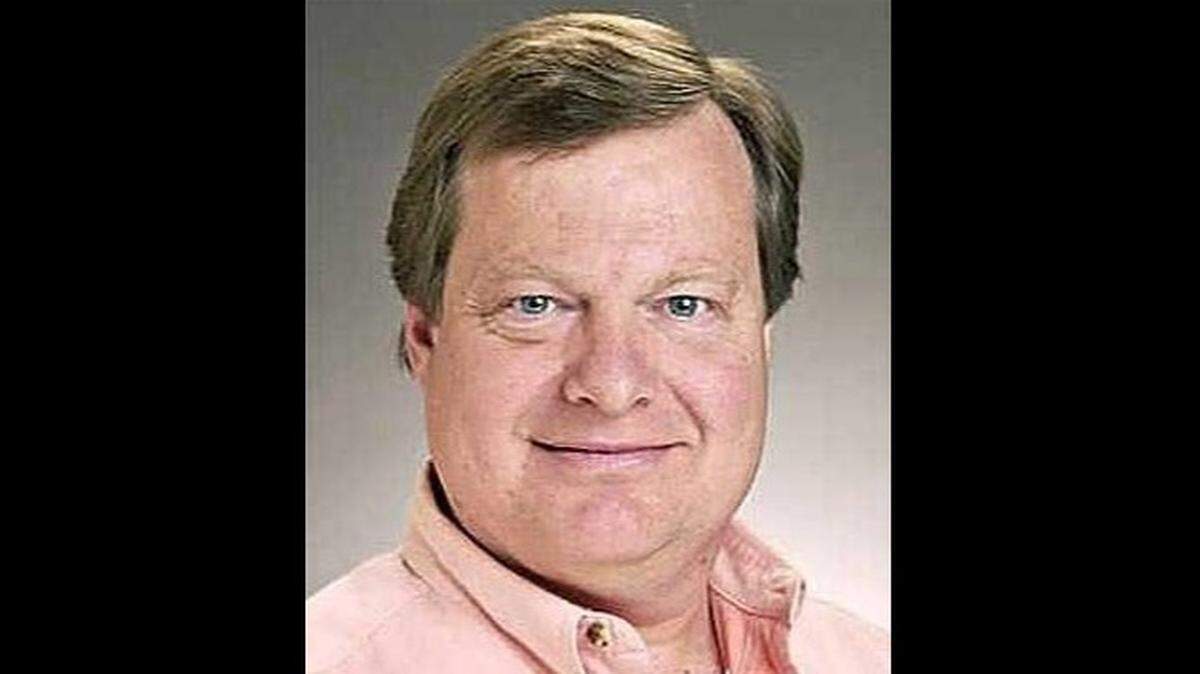
The Calverts — wealthy, part-time yacht residents in Harbour Town — were likely killed at Sea Pines Center and their bodies moved, then disposed of by their accountant, Dennis Gerwing, who hacked himself to death in a Benadryl-induced haze at a timeshare a week after the couple was last seen.
Gerwing’s involvement is just a guess.
Though he scribbled “It happened in SPC” in one of his two suicide notes, he never explicitly said what “it” was, nor did he admit to killing the couple.
However, key evidence points to his involvement.
Gerwing had the motive: He’d been secretly skimming money from the Calverts for years — and from others — to support his gambling habit and his steak, wine and call-girl lifestyle.
He had the opportunity: Liz Calvert was onto him and threatening to go to the FBI if he didn’t have a satisfying explanation for the missing money. So Gerwing set up an evening meeting with the couple to discuss the matter March 3, 2008.
He had the tools: Heavy drop cloths and latex gloves he had purchased earlier that day; a .22 handgun he was supposed to be selling for a friend; an empty office because he had sent staff home early; and a shovel, which Beaufort County Sheriff’s Office detectives discovered in his garage, along with some sneakers and a small pile of dirt by his front door.
Gerwing also had the erratic and sweaty behavior one might expect from a desperate man who has just discovered that, as it turns out, he’s really quite bad at appearing innocent of recent murder, especially when detectives ask him questions like, “So what were you using this shovel for, bo?”
Gerwing’s answer: Digging up a sprinkler head in my yard.
Detectives’ response: Really? Great. Let’s go see where you dug up that sprinkler head.
Gerwing’s inside voice: Uh oh.
The biggest unanswered question in the Calverts’ disappearance is, of course, where are they?
The second-biggest unanswered question is did someone help Gerwing kill them, move them and dispose of their bodies, and, if so, who?
You might have thought — or hoped — I was going to say the second-biggest question is something more conspiracy-minded, such as “Who killed Gerwing? Was it the Russians?”
But I’ve seen the photos. That man killed himself.
It doesn’t mean Gerwing wasn’t pressured to kill himself, though. And it certainly doesn’t mean he didn’t have an accomplice at some point along the way.
Maybe one day we’ll know for certain.
Beaufort County Sheriff’s Office cold case detective Bob Bromage said Thursday he is looking into retesting physical evidence collected from the case.
Forensic science has come a long way in the past 12 years, he said.
“Current DNA technology may provide answers that weren’t available in 2008.”
Bromage has worked cold cases for more than 20 years in Beaufort County and routinely reassesses whether new computer software, updated and expanded DNA databases, improved detection methods and modes of identification might apply to available physical evidence in unsolved investigations.
Most recently, he was able to develop a forensic link in another 2008 case based on a re-examination of DNA evidence using technology not available then but available now at the sheriff’s office’s forensics lab.
He’s not ready to talk about that development, however. The investigation is still open and very much active, he said.
The prospect that physical evidence from the Calverts’ case — whether it be DNA matter on Gerwing’s clothes, in his home or at the timeshare where he died — might similarly reveal new players or connect new dots is an exciting one.
“We identified Gerwing as a person of interest in the case and feel certain he is responsible for the disappearance of John and Liz Calvert,” Bromage said, “but we’ve never had that forensic link that says ‘There we go.’”
Someone here knows what happened.
And now the rest of us might, too.
This story was originally published January 30, 2020 at 4:10 PM.