
Ten years after the Charleston church shooting, a prayer for us all | Opinion
READ MORE
What emerged from tragedy 10 years ago
Powerful reflections on the 10-year anniversary of the Charleston church shooting
Expand All
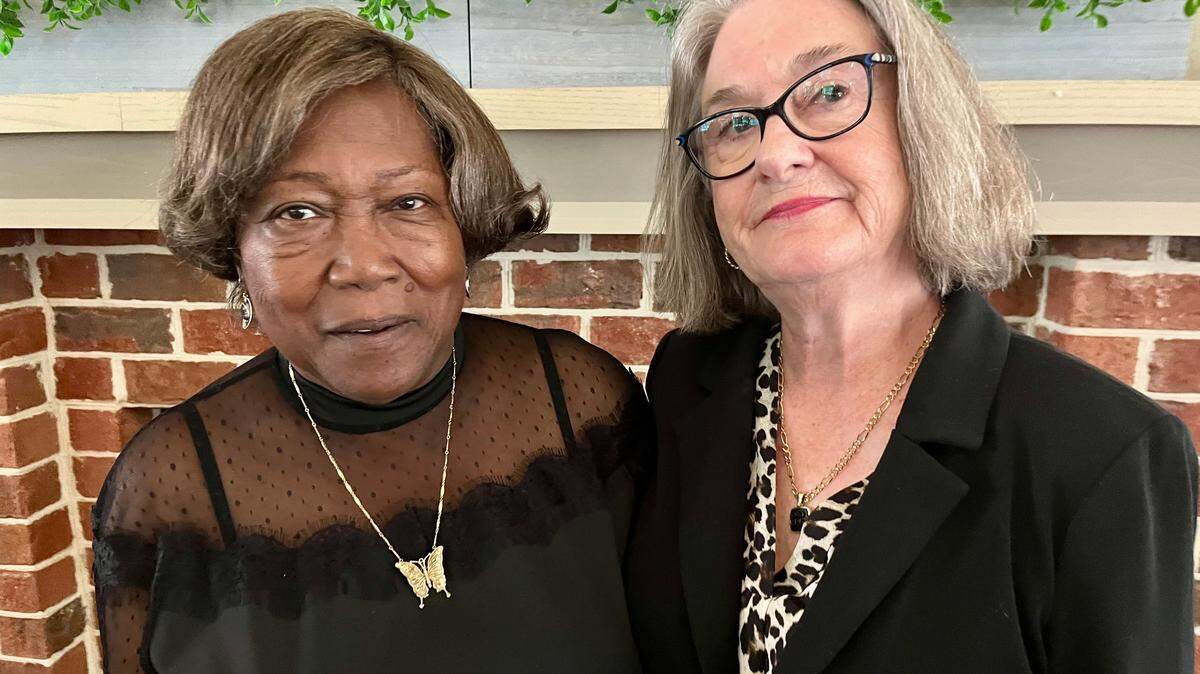
What a Charleston church shooting survivor and a descendant of slave brokers can teach us | Opinion
Why Marjorie McIver, the sister of one of the Emanuel 9, champions literacy | Opinion
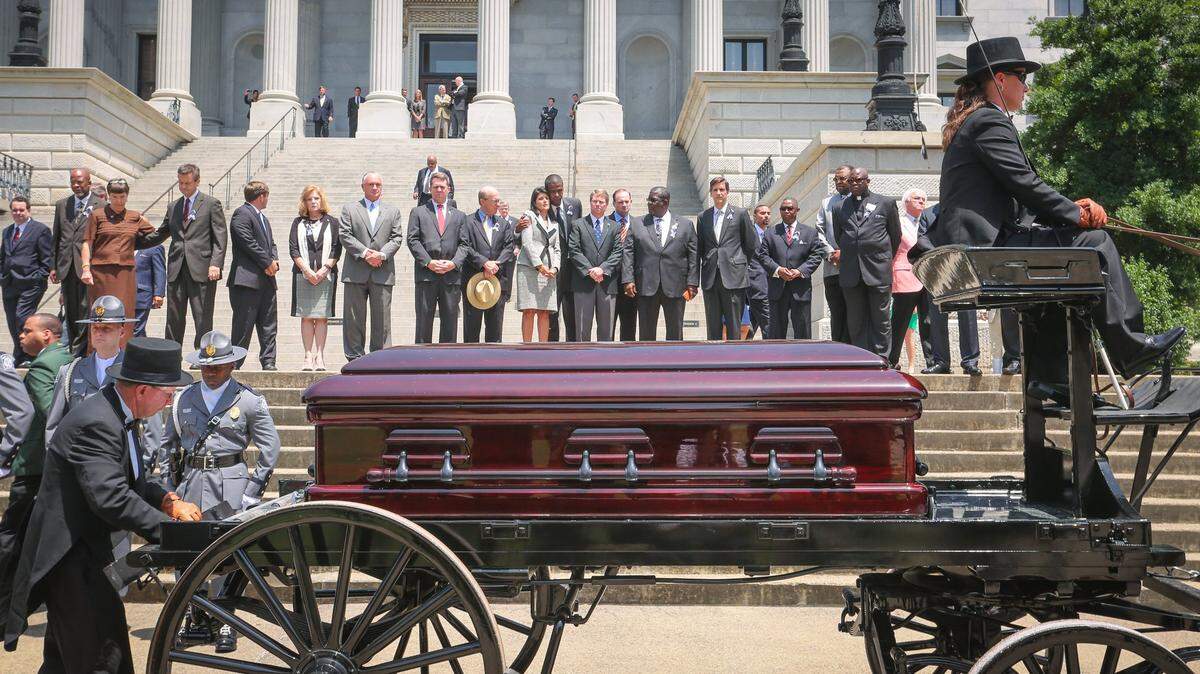
Ten years after the Charleston church shooting, a prayer for us all | Opinion
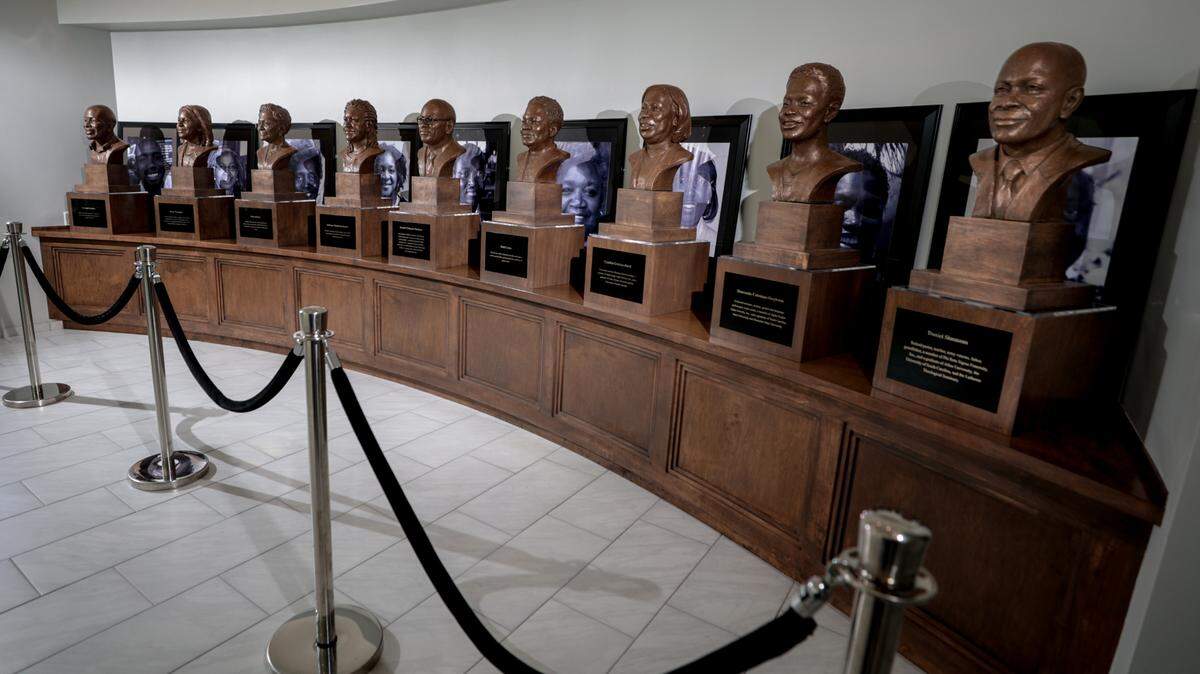
Why Allen University is the perfect place for a new tribute to the Emanuel 9
A news bulletin from Charleston shattered the languid evening of June 17, 2015, with an announcement so shocking and profoundly sad that even today, a full 10 years later, I can remember my sudden sense of disbelief at the reporter’s words.
That night, 21-year-old Dylann Roof entered Charleston’s Emanuel African Methodist Episcopal Church, the oldest in the South, founded in 1817, and joined others for Bible study. No one questioned his presence. He was welcomed.
The white supremacist shot and killed the minister, Rev. Clementa Pinckney, and eight members of the congregation, an act he later claimed was to foment racial strife and upheaval. He had chosen the Emanuel AME Church, known as Mother Emanuel, for its rich history and its civil rights heritage, believing that this would add more status and significance to his act.
Instead of stirring up chaos and racial animosity in South Carolina, the heinous act would lead to forgiveness, grace and racial healing. Nine days later, then-President Barack Obama came to Charleston to deliver a eulogy for the nine slain parishioners in what he called “a sacred place, this church, not just for Blacks, not just for Christians, but for every American who cares about the steady expansion of human rights and human dignity in this country.” Two weeks after that, the Confederate flag was permanently removed from the State House grounds.
There was a glimmer of hope that the tragedy at Mother Emanuel would propel our state to a higher plane of acceptance, respect and appreciation of the differences between us.
Sadly, we find ourselves sliding back into an age of intolerance and lack of respect for others.
That is why, on this 10th anniversary of the Mother Emanuel tragedy, the publication of a new book about Mother Emanuel is especially important. The author of this new history of the church is Kevin Sack, a Southerner and former The New York Times reporter. His title, “Mother Emanuel: Two Centuries of Race, Resistance, and Forgiveness in One Charleston Church” conveys the historical sweep the book provides.
It’s an outstanding chronicle of the history of a church and the horrible event that made it famous, and it has already been named as a book of the week by The New York Times.
Sack’s account traces Mother Emanuel’s history as both a sacred place and a church connected irrevocably to events in the lives of South Carolina’s African Americans — from its formation before the Civil War, to its role in Reconstruction after the War, to the civil rights movement in the 1950s and 1960s.
The book also offers fascinating history, populated with people like W.E.B. Du Bois, Booker T. Washington and Dr. Martin Luther King, all of whom spoke from Mother Emanuel’s pulpit. Rev. Benjamin Glover, the pastor during the civil rights era who helped integrate Charleston schools and offered the church as a gathering place for civil rights work, also appears prominently. The book is a moving testament to the human capacity for forgiveness and grace.
Its publication could not have come at a more opportune time in our country’s history.
I remember the day after the Mother Emanuel tragedy facing Midlands Technical College students in the English class I taught, not knowing how to address what had happened.
Ironically, we were discussing a group of works dealing with the American Dream, so I decided to shuffle the readings around to help grapple with what had happened in Charleston.
Over 90 minutes, we read two speeches by Dr. King, several poems by Maya Angelou and a sermon by Ralph Waldo Emerson on tolerance and forgiveness. All of my students, Black and white, read these works and then reflected with emotion on what they had read.
One student was struck by the echoes of the purpose-driven people in Charleston in this line from Emerson, “The purpose of life is not to be happy. It is to be useful, to be honorable, to be compassionate, to have it make some difference that you have lived and lived well.” I realized he was crying. It’s the only day I remember being moved to tears myself in my classroom.
Sack’s book is a powerful saga about Mother Emanuel’s place in our history, but more than that, it’s a testament to the power of love. The words of Rev. Clementa Pinckney tell us this directly.
“We know that only love can conquer hate,” Rev. Pinckney said in an opening prayer at Mother Emanuel about three months before he was killed. “Irregardless of our faiths, our ethnicities, where we are from, together we come in love, together we come to bury racism, to bury bigotry, and to resurrect and to revive love, compassion and tenderness.”
Rev. Pinckney left us his legacy in these words.
There could be no better prayer for all of us now.
This story was originally published June 12, 2025 at 5:00 AM with the headline "Ten years after the Charleston church shooting, a prayer for us all | Opinion."