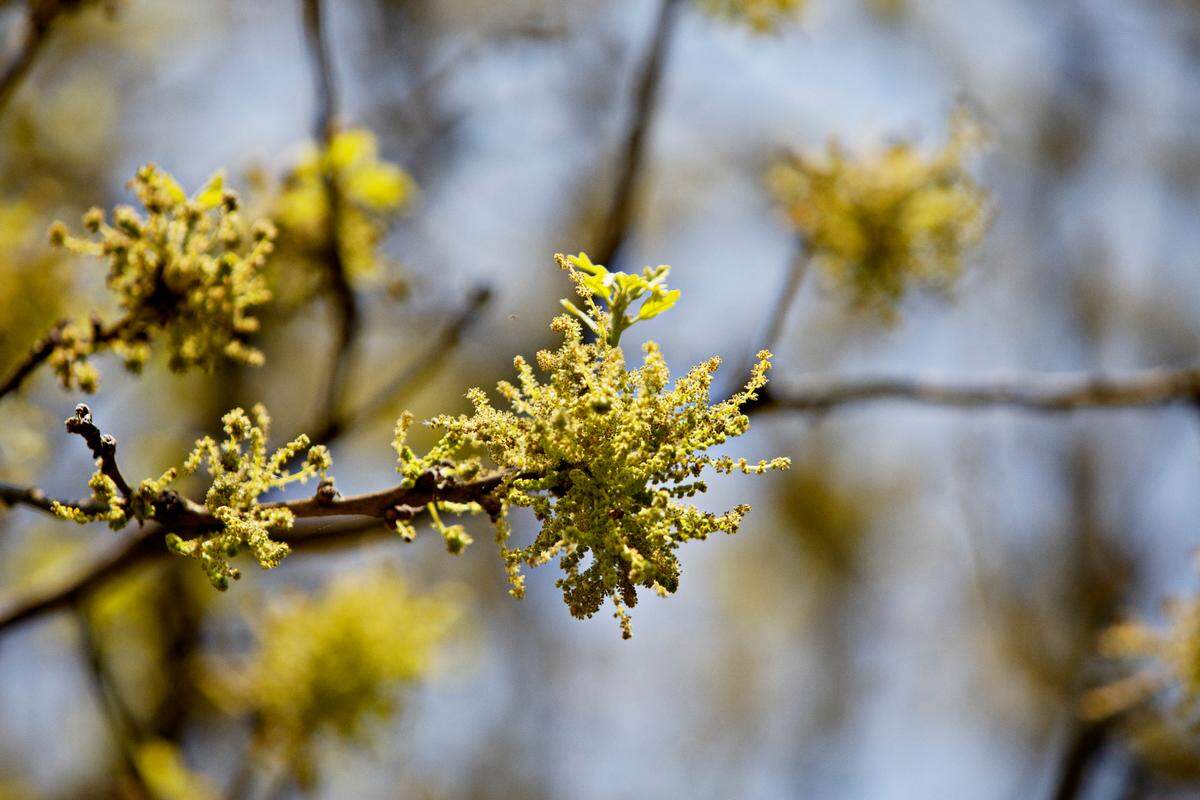
Pollen is coming to Hilton Head. When will the yellow dust strike?
As temperatures rise in Beaufort County, a familiar blanket of yellow dust will make a return — along with pesky seasonal allergies.
Pollen counts in South Carolina can begin rising as early as February and typically peak in March and April as the weather warms, according to Dr. Manan Shah, CEO of the Wyndly allergy clinic. The state is often ranked as one of the worst for seasonal allergies, he wrote in a blog post last year.
The Hilton Head Island area is seeing its first glimpses of springtime weather after an unusually cold winter and significant snowfall. Forecasts for the first half of March predict high temperatures consistently reaching into the mid to high 70s Fahrenheit, according to the National Weather Service.
Those warm days mean allergies are imminent. Hilton Head’s pollen forecast from AccuWeather predicts a high level of tree pollen over the weekend as estimated high temperatures reach into the 80s.
The local NWS forecast does not include especially high wind speeds — they’re expected to peak Sunday afternoon at 10 mph — which is good news for allergy sufferers. Wind gusts act as “nature’s leaf blower” by kicking up pollen, spores and other allergens into the air and closer to one’s eyes, nose and lungs, according to The Weather Channel.
The Palmetto State’s worst offenders for pollen production are oak and bayberry trees, grass and weeds, according to Beaufort Memorial Hospital.
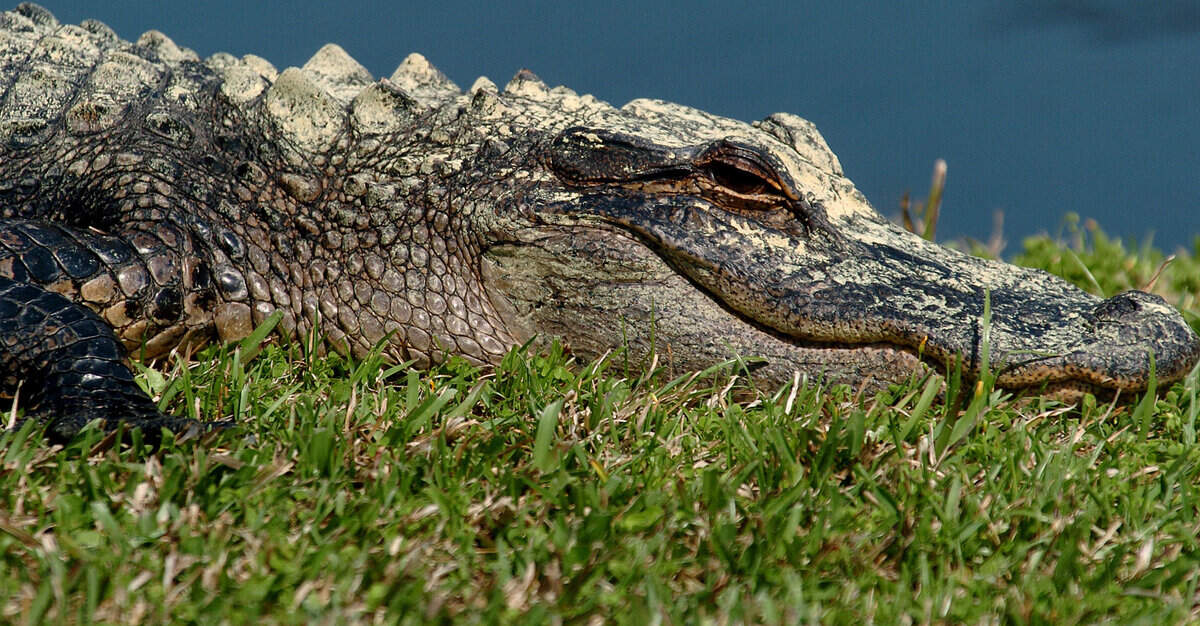
Although pine pollen is known for covering sidewalks, cars and alligators in an omnipresent yellow coating, experts say that type of pollen isn’t the culprit for seasonal allergies.
“It’s the pollen that you can’t see that bothers people the most,” Dr. Thomas Beller of Hilton Head’s Allergy & Asthma Center told The Island Packet last year. “The pollen that bothers your allergies is invisible or airborne, with oak pollen being the biggest problem for Lowcountry residents.”
Residents can visit AccuWeather or The Weather Channel to get detailed pollen forecasts for the area.
What are the symptoms of pollen allergies?
Seasonal allergens like pollen can affect anyone, not just those with existing allergies.
According to Lowcountry Urgent Care, common symptoms of a pollen allergy include:
- Runny nose
- Stuffy nose
- Coughing
- Congestion
- Sneezing
- Headaches
- Scratchy throat or a “tickle” in your throat
- Itchy or watery eyes
- Ear congestion
- Postnasal drip
- Hives
- Aggravated asthma symptoms
How to lessen your allergy symptoms
Climate change may be contributing to longer and more aggravating allergy seasons, according to Harvard’s School of Public Health.
Beaufort Memorial Hospital offered these tips for reducing and avoiding these allergens:
- Check pollen counts daily through weather apps and limit time outside when pollen levels are high.
- Wear sunglasses and a protective mask while gardening or working outside.
- Exercise outside when pollen counts are lowest (usually early morning and late in the day).
- Avoid pollen exposure by showering, washing your hands or changing clothes after spending time outside.
- Keep windows and doors closed in your house and car.
- Run your air conditioning.
- Use over-the-counter medications like oral antihistamines and nasal sprays to reduce symptoms.
- If these tips don’t work or your allergy symptoms persist, it’s best to seek care from your primary provider or allergist.