Is pollen season in SC worse this year? Here’s what we found
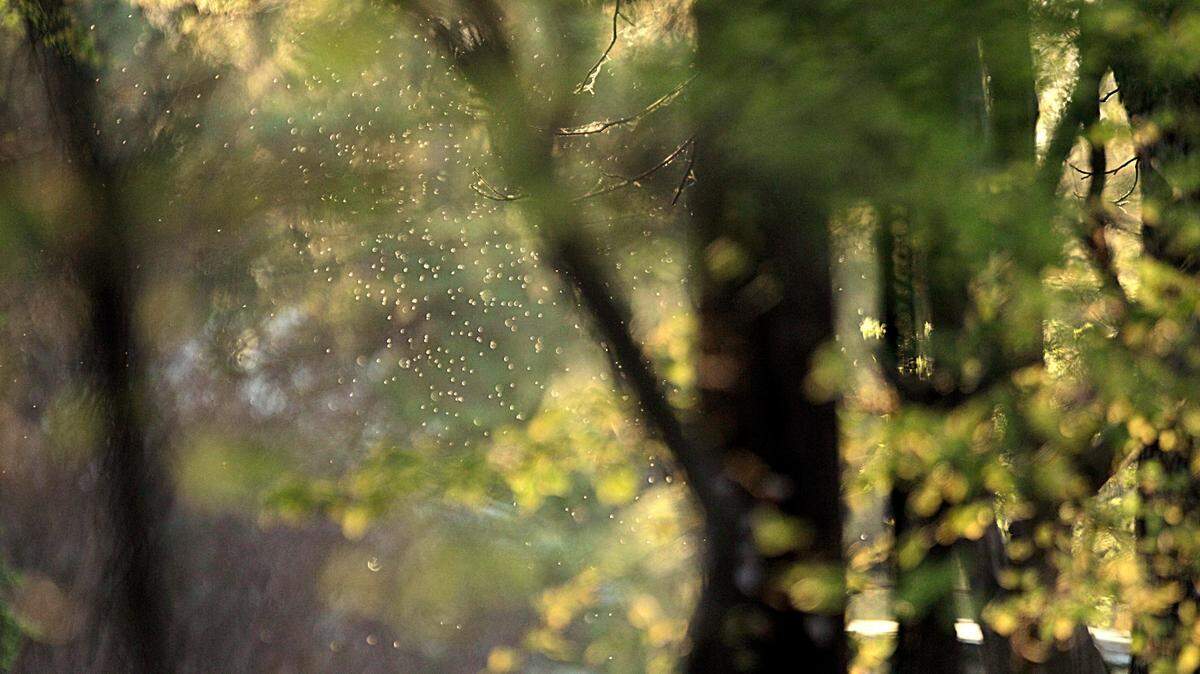
You know that springtime has officially hit in the South when a blanket of yellow is covering well ... everything.
From our cars to our porches, sidewalks and even those tiny crevices in the windowsill, pollen creeps into just about every corner.
Here are a few tips and tricks to help you beat this year’s sneezing season and enjoy the springtime weather.
When are pollen levels the worst?
South Carolina is often ranked one of the worst states for allergies. The combination of warmer climates and high concentrations of pollen makes for a treacherous allergy season.
Springtime allergies and pollen can start as early as February and last into June, with peak activity in March and April. Grass allergies usually begin in May and start to taper off by the end of August.
Seasonal allergens like pollen can affect many people, not just those with existing allergies.
For the Lowcountry, pollen levels are often at their highest in the morning hours but certain pollens like trees, grass and ragweed can spike in cool evening temperatures.
Here are some other factors that contribute to daily pollen count:
Rain washes pollen away, but pollen counts spike after rainfall.
On days with no wind, airborne allergens are grounded.
On windy and warm days, pollen counts surge.
What plants in the Lowcountry produce the most pollen?
South Carolina’s most common seasonal allergens include weeds, trees and grass pollen.
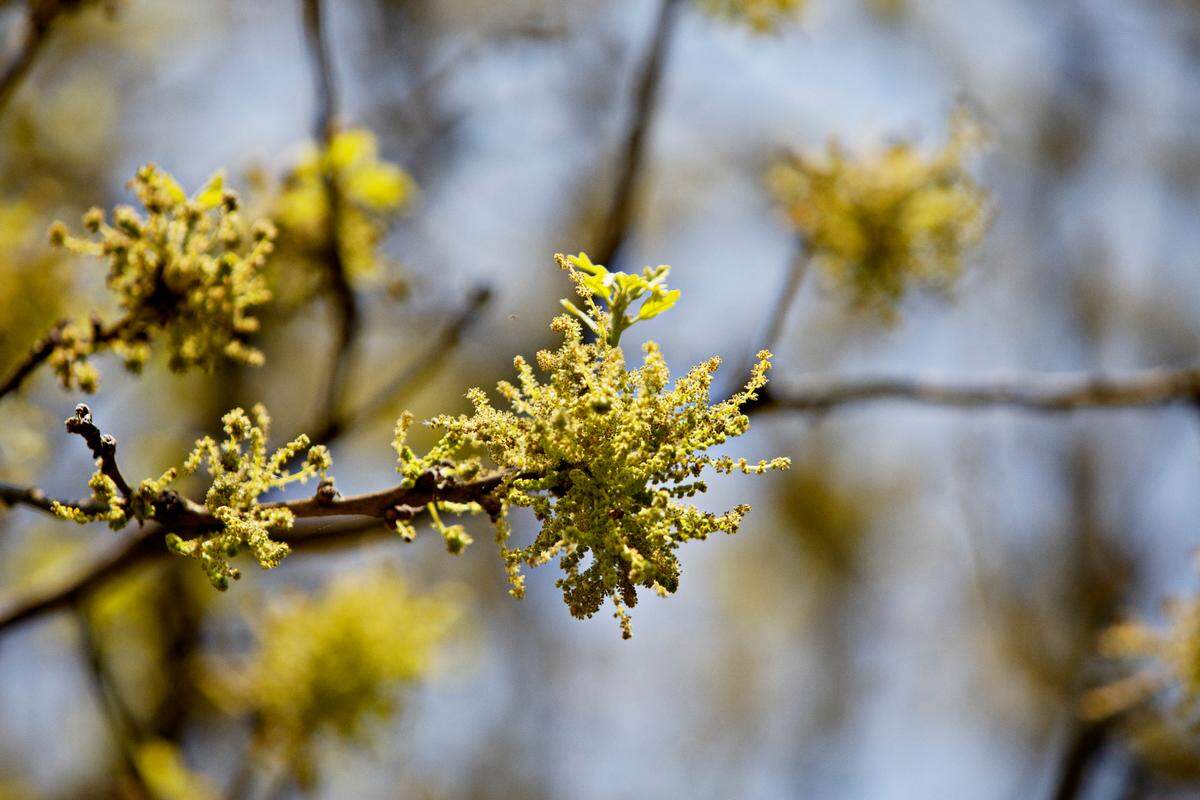
In the Lowcountry, it’s generally pollen from oak and bayberry trees that cause the most misery for people with allergies.
Pine trees are often blamed for spring allergies, but pine pollen is not the culprit. However, it is the marker of the season as pine pollen is what’s notorious for covering cars in a blanket of yellow.
“It’s the pollen that you can’t see that bothers people the most,” said Dr. Thomas Beller of the Allergy & Asthma Center. “The pollen that bothers your allergies is invisible or airborne, with oak pollen being the biggest problem for Lowcountry residents.”
Summer allergies in South Carolina will mostly consist of grass allergies, but some other plants with high pollen counts include:
Junipers
Wax myrtles
Hickory
Walnut
Cedar
Mulberry
Ash tree
Willow tree
In the summer, Bermuda, corn and bent grass allergens will still linger in the air. Fall allergies include ragweed, Russian thistle, amaranth and marsh elder.
Some common grass pollens you’ll encounter are ryegrass and Bermuda, bent, and sweet vernal grasses.
Tree and grass pollen levels are typically at moderate or high levels during peak season. To check the daily pollen count, pollen.com, AccuWeather and The Weather Channel provide detailed information about the levels of pollen in your area.
For other pollen plants you can expect in South Carolina this year, click here.
Is pollen season getting worse?
Warmer temperatures have consistently contributed to longer and more intense allergy seasons, according to Harvard School Public Health.
Trees and plants such as ragweed are blooming and producing pollen sooner due to the warmer weather starting earlier in the year, which also contributes to the seasons lasting longer.
“This year has been an aberration weather-wise,” Dr. Beller said. “With the influx of warm and cold weather this year, it makes sense that some tree pollen has been more active than normal.”
What are the symptoms of a pollen allergy?
Pollen allergies can affect anyone, with symptoms varying from person to person. Some common allergy symptoms South Carolina residents may experience include:
Runny nose
Stuffy nose
Coughing
Congestion
Sneezing
Headaches
Scratchy throat or a “tickle” in your throat
Itchy eyes
Watery eyes
Ear congestion
Postnasal drip
Hives
Aggravated asthma symptoms
Rarer symptoms of allergies include headaches, shortness of breath, wheezing and coughing.
If these symptoms persist or are common for you, it may indicate other health issues, so it’s best to seek a medical evaluation from a healthcare professional.
How to prevent & manage seasonal allergies in the Lowcountry
According to Beaufort Memorial Hospital, an estimated two-thirds of spring allergy sufferers have year-round symptoms.
Luckily, there are some ways to reduce and eliminate these problems for both seasonal and long-term allergens.
Check pollen counts daily through weather apps and limit time outside when pollen levels are high.
Wear sunglasses and a protective mask while gardening or working outside.
Exercise outside when pollen counts are lowest (usually early morning and late in the day).
Avoid pollen exposure by showering, washing your hands or changing clothes after spending time outside.
Keep windows and doors closed in your house and car.
Run your air conditioning.
Over-the-counter medications like oral antihistamines and nasal sprays can help reduce allergy symptoms.
If these tips don’t work or your allergy symptoms persist, it’s best to seek care from your primary provider or allergist.
“The readily available over-the-counter medicines are always helpful to combat runny noses, itching and sneezing,” said Dr. Beller. “Things like antihistamines, nasal spray and eye drops usually give these allergy sufferers relief.”
In addition to these tips, it’s important to note that some pollens contain proteins often found in fruits and vegetables. Possible food culprits include bananas, melons, cucumbers, zucchini, sunflower seeds and chamomile tea, which can sometimes trigger an oral allergy syndrome for sensitive groups.
Are there any other common allergens in the Lowcountry?
Mold is another common allergy culprit in the Lowcountry, which can be a problem all year long. Mold thrives in moisture and grows best in warm, humid conditions, both indoors and outdoors.
It is often found in leaves, straw and areas of heavy vegetation.
Here are some tips to keep mold at bay:
Install exhaust fans in bathrooms, kitchens and laundry rooms to avoid indoor mold growth.
Direct vented appliances like clothes dryers and stoves to the outside.
Take shorter showers.
Use a dehumidifier.
Keep indoor humidity levels around 30% to 50%, as recommended by the Environmental Protection Agency. A good way to tell if it’s too high is if there’s condensation on windows, pipes and walls.
Dry any damp areas you find in the house, such as the cabinets under sinks.
Ensure your gutters are clean and in good condition.
This story was originally published March 25, 2025 at 6:00 AM.