SC alligators turning yellow from pollen, new photos show. Do gators get allergies?
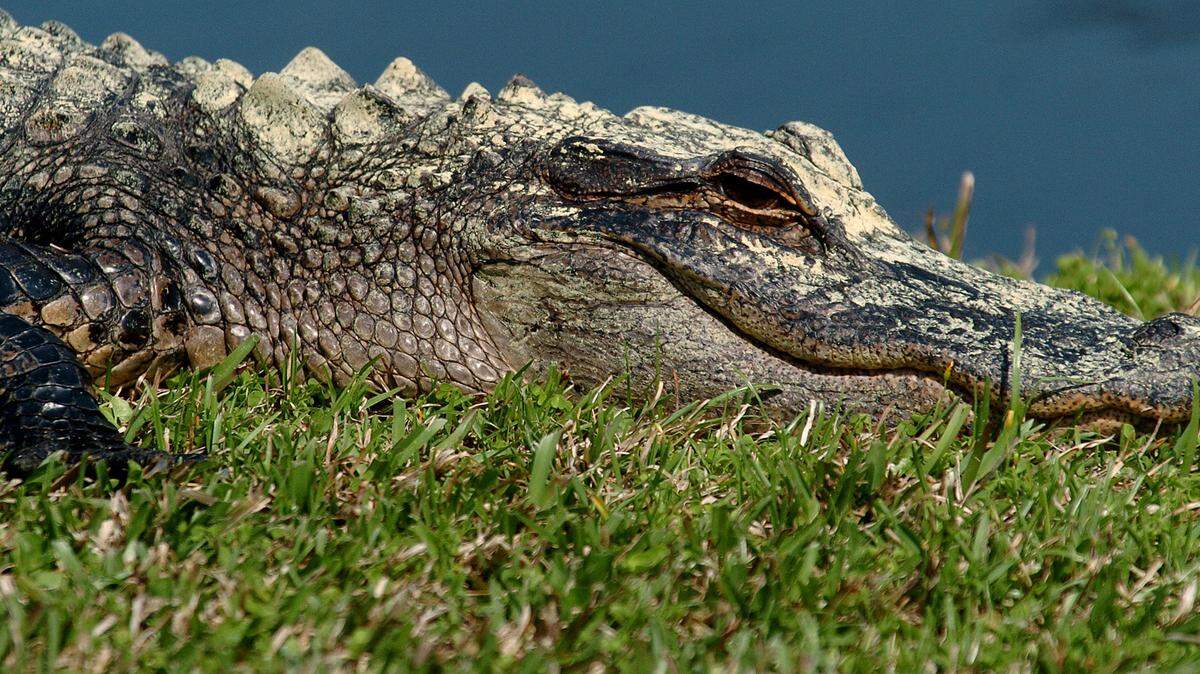
South Carolina has seen orange mud gators, ice gators and giant gators … but what about a pollen gator?
Turns out this year’s pollen season is covering more than our cars in a blanket of yellow.
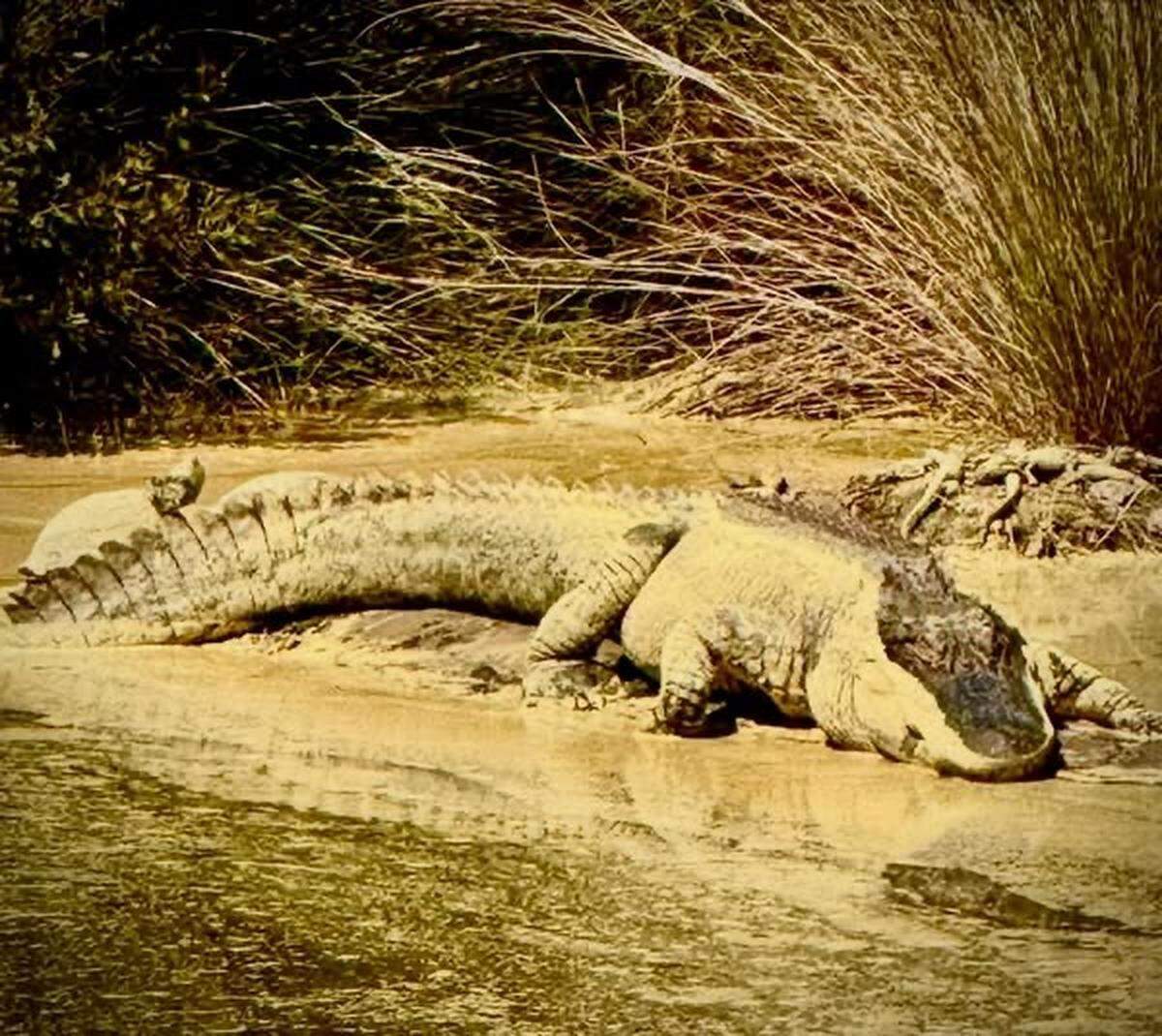
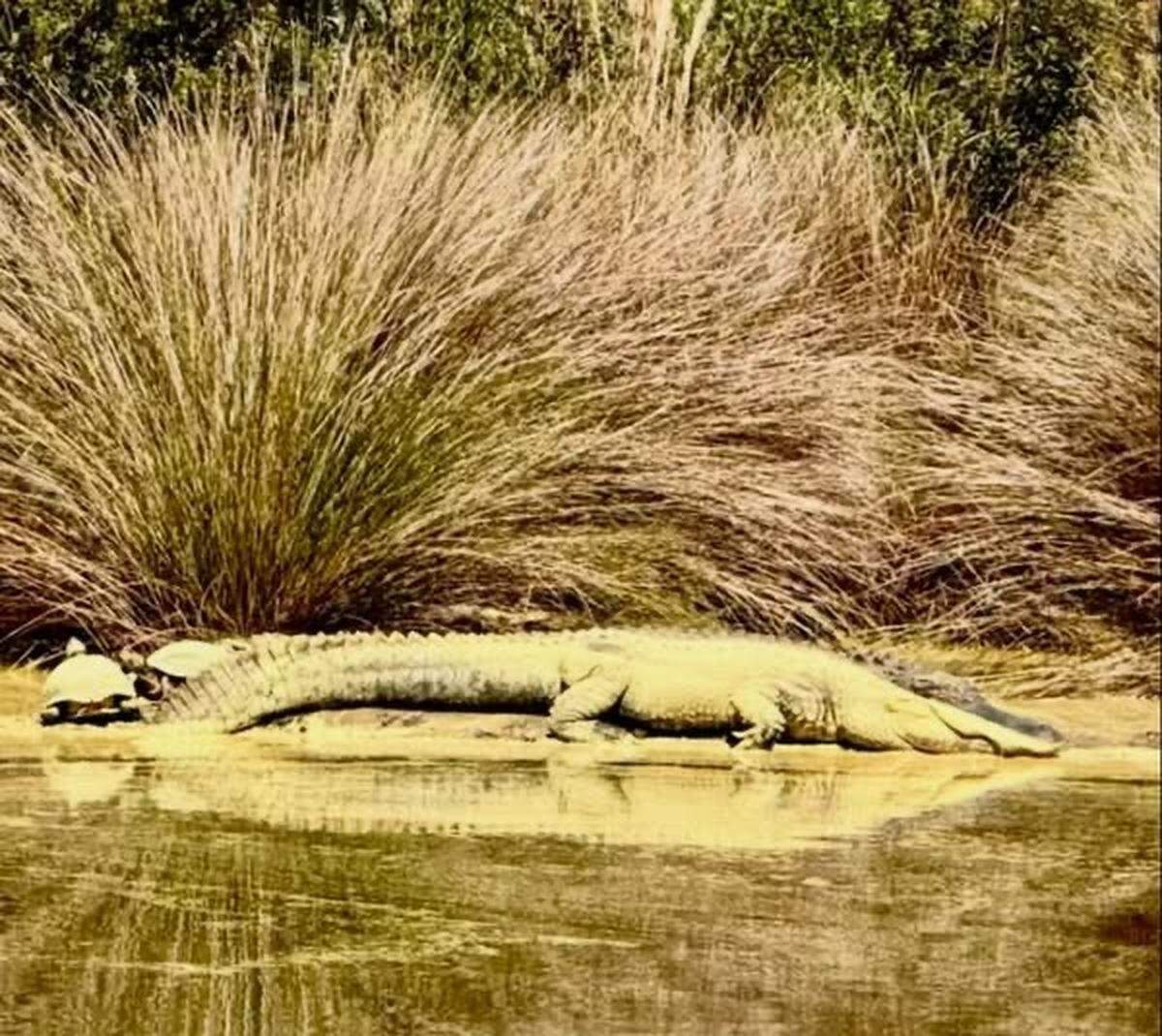
The latest spotting of this “rare yellow alligator” was on Kiawah Island at the Cassique Golf Course.
This gator was completely covered in pollen and spotted by a nearby golfer who snapped these photos:
How bad is this year’s pollen season?
This year’s pollen season has no doubt felt worse than normal for Lowcountry residents.
“This year has been an aberration weather-wise,” said Dr. Thomas Beller of the Hilton Head Allergy & Asthma Center. “With the influx of warm and cold weather this year, it makes sense that some tree pollen has been more active than normal.”
South Carolina is often ranked as one of the worst states for allergies. The combination of warmer climates and plants blooming earlier results in higher concentrations of pollen, making for a treacherous allergy season.
In the Lowcountry, it’s generally pollen from oak and bayberry trees that cause the most misery for people with allergies.
The marker of the season comes from pine pollen, which is notorious for covering our cars, porches, sidewalks and even gators in a blanket of yellow.
Do alligators get allergies?
Alligators are cold-blooded creatures, which means their immune systems are easily affected by the temperatures outside.
“We don’t have much research right now that would indicate that pollen affects alligators,” South Carolina Department of Natural Resources Alligator Project Leader, Morgan Hart, said. “But the pollen will stick to them and washes off like normal once they get to the water.”
Alligator activity
Springtime is when most alligators become active again. As temperatures steadily warm up, they are more likely to be seen out and about.
According to the SCDNR, young alligators can be seen moving into bodies of water, females enter their breeding period in April and adult alligators are likely to be seen basking in the sun or eating.
With alligators venturing out, more of these pollen gators might be spotted around the Lowcountry soon.
This story was originally published April 5, 2025 at 6:00 AM.