Will Rock Hill emerge from Charlotte’s shadow or be absorbed by Queen City sprawl?
READ MORE
The Future of South Carolina Cities
These seven cities hold the power to shape the future identity of South Carolina. Can they overcome their own unique challenges in order to become more sustainable for the Palmetto State in the long term? This is The Future of South Carolina Cities.
Expand All
The Rock Hill region has a unique identity, even as it grows in the southbound shadow of Charlotte.
Start with the familiar sight of the Carowinds amusement park, at the N.C.-S.C. border. Then travel south in bustling traffic, across the Catawba River, a source of recreation and drinking water. All along the way you’ll see signs of explosive growth, from new businesses in varying degrees of development to rapidly-sprouting communities where people are eager to live.
They’re seeking homes that put them close enough to enjoy Charlotte’s city-style amenities but remote enough to leave behind the city-style woes. It’s that identity that these South Carolina communities have fought to protect.
Patterns of commerce, transportation and how people decide where to live prove that Charlotte is an undeniable force. Yet residents and community leaders in the Rock Hill region offer a clear and consistent message: We’re not Charlotte. And their mission is to keep it that way, even as the region grows and grows.
The Rock Hill region starts down Interstate 77, about 15 miles south of mid-city Charlotte. Just across the state line and the Catawba River, you enter northern York County, an area that includes Rock Hill, Fort Mill, Tega Cay and Lake Wylie, not far from the Lancaster County panhandle (Indian Land). The area has been cited as one of the fastest-growing regions in the nation.
Just this year, the Fort Mill School District surpassed Rock Hill for total enrollment at about 18,000 students. Indian Land is unincorporated, but by population would be the eighth-largest city in South Carolina.
Former Rock Hill Mayor Doug Echols, who for decades helped guide efforts to protect the region’s identity, describes the relationship between Rock Hill and Charlotte this way:
“Charlotte is a wonderful city, and it’s our neighbor. I always try to think of Charlotte like a campfire. We want to stay close enough to get warm, but not close enough to get burned.”
David Ward understands this region’s push and pull. The 63-year-old Fort Mill native still lives in the town where he grew up, and he works in Charlotte.
“There’s a lot of established roots,” Ward says.
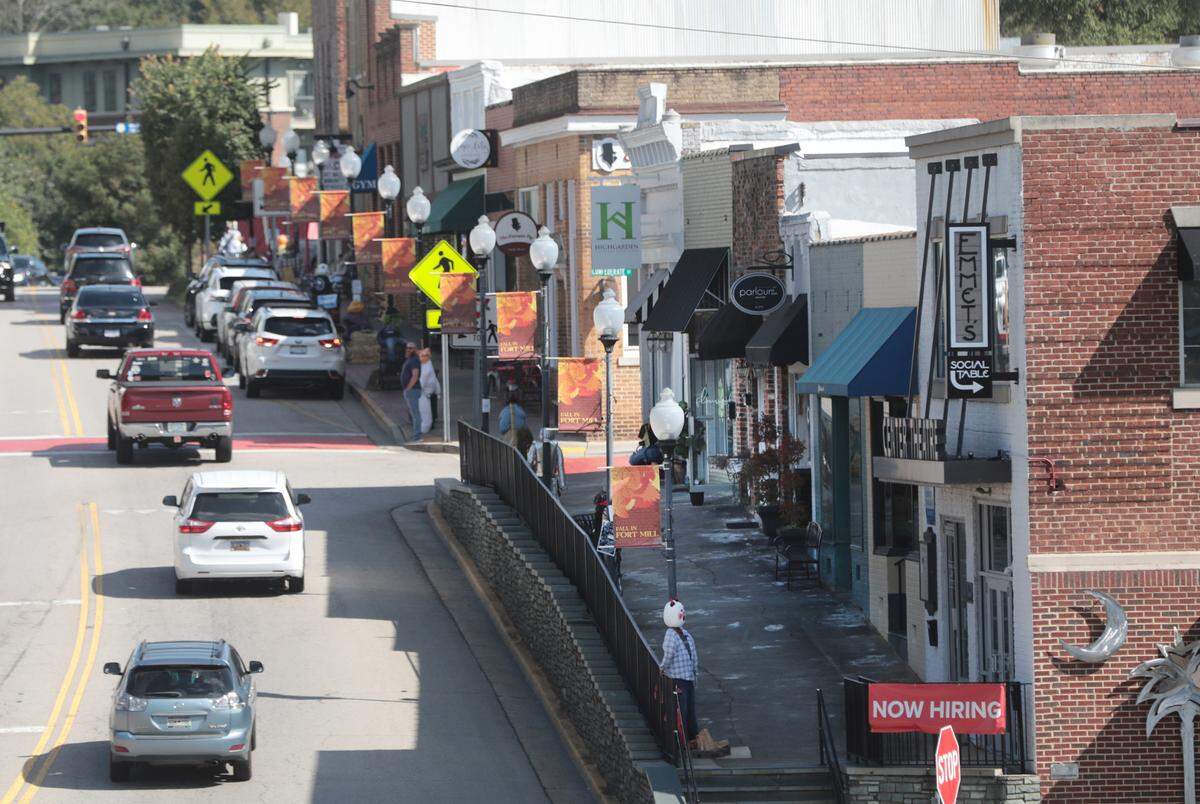
His hometown now has eight times as many people as when he was born. That growth means more businesses. It means more homes and fewer farms. It also means crowded schools and greater demand on utilities. And such growth almost always means more traffic.
In short, more big-city problems.
As the South Carolina side of this region grows, residents and community leaders have their minds on troublesome growing pains, especially the cost of living and the amount of space left to grow.
“Even though growth ties things up — it takes you longer to get somewhere — I would much rather have that problem than be somewhere that’s dying out,” Ward says.
Linked by geography, business and quality of life
Rock Hill-area communities increasingly work together to promote what makes this region unique. Sometimes that work is done with Charlotte, sometimes against it.
Amenities like the Anne Springs Close Greenway in Fort Mill, along with South Carolina’s favorable business climate, help bring businesses to York County — many have moved from across the state line in Mecklenburg County. Carowinds, located both in the unincorporated Fort Mill part of York County and in Charlotte, is a huge hospitality draw.
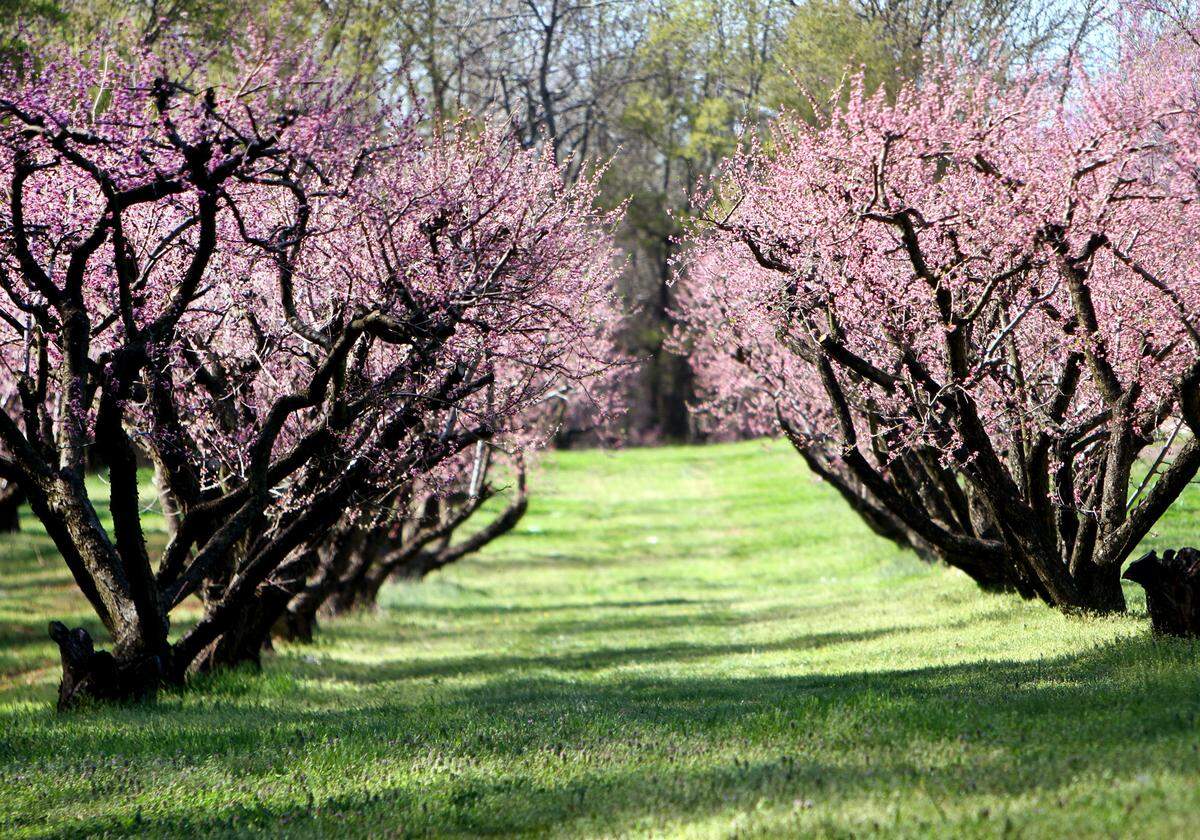
York County recently bought 1,900 acres that will become a park on the Rock Hill side of the Catawba River. The county will own it, but it also will boost the city’s recreational profile.
York County Councilman Tom Audette recently highlighted several large park expansions (including Rock Hill’s Ebenezer Park upgrades on Lake Wylie, which shares a shoreline with Mecklenburg County) before giving his 10-year vision for the region.
“The vision is that opportunity for quality of life,” Audette said. “The other vision I see is people actually working in this community.”
The coming Catawba Park in Tega Cay, recently-completed Field Day Park in Lake Wylie and Miracle Park in Rock Hill are multi-million-dollar additions designed to attract people from throughout the region. All are sites that local officials can market to create a sense of place that they say is unique to these South Carolina communities.
“It’s critical that we meet, we congregate and find what our common needs are,” Audette said of regional civic leaders.
Another draw is that the Rock Hill region has some of the highest-rated school districts in the state, based on several annual statewide measures.
Dennis Marstall worked 12 years in Charlotte planning and economic development, through 2011. He returned to the area in October as Lancaster County’s new administrator.
He realizes that some people may have the perception that this region is some sleepy Southern town, a characterization Marstall said no longer fits.
“We are drawing a mix of business, the light manufacturing, the retail,” he said. “Older manufacturers are growing.”
That diversified economy is what most excites area officials. Gone are the days when Rock Hill, Fort Mill and Lancaster lived and died by the economic success of the textile industry.
The area now has everything from the Carolina Panthers’ planned headquarters to an actual gold mine, headquarters for a national cornhole league, coming hospitals, multiple local airport expansions and untold amounts of industrial, commercial and retail construction. These are all benefits that the area’s growth has spawned.
“Just having that diversified economy is what is going to allow us to be more successful and more sound over the next 10 years,” Marstall said. “We have all those key components. The future is unlimited.”
Rock Hill is a key player in the quest for identity
Rock Hill is South Carolina’s fifth-largest city and leads this region in population. Echols served Rock Hill for 20 years after being elected mayor in 1998.
“It was a much different community, and it was much slower growth,” he said. “We had to fill in after the move of the textile industry offshore.”
That move took away thousands of jobs. Leaders in the region have worked decades to fill that void.
Today the region’s workers are younger and more tech savvy, Echols said. They’re increasingly part of companies headquartered in the Rock Hill region. Those characteristics will only grow more concentrated in the coming decade as Aspen Business Park, Knowledge Park and continued downtown revitalization bring several thousand more jobs, and people come here to fill them.
Then, there’s the big one.
“One of the things that people don’t realize is the real impact of the Panthers moving their headquarters and their practice facility to Rock Hill,” Echols said. “That’s going to be extremely impactful. It takes development to a whole new level.”
South Carolina fought hard to pull Charlotte’s NFL team across the border, bringing its new 4-million-square-foot facility to Rock Hill. State commerce officials, through state and federal money, agreed to fund a new interstate exit off Interstate 77 to serve the site. The city, county and local school district agreed to a tax deal where they will pay more than $200 million for infrastructure and give up property tax money from the facility for three decades.
At a mid-2019 pep rally in downtown Rock Hill to announce the Panthers headquarters, state House Speaker Jay Lucas likened the incentives to deals South Carolina would make with major manufacturers who bring jobs and prestige.
“We manufacture tires,” Lucas said. “We manufacture cars. And now we manufacture football teams.”
Panthers owner David Tepper, at the same pep rally, talked of major plans like a world-class medical facility to go along with the practice and headquarters site.
“This is going to be a showcase down here,” Tepper said. “We’re going to bring people down to this region. We’ll have just a sense of excellence not only up there for the football team, but everything we do down here in Rock Hill.”
Some estimates put the Panthers headquarters project at $2 billion in economic impact. New restaurants, hotels and businesses will emerge. That all means more growth in this region.
Rock Hill already pops up on the radar for companies, largely from up north, looking to relocate in the Charlotte area, Echols said. The interstate and proximity to Charlotte’s airport help. Each new addition in Rock Hill provides opportunity for the next one, he said.
“There will be companies that will look to Rock Hill as a home base,” Echols said. “We’ve had some of that in the past.”
So what can Rock Hill and the surrounding region expect in the next 10-20 years?
“It’s a bright future for job opportunities for a lot of people,” Echols says.
Who’s coming to live in this region?
Many people already know Charlotte and the Rock Hill region because they have lived in both places.
U.S. Census Bureau data shows, from 2006 to 2010, an average of almost 2,800 people moved from Mecklenburg County to York County each year. That’s about five times as many people as came each year from Richland County, the second-highest exporter of new residents in York County. There were 26 counties from across the country — more than half from within the Carolinas — that sent 100 or more residents here per year.
York County also sent the most of its outgoing residents to Mecklenburg County, at about 1,300 per year.
Lancaster County saw similar numbers. The 700 new residents it got each year from Mecklenburg County were almost twice the next highest, from Chester County. Lancaster County also sent 470 residents each year to Mecklenburg County. That’s more than went anywhere else in the country.
The most recent census data shows those migration trends actually sped up in the last decade.
From 2015 to 2019, York County got about 4,300 new residents each year from Mecklenburg County. About 2,100 York County residents now move to Mecklenburg County each year.
Lancaster County now gets almost 1,400 new residents per year from Mecklenburg County. Yet people who leave Lancaster County most often go to York County, at almost 1,700 people per year. Mecklenburg gets about a quarter of that.
Experts say Charlotte serves as a casting net. People focus on the Charlotte region for a potential home or business, before narrowing to a specific area. And when people look at the Charlotte region as a whole, they find that the communities south of the border have lower taxes, high-quality schools or other offerings in contrast to the Queen City.
“The Charlotte growth only accentuates what the panhandle and Lancaster County, as well as York County, have to offer,” Marstall said. “We’re on display, and everyone has seen the many amenities we have on the South Carolina side of Charlotte.”
What’s the price and where do people live?
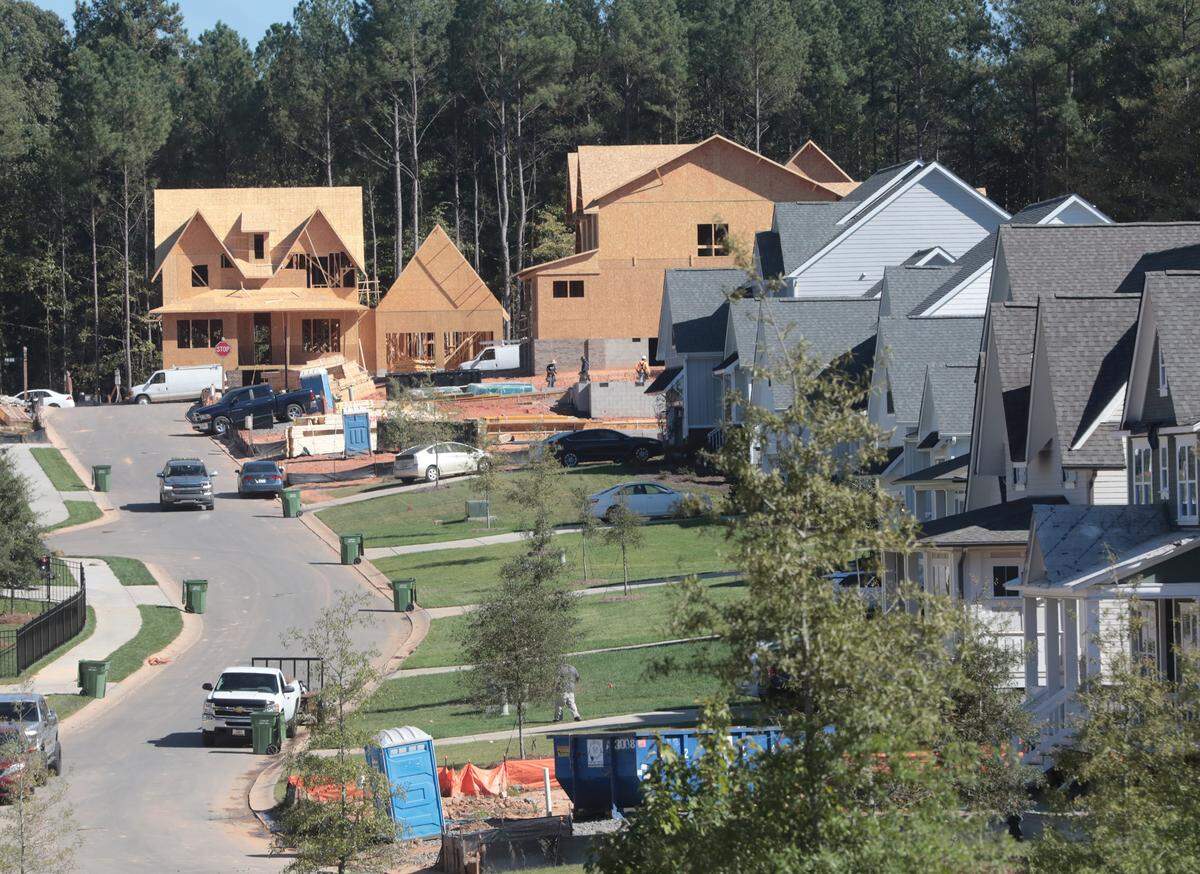
The Rock Hill region’s lure comes with a dose of reality. The more people choose to move here, the more you’ll pay to live here. And the prices are dictated by growth, which is a result of sprawl.
Canopy Realtor Association monitors Charlotte region home sales. The average York County home now sells for $367,000, according to Canopy. That price is up 44% in just five years. Tega Cay homes at $450,000 and Fort Mill homes at $432,000 are well above the county average, and above the $381,000 average across the larger Charlotte region. A Fort Mill home today sells for 40% more than it did five years ago.
Lancaster County, fueled almost entirely by the Indian Land panhandle, is up 37%. The average Rock Hill sale today is $285,000, up 50% from five years ago.
New 2020 Census data shows population surges in predictable places. The surges overlay a corridor that includes I-77, U.S. 21, U.S. 521 and S.C. 49 — all at the North Carolina-South Carolina border. That area includes Fort Mill, Tega Cay, Indian Land and Rock Hill.
Many who live there feel their communities are just about full. Some wonder if, in coming decades, those areas will be like Fort Mill. The population in that town is up about 150% over 10 years.
“People want to live here,” Fort Mill Mayor Guynn Savage said during a September state of the community breakfast. “It’s because of the people.”
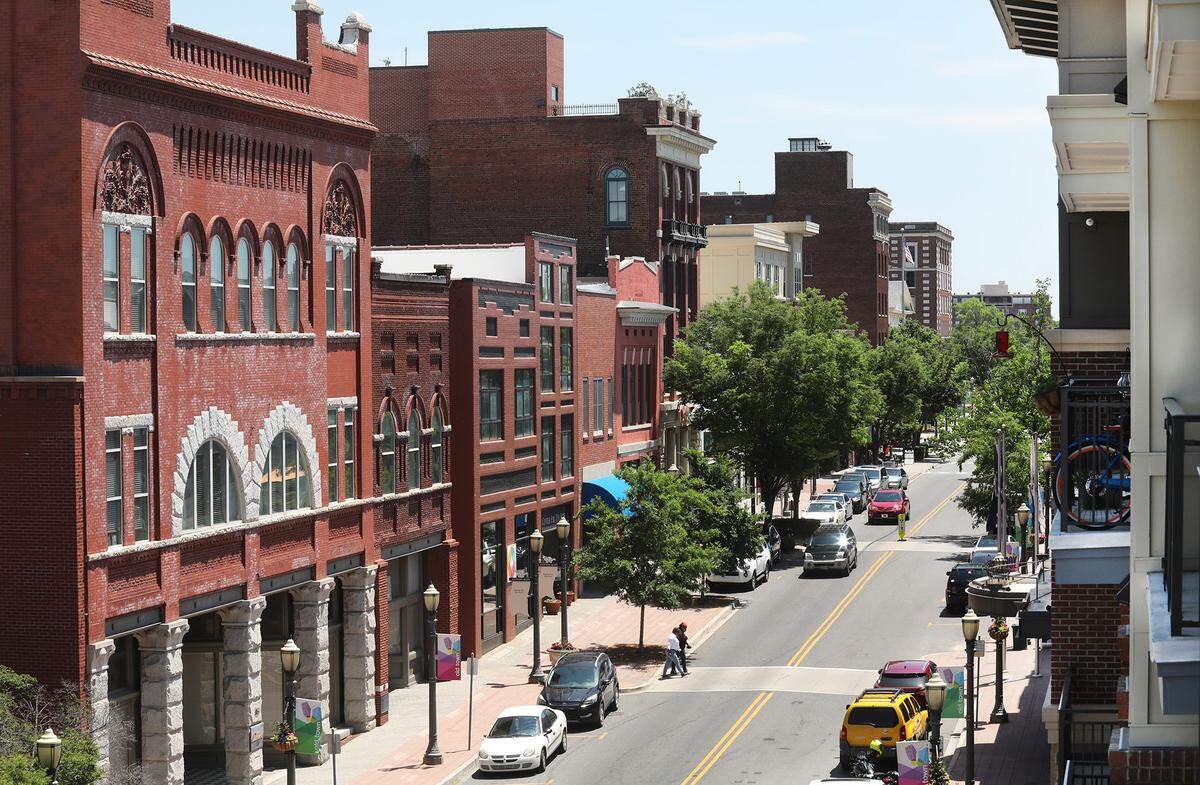
In the two-state Charlotte region, only Cabarrus County, on the northern edge of Mecklenburg, grew more in a decade than York or Lancaster counties. Only Berkeley and Horry counties in all of South Carolina grew faster than the 25% rate York and Lancaster saw.
“Clearly, Lancaster County has been impacted by the growth of Charlotte,” Marstall said. “Now, every border county is feeling that effect. For York and Lancaster County, it’s a good sign that people are interested in the quality of life, the pro-business climate and just the way of life.”
As places like Fort Mill, Tega Cay, Indian Land and Lake Wylie fill up, the growth inevitably pushes into Rock Hill.
“Just the idea of where we’ve come from and where we could be going, you think there’s going to be a point where we max out on available land,” Ward said. “But you look around, and there’s still a lot of farmland that could bring in a lot of people.”
Of course, to lose that remaining farmland to development would be to lose what what makes the Rock Hill region unique.
Charlotte’s unavoidable shadow
Charlotte and York County compete for business headquarters, new residents and tourism dollars. They work together on transportation infrastructure and environmental issues.
Yet clearly, people south of the border don’t want to merely be an extension of Charlotte.
“I work in Charlotte,” Ward said. “But I’m not Charlotte.”
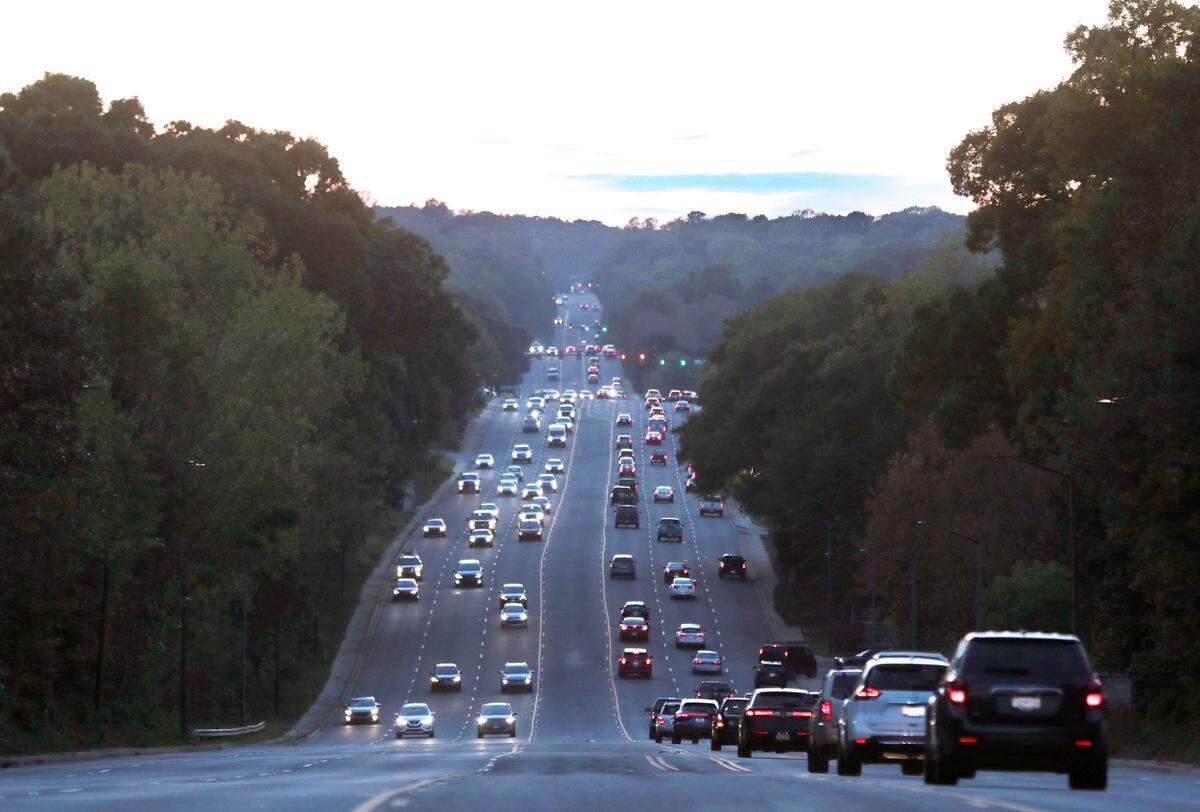
Several regional transportation initiatives are ongoing to consider ways to transport people through the region using buses, light rail and other modes. York and Lancaster transportation leaders spent much of their discussion at a September gathering focused on the point that they want local control of decisions that impact this region.
“Regionalism means working together, not one region telling the other what they’re going to do,” said S.C. Rep. Gary Simrill, R-York.
The state line also creates political divides.
Gas stations and fireworks stands in Fort Mill and Lake Wylie have thrived for decades because of a lower gas tax and North Carolina’s law that makes fireworks illegal. When COVID-19 hit, Mecklenburg County and North Carolina closed restaurants and other gathering places much longer than South Carolina.
“When Charlotte closed down, we were thriving,” Tega Cay Mayor David O’Neal said recently. “Our businesses stayed open. We didn’t lose a single business.”
The back-and-forth along the border has many predicting growth will continue.
“That’s really the big one,” Ward said of Charlotte’s impact on local growth. “When you have the ability to live this close to a city that people work in, you have an airport, you have entertainment, that’s a big one.”
Ward says even his drive home is an amenity. The question is whether that drive will remain a transition from one unique place to another.
The Duke Energy employee says he enjoys his work in Charlotte but also the time in the car to decompress each day.
He likes living in a safe, comfortable place away from his job. In his constant interaction with new Fort Mill residents, Ward said he talks up the still-small-town vibe his native community offers, and works to protect.
“I tell them the reason you moved here, let’s keep it the reason you moved here,” Ward said.
This story was originally published October 27, 2021 at 5:00 AM with the headline "Will Rock Hill emerge from Charlotte’s shadow or be absorbed by Queen City sprawl?."