Historic Hilton Head neighborhood may be paved over by US 278. Will a land plan help?
If one more lane of traffic is added to the U.S. 278 bridge going onto Hilton Head Island, passing cars would splash water onto Belinda Stewart Young’s front porch on a rainy day.
Never mind that she’d also have the sound of 60,000 cars crossing the bridge. The house her mother lives in — where she hopes to retire someday — would open directly onto a seven-lane highway.
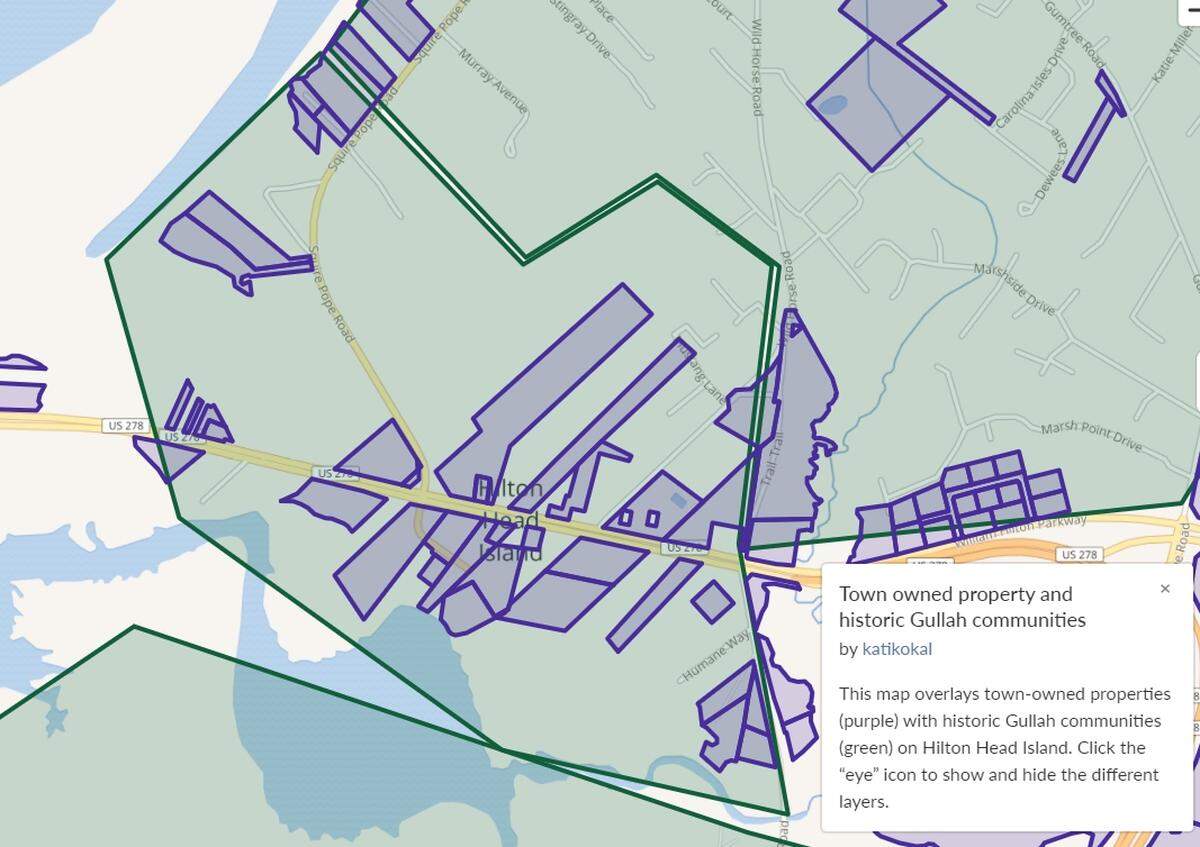
Stewart Young’s family lives in the Stoney community, a historic neighborhood the highway has already split once. Now, the community wants to know what will happen to it when the S.C. Department of Transportation announces the final plan for the new corridor in March.
Instead of hiring a $70,000 land-planning consultant to design the new entrance to Hilton Head and the Stoney community, Town of Hilton Head leaders voted Tuesday to have a staff member start work on the land plan to keep it on track.
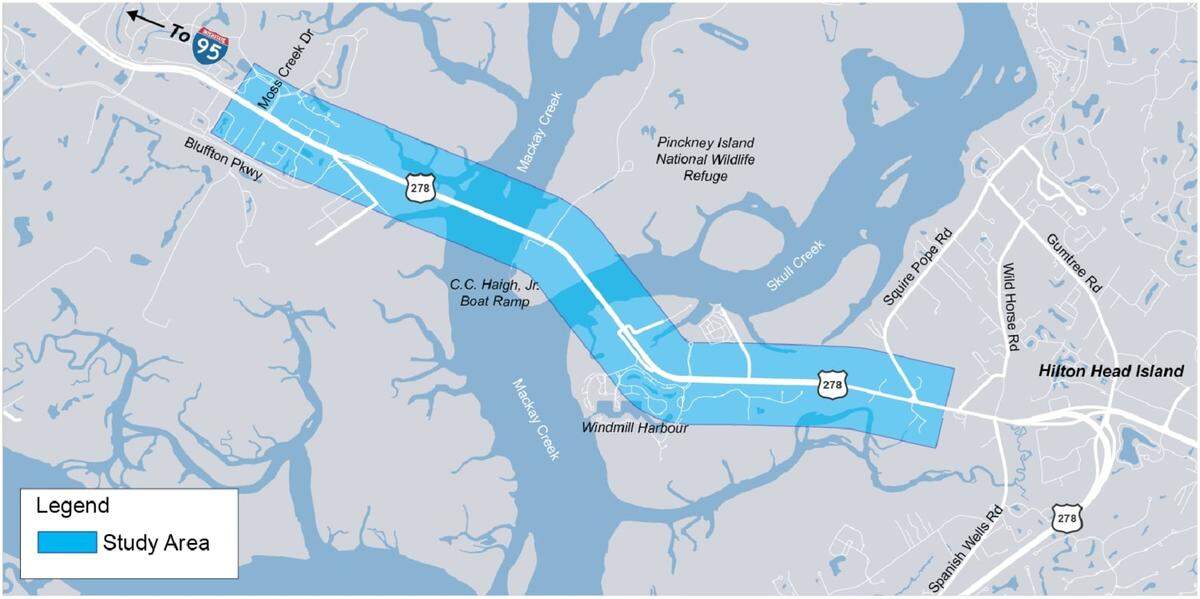
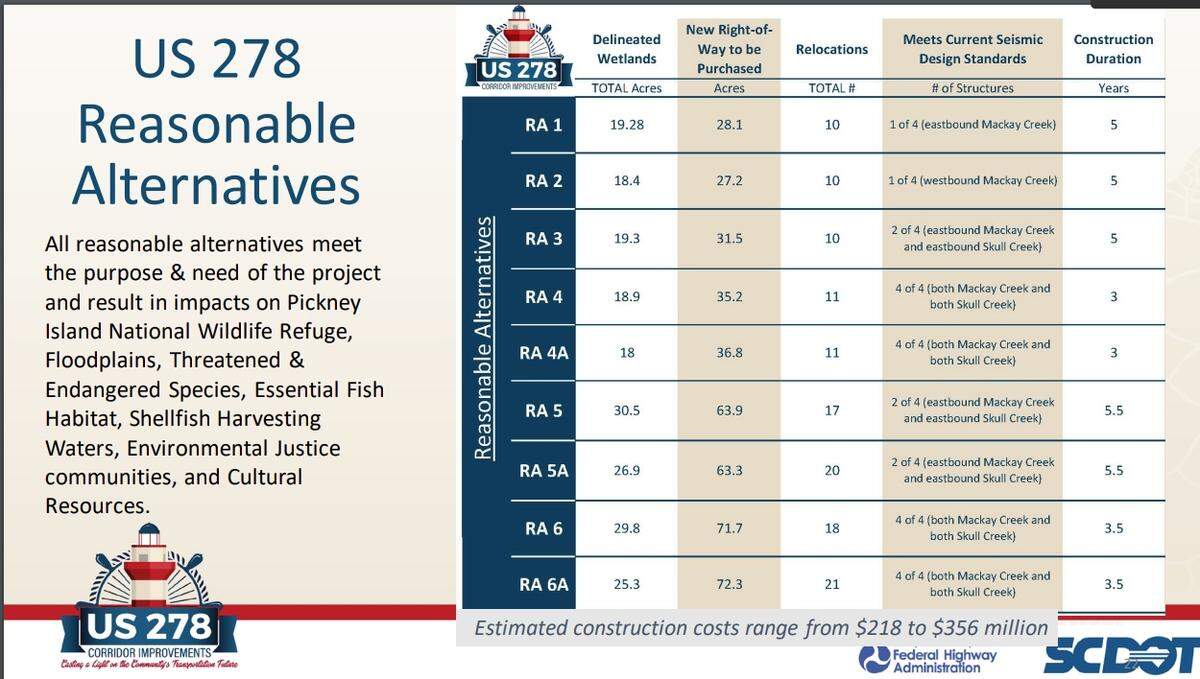
The U.S. 278 corridor project is the largest infrastructure project in the island’s history — a $300 million overhaul of the island’s single entry and exit point.
In October, town and county leaders agreed to hire a different independent engineering firm for $130,000 to review the SCDOT’s plans for the project.
But the disruption of the culture and history built on the land at the base of the bridge has long troubled families like the Stewarts and leaders of the Gullah-Geechee Stoney community.
“We want people to understand our culture and our heritage is dying because of this road and the overuse of this road,” former Town Council member Marc Grant said in 2018 at the start of the U.S. 278 project.

How we got here
To address the disruption, town leaders want to hire a land planner who can show Stoney residents options for immortalizing their history once their families are kicked off the land where some have lived for generations.
The land planner may be able to design a monument, meeting place, park or other place of significance for Stoney residents, town council members have said.
But, as with many parts of the U.S. 278 corridor project, the hiring of a land planner has been bogged down by bureaucracy.
Beaufort County Council agreed to chip in for the land planning firm, and suggested extending a contract with an existing firm on Dec. 7. The plan was for the county to split the $70,000 cost with the town. The firm was well known by the county because it helped the Mitchelville Freedom Park create its master plan.
Town leaders decided instead to request competitive bids for the land planning consultant. They said the firm’s contract with Mitchelville couldn’t be extended to work on a totally different project.
On Tuesday, Town Council members agreed that going out for a competitive bid for a Stoney land planner would take too long. Ward 2 representative Bill Harkins called the process a “procurement straitjacket.”
Harkins and Ward 3 representative David Ames said they need the Stoney land plan to be created at the same time the independent engineer is reviewing SCDOT’s plans.
“I really think those things have to go hand in hand to offer everyone a full package of opportunities,” Ames said. “There is an unmistakable appearance of avoiding leadership here,” he said of the town.
So the town council voted to send the land planning project to Town of Hilton Head staff, which includes three senior planners. Council members also approved a request for bids for an outside land planning consultant, though they do not plan to actually send the request.
That means island residents may have a land plan for the entrance to the island before SCDOT decides the final plan for the corridor, and that land planning will happen at the same time as the independent traffic review.
Town Council members also agreed to hire a representative to work with the Stoney community throughout the land planning process. That position will cost the town $25,000.
U.S. 278 oversight
Mayor John McCann also announced his picks for the oversight committee, which is designed to make sure the independent traffic engineer stays on track.
He chose the following residents:
- Curtis Dreissen representing the Stoney community. Dreissen is a native islander and electrician.
- Herbert Ford representing the Stoney community. Ford is a native islander and has sat on the Public Service District Commission since 2010.
- David Johnson representing Hilton Head Island. Johnson is the chairman of the U.S. 278 task force for the town.
- Risa Prince representing Hilton Head Island. Prince is the co-founder of Coalition of Island Neighbors, which has pushed to independently review the alternatives and reject them.
- Scott Liggett representing the town. Liggett is director of Public Projects and Facilities and chief engineer for the town.
- Jared Fralix representing Beaufort County. Fralix is assistant county administrator who oversees the engineering department.
- Mike Garrigan representing Jenkins Island. Garrigan is Windmill Harbour traffic committee’s chairman.
- John Taylor as an alternate. Taylor is an economist.