$130K independent review of US 278 project moves forward. Here’s the scope of work
More than half a year after the S.C. Department of Transportation announced three new alternatives for the $250 million to $300 million U.S. 278 corridor project, Beaufort County is moving forward with a much-anticipated independent review of the project’s engineering, its expected displacement of families and its environmental impact.
Beaufort County and the Town of Hilton Head Island are expected to hire Nebraska-based HDR Engineering for the review. If approved by Hilton Head, the two governments will split the $134,732 cost 50/50. Beaufort County approved its part Monday night. Hilton Head will vote Nov. 4 on its portion of the money.
The independent review of the project is the culmination of months of requests from island residents, as well as a petition to reject all of the project’s alternatives.
The U.S. 278 corridor project will re-imagine the entrance to the island that runs from Moss Creek Drive to Spanish Wells Road. The final plan will be announced this winter, according to SCDOT.
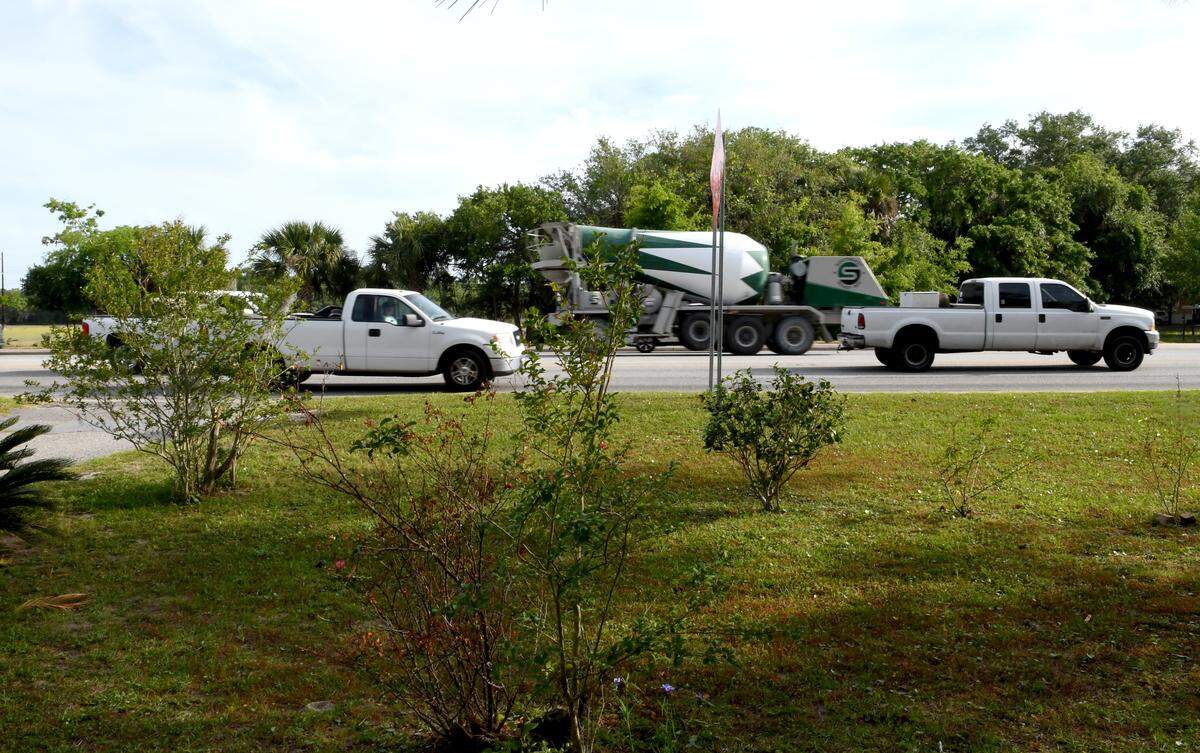
Five alternatives follow the existing footprint of the bridges to the island. The other four include a new bridge that loops northward through marshes and existing power line easements to take pressure off the existing road.
Residents have long criticized the project for its potential to disrupt wetlands and historic neighborhoods, its ballooning budget and the few opportunities for the public to weigh in.
The proposed scope of work for the independent review has been spearheaded by several groups that include the county, Hilton Head and S.C. Sen. Tom Davis. Here’s what you need to know:
1. The consultant
Some island residents are concerned that HDR Engineering’s review of the project will not be completely independent.
“With this previous experience with the county and HDR’s extensive experience with SCDOT, how independent are they going to be in their analysis?” Hilton Head resident and Coalition of Island Neighbors leader Risa Prince told The Island Packet. “They could simply come back and endorse what DOT’s preferred alternative is.”
Although the study’s scope of work, obtained by the newspapers, states that HDR Engineering will review all of the design information from SCDOT, an amendment from Sen. Davis says the study will not be “limited to a technical peer review of SCDOT inputs.”
2. The alternatives
The scope of work for the review states that the consultant will verify all of the alternatives already identified for the project to make sure viable ideas “were not prematurely discarded.”
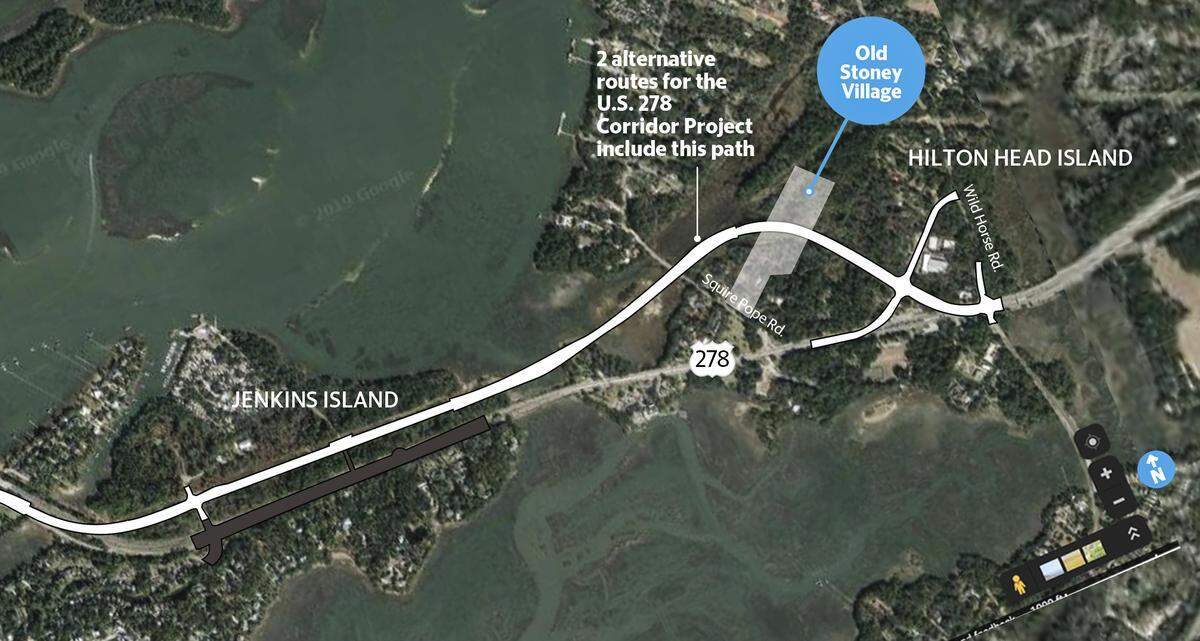
It also says the consultant will explore other possible alternatives.
These other alternatives include:
▪ A Cross Island Parkway connection
▪ A grade-separated intersection (roads at different elevations)
▪ Reversible, high-occupancy, express and/or specific local-traffic-only lanes
▪ Other improvements without widening to six lanes
▪ A base alternative that replaces the “deficient” eastbound bridge over Mackay Creek, fixes safety issues on Jenkins Island, improves pedestrian crossing safety, optimizes intersections and develops a land use plan.
3. The cost
One of the major criticisms of the U.S. 278 project has been its increasing cost.
Originally pitched as a $240 million investment, the most recent SCDOT presentation to Hilton Head leaders says the construction could cost anywhere between $218 million and $356 million.
The independent review is expected to determine cost estimates for the alternatives that SCDOT has identified as well as any additional alternatives.
This includes an additional cost estimate for each alternative that assumes it is extended to the Cross Island Parkway.
4. The Gullah communities at risk
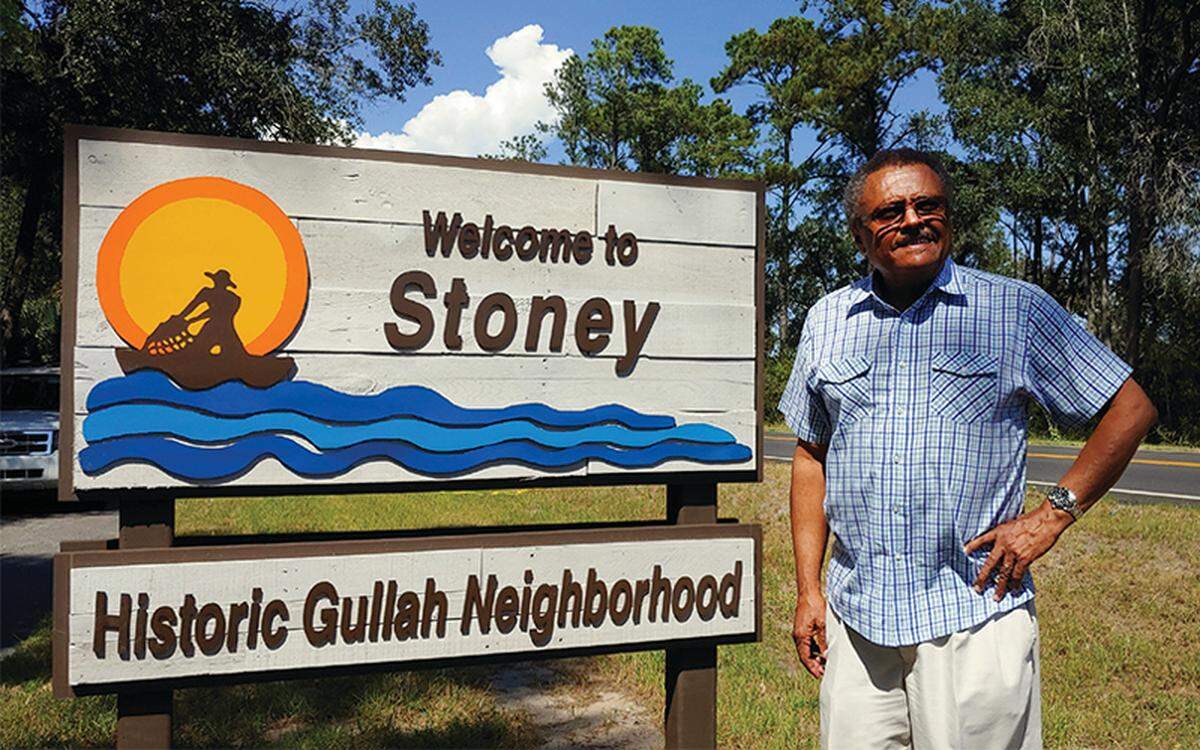
Another major issue with the U.S. 278 project is the likelihood that the corridor will displace families in the historic Stoney and Squire Pope neighborhoods, where Gullah families live on land that was passed down from people freed from enslavement on Hilton Head generations ago.
The original iteration of the independent review states that the consultant will provide recommendations for any “landscaping, land use planning or aesthetic concepts that are developed by others during the study period.”
It did not specifically address disruptions to historic neighborhoods.
Sen. Davis added a line, approved by County Council, that says the review will “include recommendations on how to mitigate the disruptive impact the project will have on the Stoney Community.”
5. Public participation and timeline
According to the scope of work, the consultant will conduct four virtual meetings with an oversight committee during the review period. That oversight committee has not been finalized by the county and the town.
Multiple Beaufort County Council members have previously said they want members of the public and county or town staff on the oversight committee rather than elected officials.
Davis said the committee should have “adequate representation” from people who are directly affected by the project and people who have expressed concerns about it.
It’s not clear that Hilton Head’s U.S. 278 corridor committee, which met regularly for two years to give input on the project and comprises a diverse swath of islanders, would be used as the oversight committee. That group has not met since last winter.
The consultant will have to provide the oversight committee with an “interim update” within 30 days of the start of the review, as well as a final, detailed engineering report with recommendations for the project within 60 days.
Once the recommendations have been finalized, the consultant will present the findings to both Hilton Head Town Council and Beaufort County Council.
This story was originally published October 28, 2020 at 4:25 AM.