Radar scans reveal more ruins of 2,300-year-old city in Egypt. See its treasures
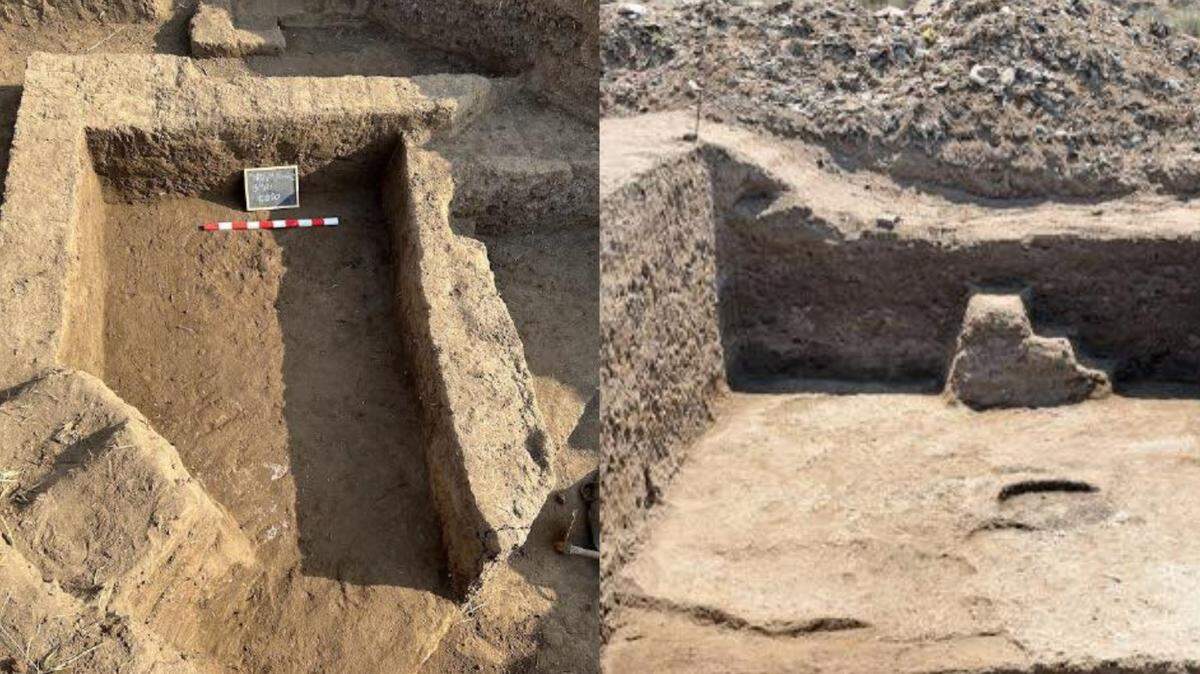
Near the edge of a small town in northeastern Egypt sits a hill that is not what it seems. Radar scans of the hill revealed a dense concentration of ancient ruins buried below: the remnants of a 2,300-year-old city.
Take a look at what remains.
When British archaeologists began their latest season of work at Tell Nabasha, they already knew the hill site was once part of the ancient city of Imet, Egypt’s Ministry of Tourism and Antiquities said in a June 21 news release. What researchers didn’t know was what sat beneath this section of the hill.
Archaeologists used remote sensing and satellite images to scan the hill and identify which areas had the most ruins, officials said. Then they started digging.
Excavations uncovered houses, grain storage, buildings used to house animals and an unidentified structure near a central temple, the ministry said. Archaeologists believe the homes were multi-story residences known as tower houses built to provide shelter for large groups of people, the ministry said.
The long-abandoned structures dated back between 400 and 350 B.C., archaeologists said. Photos show the ruins.
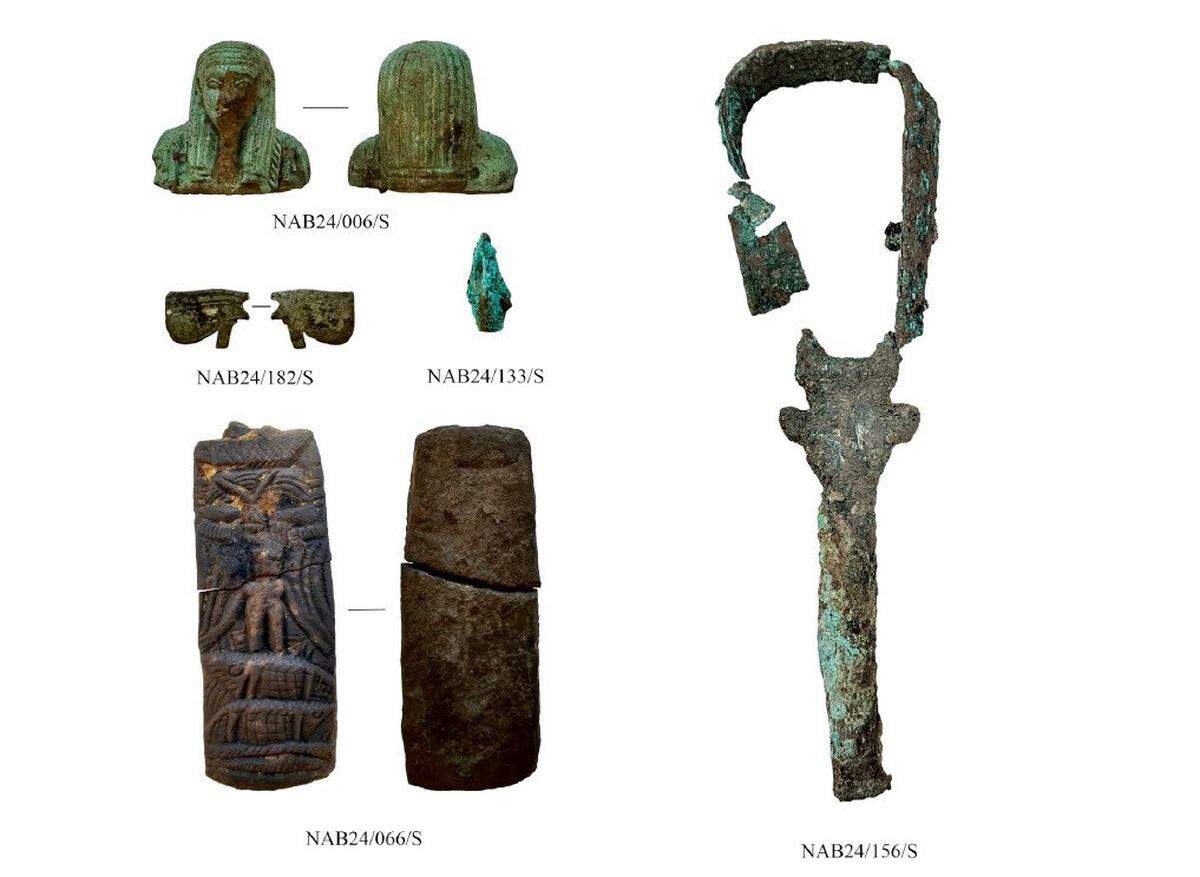
The dig also unearthed several notable artifacts, officials said and photos show. One green-blue bust-like statue was identified as part of a highly detailed funeral figure, or ushabti, at least 2,300 years old.
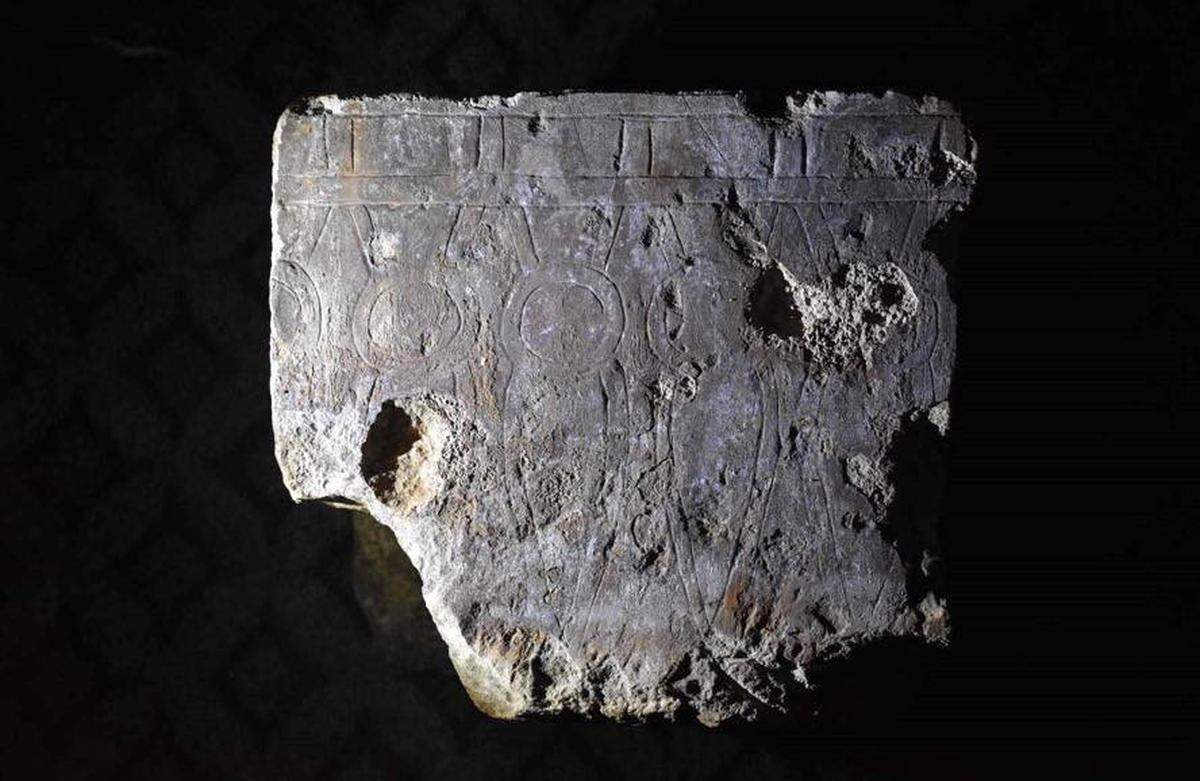
One carved stone slab was identified as a stela depicting the ancient Egyptian deity Horus standing on two crocodiles and holding snakes with another deity above him, archaeologists said. Another notable item was a bronze musical instrument known as a sistrum, which was played by being shaken similarly to a tambourine.
Based on the ruins of Imet uncovered so far, archaeologists described the 2,300-year-old city as a prominent population center in the Nile Delta and distinguished by its temple.
Officials said the latest findings at Tell Nabasha reveal more about the ancient city, its daily life and its religious practices.
Tell Nabasha, or Tell Nebesha, is in Al-Sharqia Governorate in northeastern Egypt and a roughly 80-mile drive northeast from Cairo.
Google Translate and Elvex Translate were used to translate the Facebook post from Egypt’s Ministry of Tourism and Antiquities.
This story was originally published June 24, 2025 at 9:06 AM with the headline "Radar scans reveal more ruins of 2,300-year-old city in Egypt. See its treasures."