Tree cutting reveals forgotten WWII bunker in Poland — but a mystery lingers
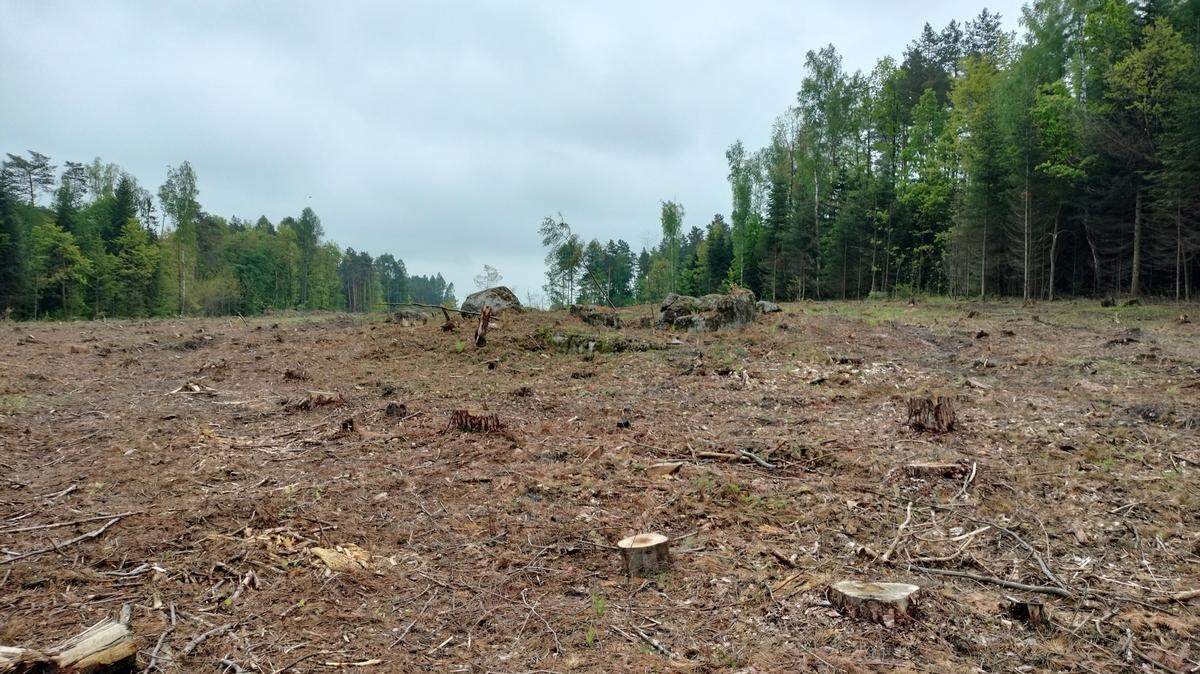
In a forest of southern Poland, a team of workers chopped down trees and hauled away bushes to clear a path for a new road. Their efforts revealed a forgotten World War II bunker, previously overlooked by archaeologists — but questions linger.
Ahead of highway construction, archaeologists surveyed a stretch of land near Tomaszów Lubelski using light detection and ranging scans. They identified several trenches and other buried earthworks but nothing above ground, the Lublin Voivodeship Conservator of Monuments said in a June 12 Facebook post.
With the archaeology survey done, workers began cutting down trees in the forest and soon uncovered a forgotten Soviet bunker from WWII hidden in the overgrown bushes, officials said.
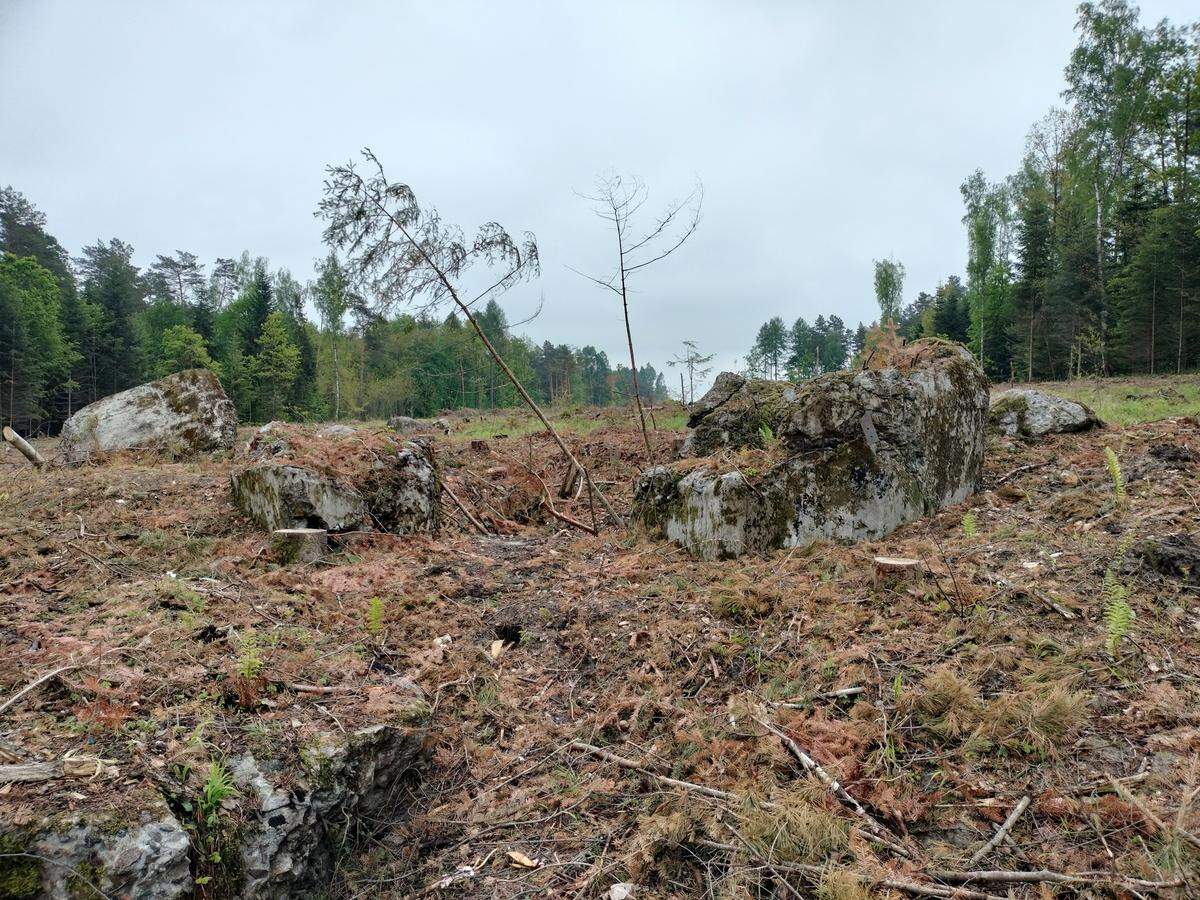
Photos show the ruined stone structure, which sat on a hilltop and likely allowed soldiers to observe and attack a nearby road. Originally, the bunker had a square shape, measuring about 18 feet on each side.
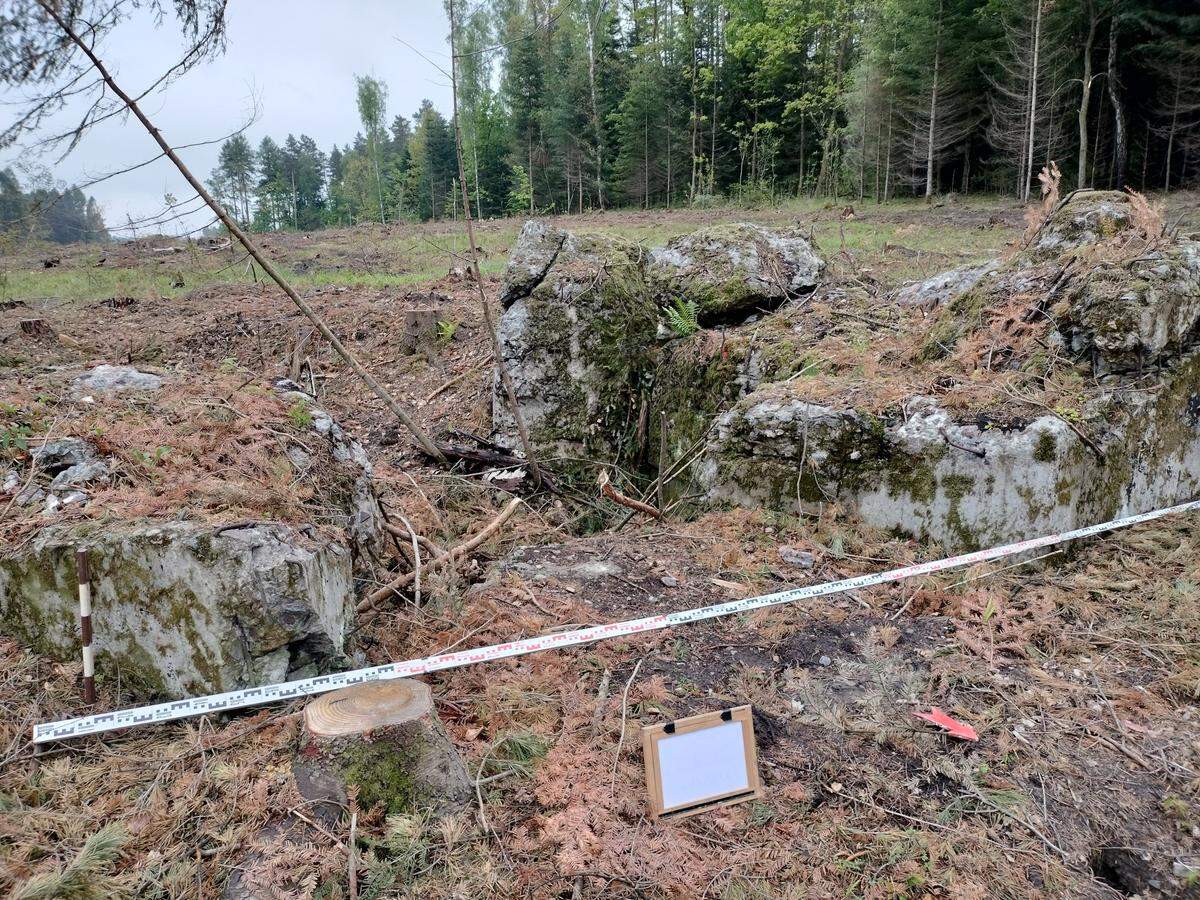
Based on historical sources, officials identified the structure as a single-room anti-tank bunker, likely armed with an anti-tank gun and occupied by four people. The structure was part of a larger Soviet fortification system, known as the Molotov Line, built in 1939 to 1940 along the border of Nazi-controlled land.
The newfound bunker was partially destroyed, likely blown up from the inside either by retreating Soviet soldiers in 1941 or by Polish soldiers after WWII, officials said. The mystery of what exactly happened there lingers.
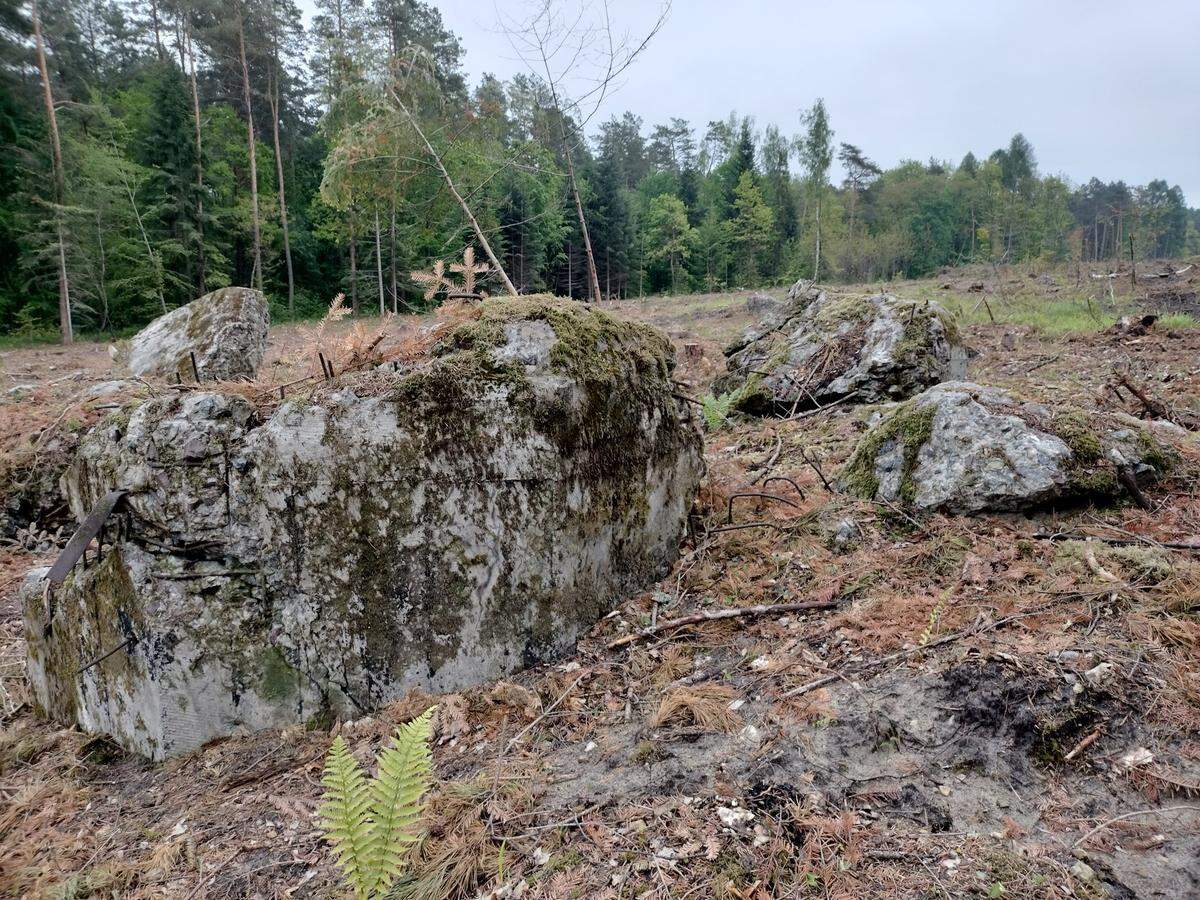
Photos show what remains of the 85-year-old bunker near Tomaszów Lubelski, including its side walls, front face and gun port.
Tomaszów Lubelski is a town in southern Poland, near the border with Ukraine and a roughly 185-mile drive southeast from Warsaw.
Google Translate was used to translate the Facebook post from the Lublin Voivodeship Conservator of Monuments.
This story was originally published June 13, 2025 at 10:01 AM with the headline "Tree cutting reveals forgotten WWII bunker in Poland — but a mystery lingers."