X-rays of 1,300-year-old sheath reveal first-of-its-kind blade inside. See it
CORRECTION: The artifact size was misidentified in an earlier version of this story based on an error in the news release. The story was updated on June 20 to reflect the correct size information.
The corrected story is below.
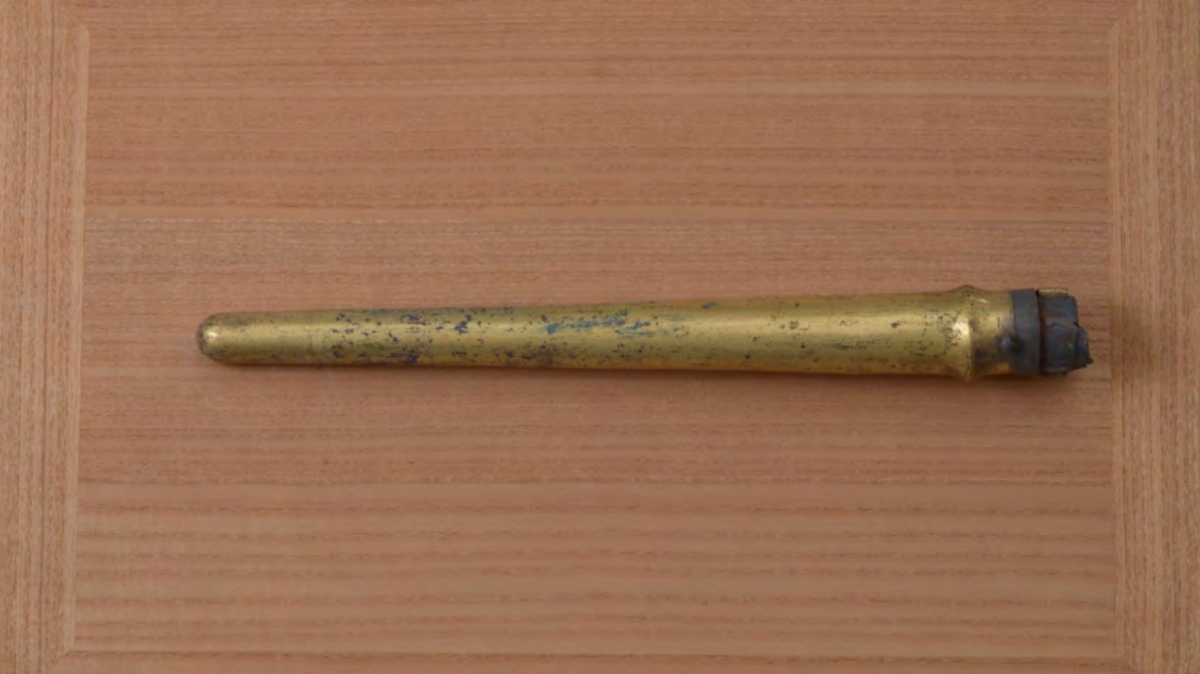
Almost 70 years ago, archaeologists on a sacred island in southern Japan dug up a pointy gold sheath. The 1,300-year-old artifact didn’t look like much from the outside — but X-rays recently revealed a first-of-its-kind blade sitting inside.
A team of researchers decided to take a closer look at some of the over 80,000 artifacts found at ritual sites on the sacred island of Okinoshima, the Munakata-Okinoshima and Associated Heritage Preservation Council said in a June 10 news release. The project began in fall 2024 and involved X-ray scans of 4,200 metal artifacts.
When the team saw the X-rays of the ancient sheath, they realized it had something inside: an intricately patterned spear blade, officials said.
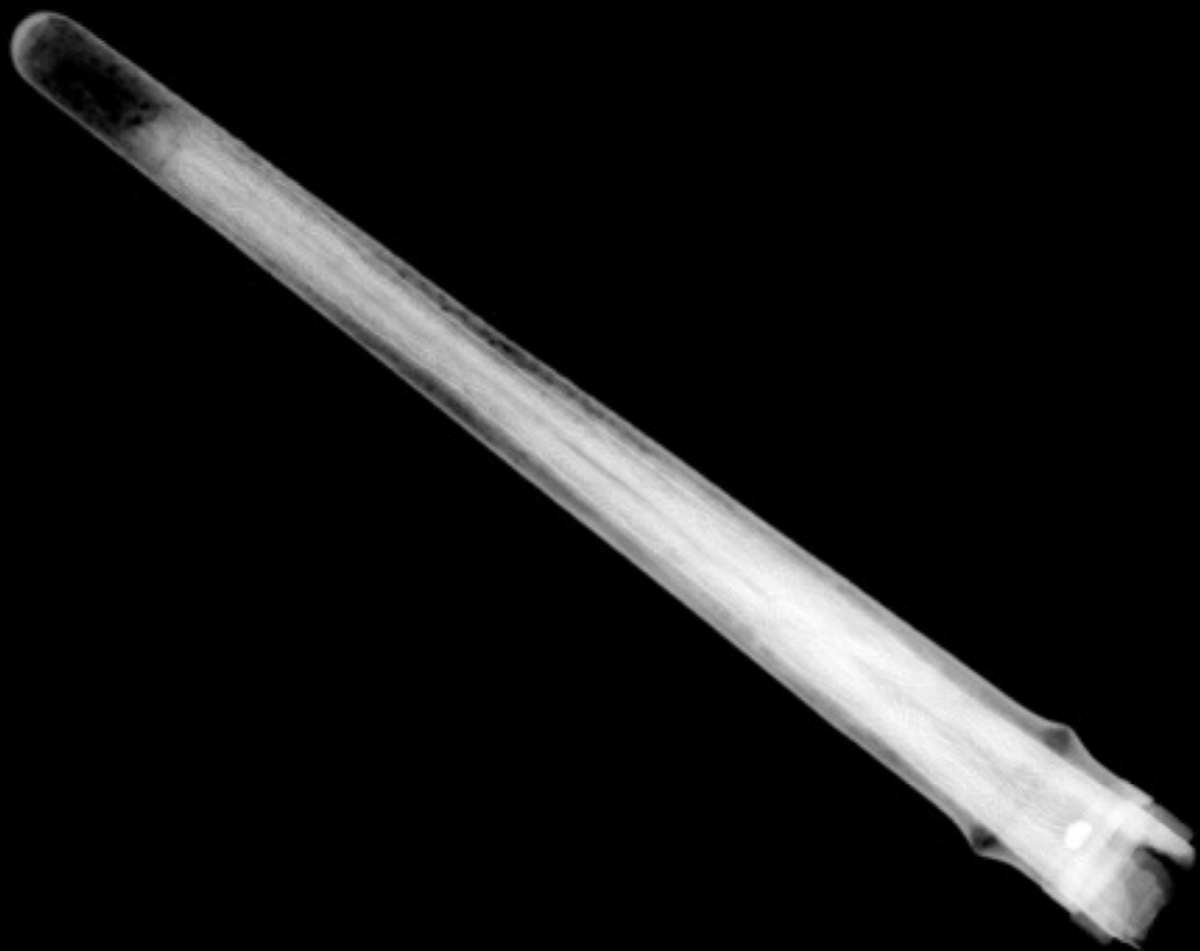
Intrigued, researchers sent the sheath for further analysis and CT scans. The results were worth it.
The gold-plated sheath has nine sides and measures about 1 foot in length, officials said. It was made in Japan between 550 and 650 and originally used to cover the blade of a long-handled spear.
Inside the sheath was a triangular-tipped blade measuring about 11 inches, photos show. Decorations covered the entire blade, a mixture of abstract phoenixes and tortoise shells.
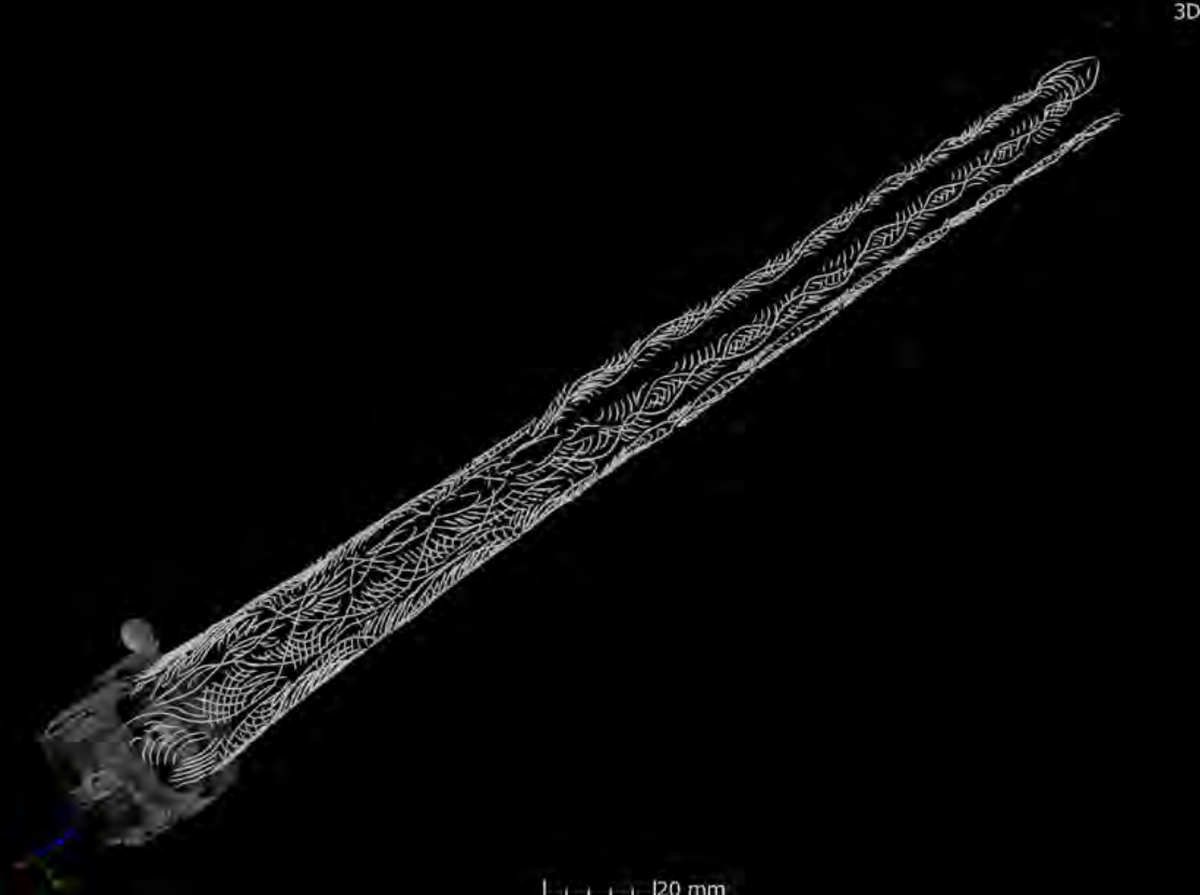
The phoenix figures are at the base of the blade and have a simplified body with their wings spread out, researchers said. The tortoise shell-esque pattern frames the birds and continues up the blade.
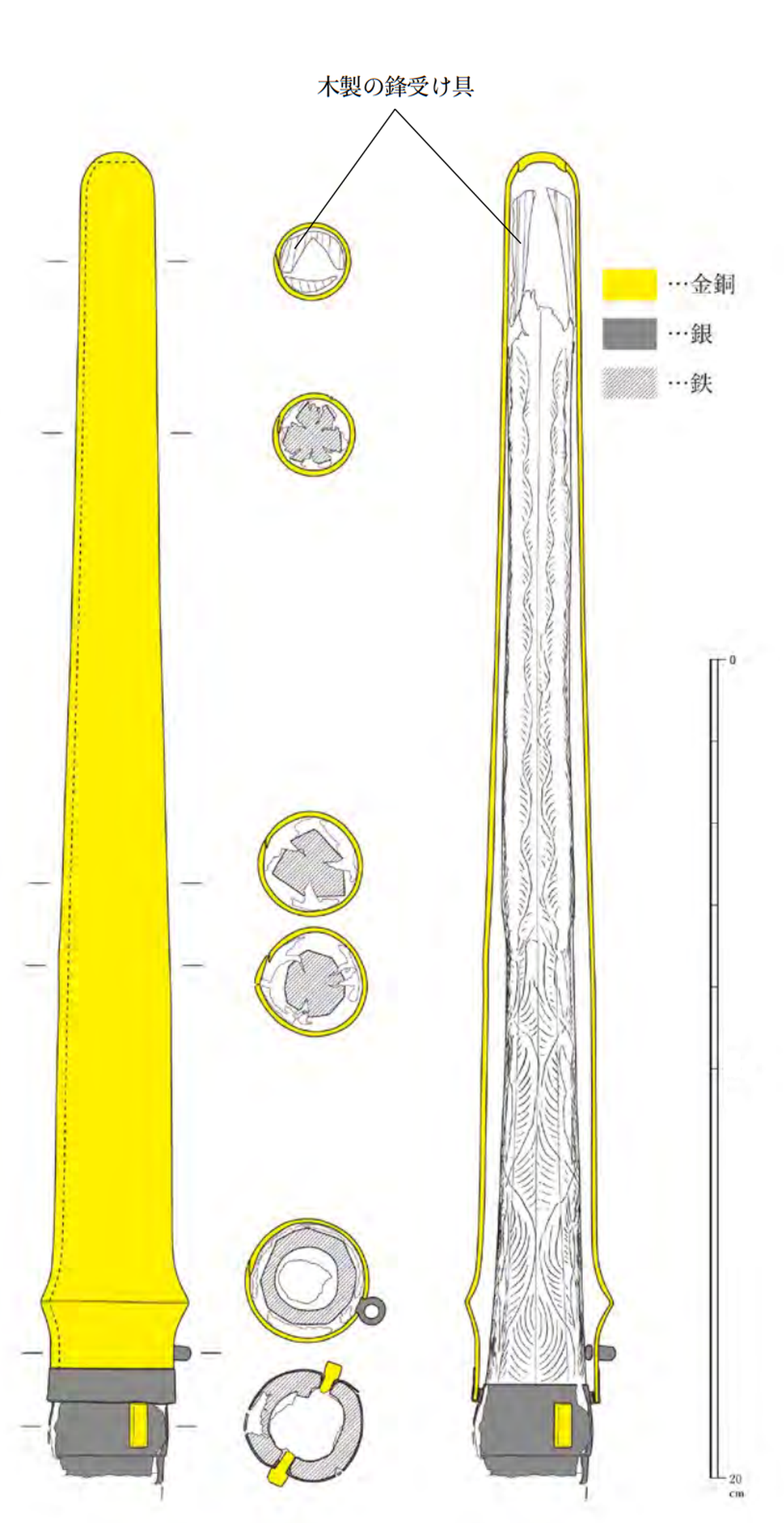
Based on the blade decorations, sheath shape and burial location on Okinoshima, researchers concluded the 1,300-year-old artifact was made to be a ritual offering or to have a ceremonial purpose, not to be a functional weapon.
Officials described the sheath as a one-of-a-kind find and an outstanding example of ancient craftsmanship.
Okinoshima island is in southern Japan, part way between Kyushu island and mainland South Korea. Today, the island is a UNESCO World Heritage site because it is an “exceptional repository of records of early ritual sites, bearing witness to early worship practices associated with maritime safety” from the fourth to ninth centuries.
The 1,300-year-old sheath is on display as part of a museum exhibit until August 2026.
Google Translate and Elvex translate were used to translate the news release from the Munakata-Okinoshima and Associated Heritage Preservation Council.
This story was originally published June 20, 2025 at 9:37 AM with the headline "X-rays of 1,300-year-old sheath reveal first-of-its-kind blade inside. See it."